
Chez Pipo, Nice’s Socca Institution
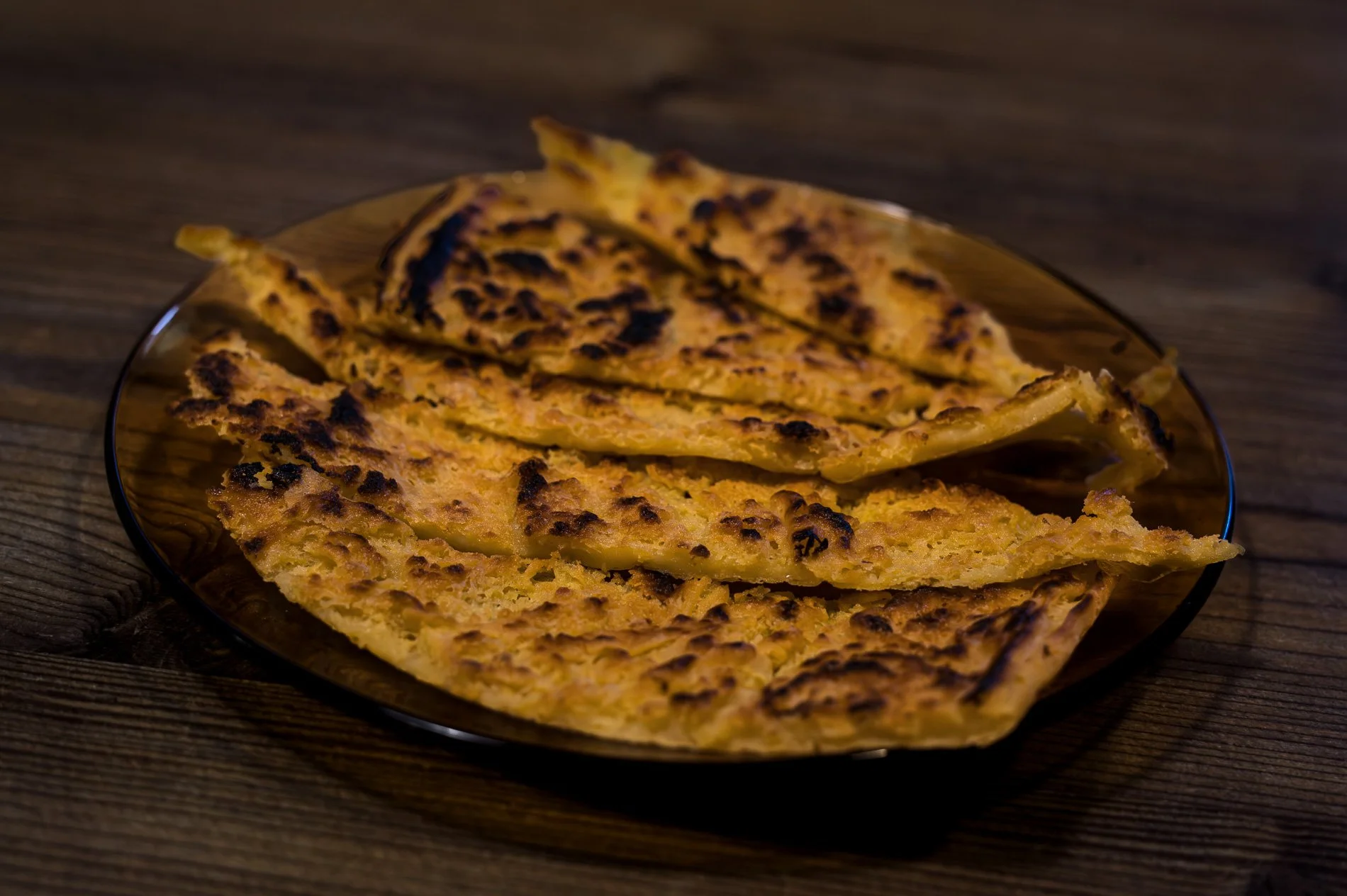
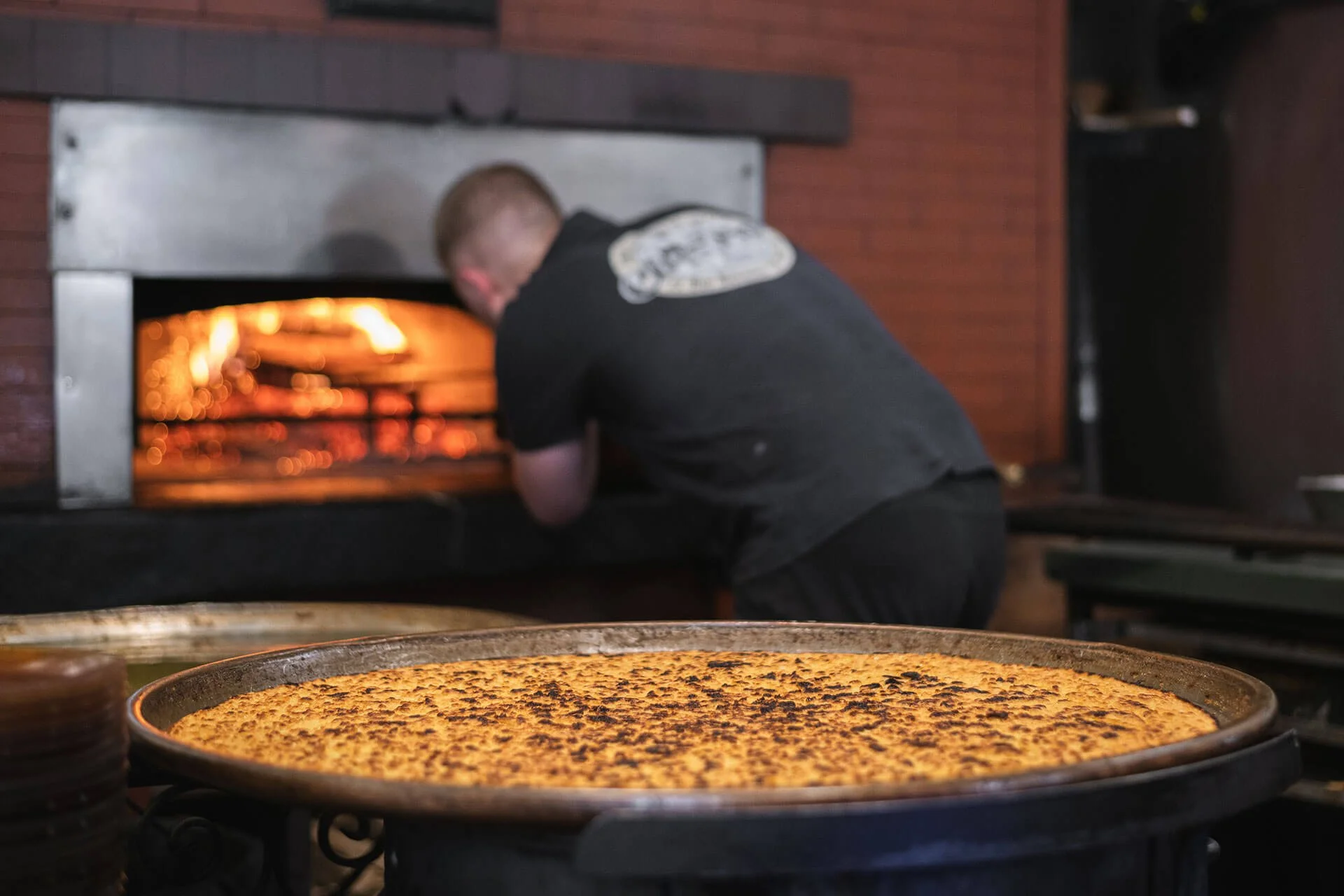
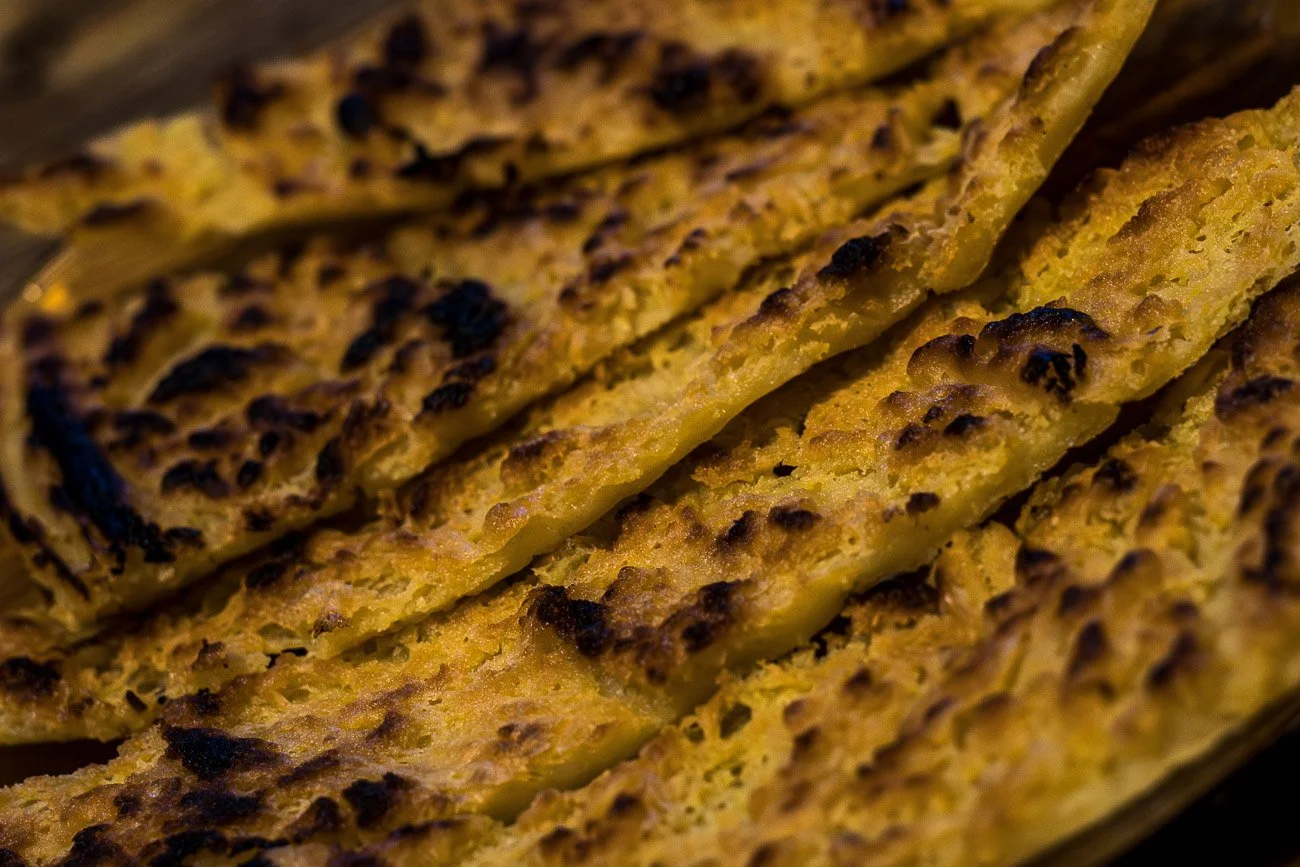
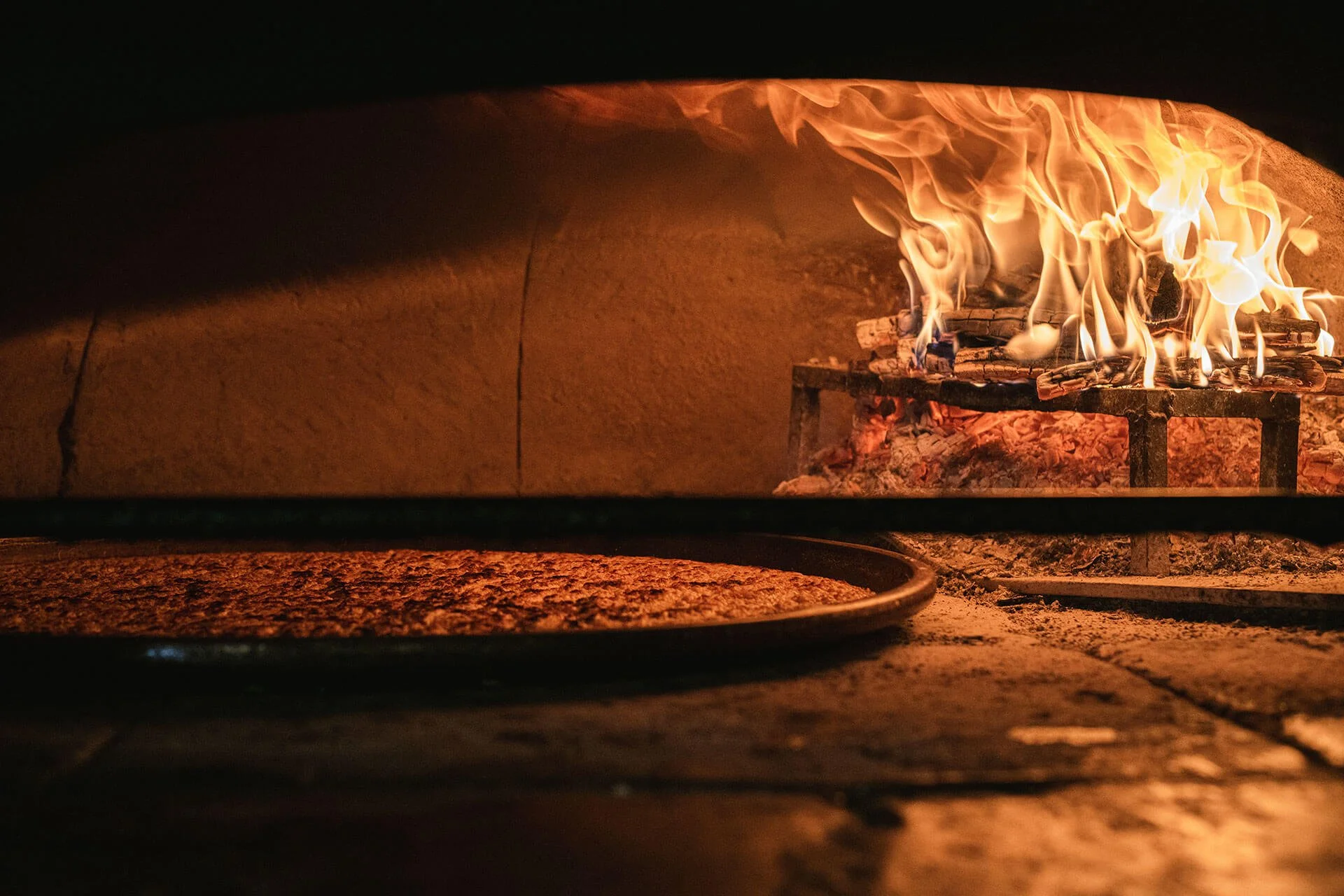
Quite possibly the finest socca in Nice, Chez Pipo has served this Niçoise classic for generations. Socca, for the uninitiated, is a thin savoury pancake made from chickpea flour, water, olive oil, and salt. Pipo’s socca is vastly superior due to its smooth, almost custardy interior, a beautifully blistered surface, and that unmistakable fire flavour. It is baked in a large wood-fired brick oven, served fresh, and never reheated, which is more than can be said for many places in town.
The menu is concise and largely centred on socca, served plain or, later in the day, with a handful of toppings. After 6 pm, versions with scallions, marinated peppers, aubergine, semi-dried tomatoes, or anchovies appear. Chez Pipo also serves a comforting soupe au pistou and a very good pissaladière, the Provençal flatbread topped with slow-cooked onions, often seasoned with thyme and finished with anchovies and black olives. It is widely sold cold around Nice, but is infinitely better warm.
We first came here in 2017, on the recommendation of our hotel’s front desk, who also warned us that the surrounding area was a little rough around the edges. Nine years later, the neighbourhood has changed noticeably, with restaurants, bars, and small shops bringing new life to the streets around the port.
A brief historical note:
Socca is part of a wider family of chickpea flatbreads found across the Mediterranean. Its closest cousin is farinata, still eaten along the Ligurian coast around Genoa, where the dish is thought to have originated in the 13th century. By the 18th and 19th centuries, socca had become firmly established as a street food in Nice, traditionally baked in wood-fired ovens and sold in markets, often cooked in large copper pans. Today, it remains one of the clearest edible symbols of Niçoise identity.
Chickpea flour has been utilised since antiquity, notably by seafarers and military personnel due to its affordability, nutritional value, and ease of storage. According to legend, Cecina was accidentally created when a barrel of chickpea flour mixed with seawater during a storm. Driven by hunger, sailors prepared the mixture, which resulted in a flat, golden pancake.
Chickpea flour itself has a long history, valued since antiquity for being inexpensive, nutritious, and easy to store. One popular legend claims that farinata was born at sea when chickpea flour accidentally mixed with seawater during a storm. Hungry sailors cooked the paste and discovered that it set into a golden, deeply satisfying pancake. Whether true or not, the story suits the dish perfectly.
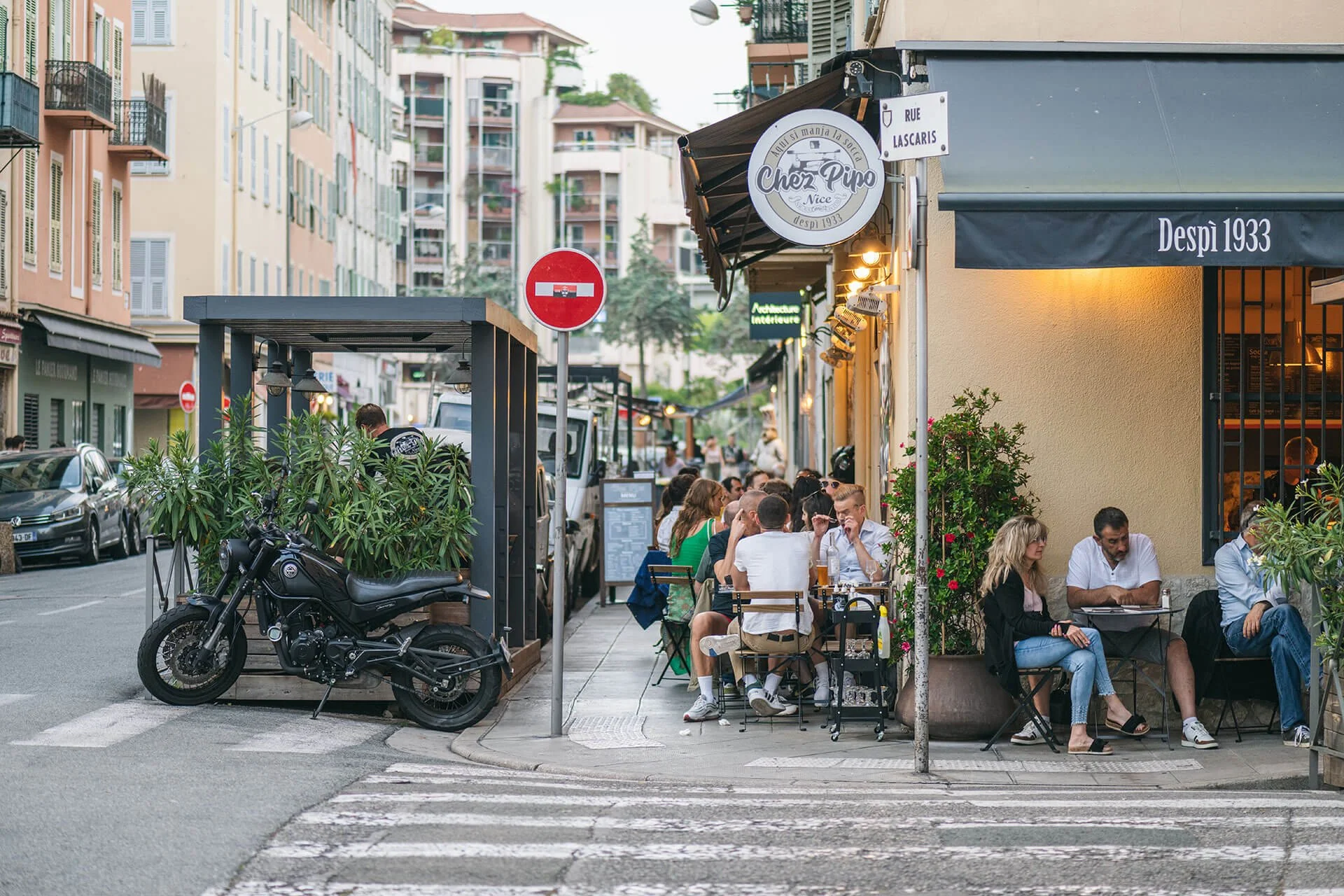
Chez Pipo makes an excellent stop before heading to Fanfan & Loulou, just around the corner, for delicious natural wine.
Chez Pipo
+33 49 355 8882
13 rue Bavastro, 06300 Nice, France
www.chezpipo.fr