
Tenryū-ji Temple UNESCO World Heritage
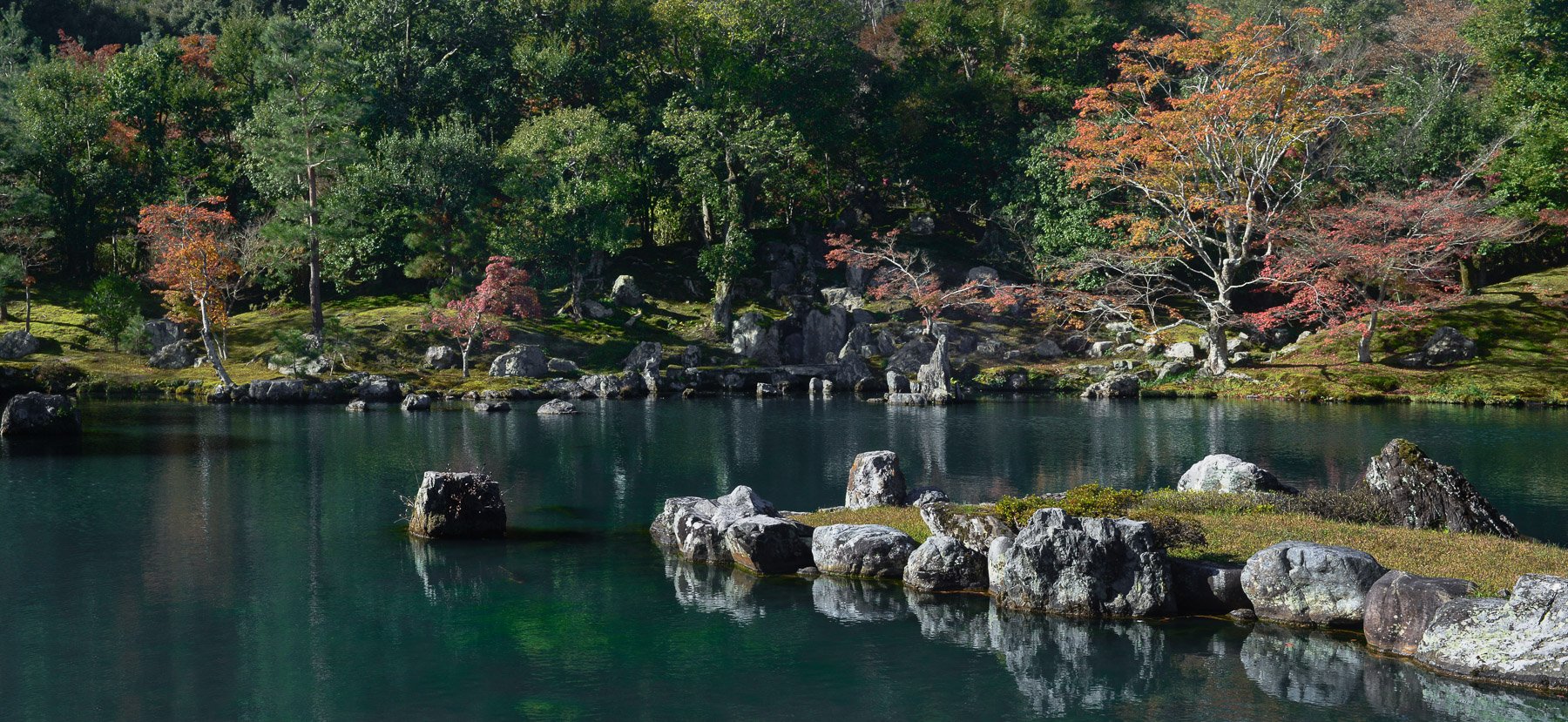
Sogenchi Teien (Sogen Pond Garden)
Built in 1339 by the ruling shōgun of the time, Ashikaga Takauji, Tenryū-ji Temple in Kyoto is another gem in the city’s crown of historic landmarks. It was established to honour Emperor Go-Daigo, and today it stands as the head temple of the Tenryū branch of Rinzai Zen Buddhism. It’s not only important spiritually, but also historically: Tenryū-ji ranks first among Kyoto’s Five Great Zen Temples and has been listed as a UNESCO World Heritage Site since 1994.
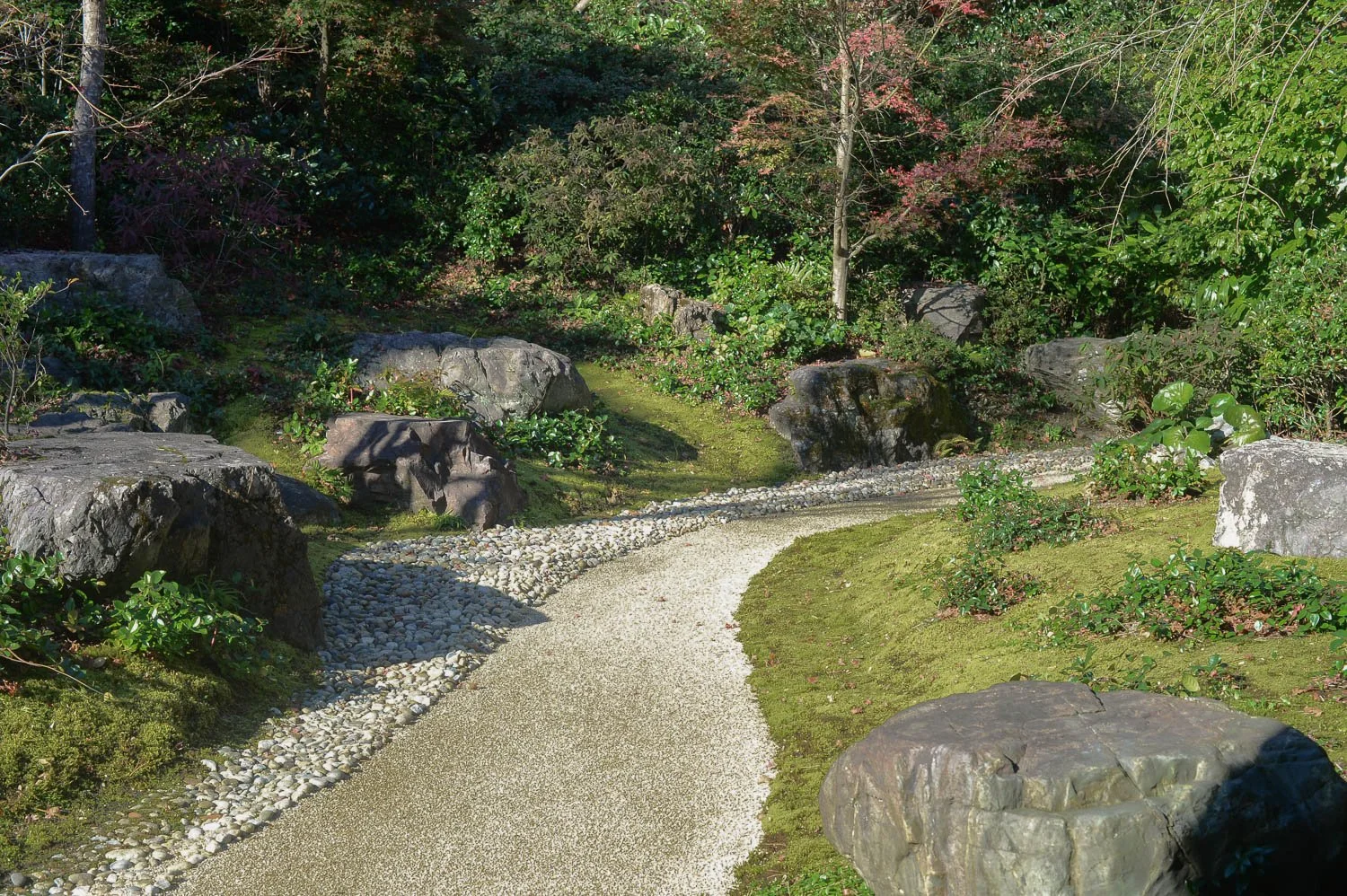
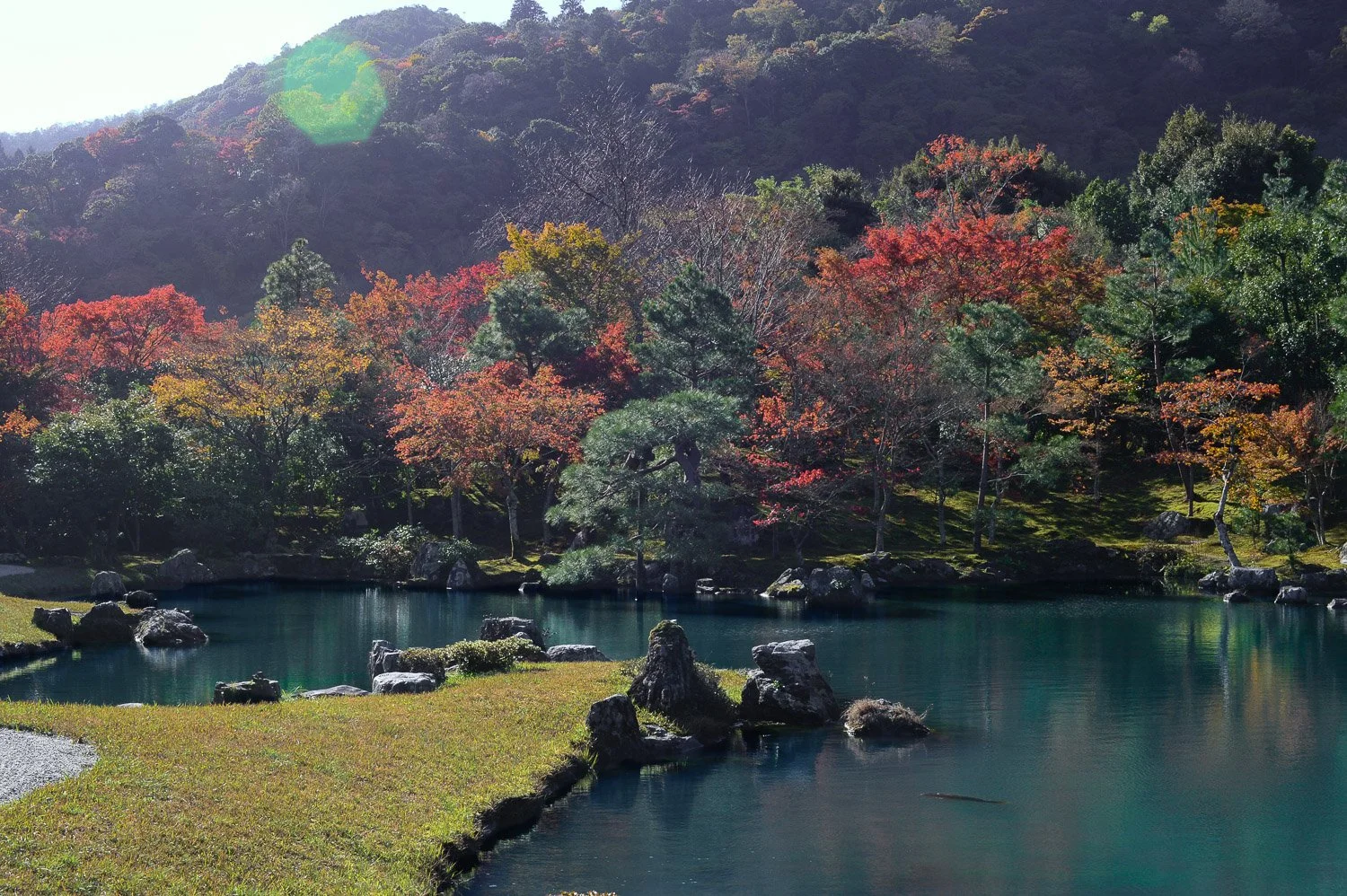
The temple’s famous Sōgenchi Teien garden was designed by the legendary Zen master and landscape artist Muso Soseki, who also created the fabulous moss garden at Kokedera (Moss Temple). The garden at Tenryū-ji has indeed survived largely in its original layout from the 14th century, but not completely untouched — it has been carefully maintained and restored over the centuries, making it one of the most authentic examples of Zen garden design. Its hallmark is the use of shakkei (“borrowed scenery”), seamlessly incorporating the Arashiyama mountains into the backdrop of the pond and rock arrangements. It’s incredibly serene and perfectly balanced, even when the temple grounds are bustling with visitors.
Because Tenryū-ji is Arashiyama’s centrepiece, an extensive complex of temple halls, sub-temples, and landscaped gardens, we recommend the following itinerary when you’re exploring Arashiyama:
1. Bamboo Grove The iconic Arashiyama Bamboo Grove runs along the northern edge of Tenryū-ji. Early morning is the best time to visit if you want to avoid the crowds and enjoy the surreal, almost otherworldly atmosphere. The path is short but memorable, and it connects neatly to both Tenryū-ji’s grounds and Ōkōchi Sanso Garden.
2. Ōkōchi Sanso Garden Just beyond the bamboo grove lies Ōkōchi Sanso, the former villa of film star Ōkōchi Denjirō. This 20th-century garden offers a leisurely stroll, contrasting with the contemplative pond at Tenryū-ji. Expect winding paths, tea houses, and panoramic views over Kyoto city, the Hozu River, and Mt. Hiei. The entry fee includes a serving of matcha tea and a sweet treat, providing a lovely pause in your walk.
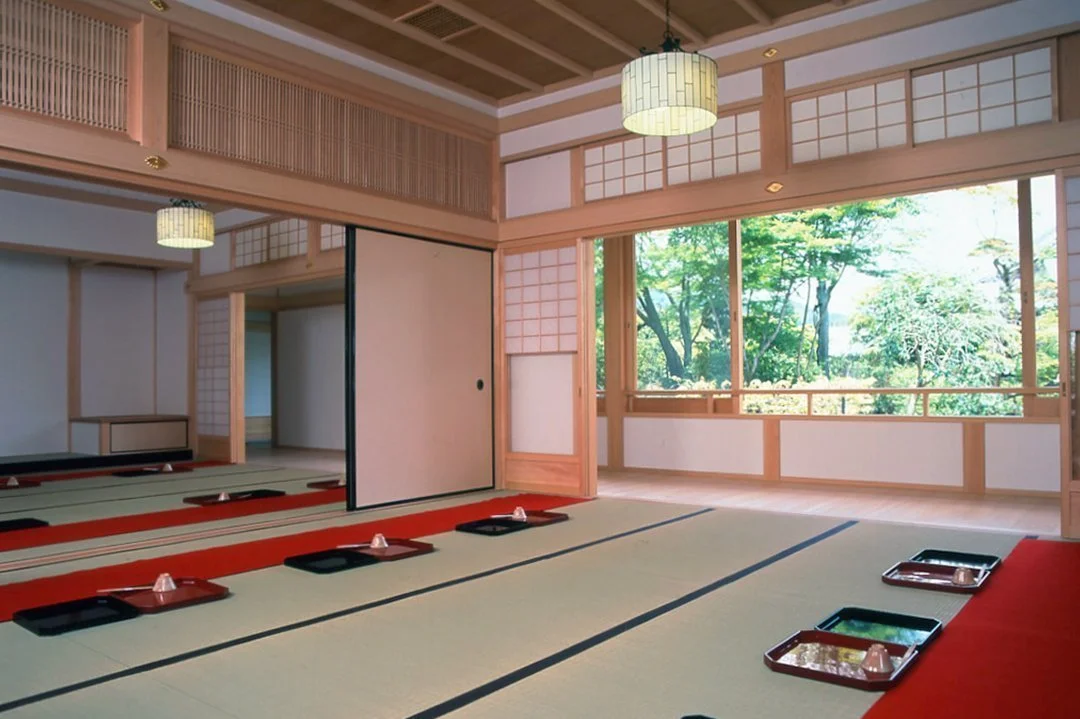
3. Tenryū-ji Temple (天龍寺) Set aside time to explore the temple grounds thoroughly. The main hall (Hojo) opens onto the garden through sliding doors, inviting you to sit quietly and take in the view. There are also smaller sub-temples within the complex that offer moments of calm away from the main path. Even if you’ve visited other temples, Tenryū-ji’s subtle harmony of garden, architecture, and mountain backdrop makes it a standout.
4. Shigetsu Vegetarian Restaurant @ Tenryū-ji Within Tenryū-ji, just to the south of the Sogen Pond, this is a highly regarded shōjin ryōri (Zen Buddhist vegetarian) restaurant. Meals here are prepared following centuries-old temple traditions — expect beautifully presented dishes featuring seasonal vegetables, tofu, and yuba (tofu skin) and even if you are not vegetarian, experiencing temple cuisine can be a delight. Reservations are essential. Walk-ins are firmly turned away.
Note: If you weren’t able to secure a reservation at Shigetsu, don’t worry—there are plenty of options nearby. Arashiyama is well-known for its tofu-based cuisine, but you can also find casual cafés and restaurants serving soba, tempura, and local sweets.
Why Visit Early in Your Kyoto Trip?
Kyoto has a way of overwhelming visitors with its sheer number of temples. After a few days, it’s easy to get “templed-out.” That’s why we suggest visiting Tenryū-ji early in your stay. While it doesn’t dazzle with gold leaf like Kinkaku-ji, it dominates the hillside like Kiyomizu-dera. Tenryū-ji’s beauty lies in its quiet subtleties — the garden’s timeless design, the interplay of light on the pond, and the borrowed backdrop of the mountains. These are details that deserve fresh eyes and a calm mind.
Best time to visit: Morning, especially in spring for cherry blossoms or in autumn for fiery maple leaves.
Best photo spots: Bamboo grove (early!), Ōkōchi Sanso’s lookout, Tenryū-ji’s pond garden, and Togetsukyo Bridge.
天龍寺 Tenryū-ji Temple
 68 Sagatenryuji Susukinobabacho, Ukyo Ward, Kyōto 616-8385, Japan
www.tenryuji.com