
Fernand Léger Museum, Colour and Modernism on the Côte d’Azur
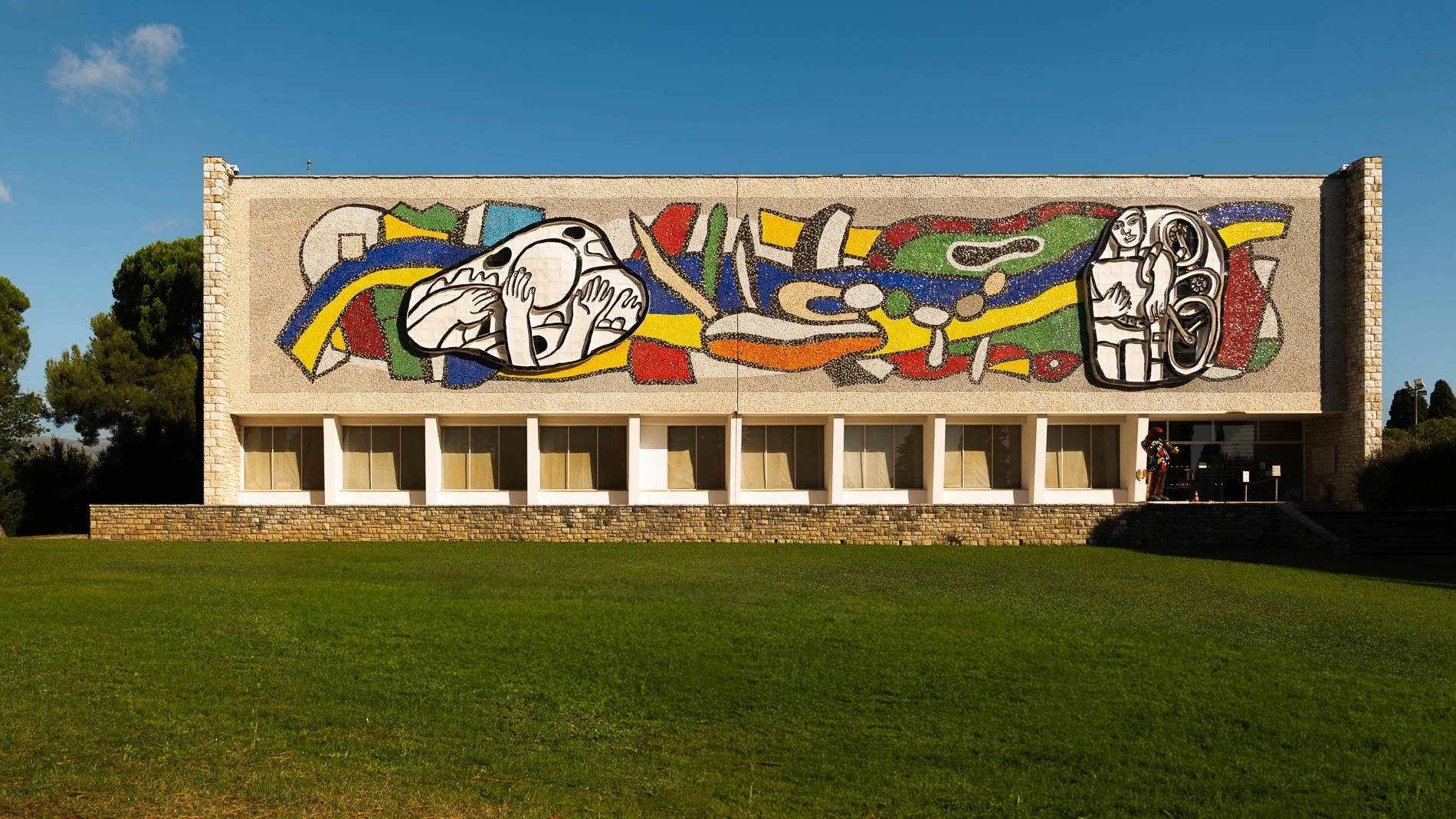
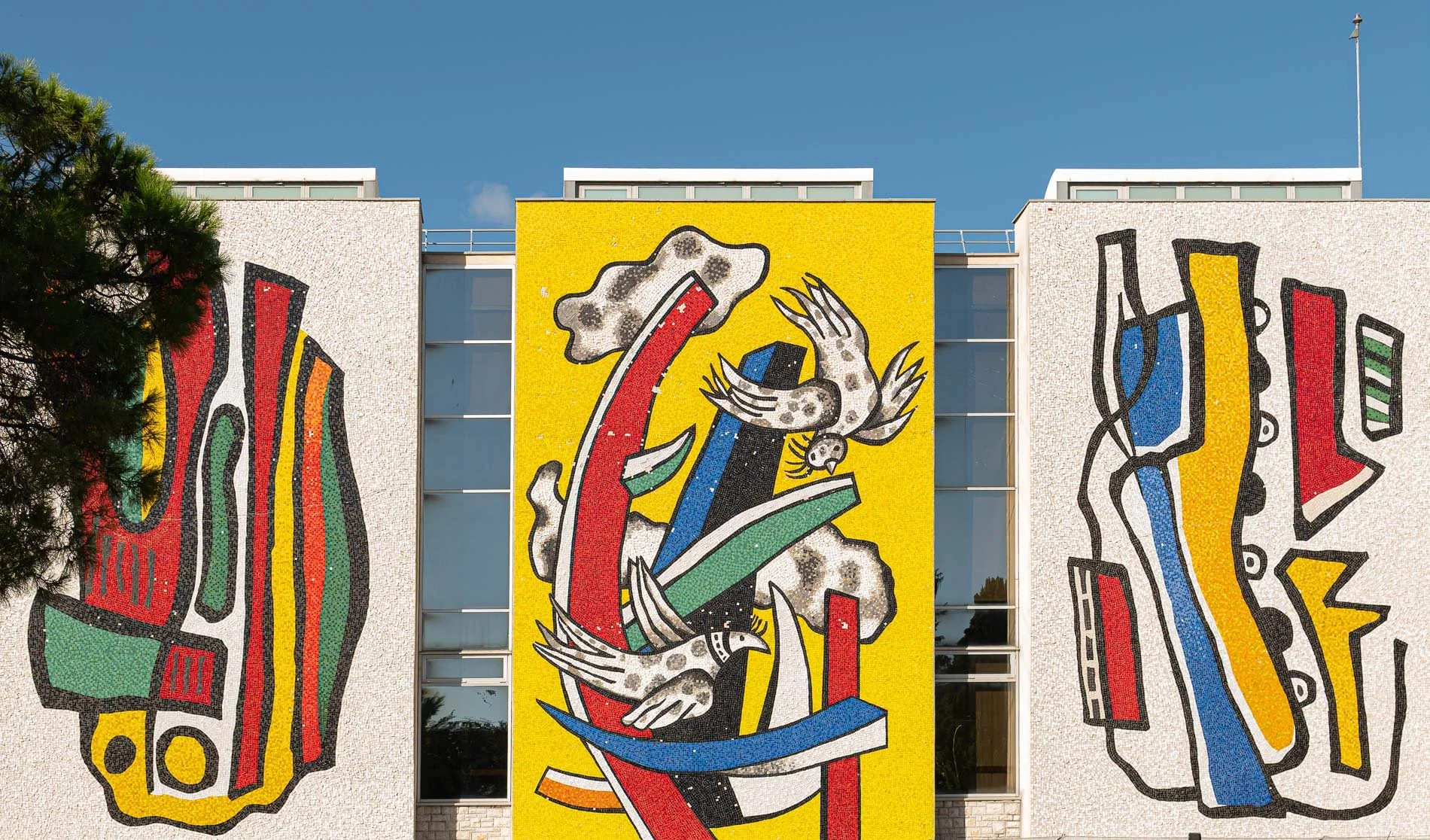
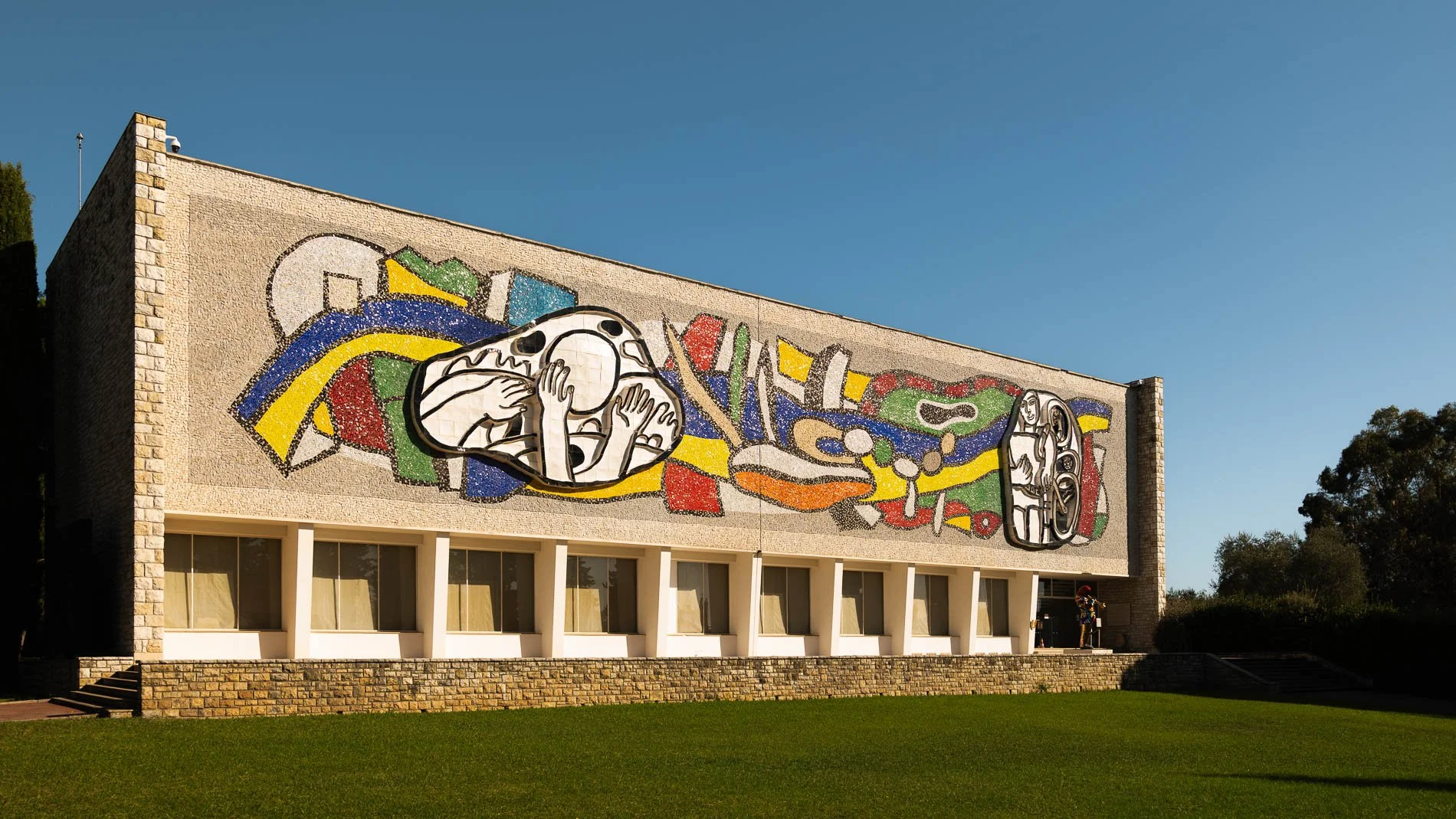
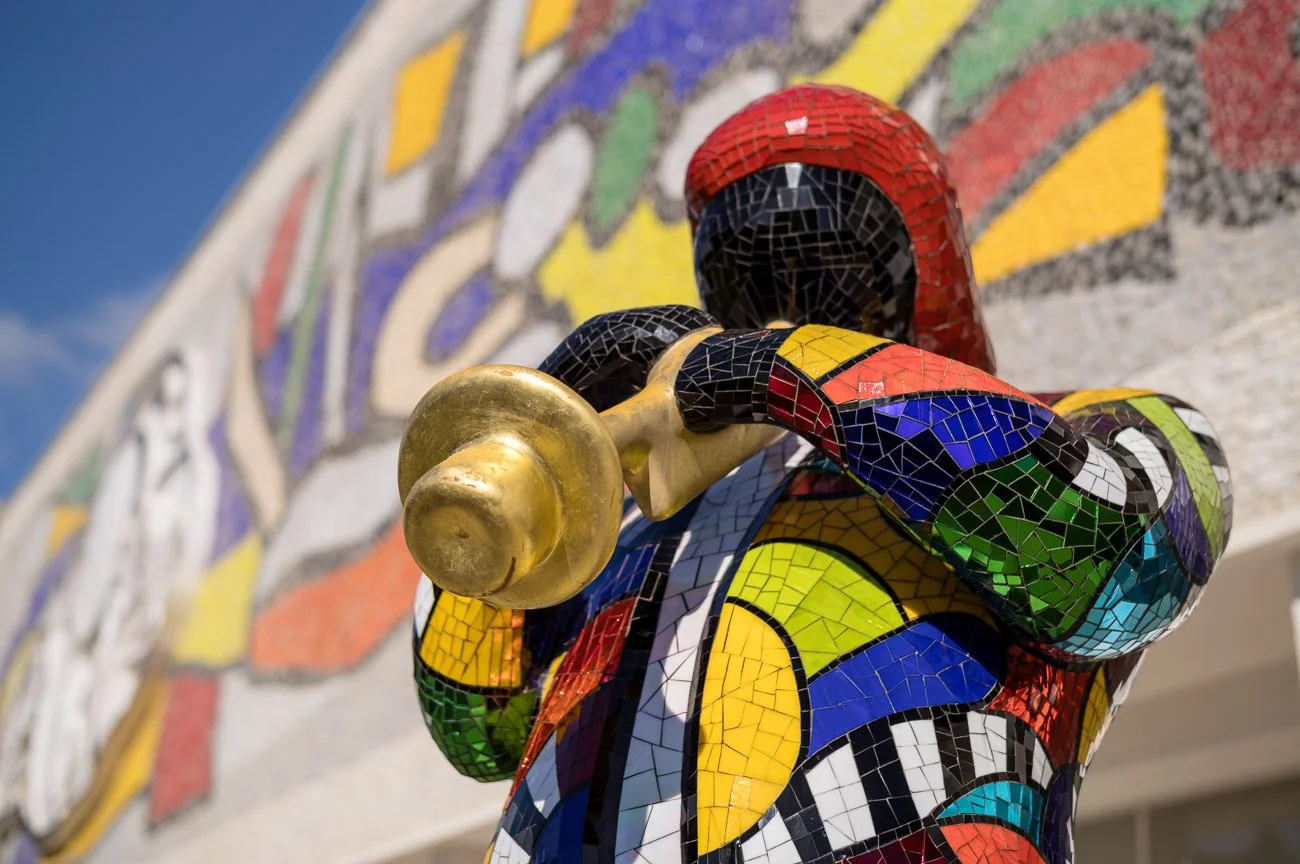
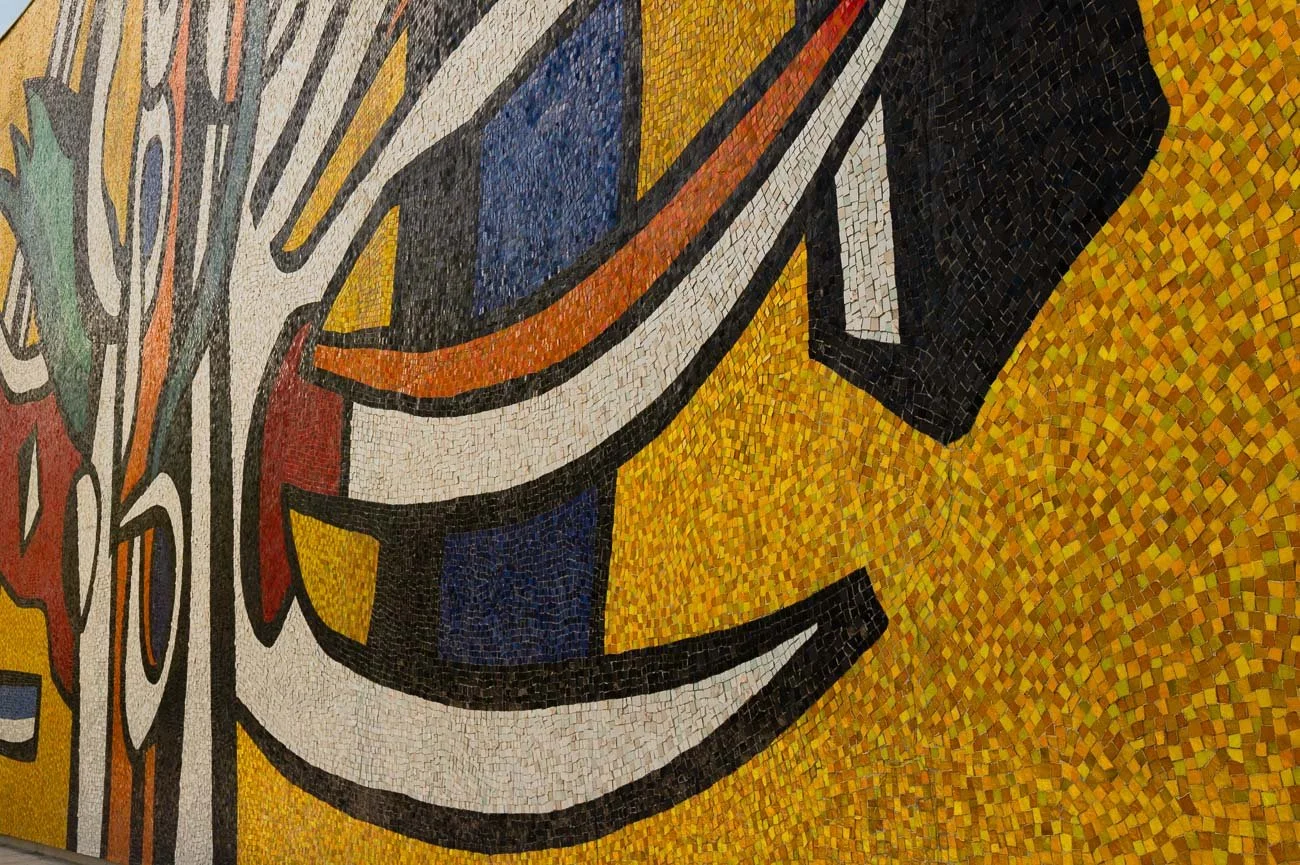
This striking modernist building was the first monographic museum in France to be housed in architecture specifically designed to showcase a single artist’s work. Yet the museum itself is part of the collection. As you arrive, you are immediately confronted by a massive, colourful mosaic that acts almost as the building's own masterpiece.
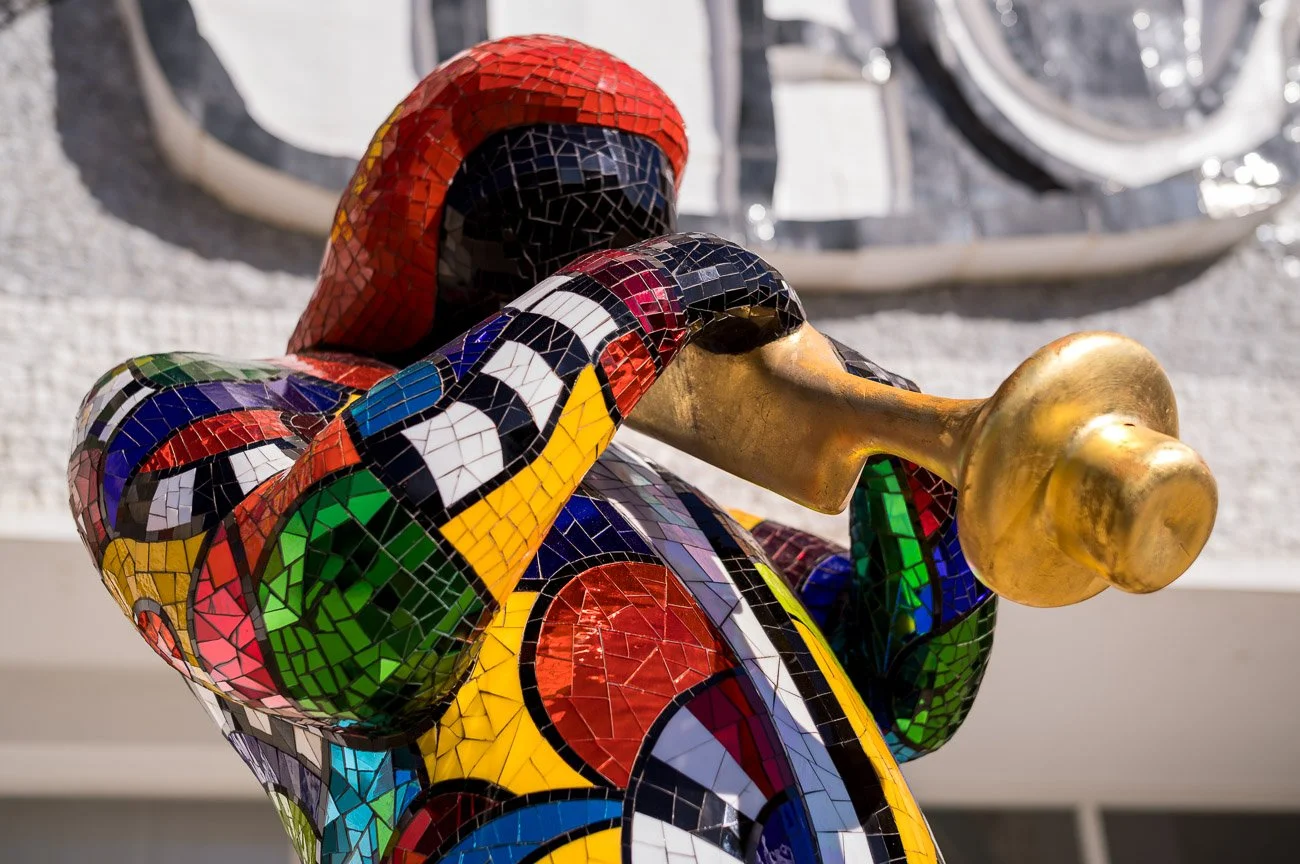
Approaching the entrance, you are welcomed by a KiKi de Montparnasse mosaic sculpture that pays tribute to Léger. It is a joyful, vibrant celebration of colour and form right from the moment you see its exterior. From the first glance, you are enveloped in this joyful celebration of colour, form and movement.
The museum is set within a Mediterranean garden near the historic village of Biot. Fernand Léger began returning to Biot regularly in 1949, drawn by the light and landscape of the region.
A brief historical note:
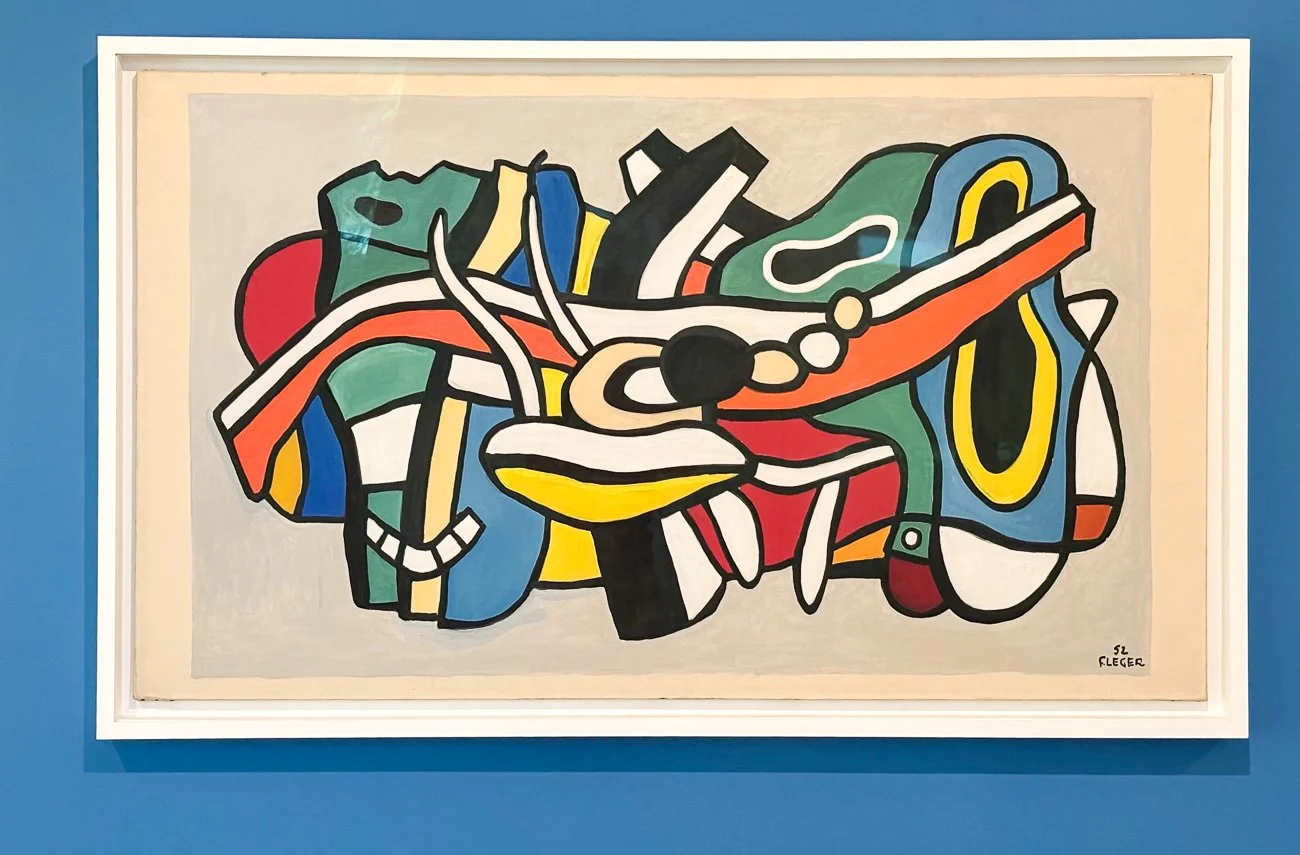
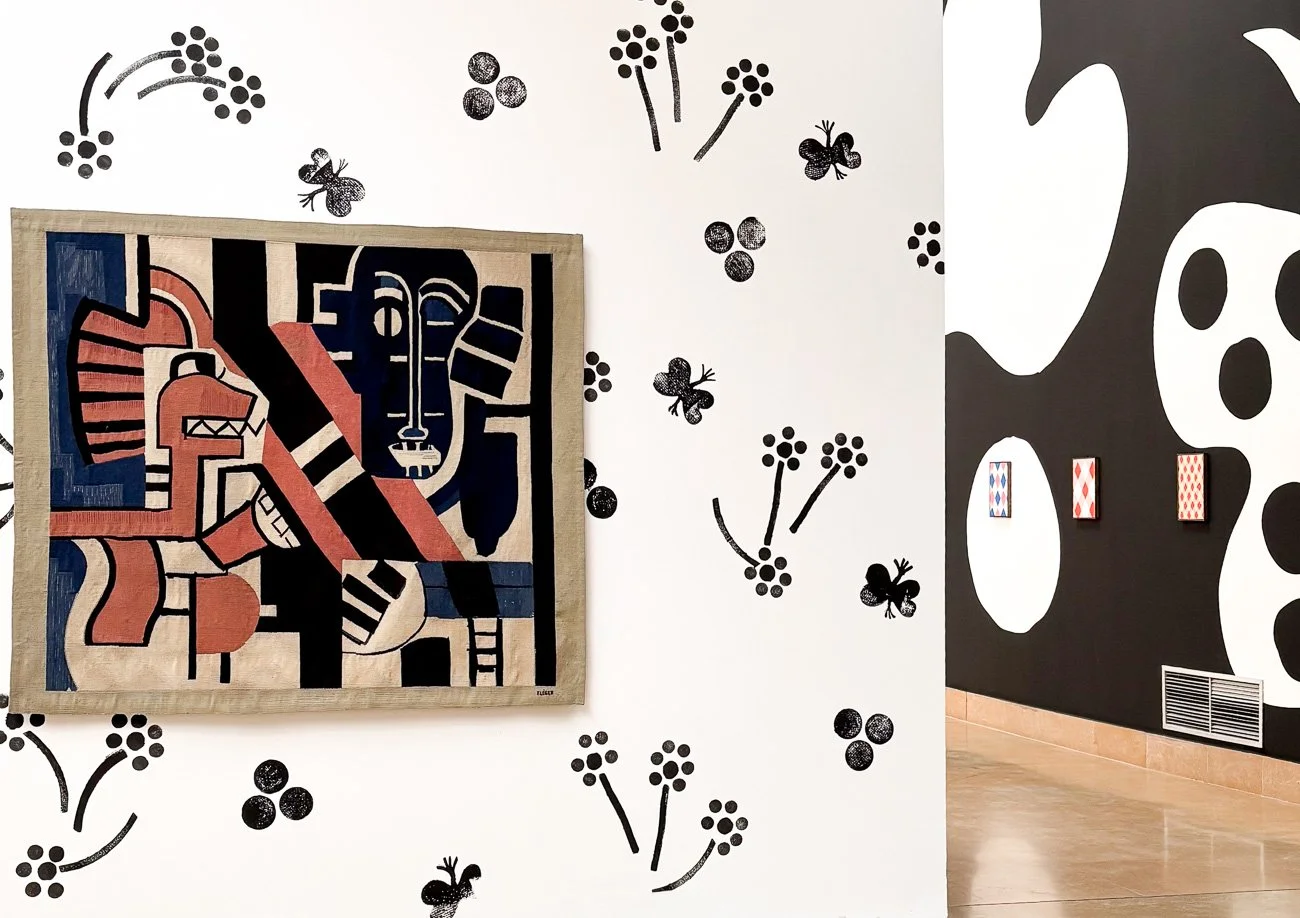
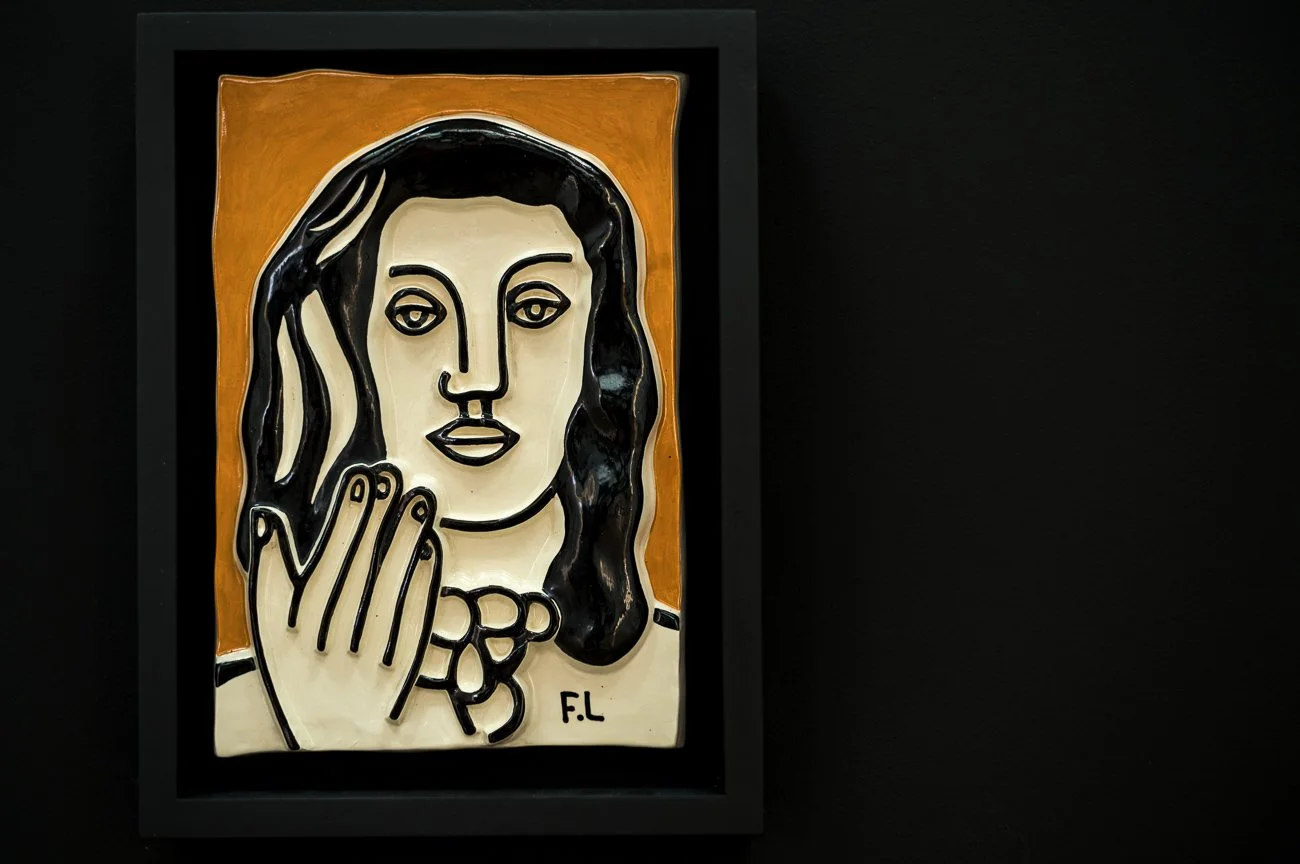
Joseph Fernand Henri Léger (1881–1955) was a painter, sculptor, and filmmaker born in Normandy. Initially trained as an architect, he became a major figure in modern art. Although often associated with Cubism, Léger developed a distinctive language of bold tubular forms, strong outlines, and primary colours. His work celebratedthe vitality of modern life, industrialisation, and urban culture.
Prior to his death on 17 August 1955, Fernand Léger envisioned a space that would bring art and daily life into closer dialogue, and he bought land beneath the village of Biot. Later, his widow Nadia Léger, along with his assistant and close friend Georges Bauquier, decided to create a museum in his memory.
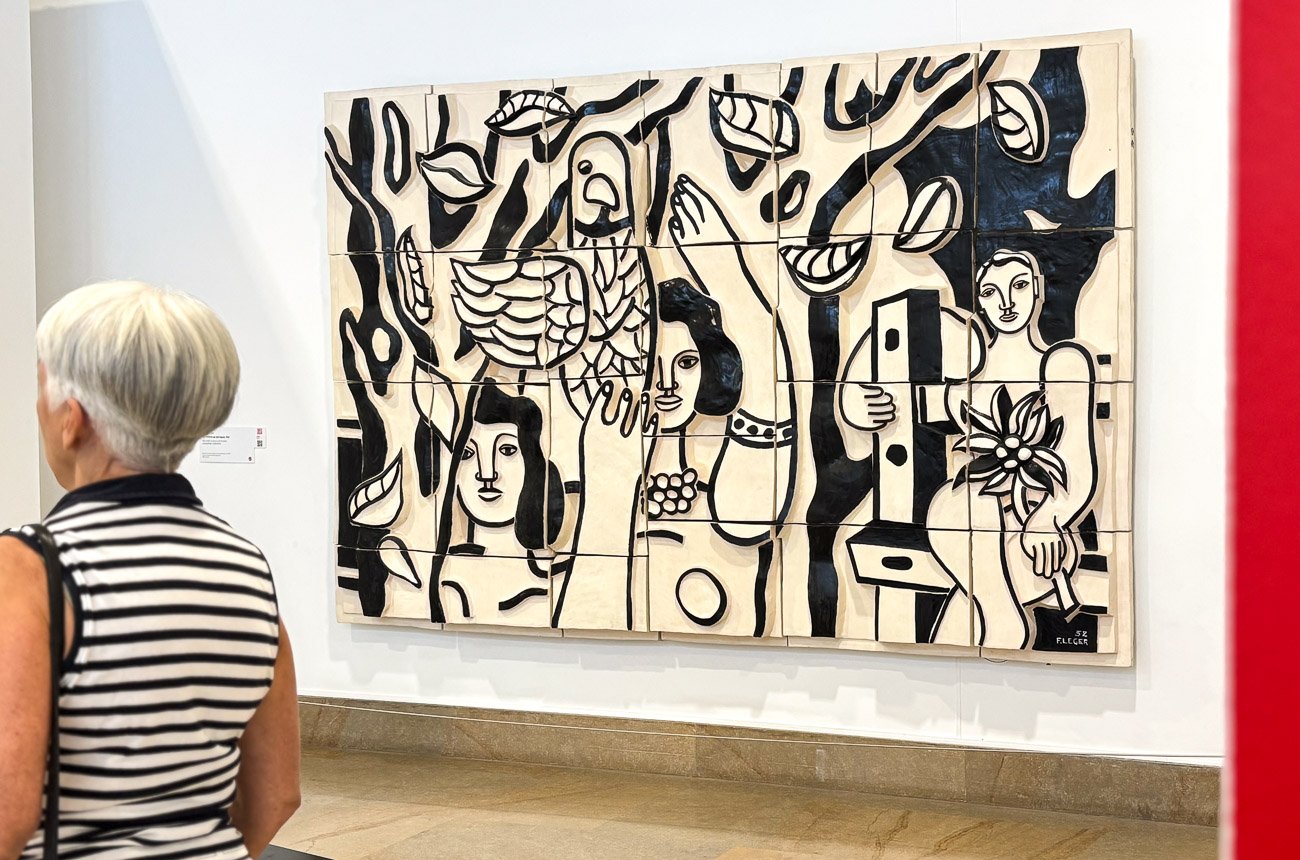
The design was entrusted to architect Andréï Svetchine, known for designing two villas for Marc Chagall in the region and for La Colombe d’Or. The resulting modernist building is distinguished by its striking polychrome mosaic façade and ceramic reliefs inspired by Léger’s original designs for the Vélodrome Stadium in Hanover, Germany, including two monumental ceramic bas-reliefs.
TIP: Plan your visit. The museum closes for lunch, but the garden remains open, making it an ideal moment for a discreet picnic while looking out toward the colossal mosaic.
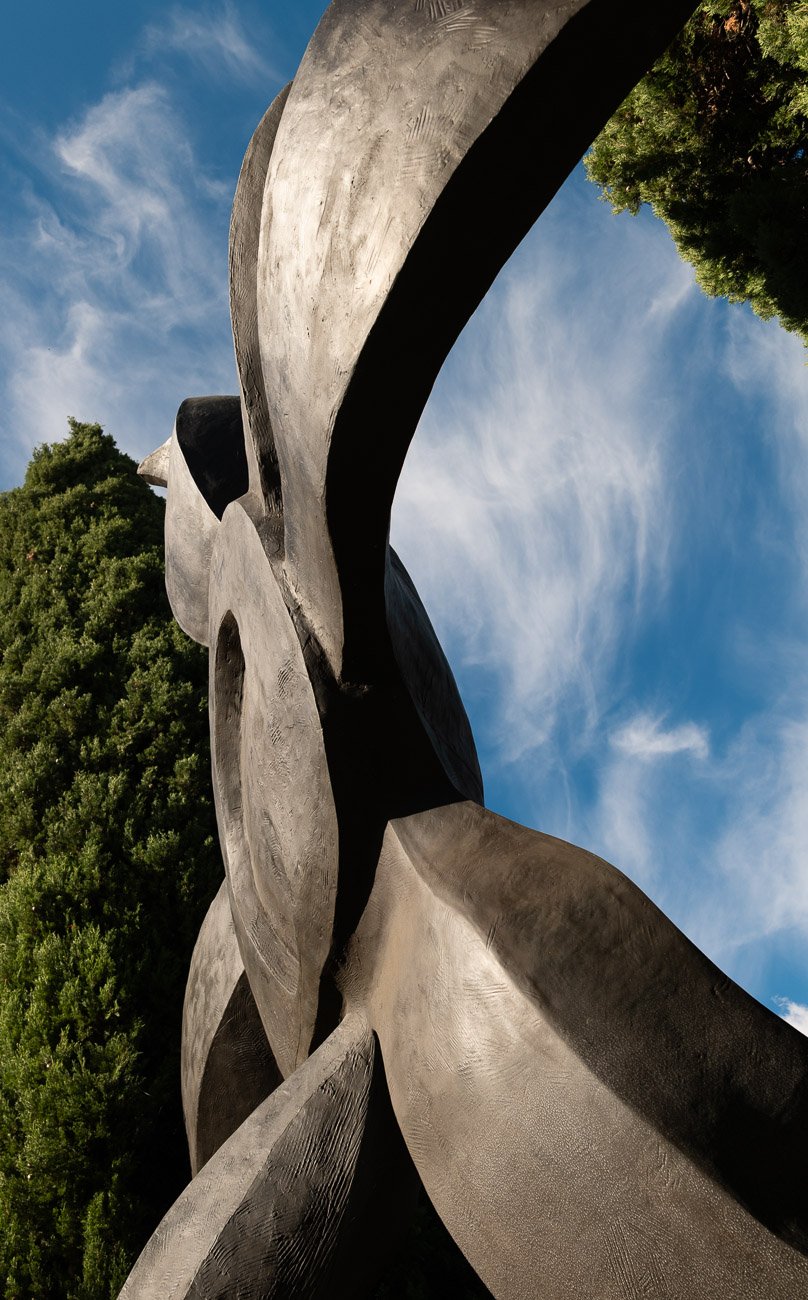
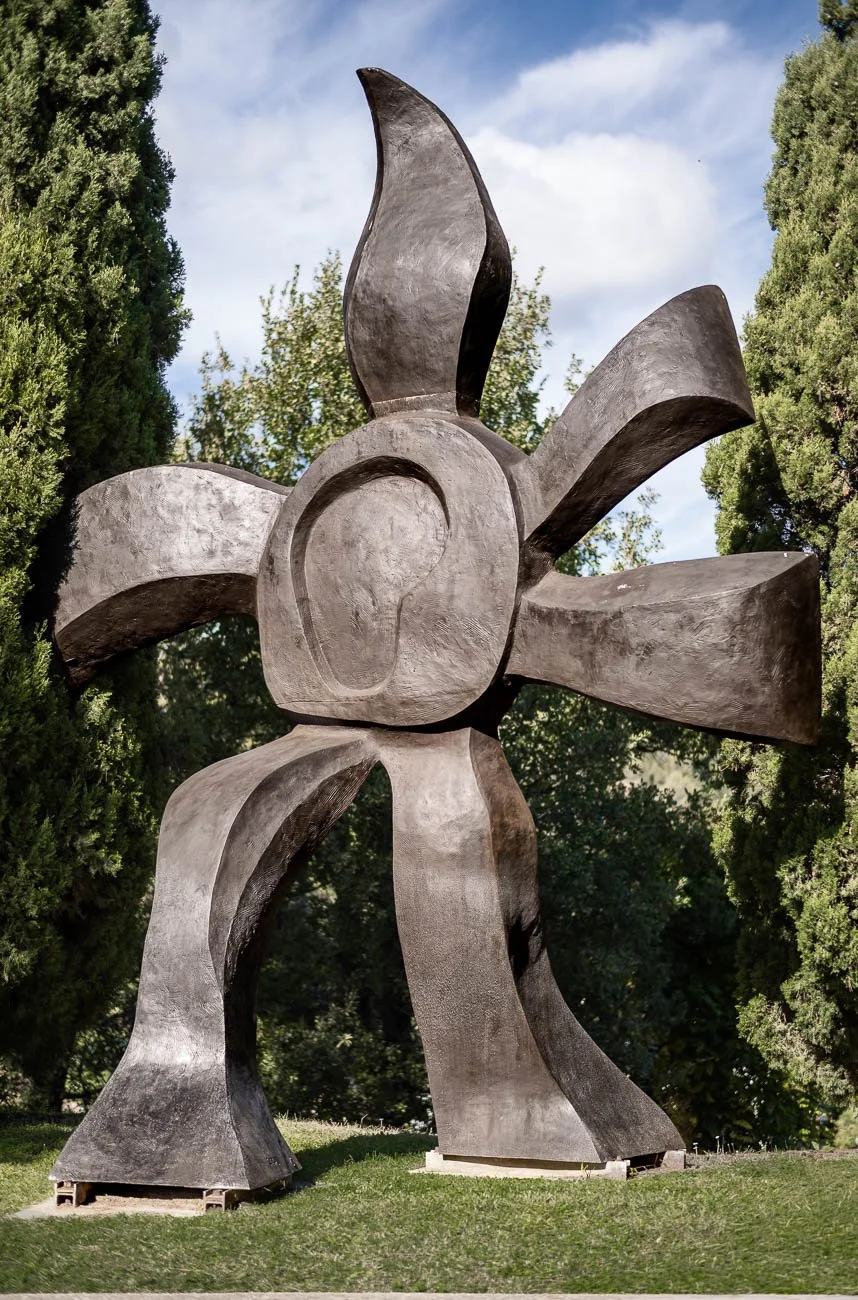
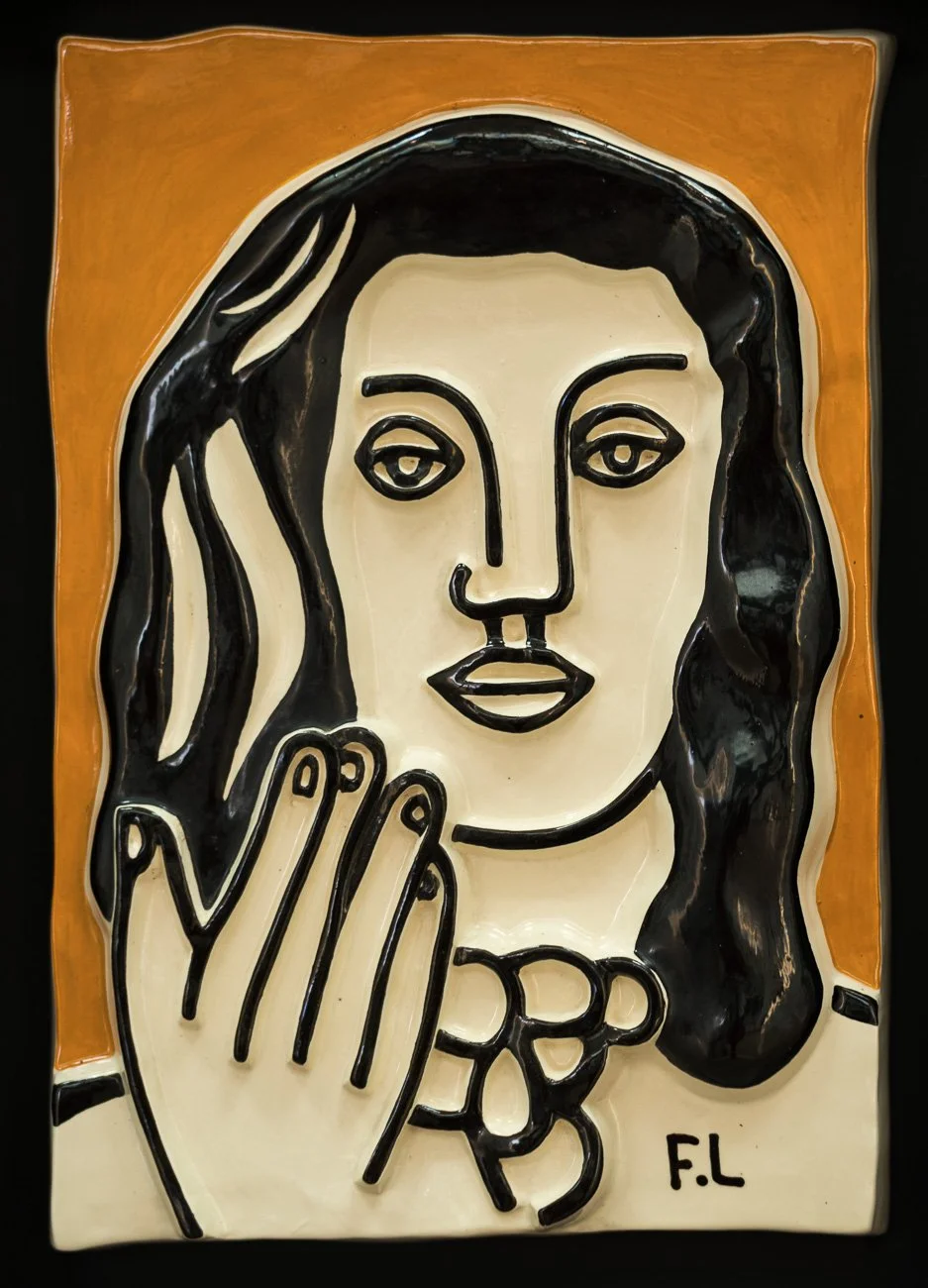
“Colour is a vital necessity. It is a raw material essential to life, like water and fire. Its action is not merely decorative; it is psychological. Linked to light, it becomes intensity; it becomes a social and human need." — Fernand Léger, 1954
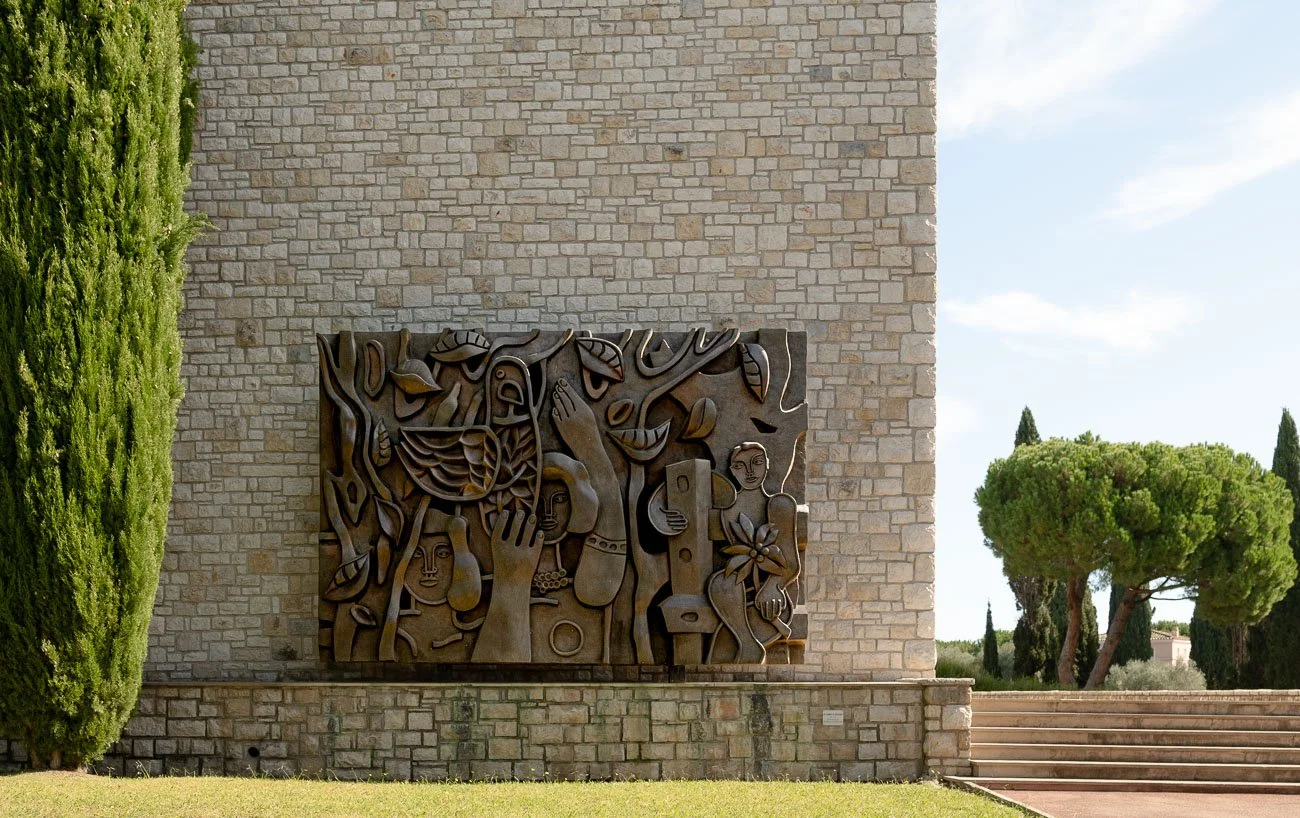
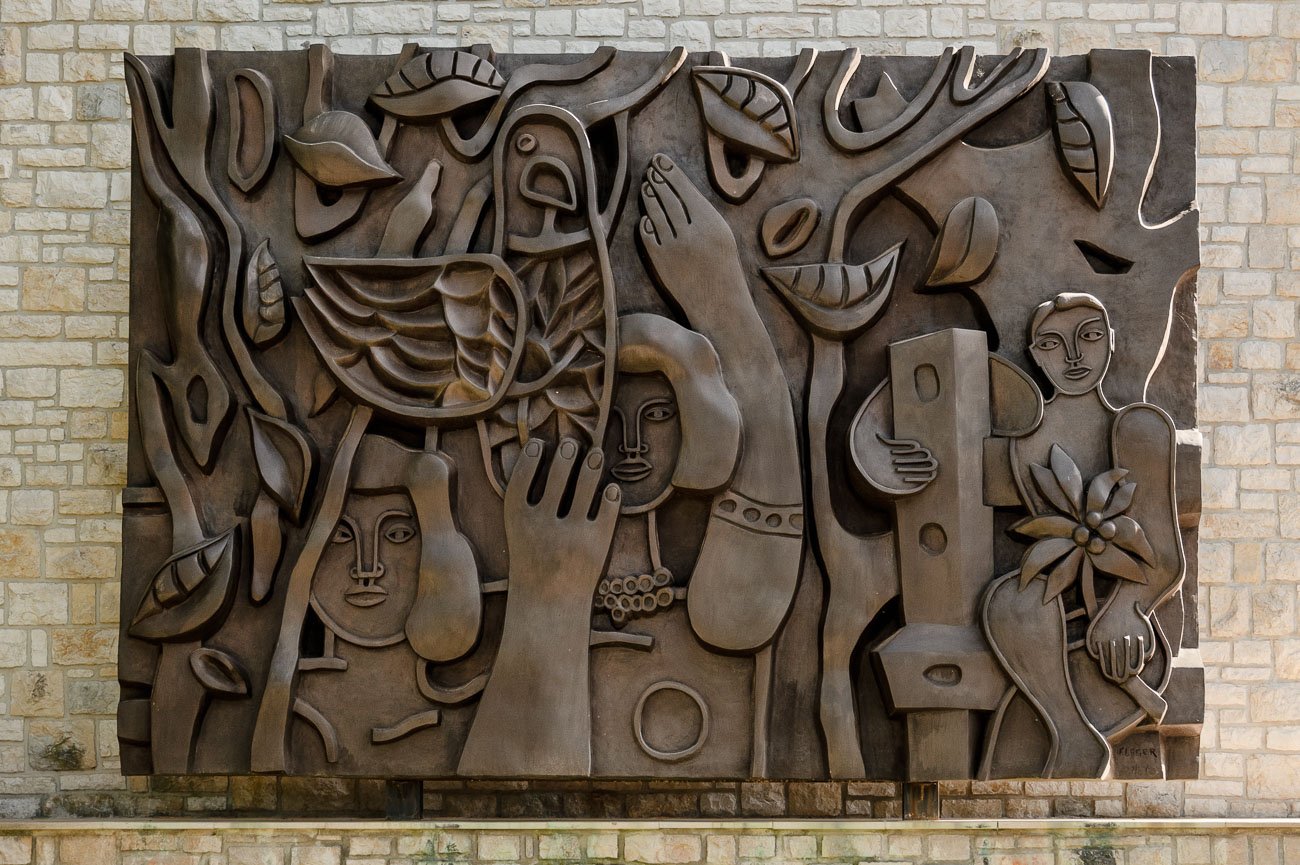
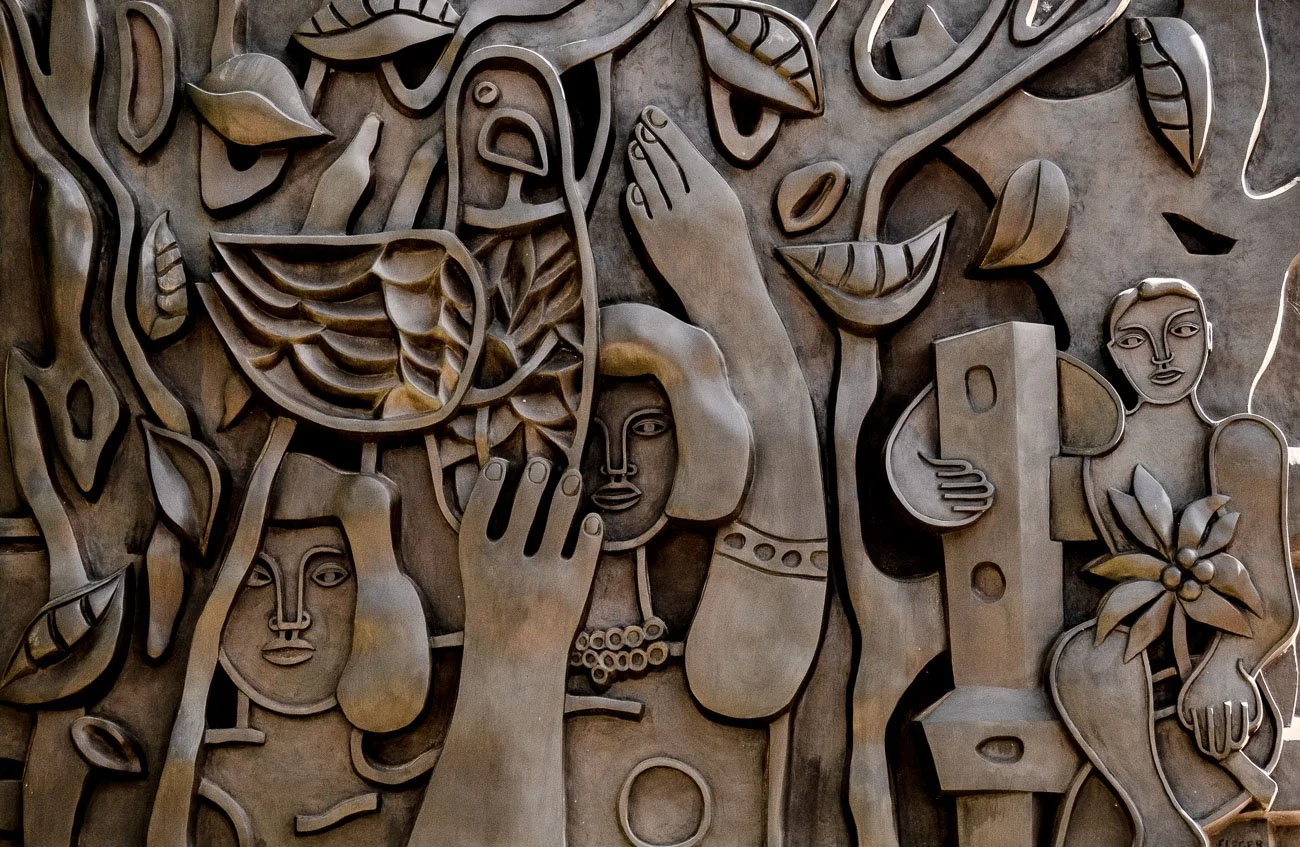
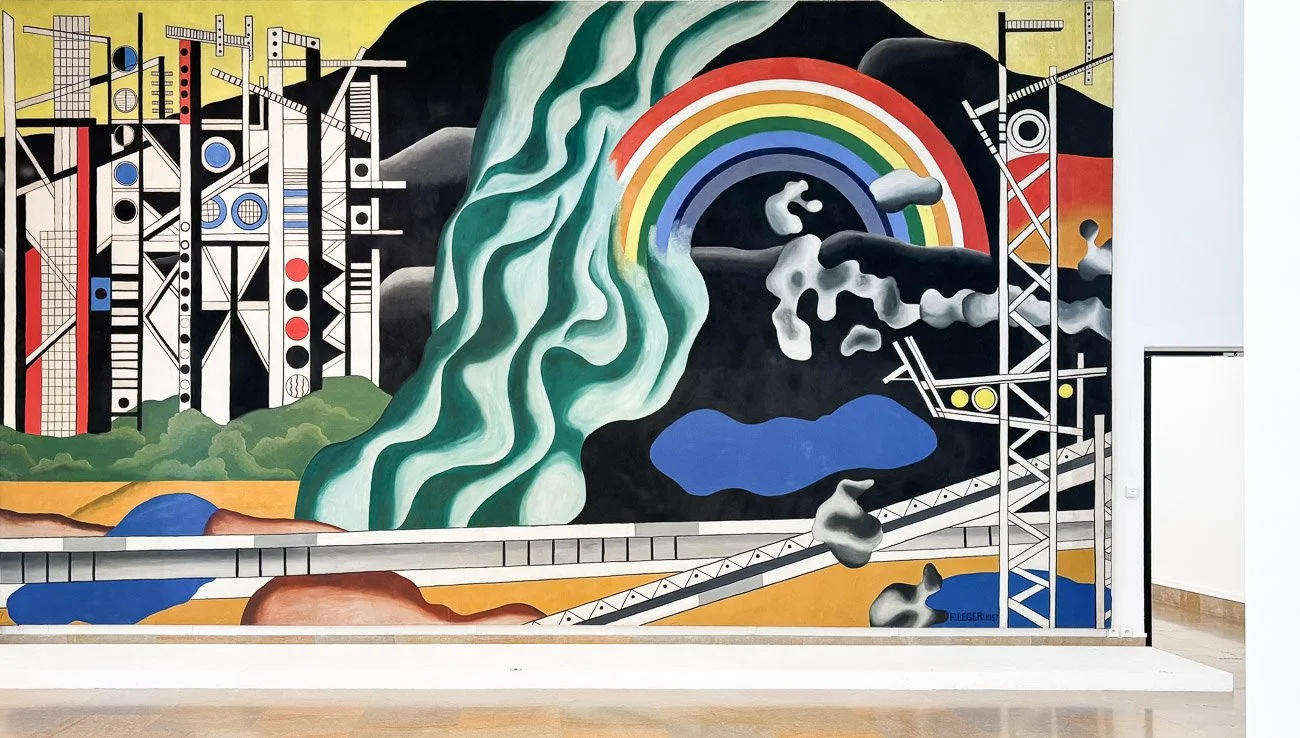
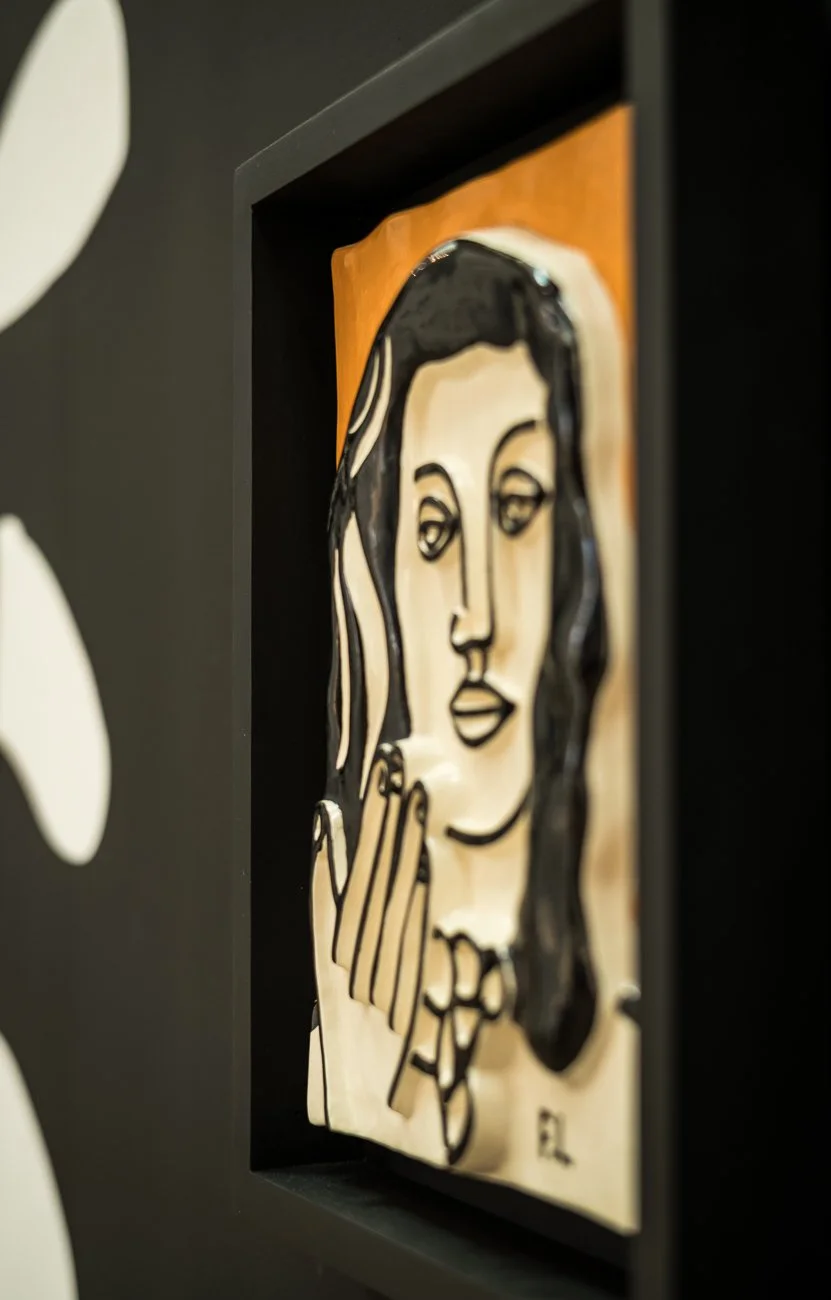
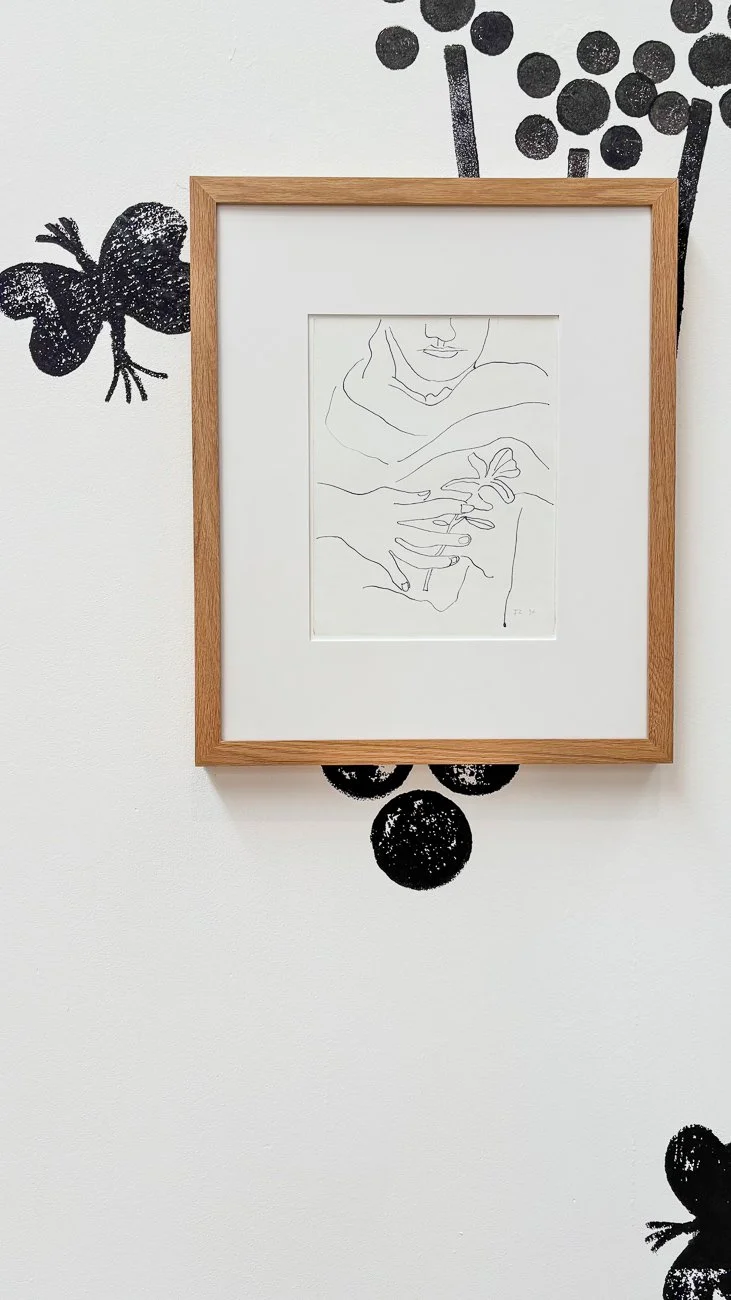
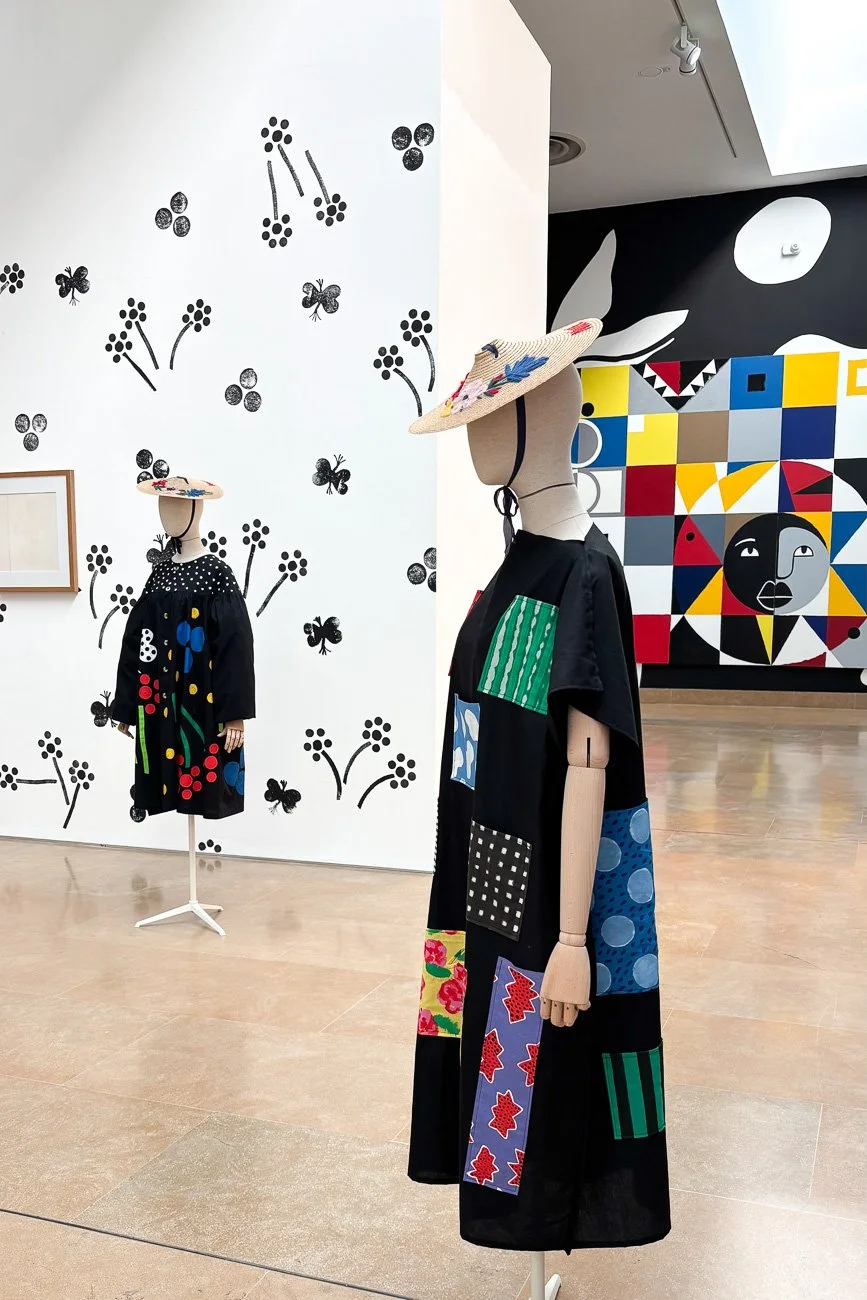
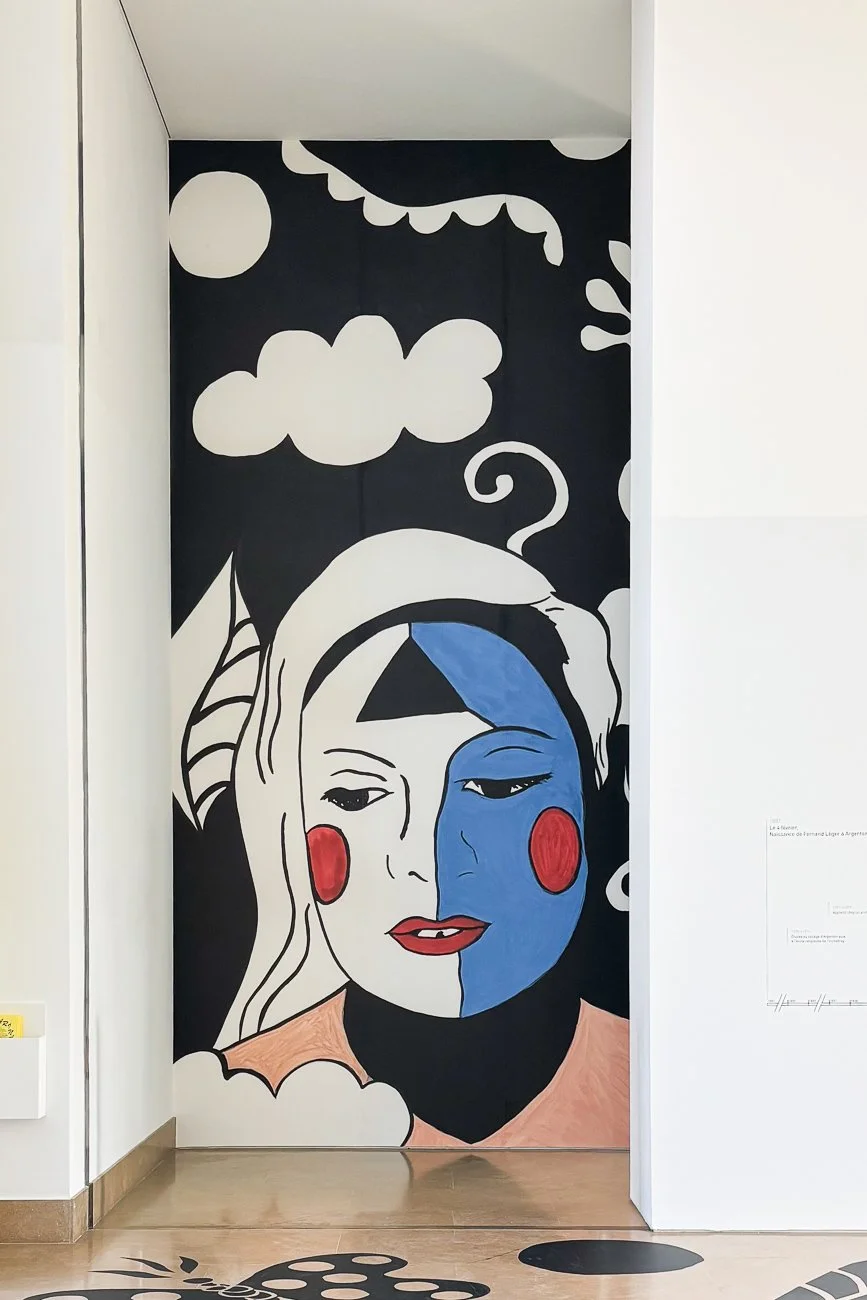
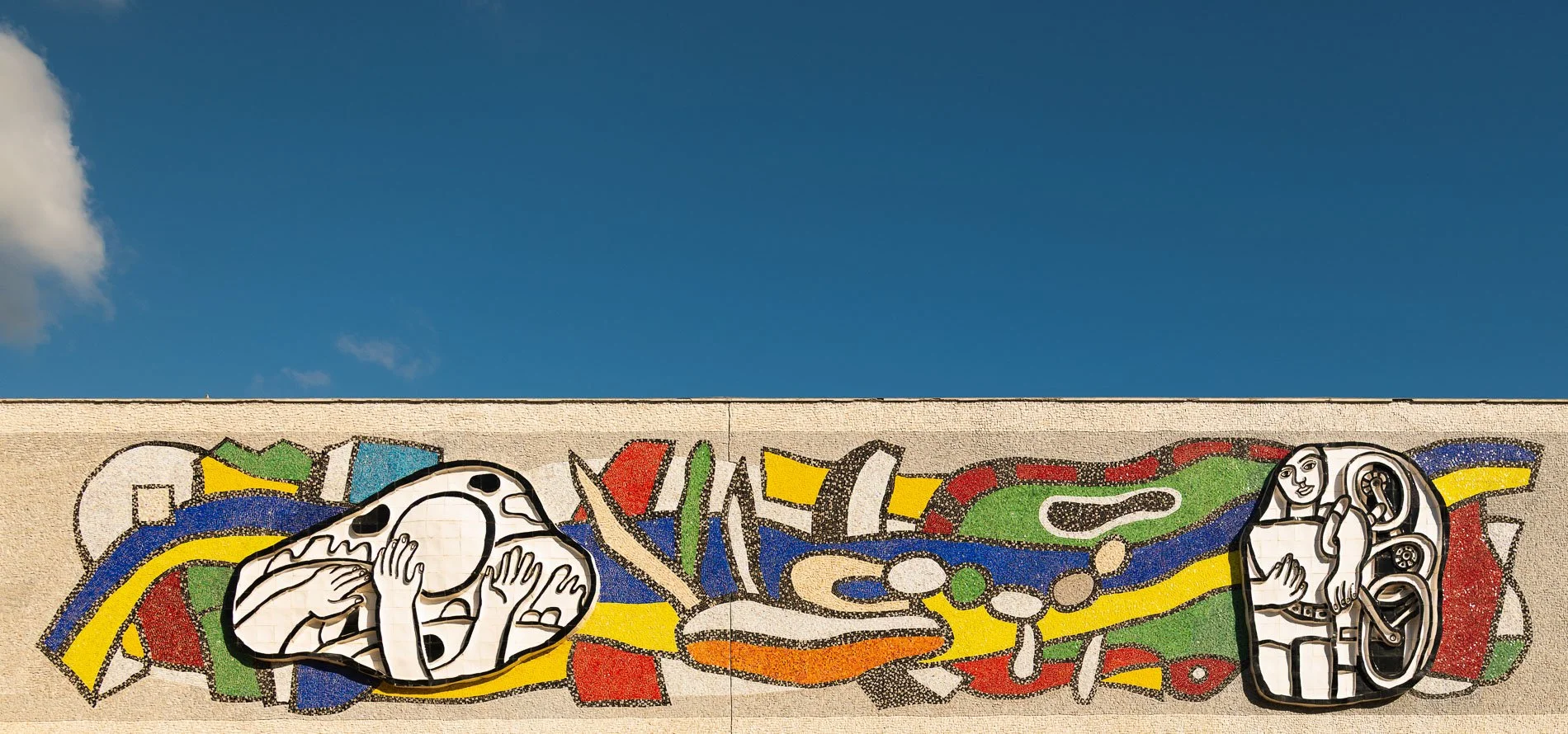
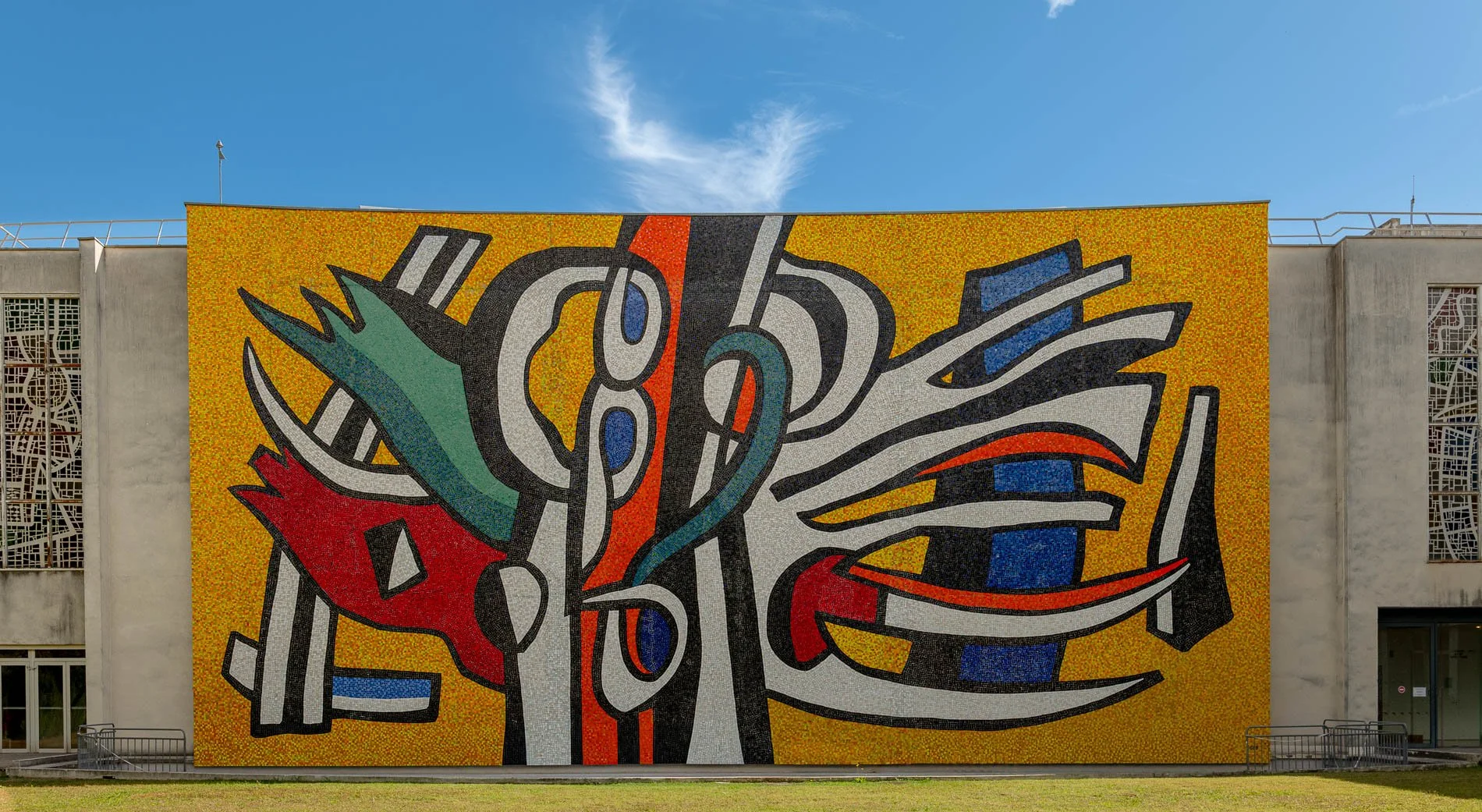
Composition murale
Fernand Léger National Museum
+33 49 353 8720
255 Chem. du Val de Pôme, 06410 Biot, France
www.musee-fernandleger.fr