
The Maeght Foundation and Its Exceptional and Unexpected Art Collection
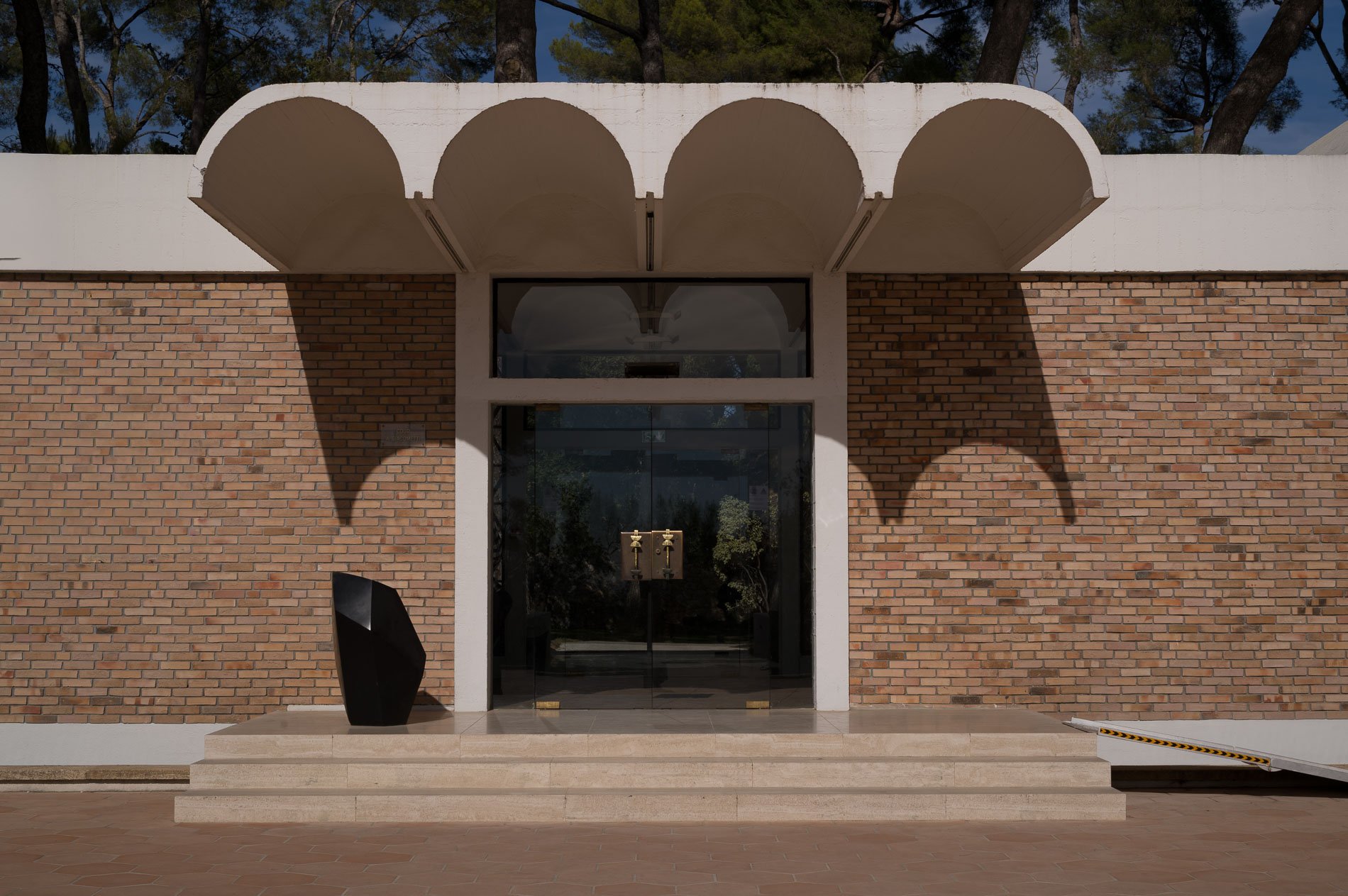
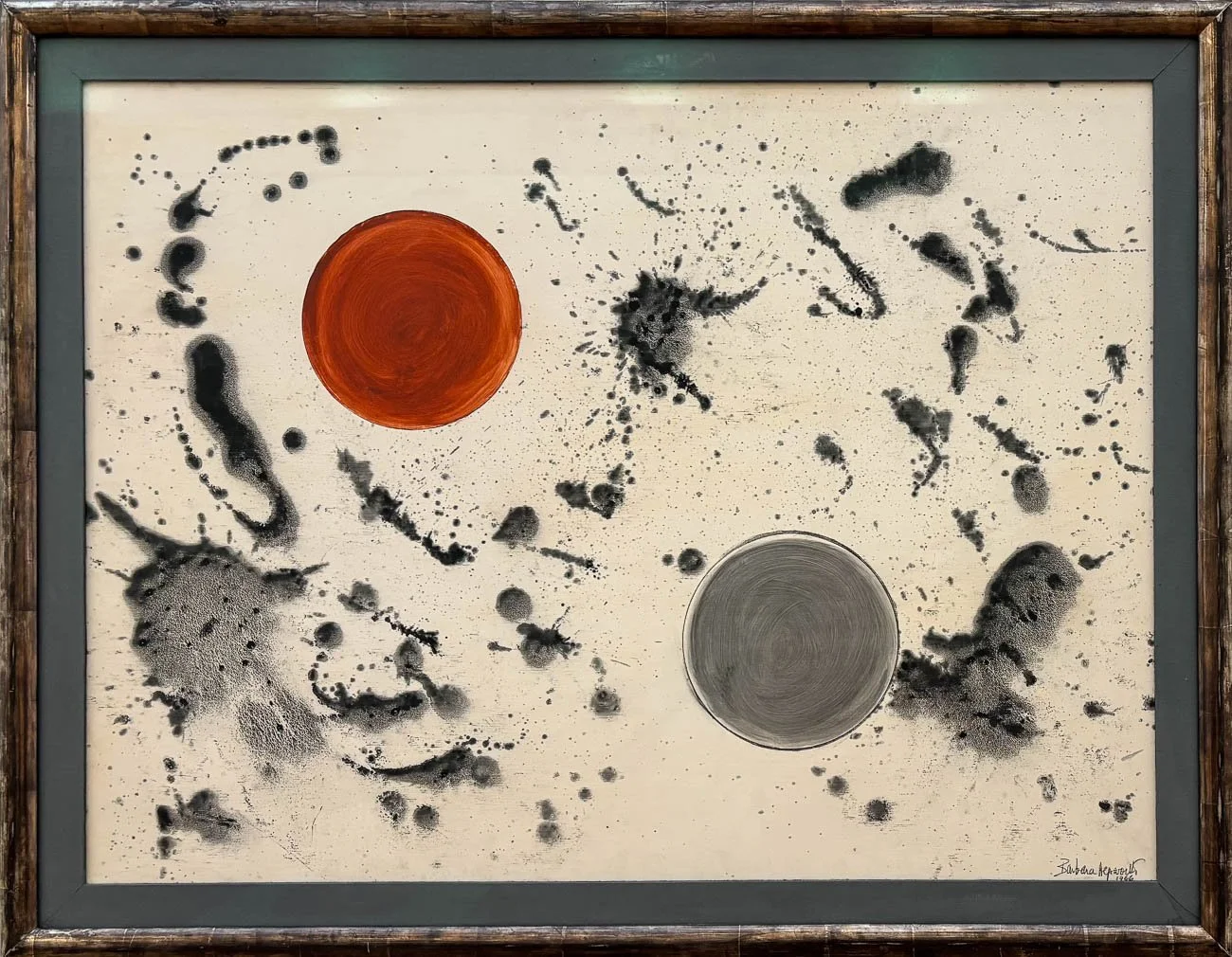
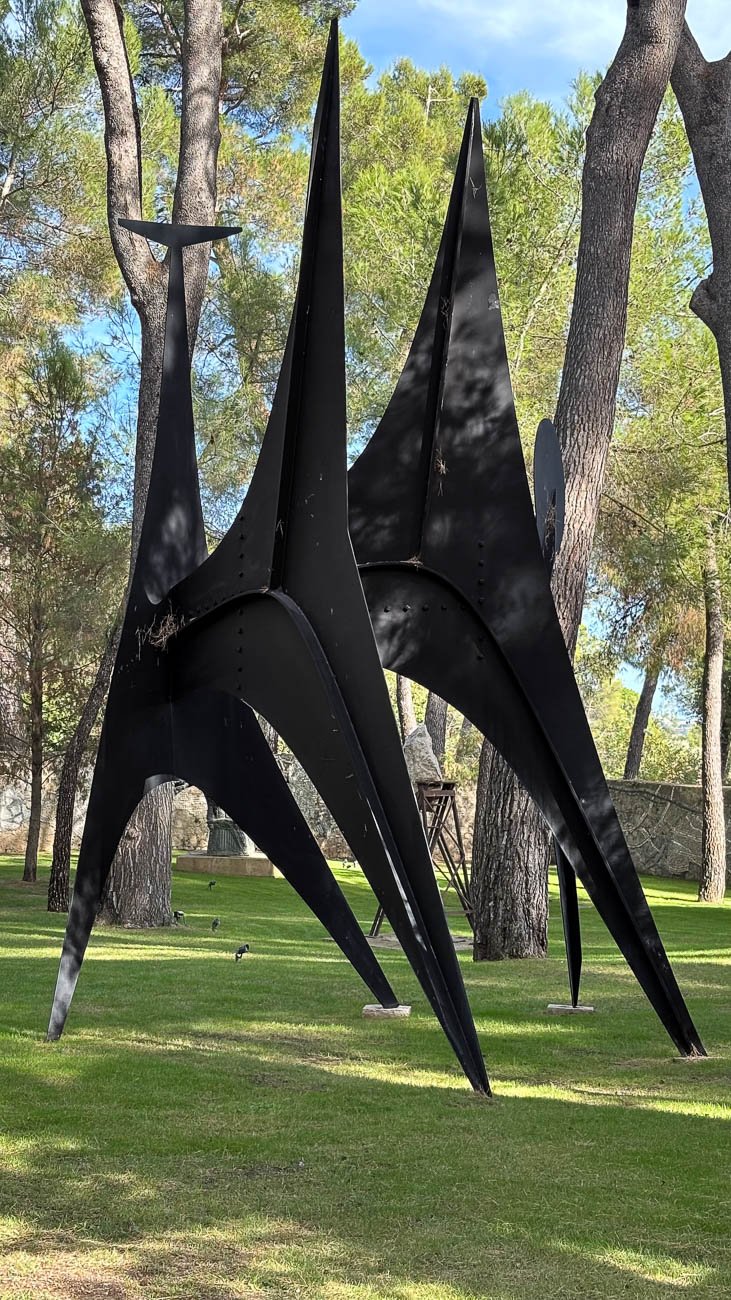
Visiting the Maeght Foundation is a must when in the Côte d’Azur. As you enter the property, the first thing to catch your eye on the left is the Jardin de Sculptures, where Alexander Calder's bronze Les Renforts (1964) dominates the lawn. Around it are works by Barbara Hepworth, Assan Smati, Ossip Zadkine, Jean Arp, Germaine Richier and Damien Cabanes, scattered across the grass like a celebration unfolding in the open air.
To the right sits a charming café with layered terraces, furnished by Diego Giacometti, Alberto Giacometti's brother. A lovely spot to pause over a drink and the delicious food while remaining in the orbit of the collection. Nearby, tucked quietly to the side, is Pol Bury’s fountain sculpture (1978), shimmering in the sunlight.
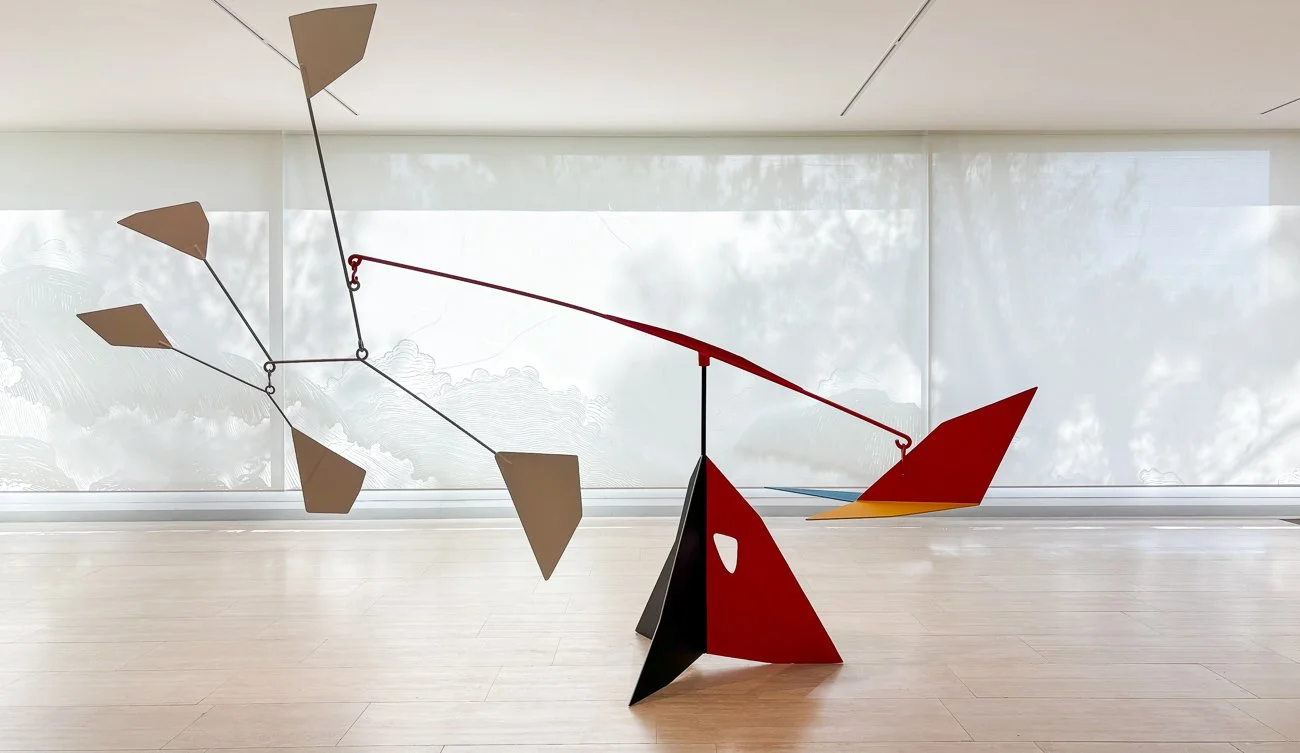
Discreetly to one side stands a small chapel dedicated to Saint Bernard, with stained glass by Georges Braque and Raoul Ubac. Beyond it, Calder’s mobile L’Empennage (Tail Assembly, 1954) balances delicately, moving with the breeze, shifting shape and casting drifting shadows. Behind it, on the exterior wall of the Foundation’s bookshop, is Marc Chagall’s mosaic mural The Lovers (Les Amoureux), which represents the founders’ welcoming gesture to visitors. Crafted between 1964 and 1965, it was Chagall’s first mosaic, created with help from mosaicists Heidi and Lino Melano.
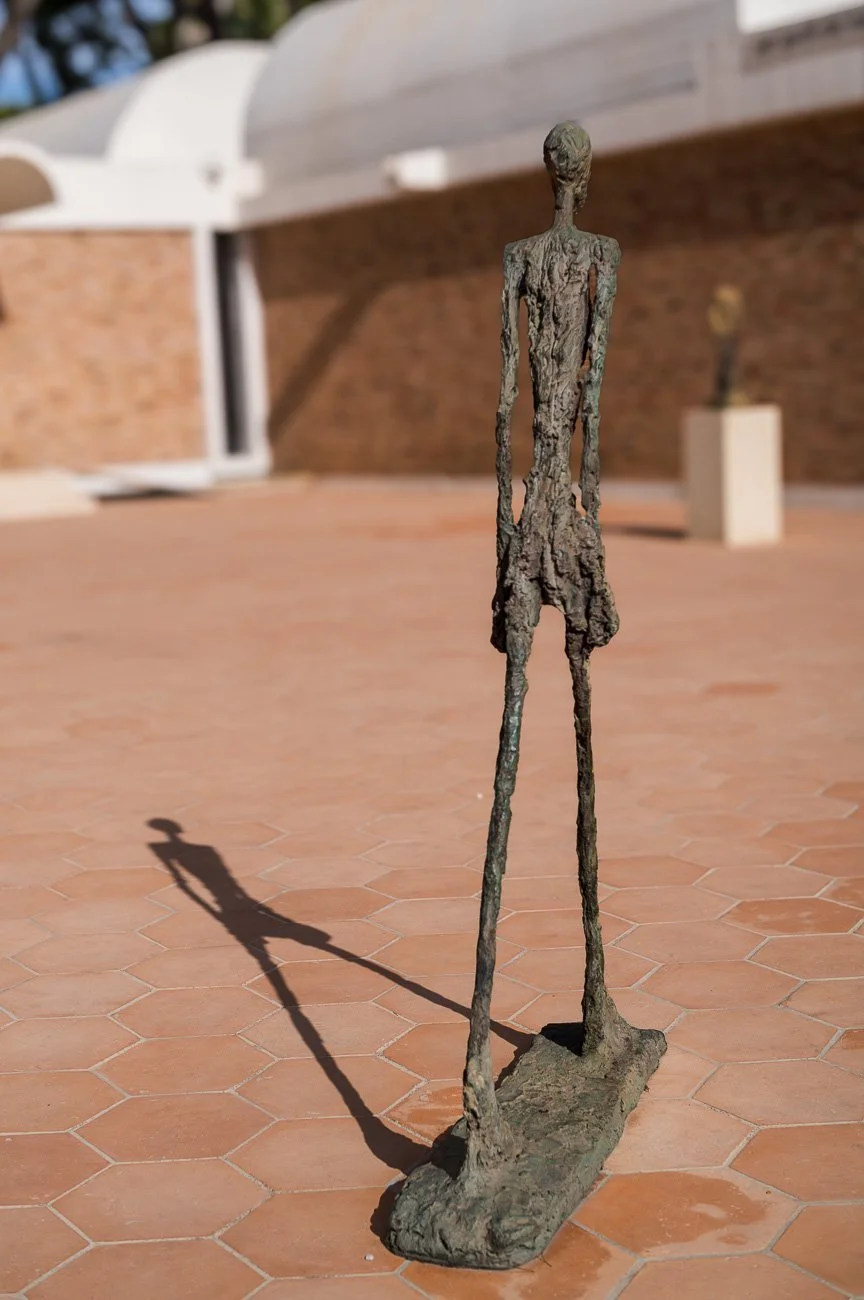
Inside, the building opens into a hallway from which the Giacometti Courtyard appears through glass doors straight ahead, an exceptional open-air sculpture display. To the left, a sequence of exhibition rooms steps gently downward, revealing, along the way, glimpses of a garden and mosaic pool by Georges Braque through carefully placed windows.
Further in, a side gallery houses one of the foundation’s most beautiful treasures: a collection of artist books. They are carefully displayed in vitrines along the wall, each marked with a small number. In front, tables with touch screens allow visitors to enter the number and explore the books page by page. This room alone warrants a dedicated visit.
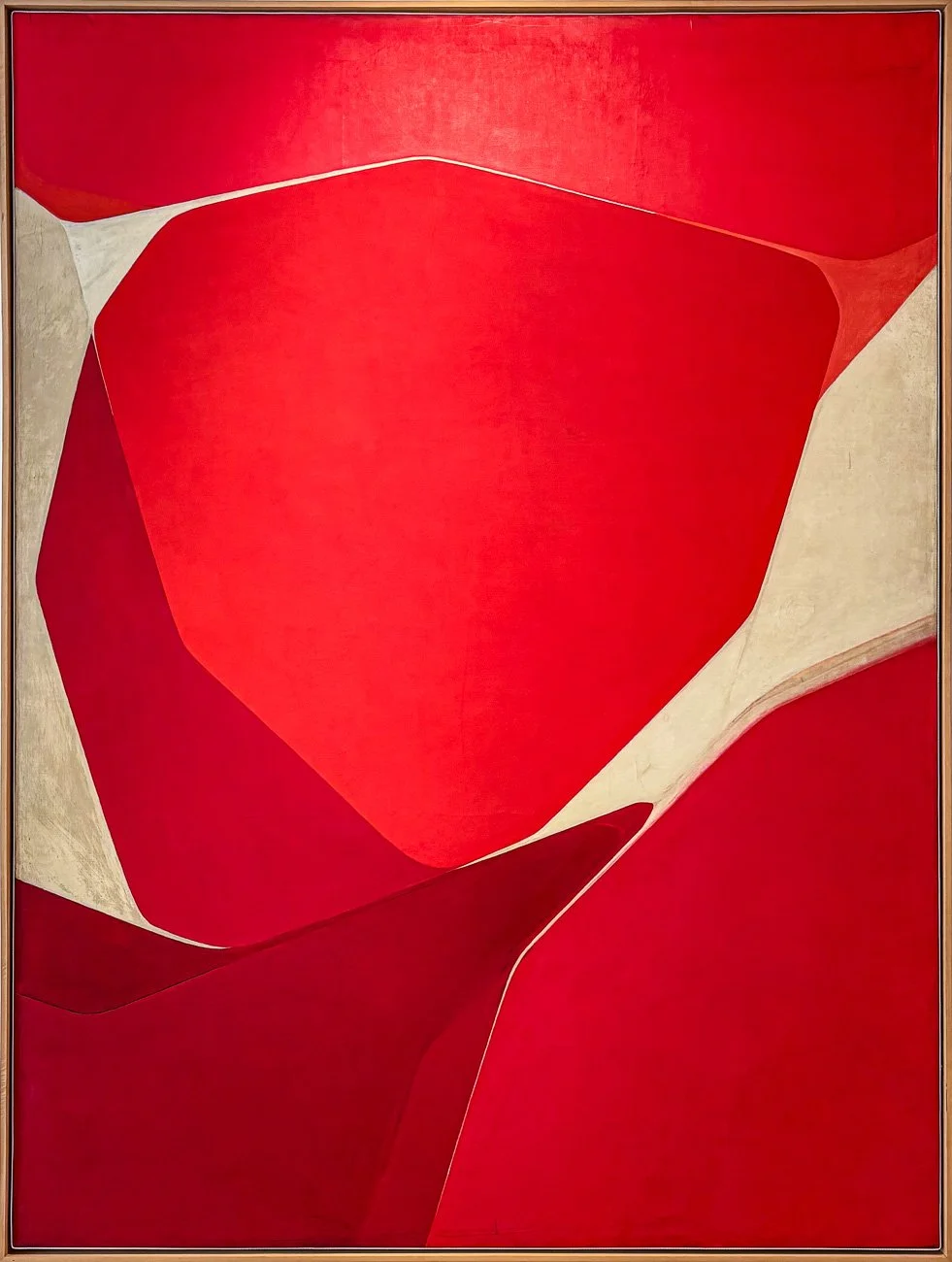
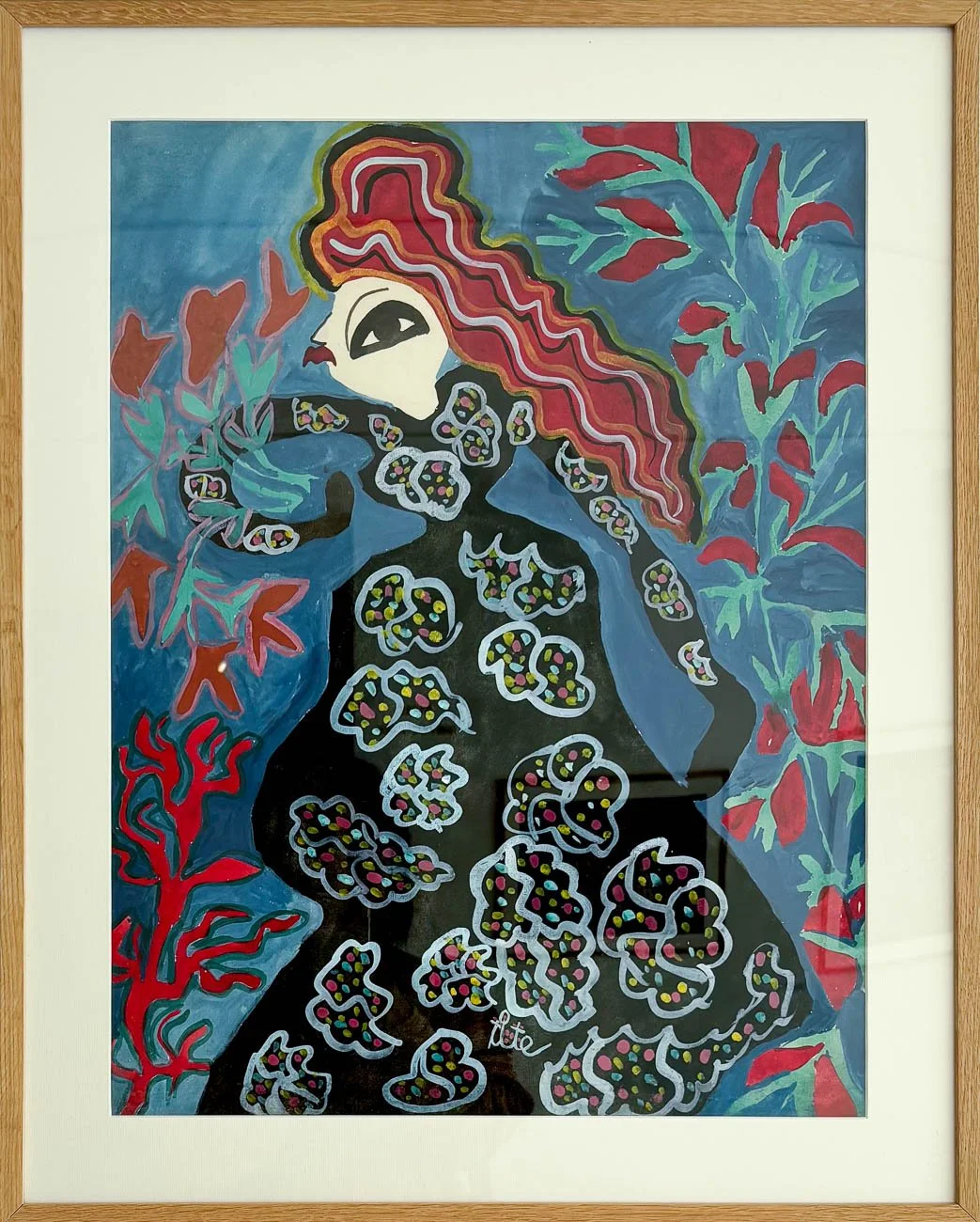
Omphale II by Pablo Palazuelo
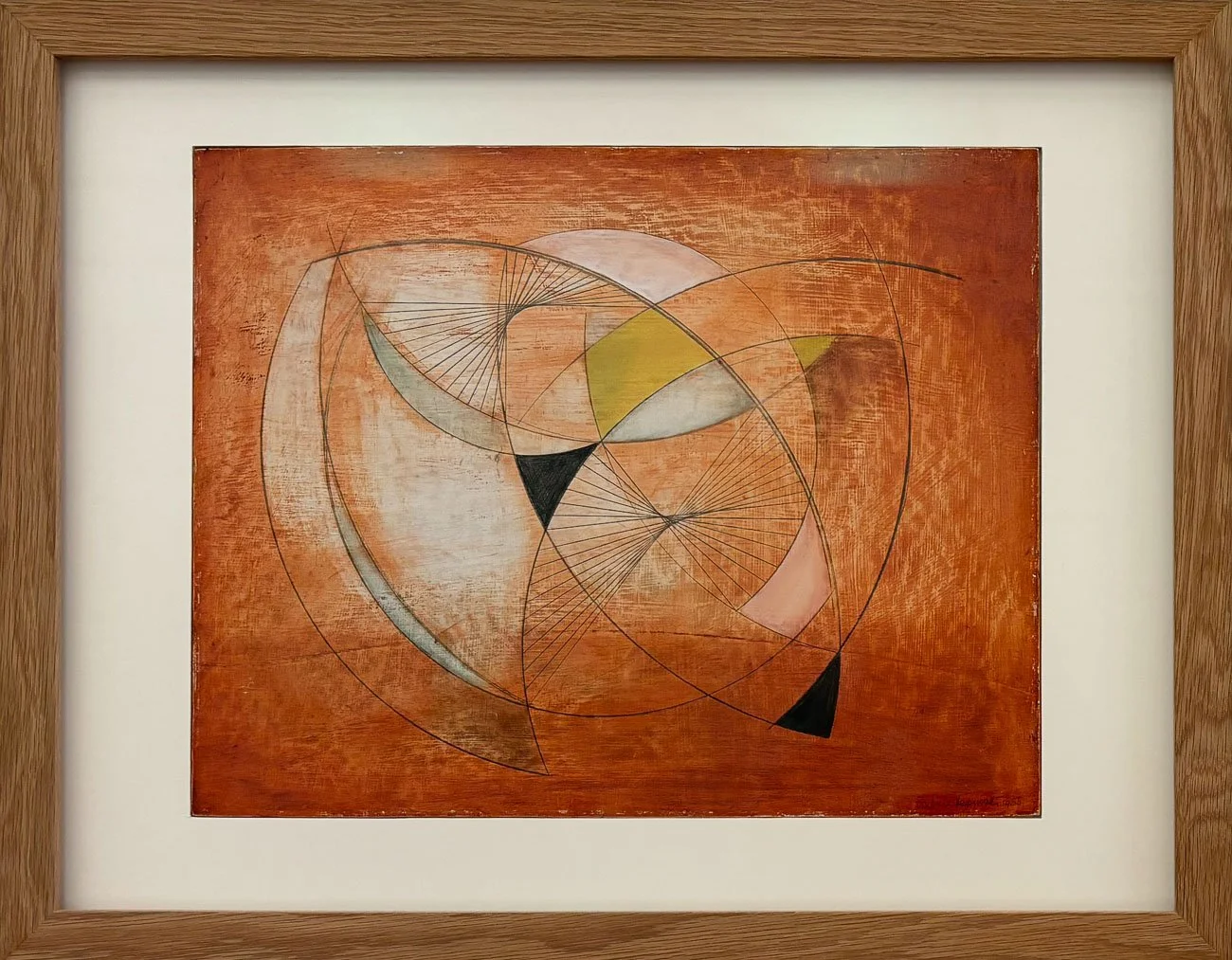
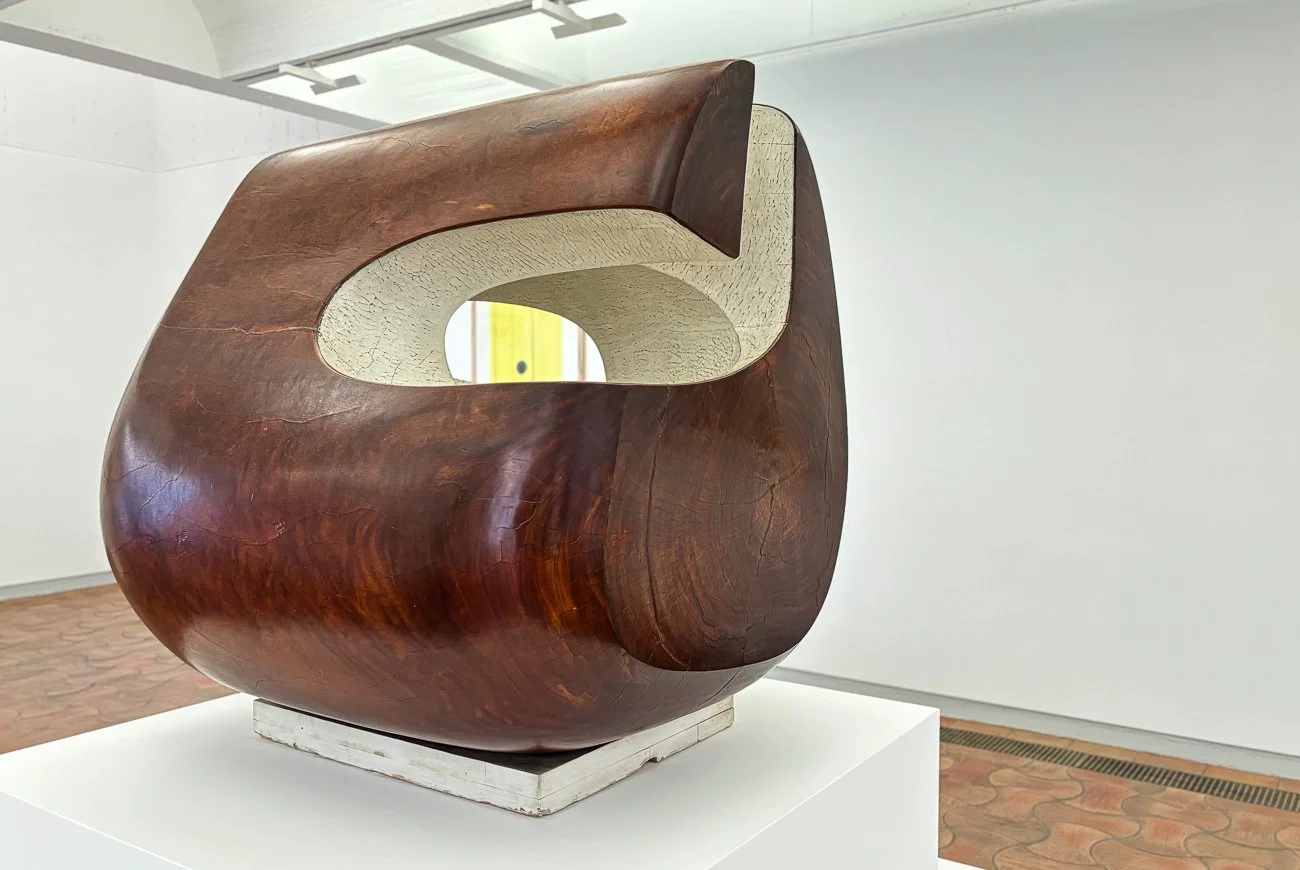
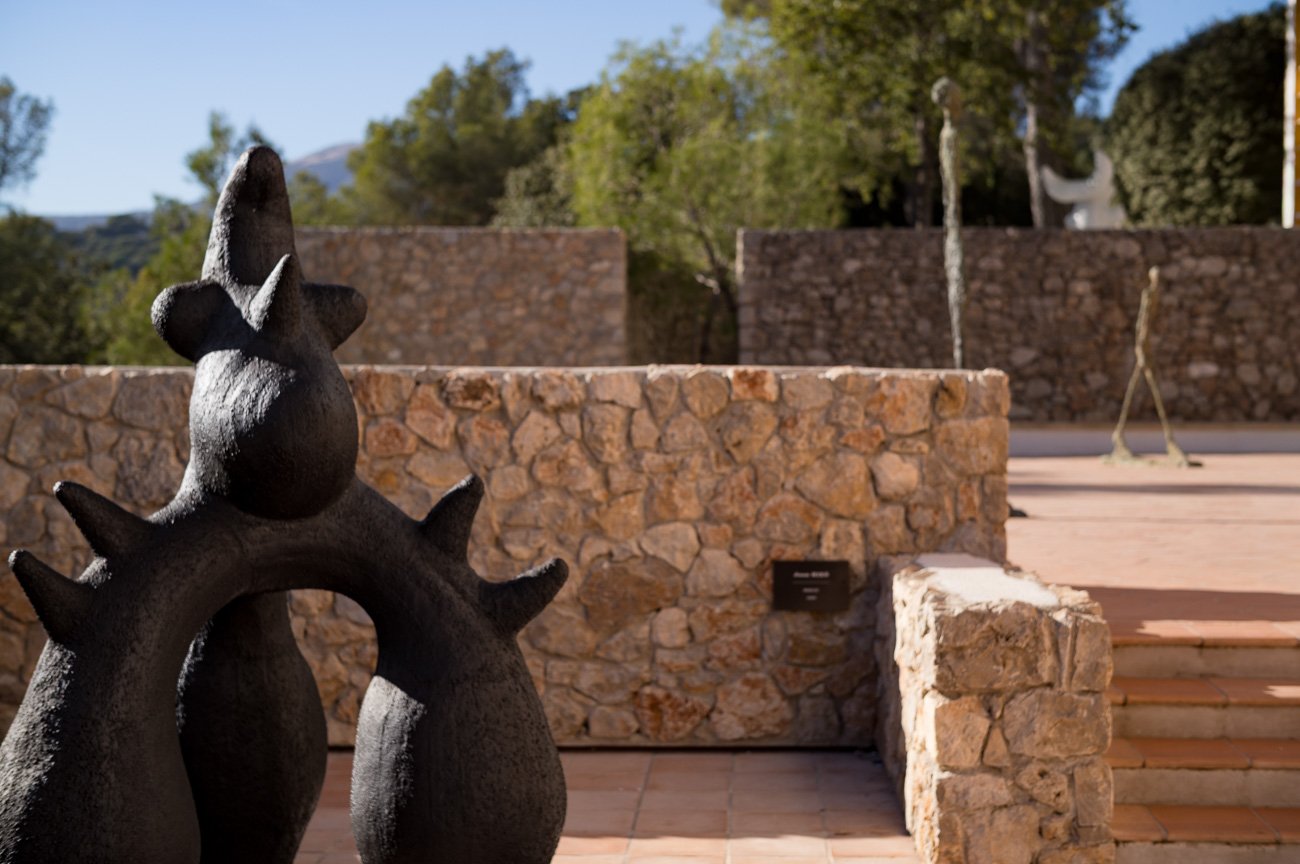
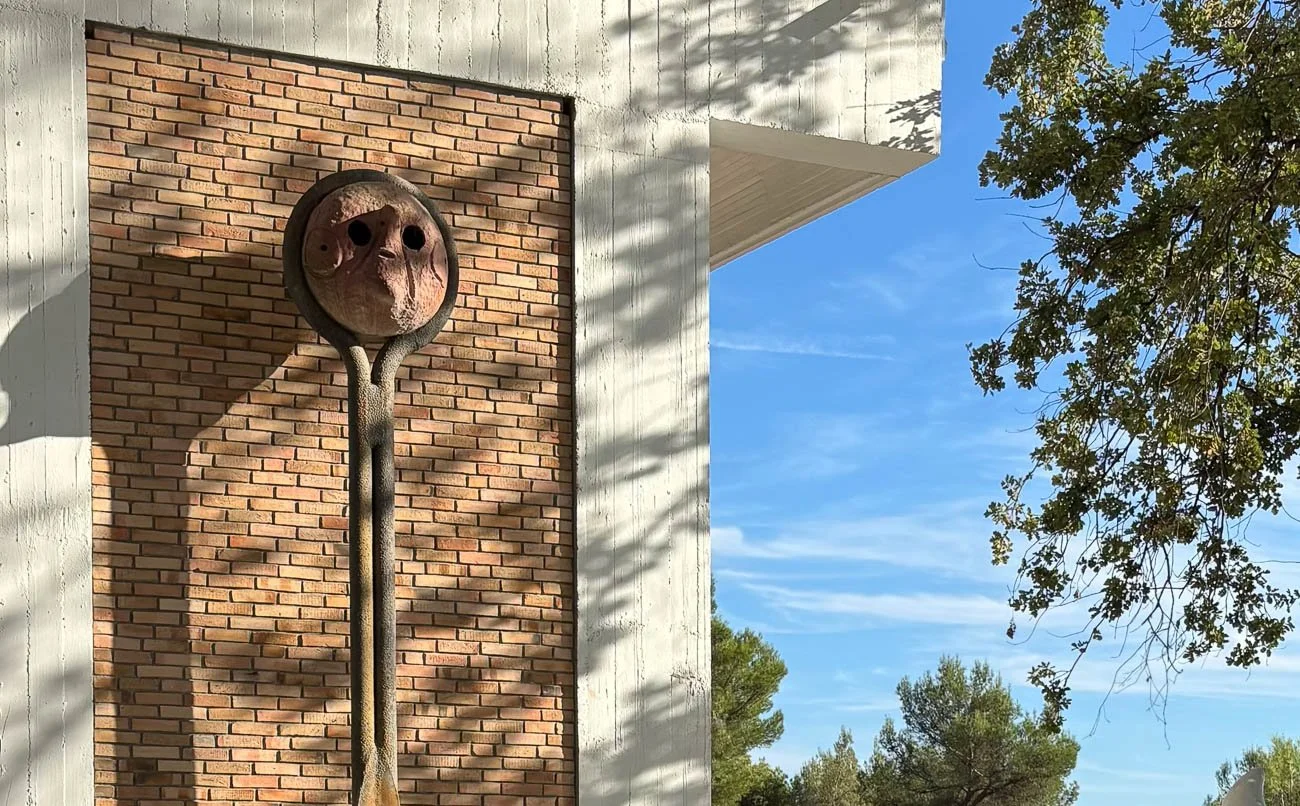
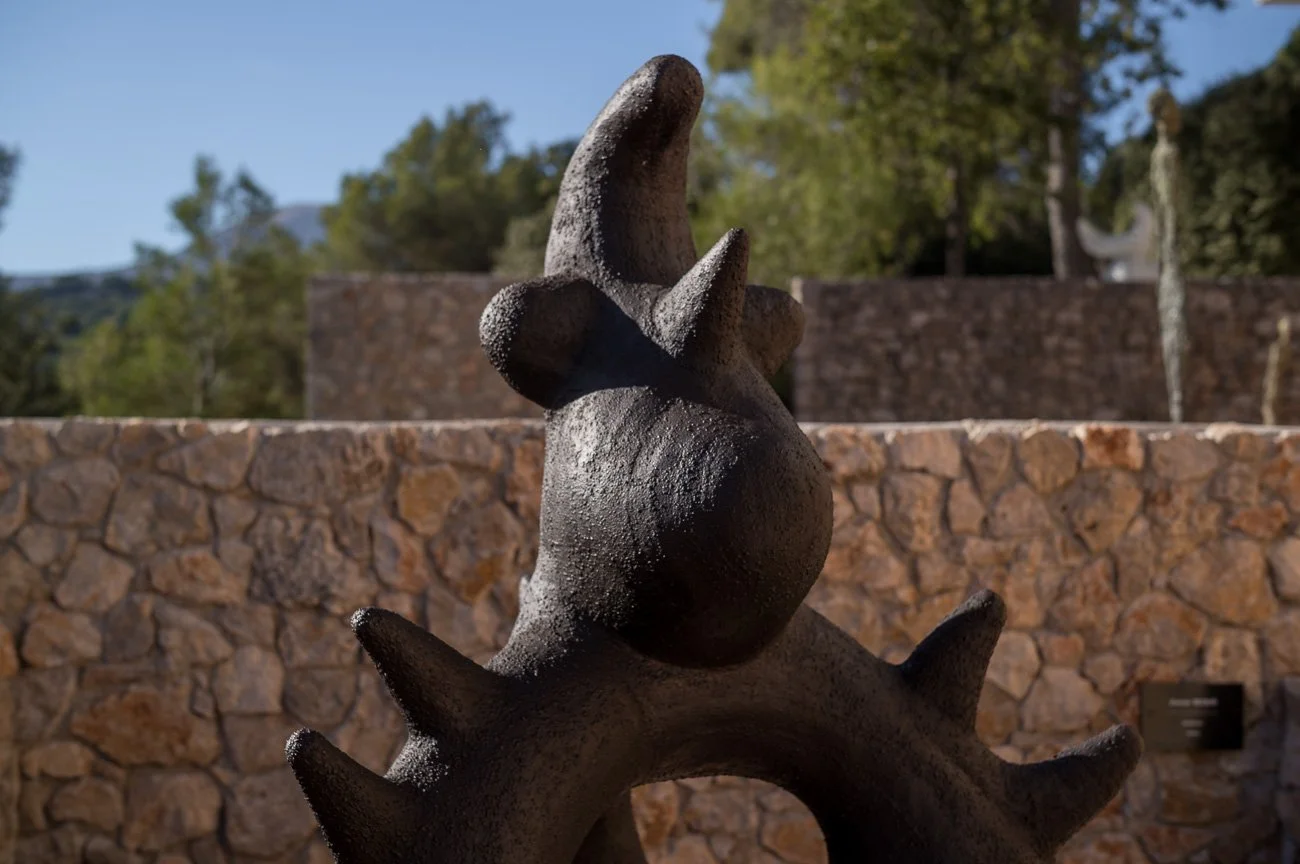
Beyond the Giacometti Courtyard, to the right, unfolds the Miró Labyrinth, a fantastical garden of monumental sculptures, mosaics and fountains conceived by Joan Miró. It is playful and dreamlike, a place where art and landscape seem to dissolve into one another. At the far end sits the library, open by appointment for research. Years after the Foundation’s opening, in 1979, Miró extended his collaboration by creating a monumental stained-glass window overlooking the Marina Kellen French Courtyard, in partnership with master glassmaker Charles Marq.
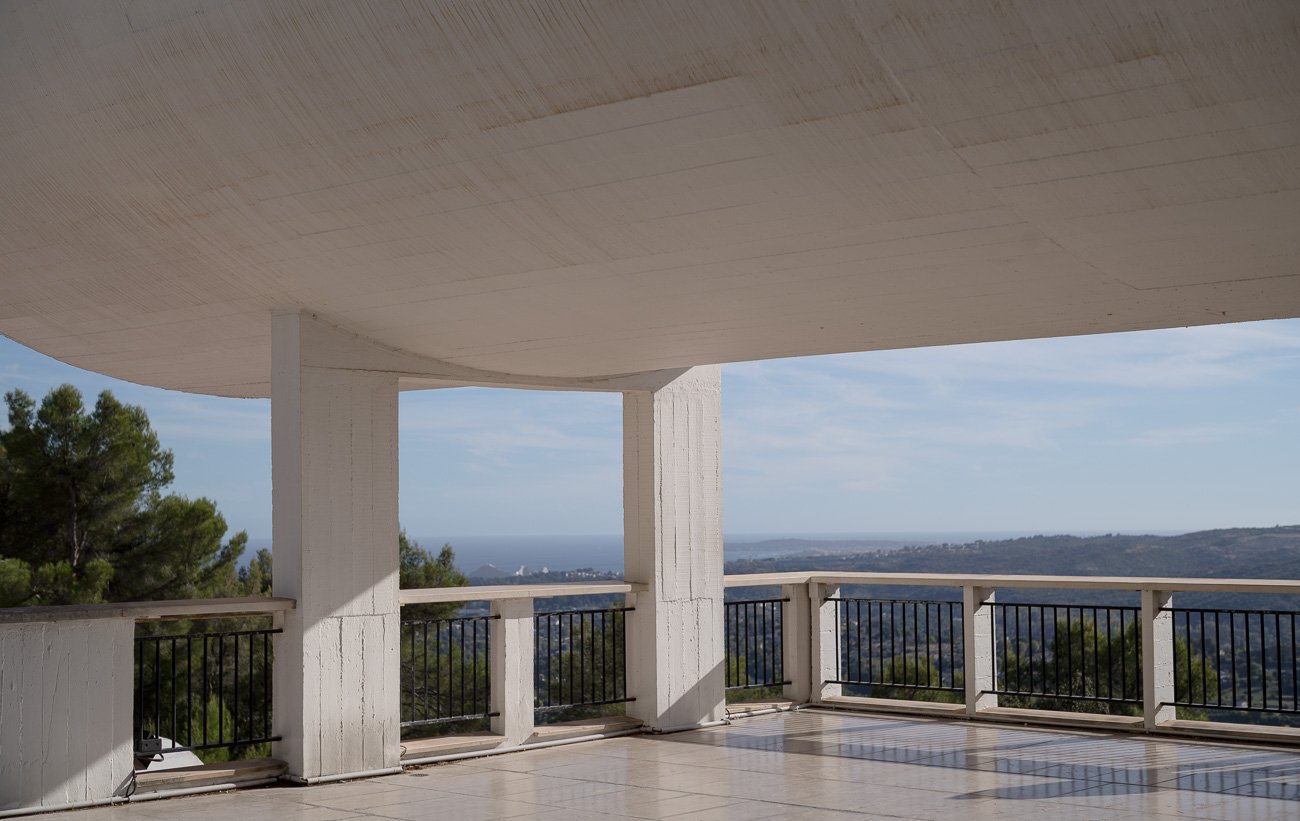
The right side of the building houses the bookshop and additional exhibition spaces on the upper levels. Visitors can reach the rooftop for wonderful panoramic views, though we suggest visiting this side last, so first-time visitors can enjoy the surprises throughout the visit.
A brief historical note:
Art dealers Aimé and Marguerite Maeght founded Galerie Maeght in Paris in 1945, which quickly became a hub for the post-war avant-garde, exhibiting works by many of the period's leading artists and thinkers.
In 1953, the couple lost their eleven-year-old son. To help them cope with their grief, their friend and artist Georges Braque proposed that they undertake a creative project. This proposal sparked a compelling vision for a new form of art space. In 1964, this vision was realised as the Maeght Foundation, the first private art institution of its kind in France.
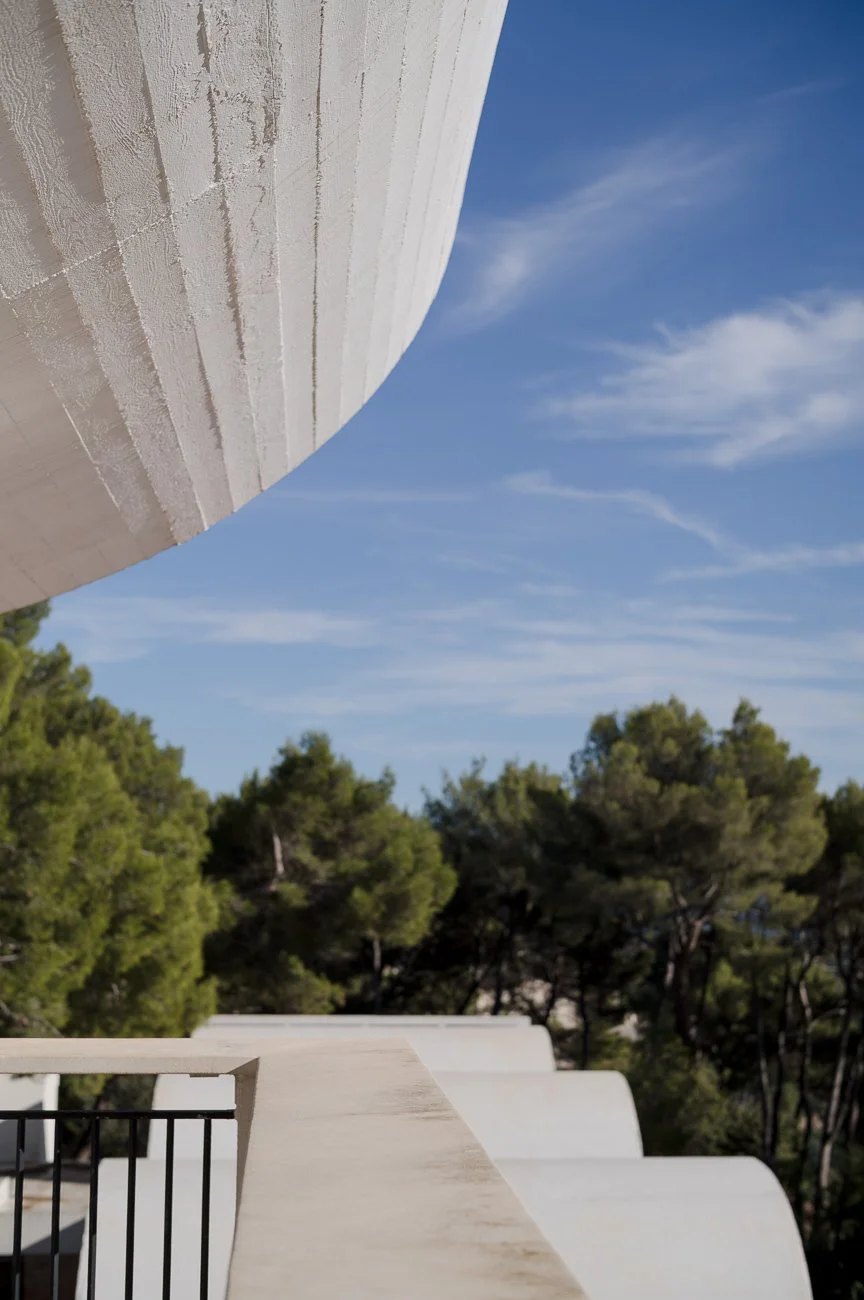
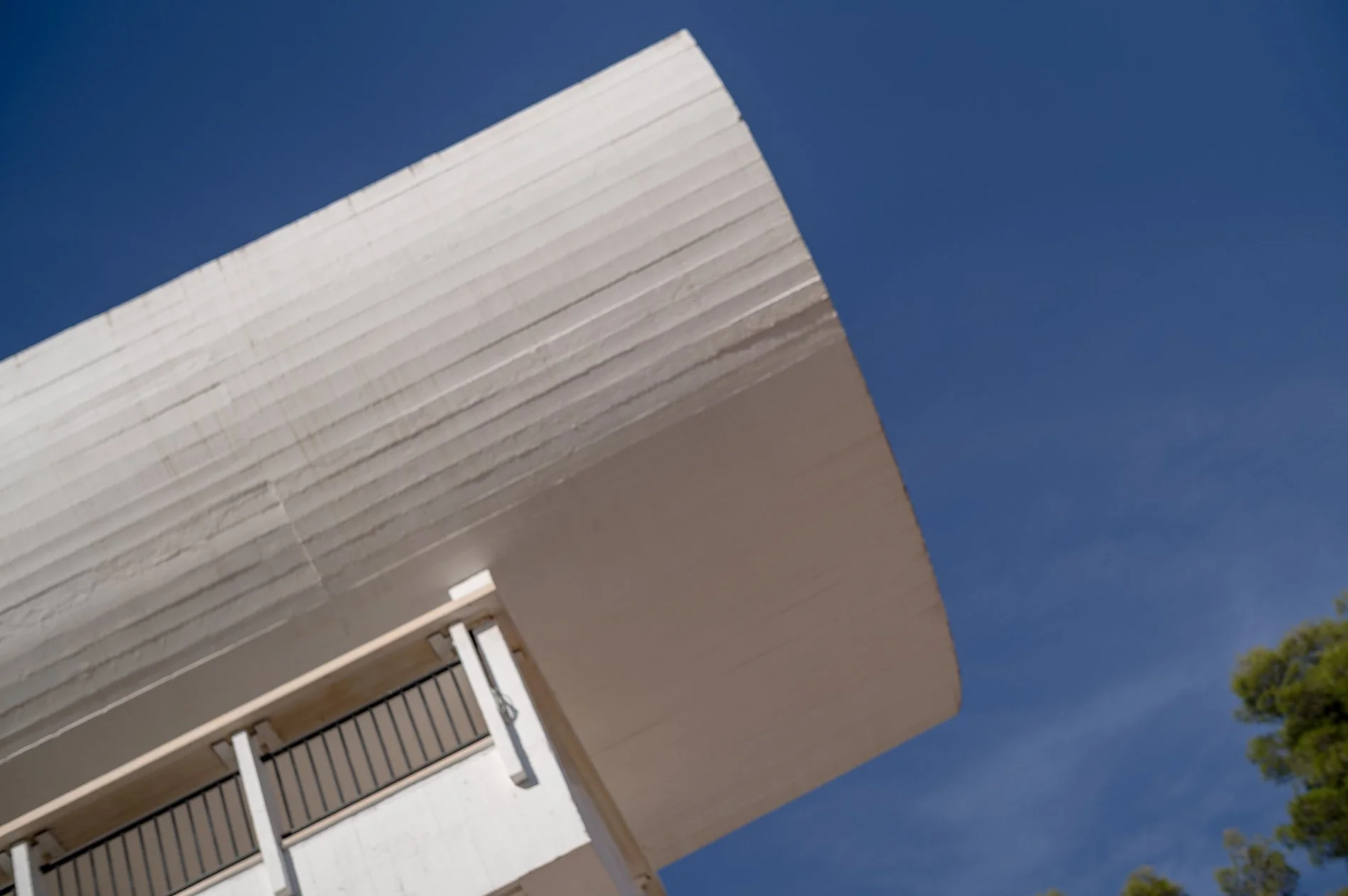
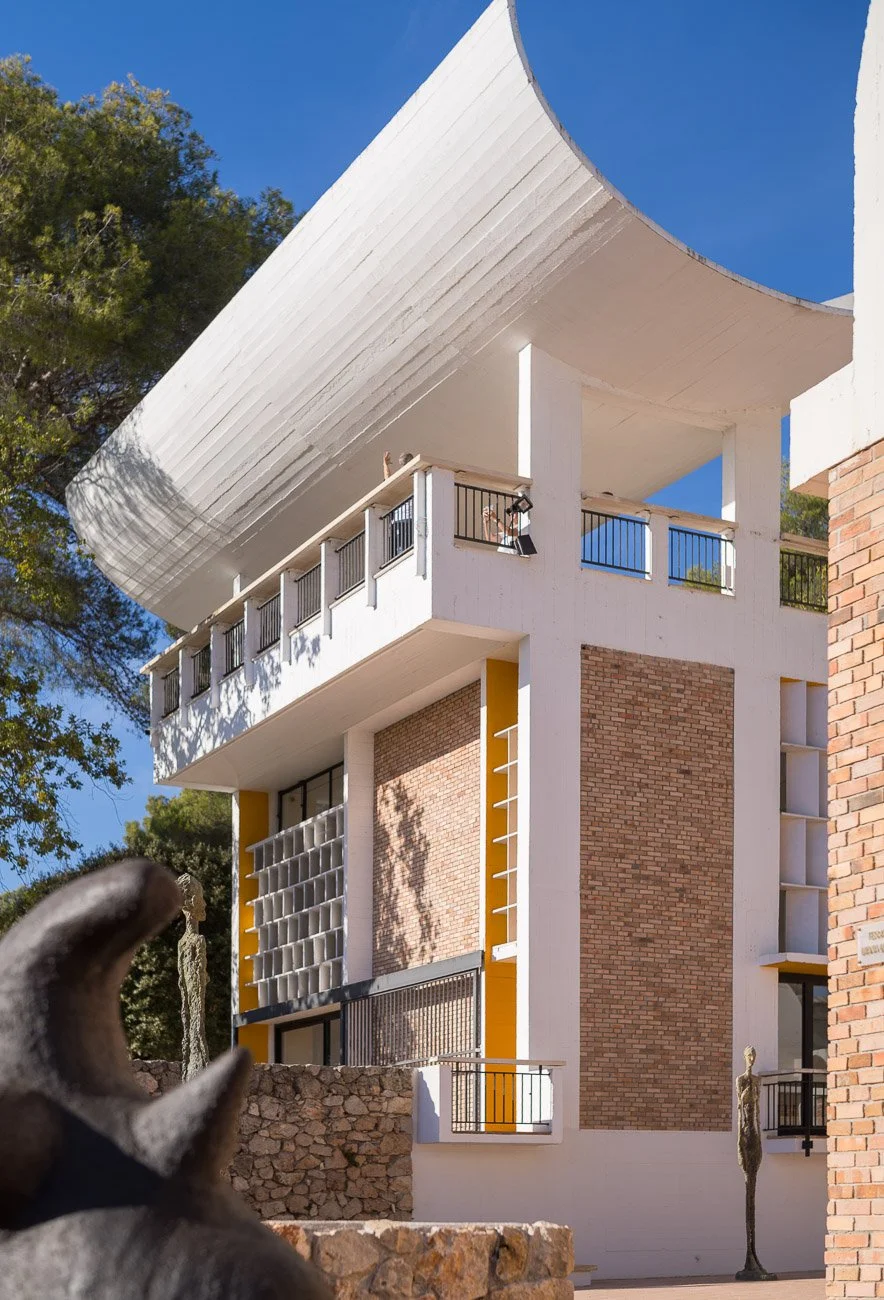
The Maeghts chose their property in Saint-Paul-de-Vence for this bold venture. With a modernist design by Catalan architect Josep Lluís Sert, a close friend of Joan Miró, they set out to build a space where modern art, nature, and architecture could co-exist in perfect harmony. Many of their artist friends contributed works conceived specifically for the site, making the foundation feel less like a museum and more like a shared act of creation.
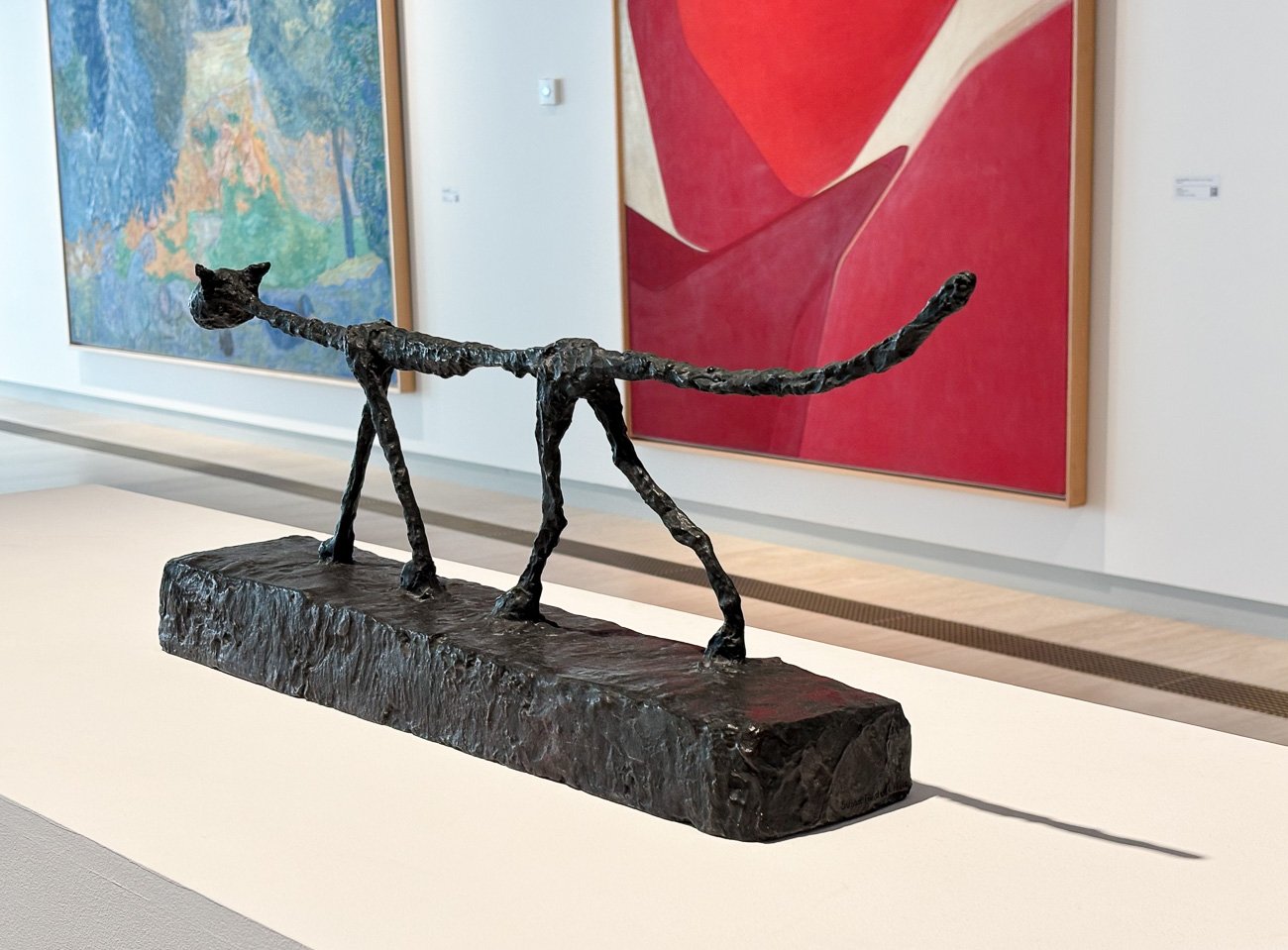
Le Chat bronze by Alberto Giacometti.
TIP: While there are no regular on-site guides, private tours can be arranged in advance through the Foundation. This is an incredibly worthwhile treat. The programme of cultural events is rich and surprising, so it is worth checking the calendar before visiting.
Fondation Maeght
+33.493 3281
63 Fondation Maeght, 623 Chem. des Gardettes, 06570 Saint-Paul-de-Vence, France
www.fondation-maeght.com
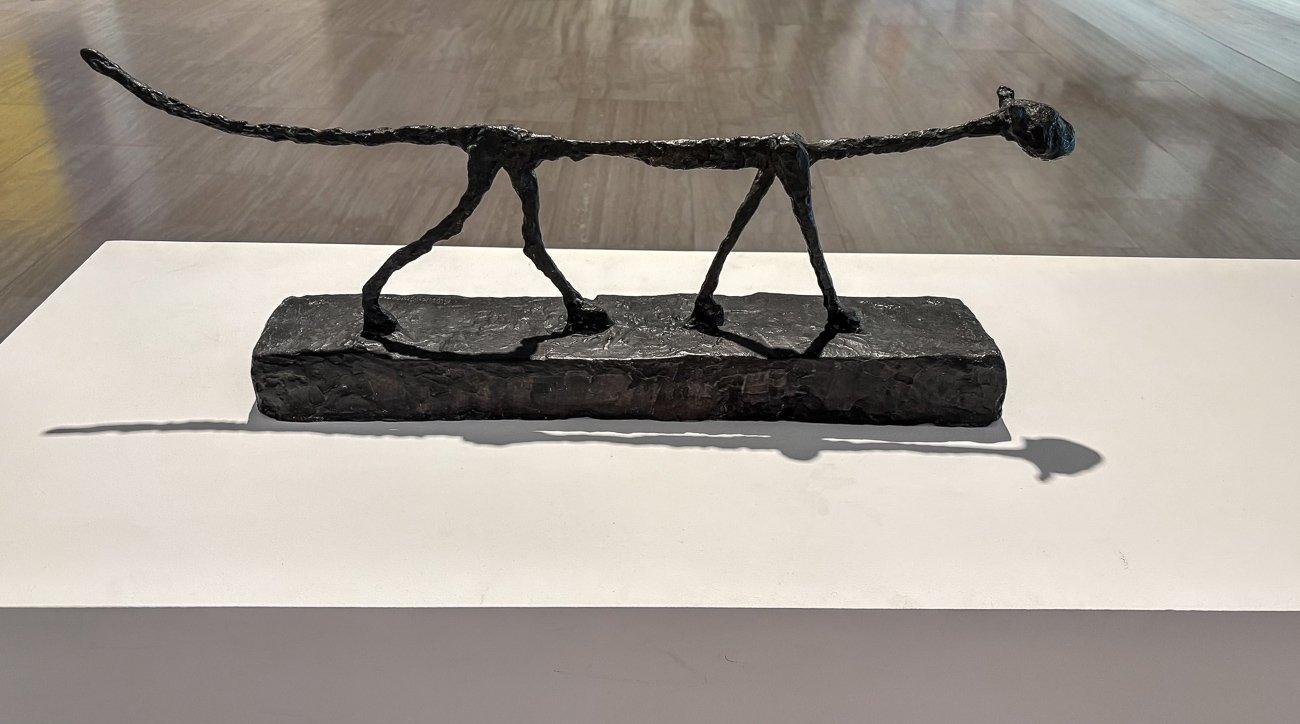
Le Chat bronze by Alberto Giacometti.