
El Pantalón, Architecture and Identity in Mexico City
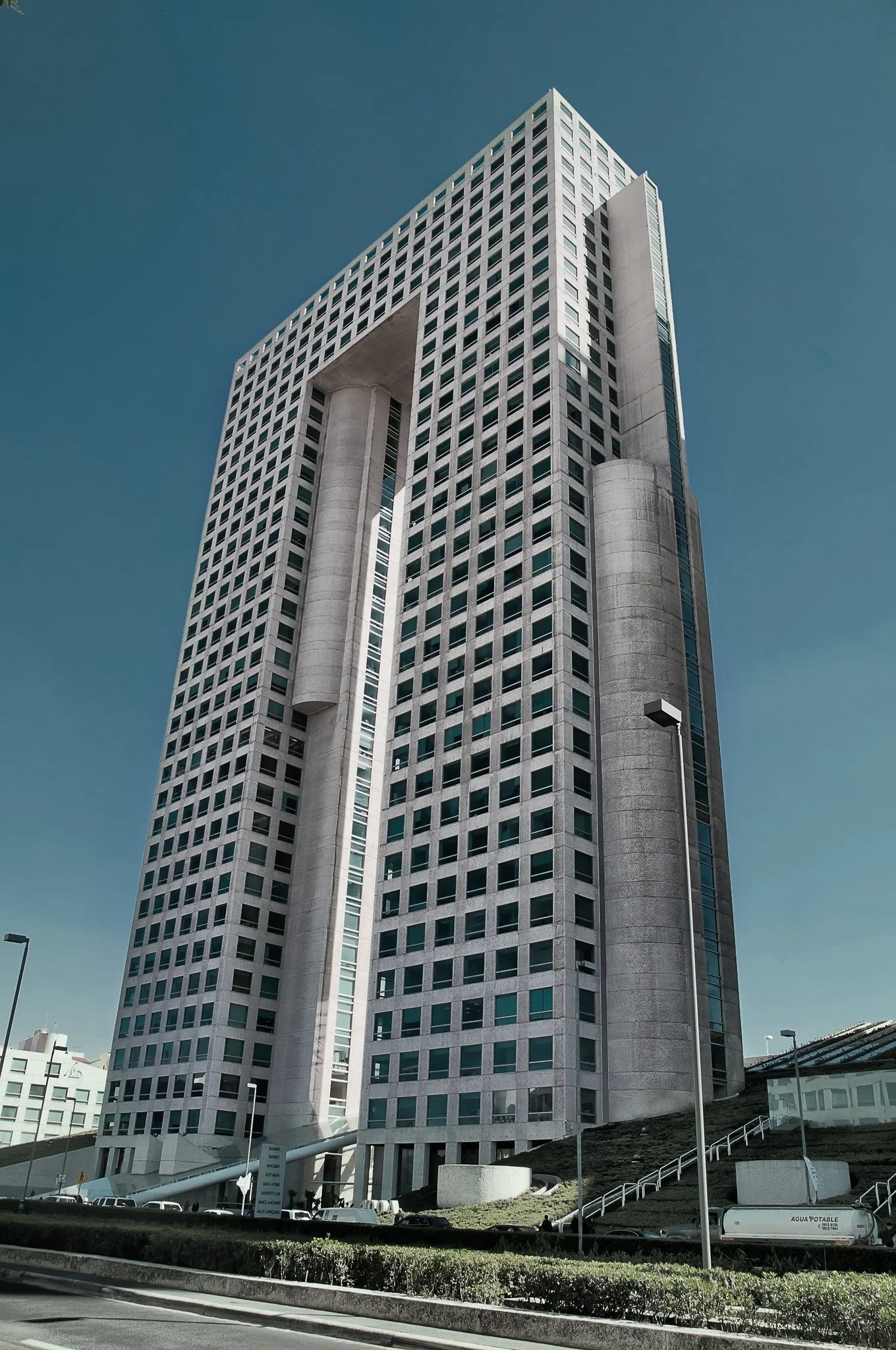
Arcos Torre 1 © Eneas De Troya
Any architectural route through Mexico City eventually leads you west, towards Santa Fe — the city’s late-20th-century venture into vertical ambition. Constructed on reclaimed land and shaped by corporate growth, the district is markedly different from the historic centre or the modernist campuses to the south.
Designed by Teodoro González de León, one of Mexico’s most esteemed modern architects, the tower exemplifies a style he refined over many years: monumental shapes and natural materials. González de León, who worked with Le Corbusier, often preferred using stone and concrete simply rather than with decorative details. His Museo Rufino Tamayo illustrates this same robust clarity and is another site to visit in Mexico City for architecture enthusiasts.
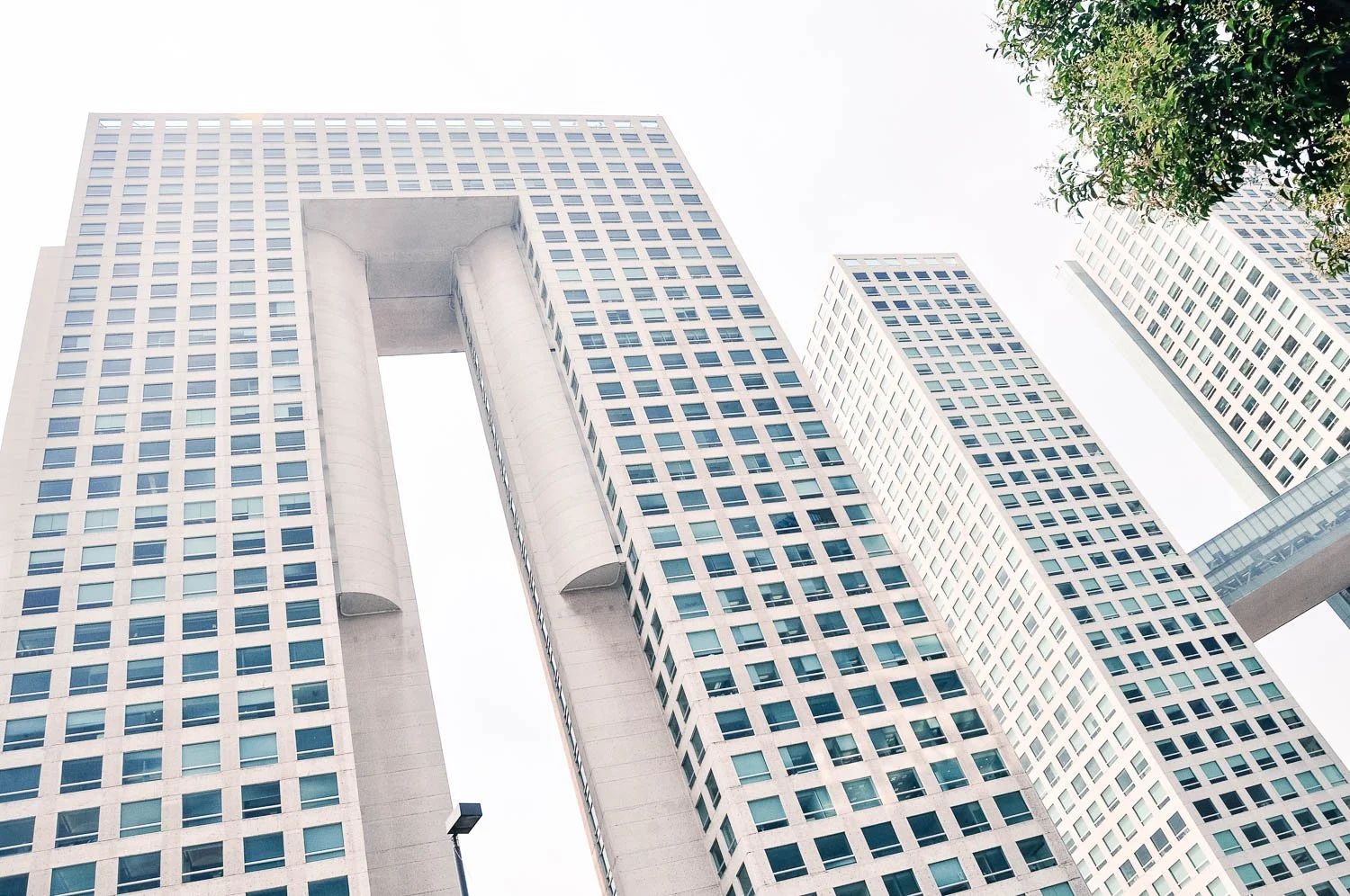
Completed in 1996, the 161.5-metre structure was one of Latin America’s earliest so-called intelligent buildings, integrating advanced building systems at a time when Santa Fe was still defining its identity. Nevertheless, its importance is more symbolic than technological. The space between the towers becomes the central presence.
Nearby, there's a shopping mall with a taxi stand. A short ride south are other architecturally significant sites like the Calakmul building, designed by Agustín Hernández Navarro, and the Parroquia San Josemaría Escrivá. A brief drive north takes you to Casa en el Aire, which isn't open to the public but can be seen from the street, as is Casa Praxis, both
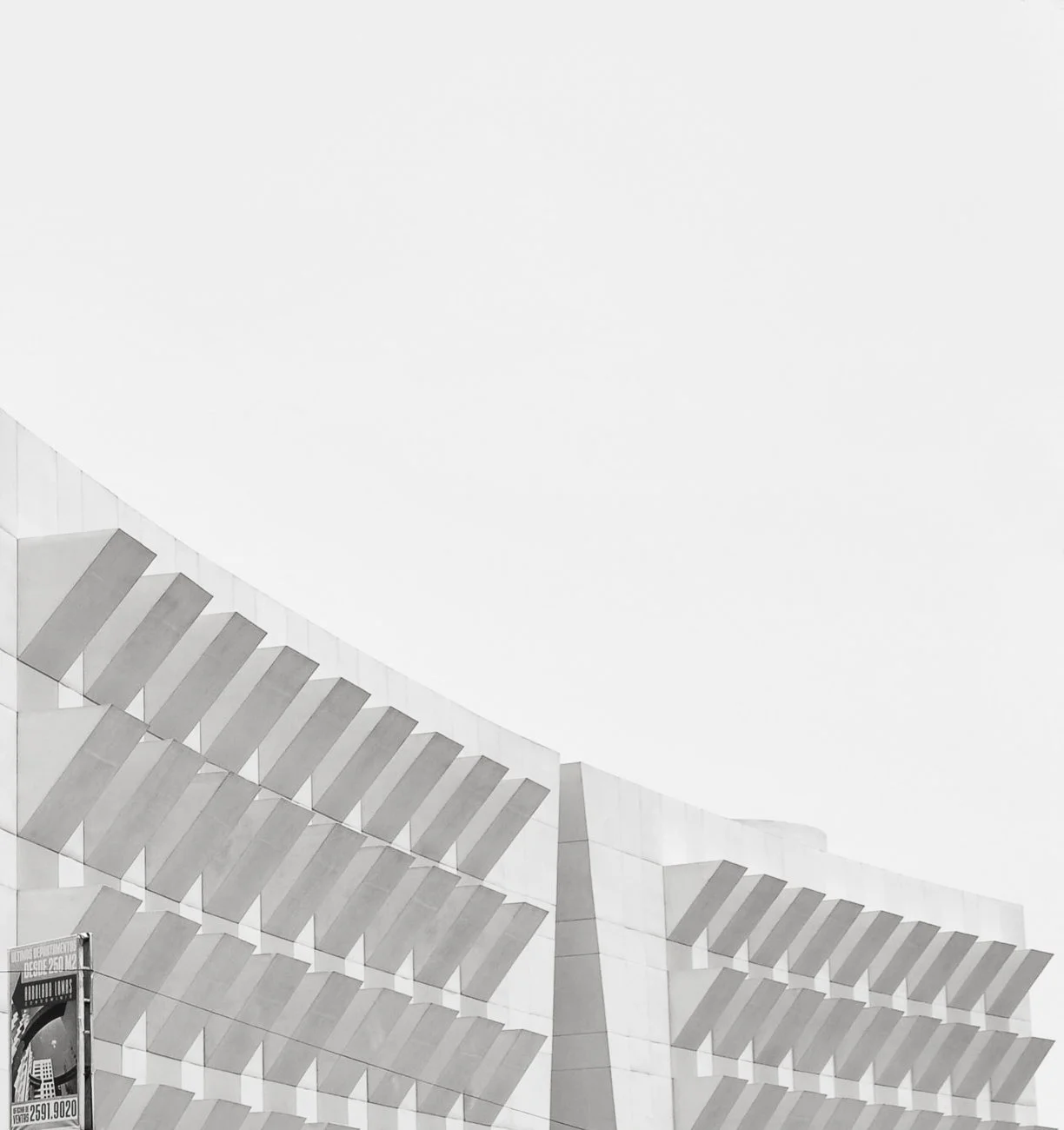
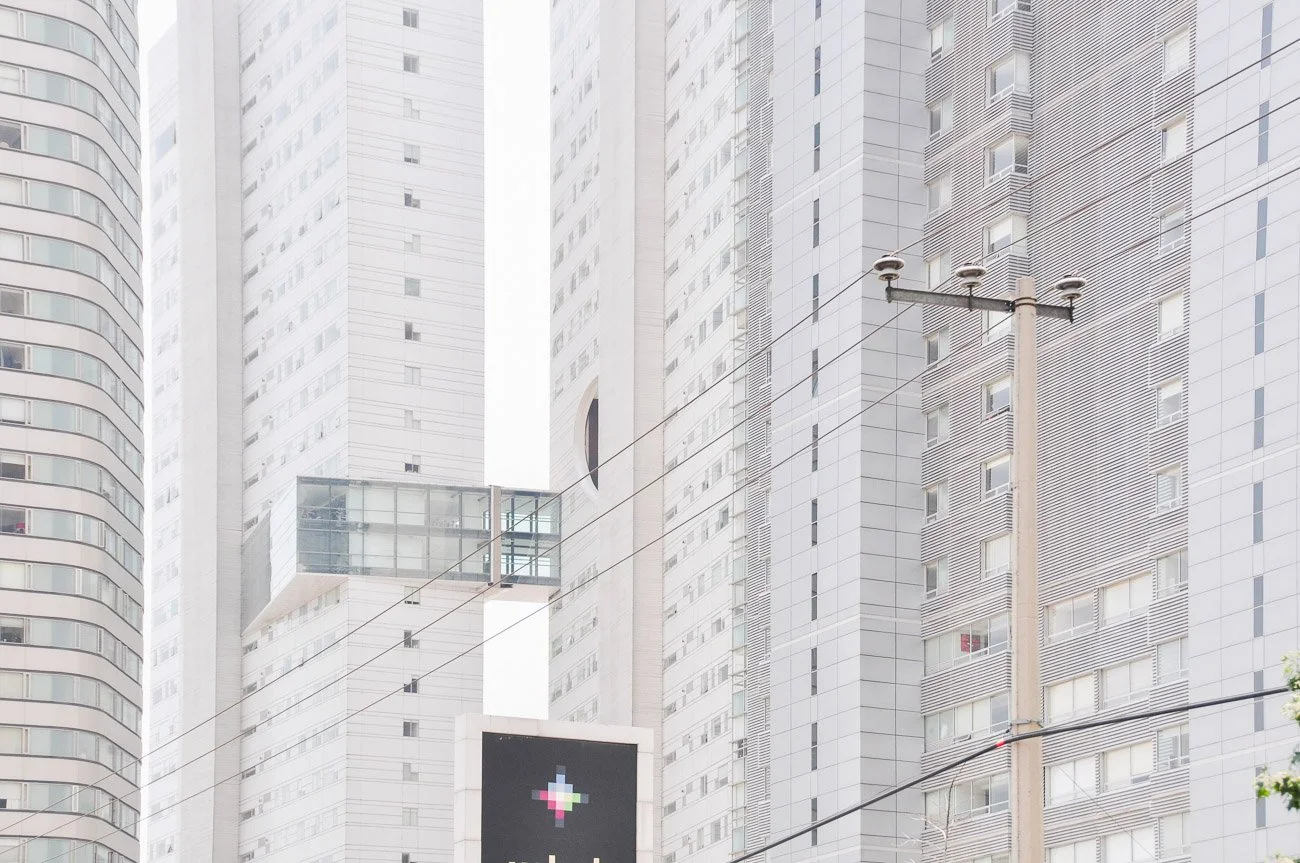

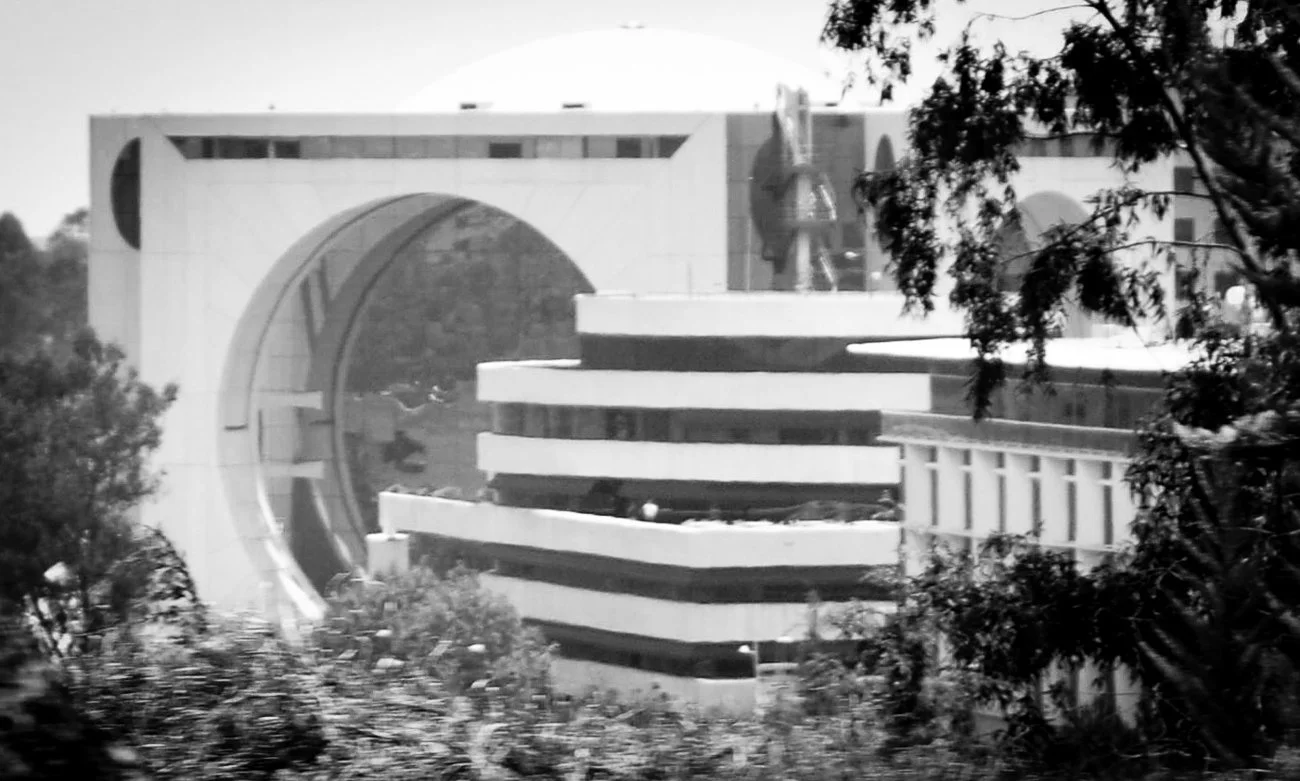
The Calakmul building – La Lavadora
Torre Arcos Bosques
Paseo de los Tamarindos nº 400 A Colonia Palo Alto. Mexico DF, Mexico
