
Avebury Ring, The World’s Largest Stone Circle
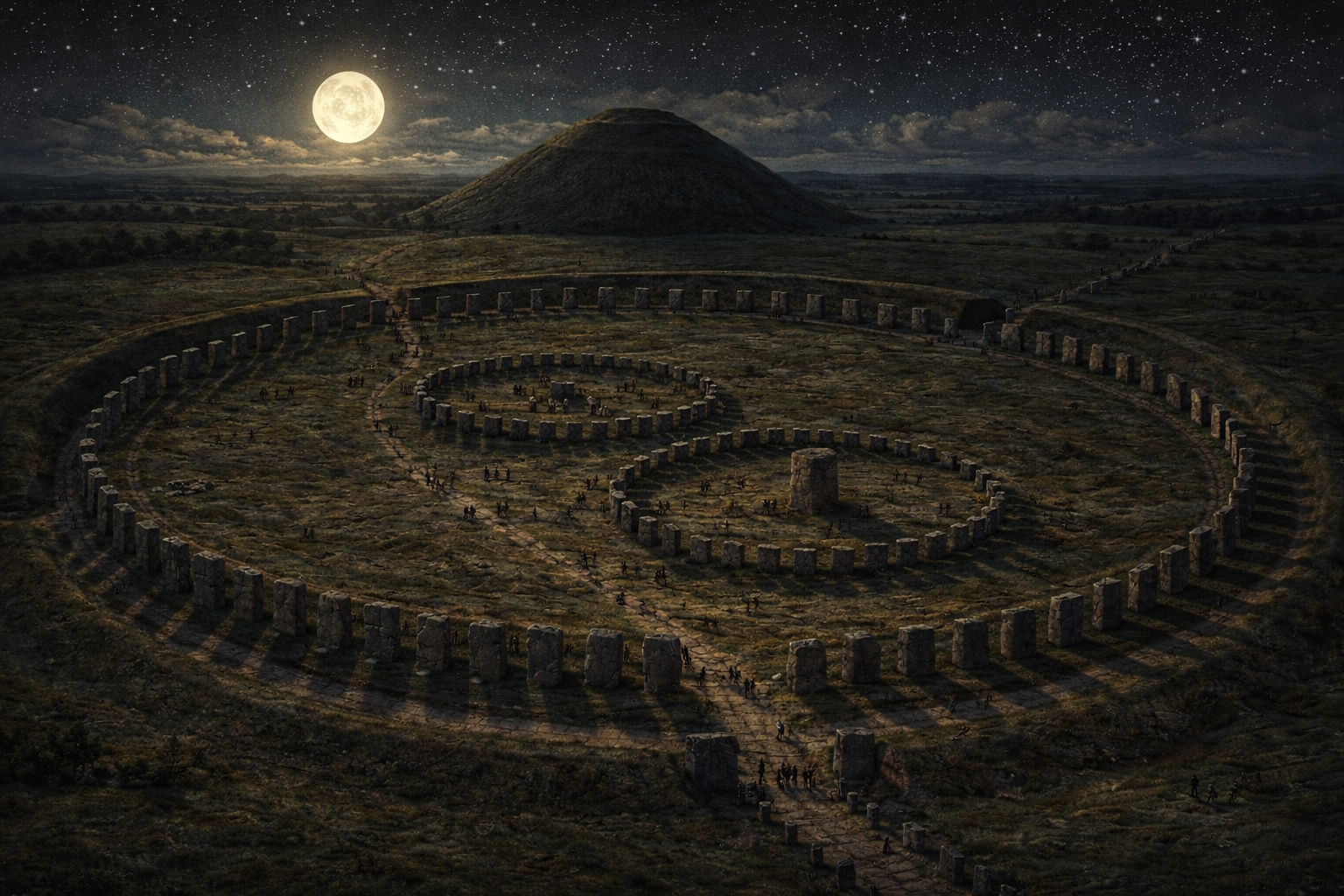
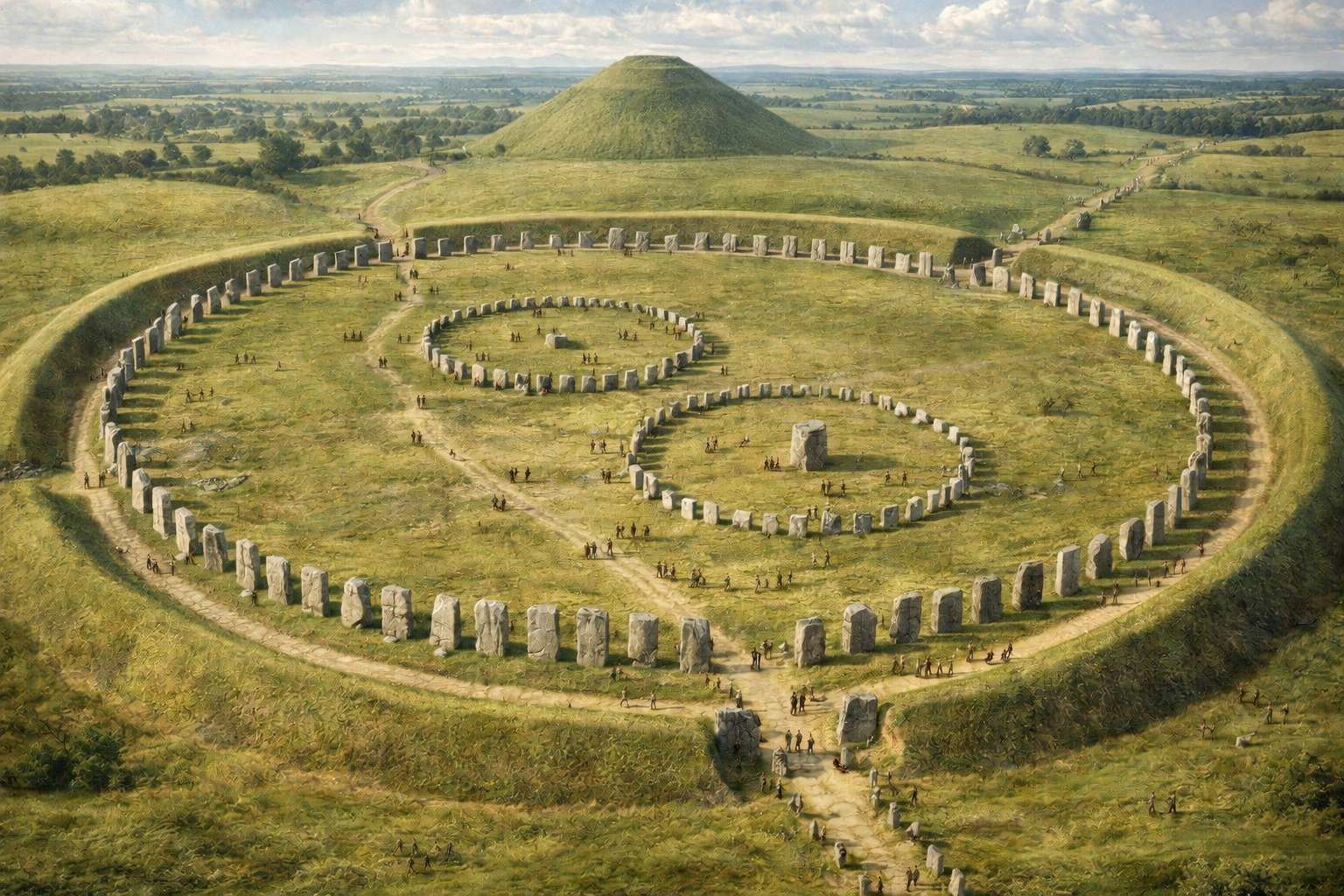
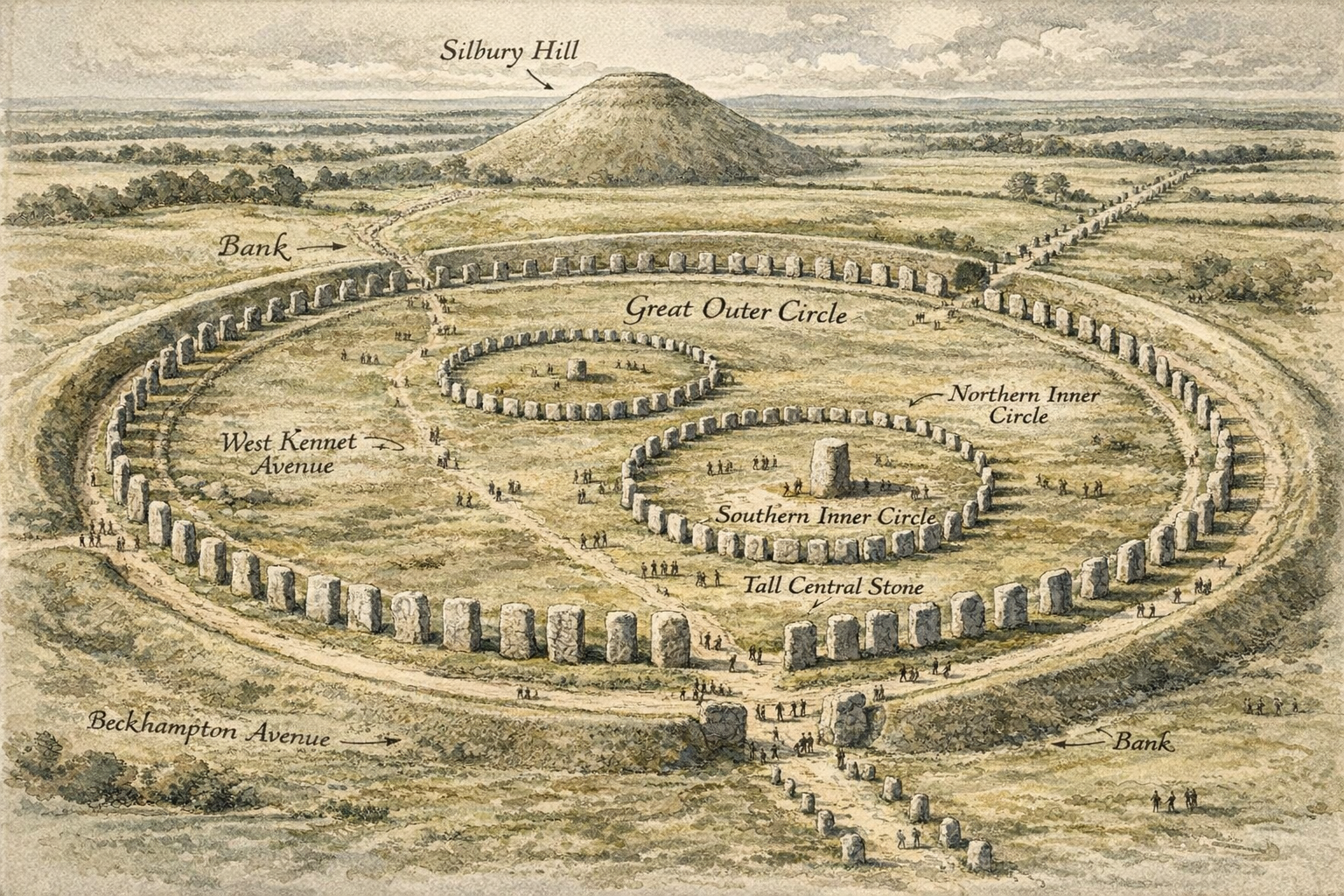
rendering by Sand & Stars
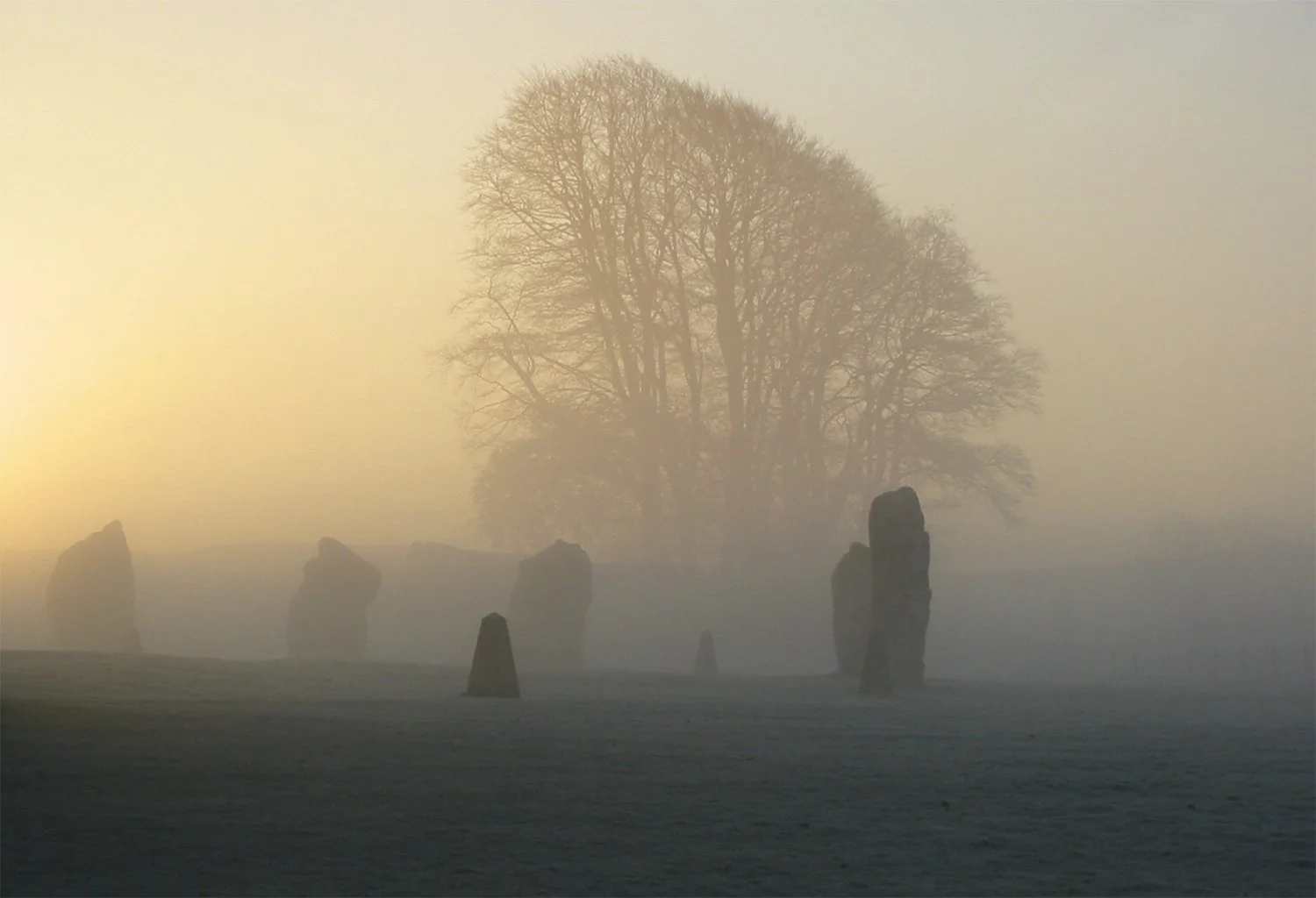
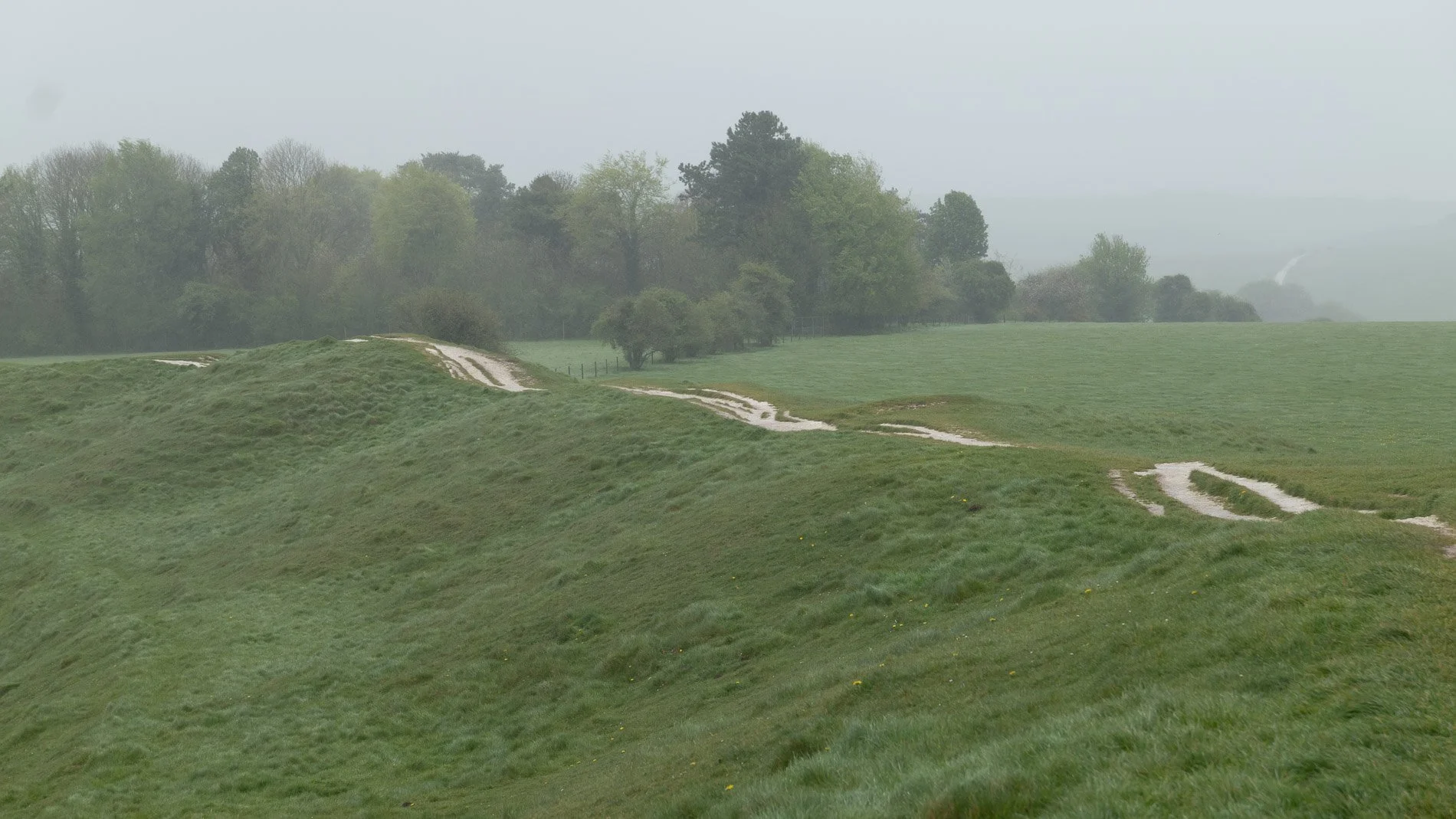
Standing within the henge, the Avebury stone ring is like stepping into an active field of memory and a bit of druid magic. The great ring predates Stonehenge and rivals the age of the pyramids at Giza
The timeline of Avebury's construction is uncertain; astro-archaeologist Harry Aubrey Woodruff suggests dates of 3000 BC for the central cove, 2900 BC for the inner stone circle, 2600 BC for the outer circle and henge, and around 2400 BC for the avenues.
With a diameter of over 330 metres, it remains the largest stone circle in the world, wide enough to hold an entire village within its curve.
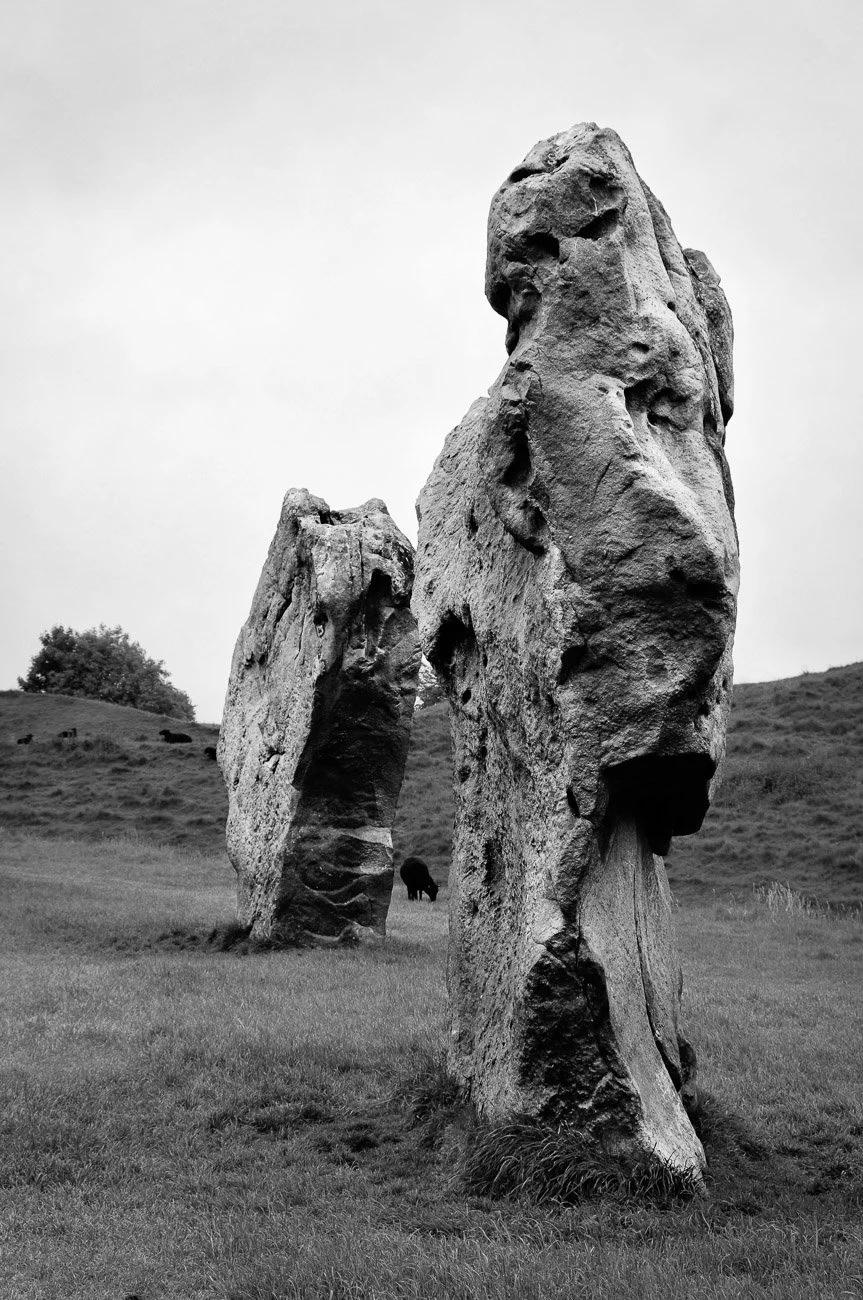
We arrived carrying copper divining rods, half driven by curiosity and half by play, but with open minds. We began our circuit, allowing our steps to be guided by touch, ley lines, and gravitational pull. The divining rods rotated in our hands and, quietly yet decidedly, guided us. Most intriguingly, it appeared that the same forces also guided the sheep. Invariably, the rods crossed as we reached the matted shallow depressions, where one of our furry friends had bedded down or, in some cases, had recently vacated at our approach.
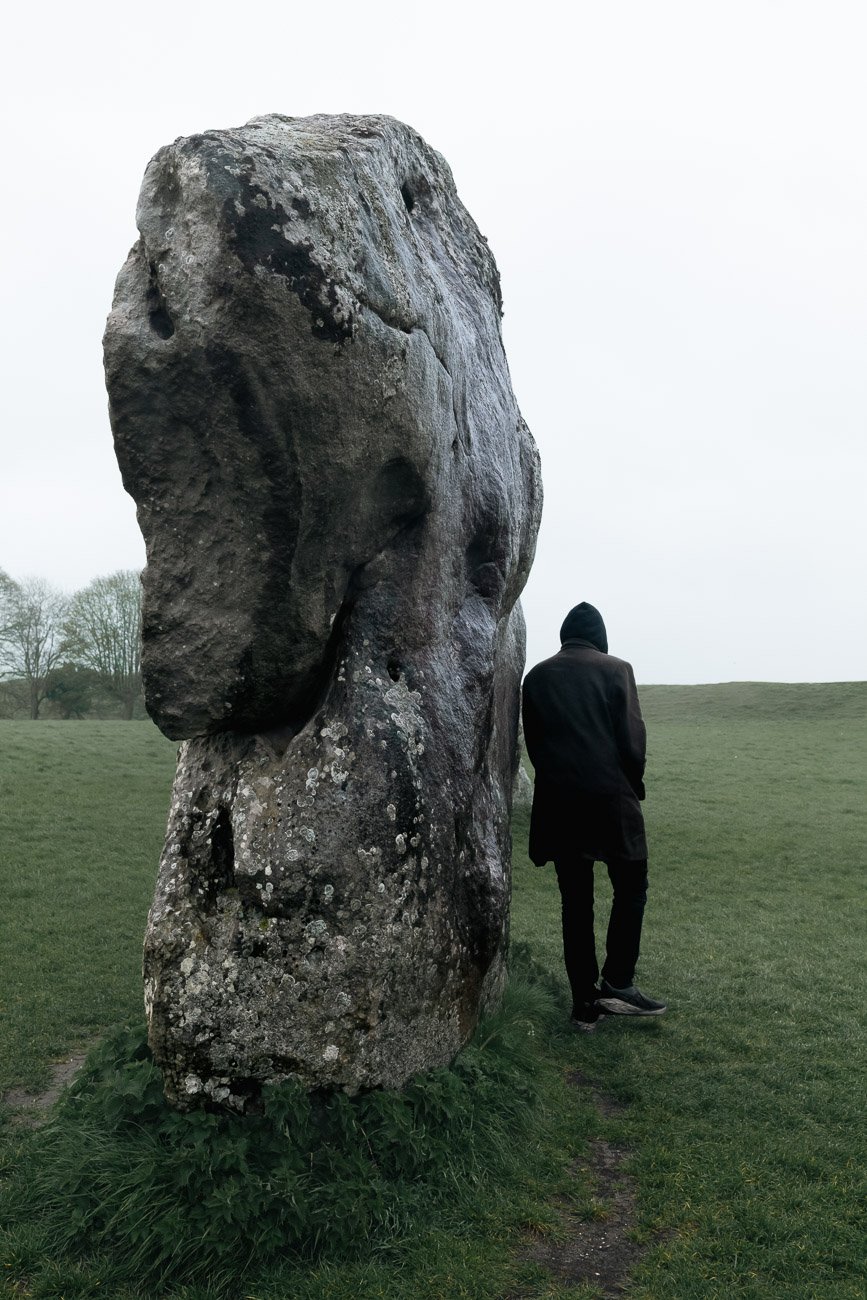
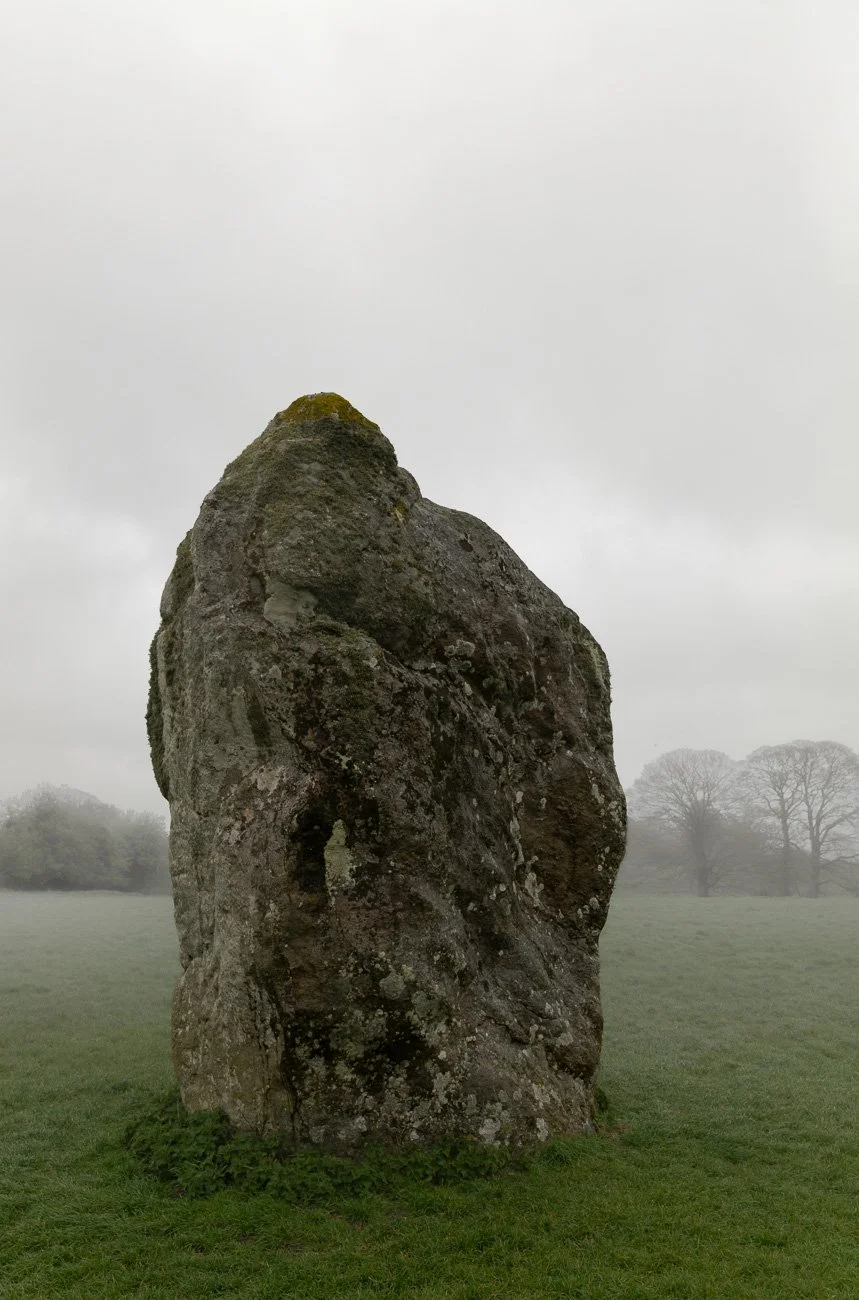
Originally, ninety-eight sarsen stones (sandstone blocks) formed the outer ring, some weighing up to forty tonnes and some rising more than four metres high. The act of moving and raising them demanded organisation on a scale that still mystifies to this day. This monumental construction took a long time to complete; besides effective organisation, it also reflects a stable society and suggests that the people involved must have felt sufficiently secure to dedicate time to activities that are not essential.
Within the northern inner circle stands The Cove, three massive stones arranged in a horseshoe-like enclosure. Many believe this space held particular ceremonial weight, a place set slightly apart even within the larger complex. It carries a different density.
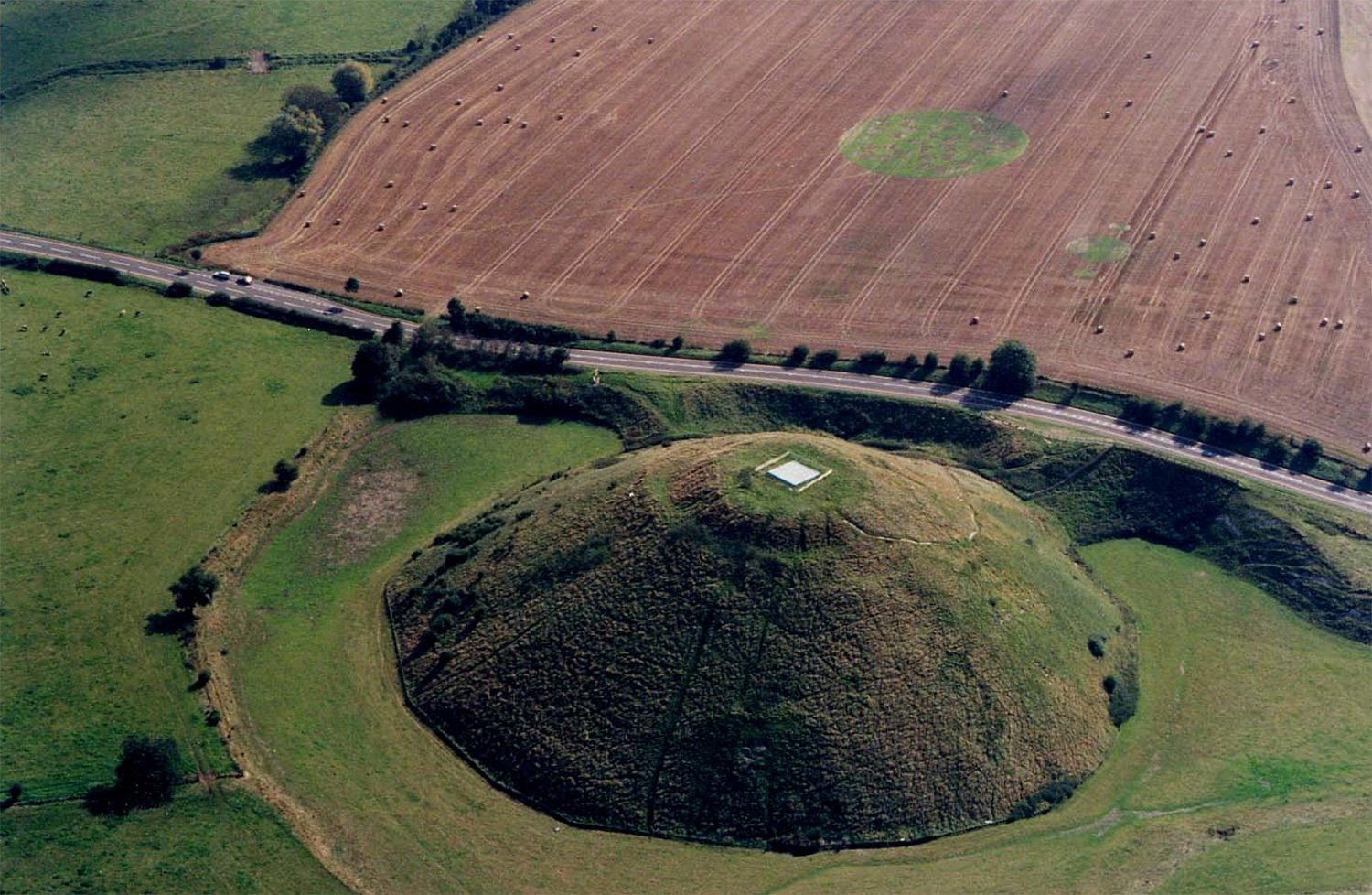
Nearby rises Silbury Hill, the largest man-made mound in Europe, built over four thousand years ago. Its purpose remains unknown. No burial chamber has been found, adding yet another layer to the mysteries of Avebury.
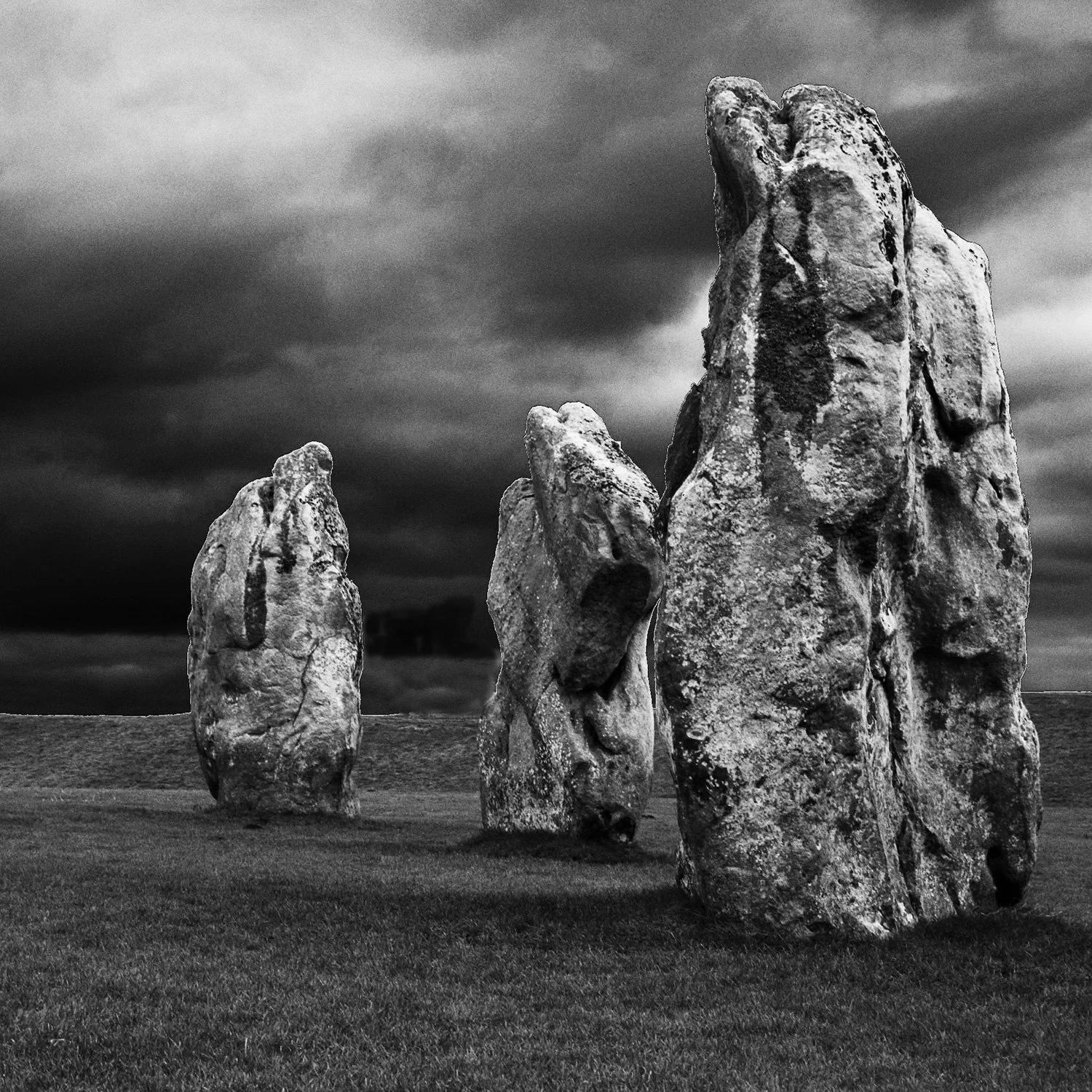
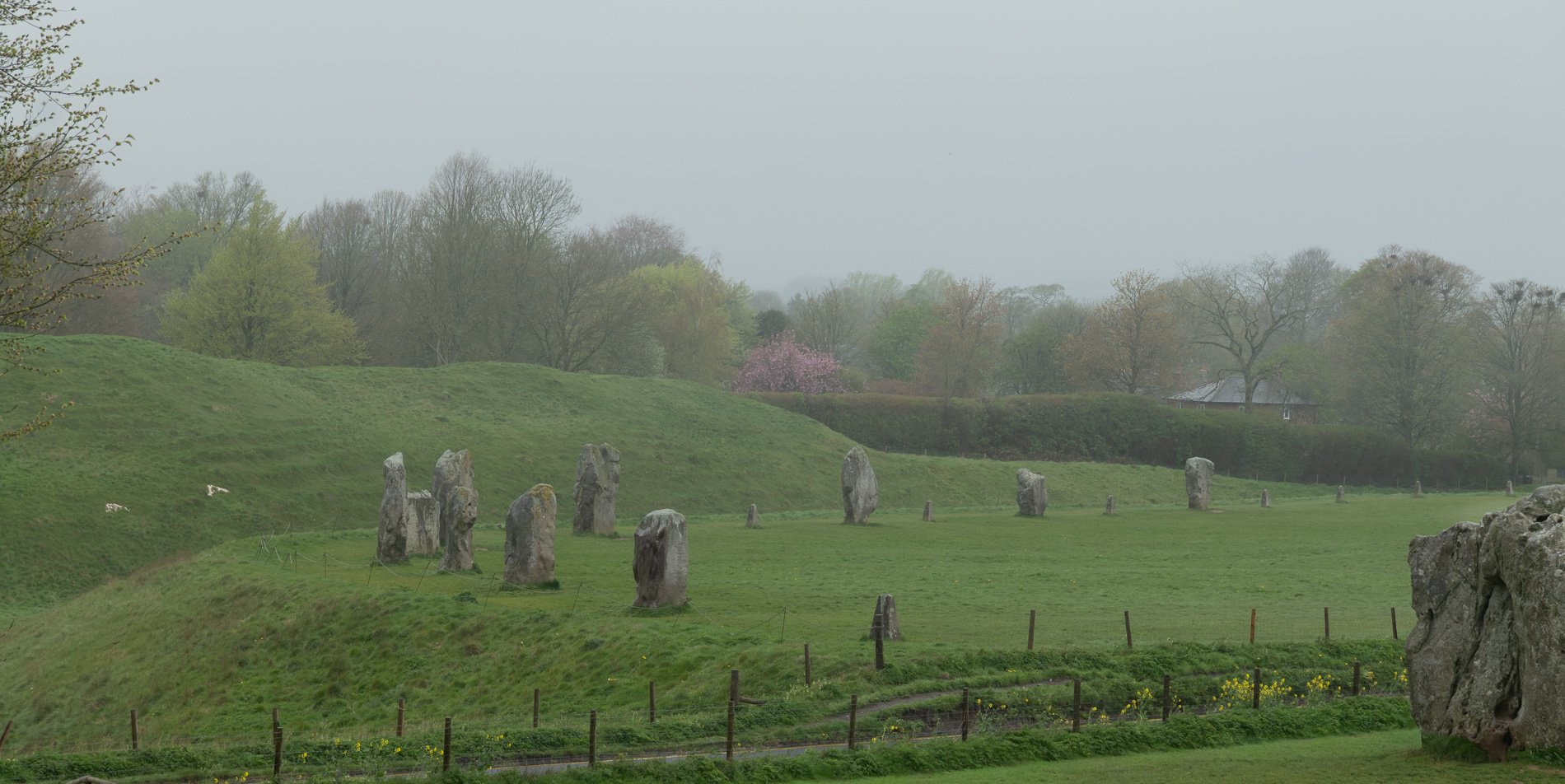
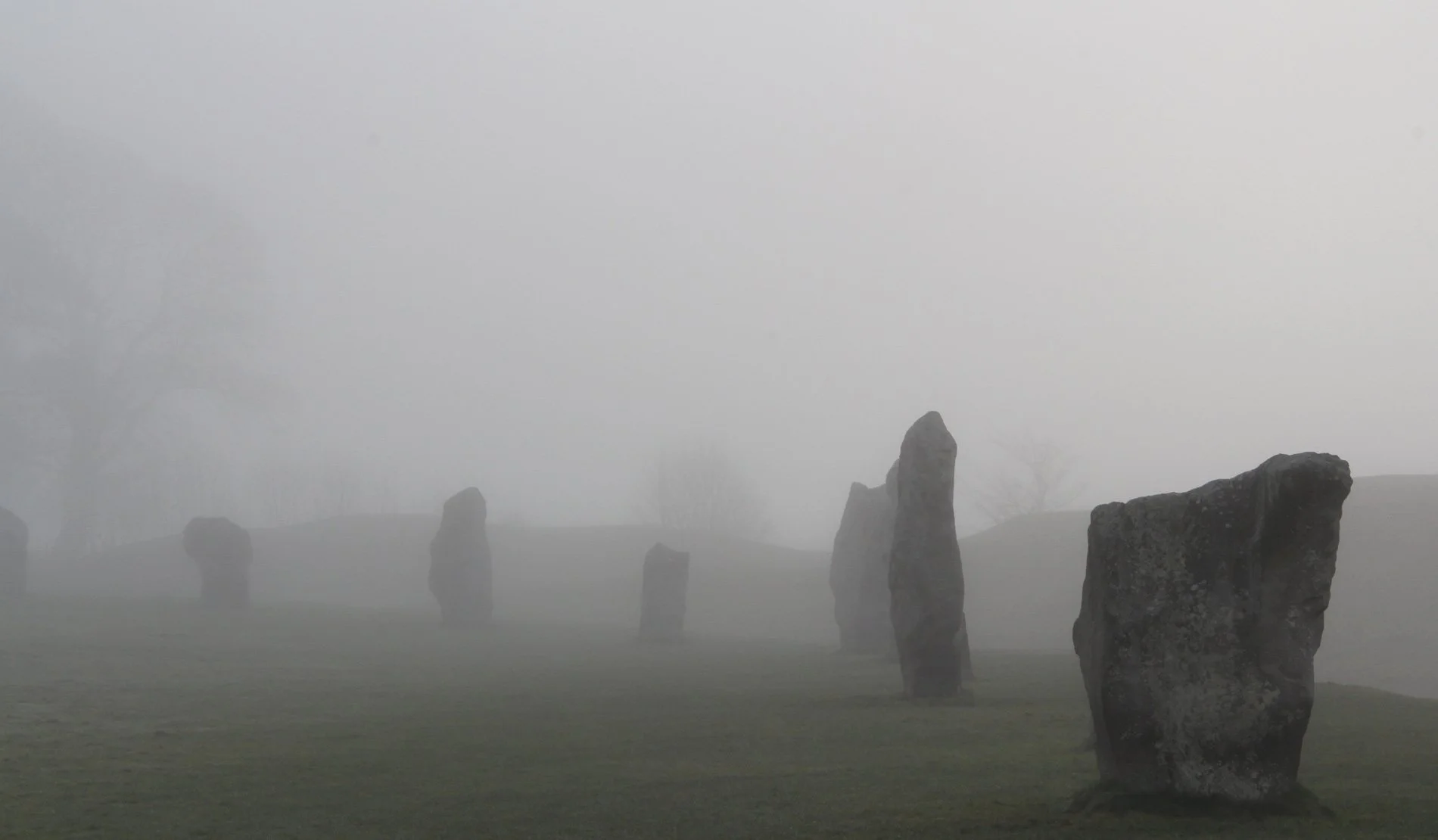
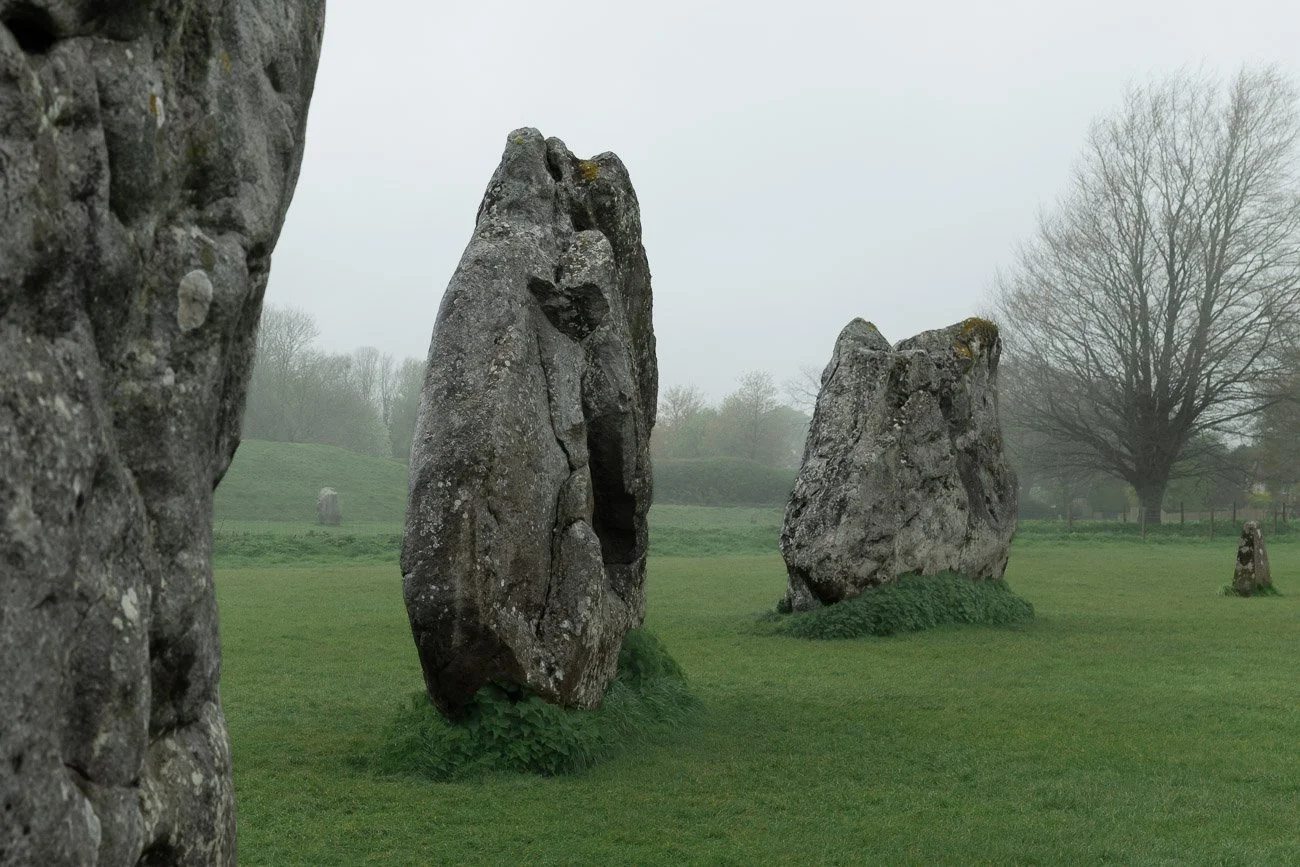
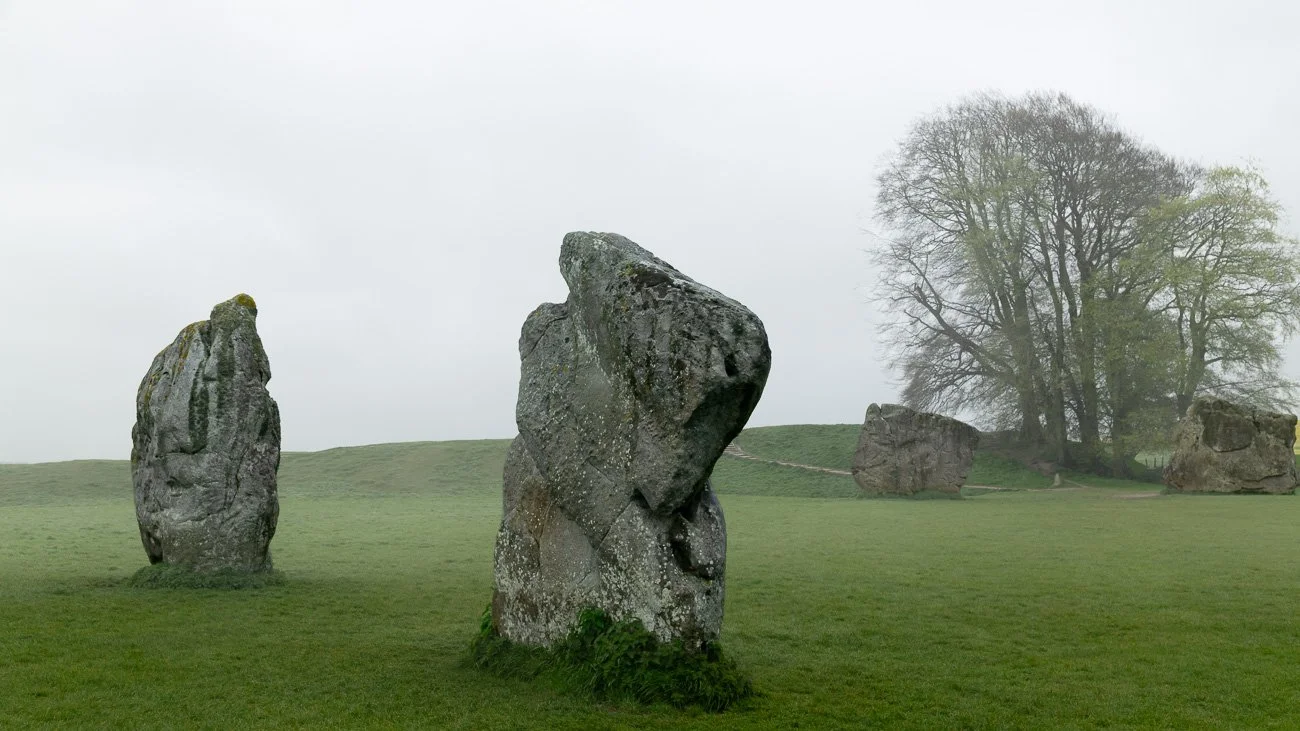
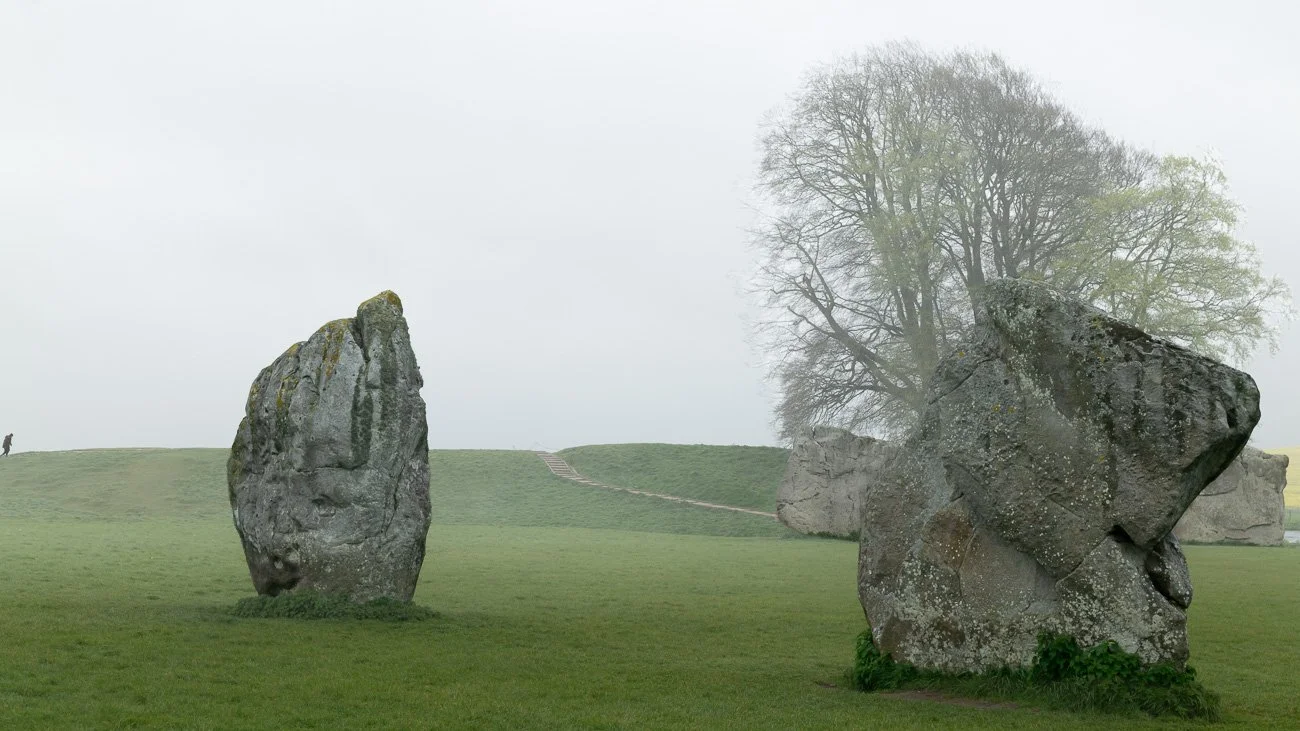

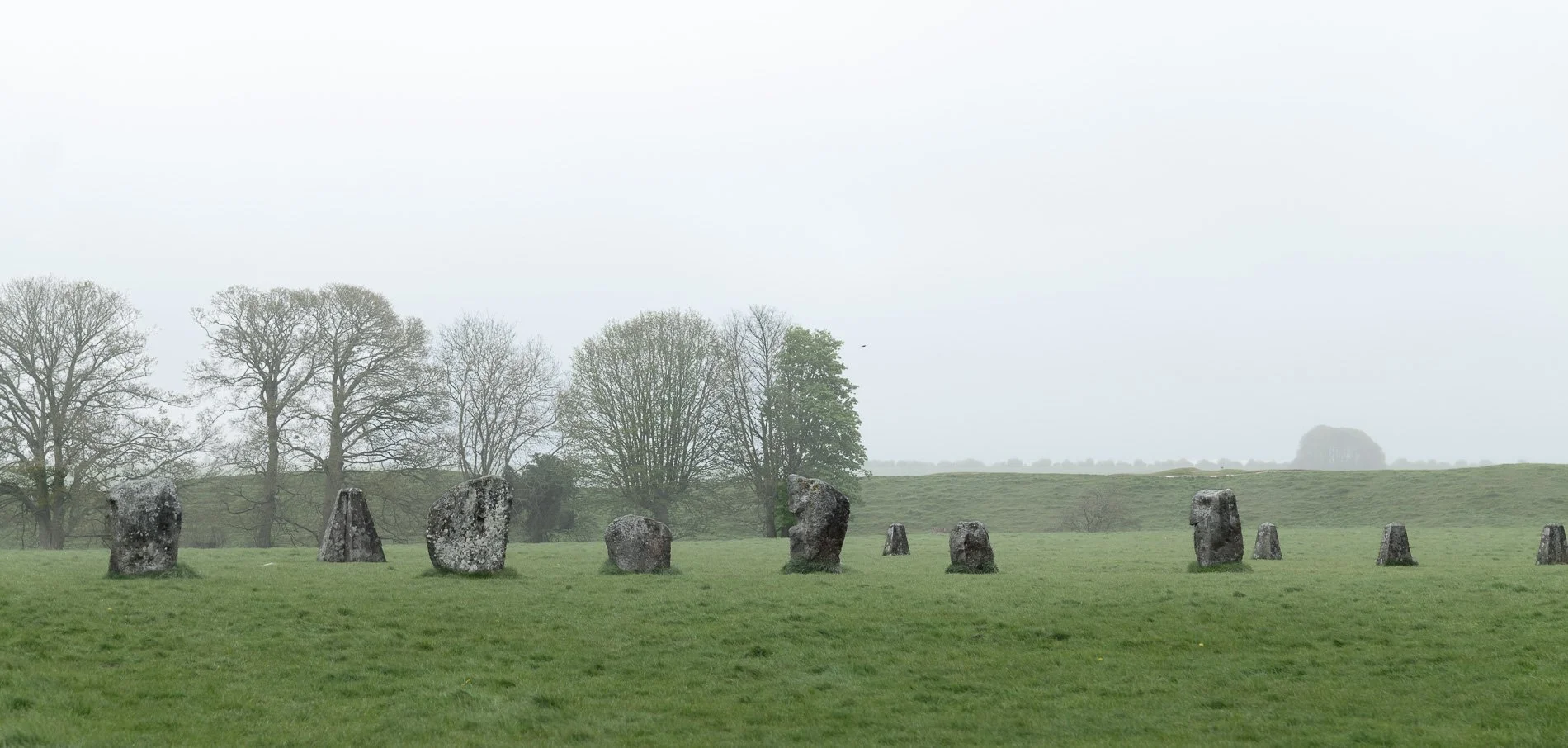
Avebury Ring in Wiltshire
National Trust
www.avebury-stones.co.uk
coordinates 51.4275131,-1.8549353
