
Biko, Mexico City – Fine Dining at the Edge of Emotion
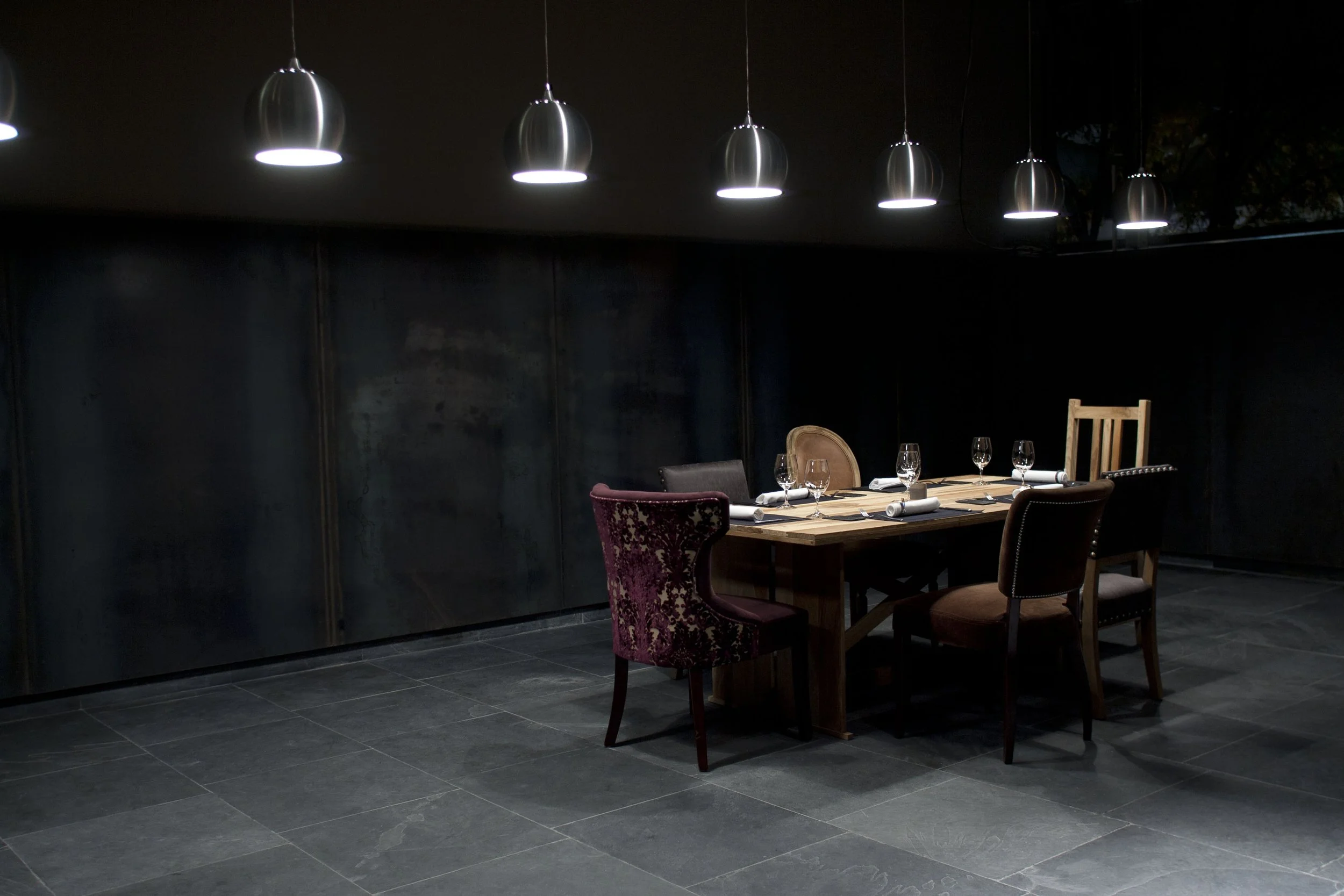
Biko was already well established as one of Mexico City’s most captivating dining rooms when we visited in 2012. Not just for its reputation, but for the way its food evoked emotional resonance. Surprising textures, vibrant colour, inviting aromas, and bold flavours all arrived laden with emotional depth.
The source of that energy becomes clear when you peer behind the veil. The two exceptional and contrasting chefs describe their creative spirit as “cocina gatxupa,” a term coined to describe the fusion of Basque technique and Mexican ingredients.
Chef Mikel Alonso, originally from Biarritz in the French Basque Country, began his career studying chemical engineering before switching to culinary arts at the prestigious Luis Irizar school in San Sebastián. Mexico introduced him to Bruno Oteiza, a Spanish Basque chef with extensive experience across Europe and Mexico. From that partnership, Biko was born.
Their cooking is best described as refined Basque cuisine infused with Mexican ingredients, traditions, and sensibilities. By 2012, the restaurant had already made it onto the World’s 50 Best Restaurants list, ranking at number 38. The menu offered three options: Creative, Traditional, and a chef’s tasting menu. We chose the Creative and the chef’s tasting menu, trusting the kitchen entirely.
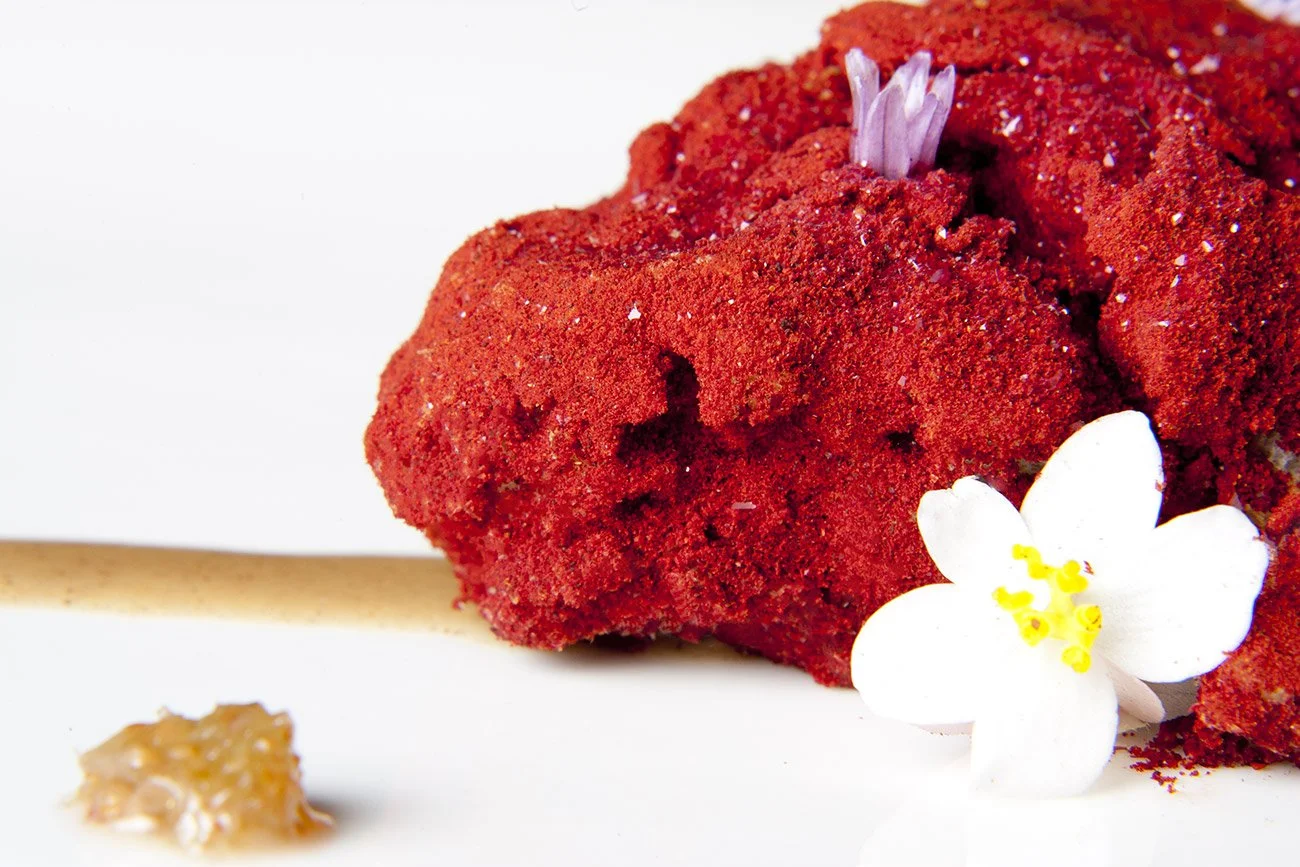
From the first bite, it was clear we were in expert hands. We were greeted with a delicate beetroot foam— ethereal in texture yet firmly rooted in the vegetable’s earthy depth, a small gesture, but one that set the tone. The service throughout was precise and attentive, with a particularly thoughtful touch; noticing we were sharing, each dish arrived split into two identical portions so we could fully appreciate the presentation.
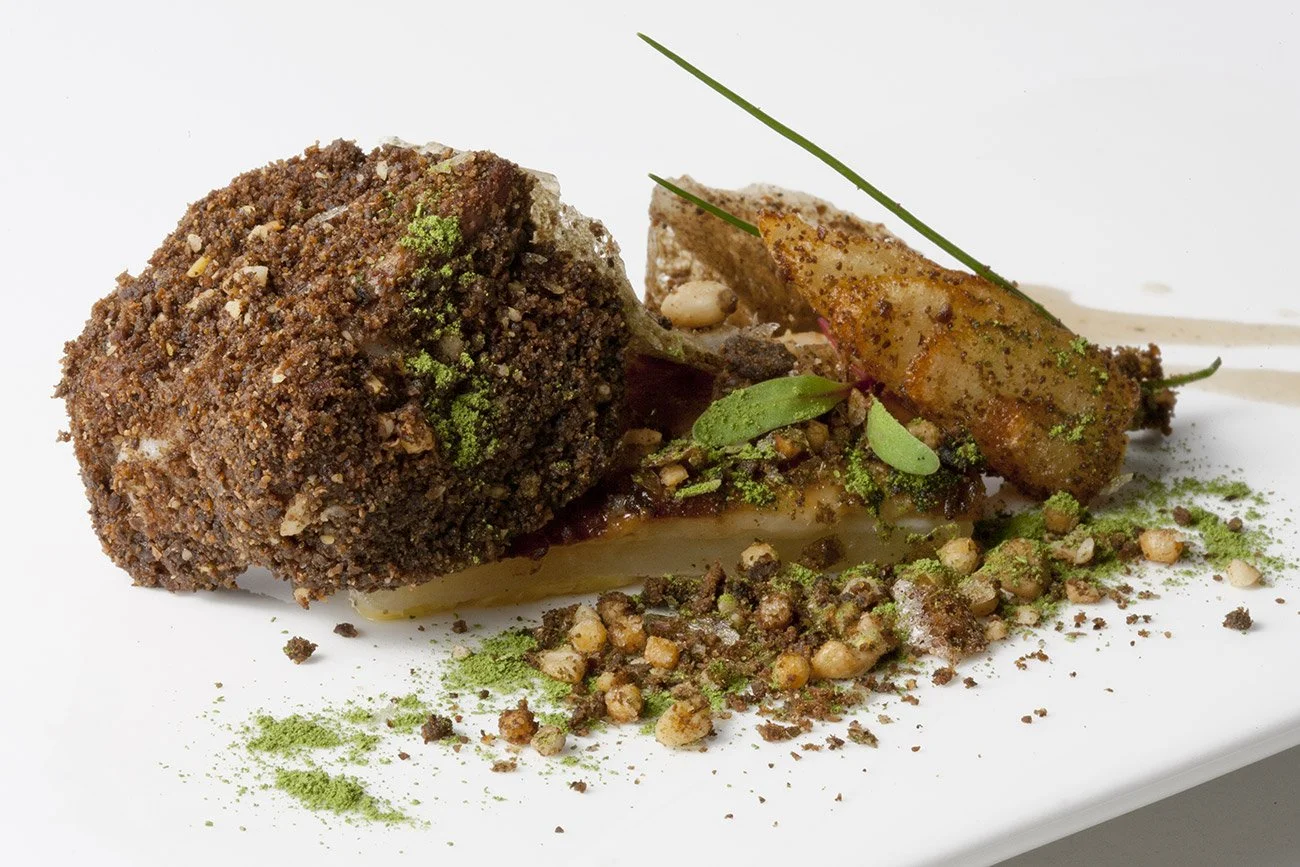
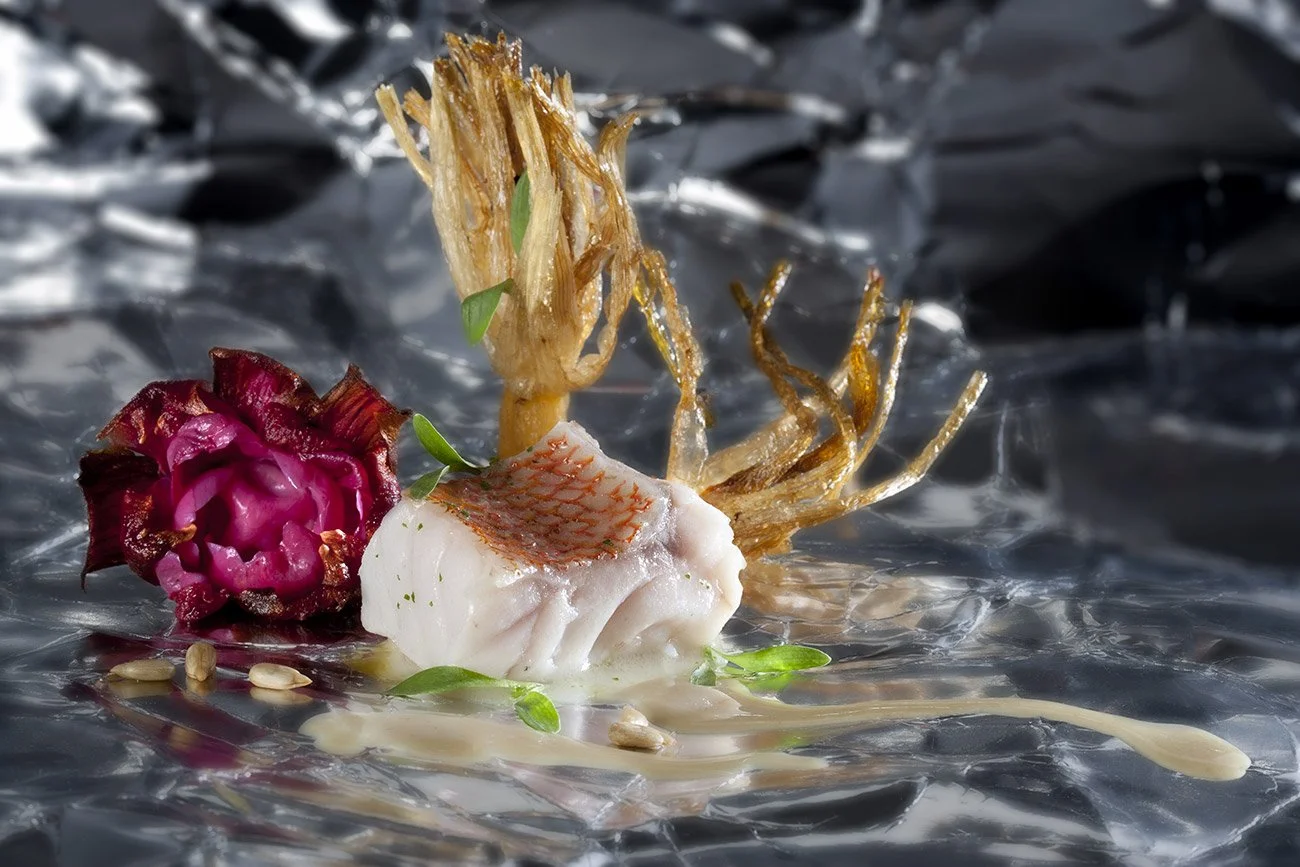
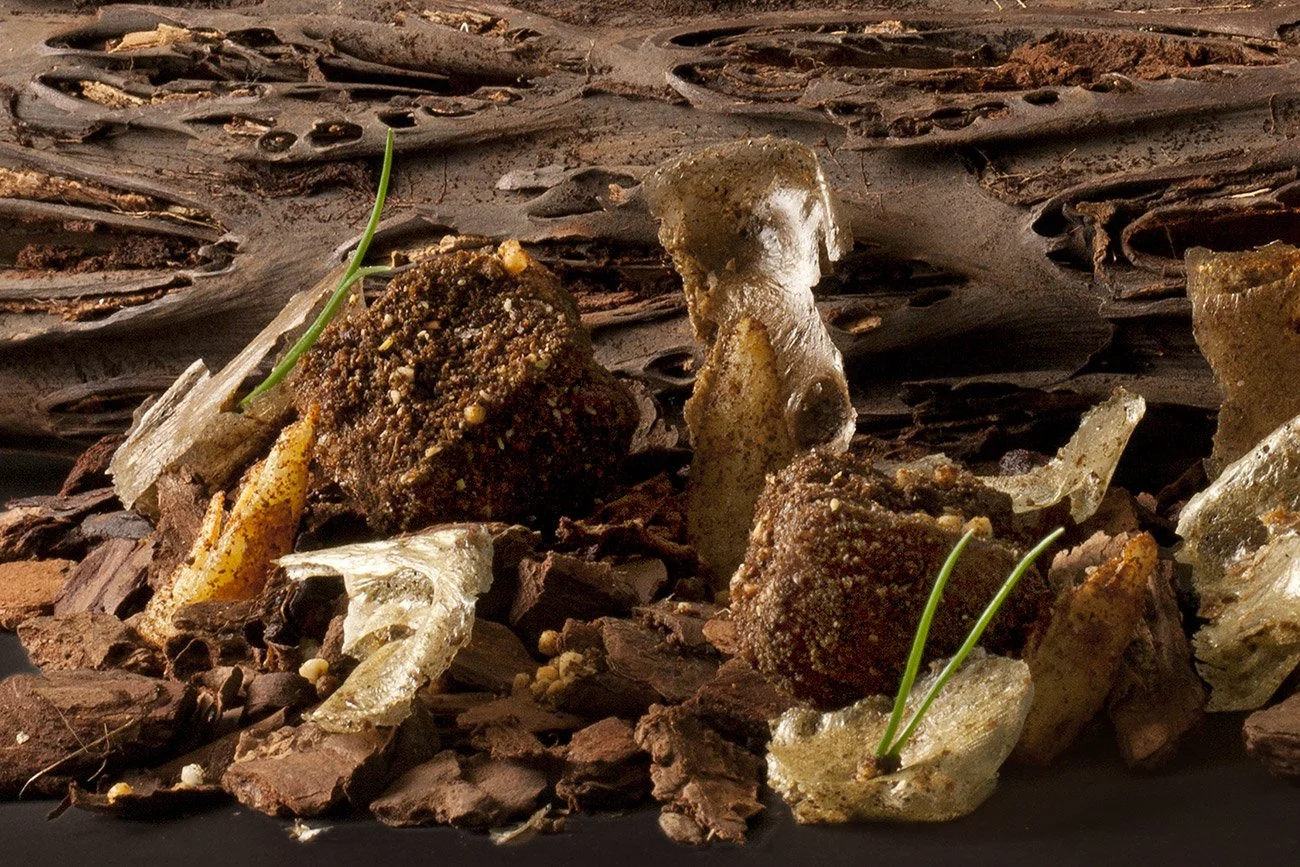
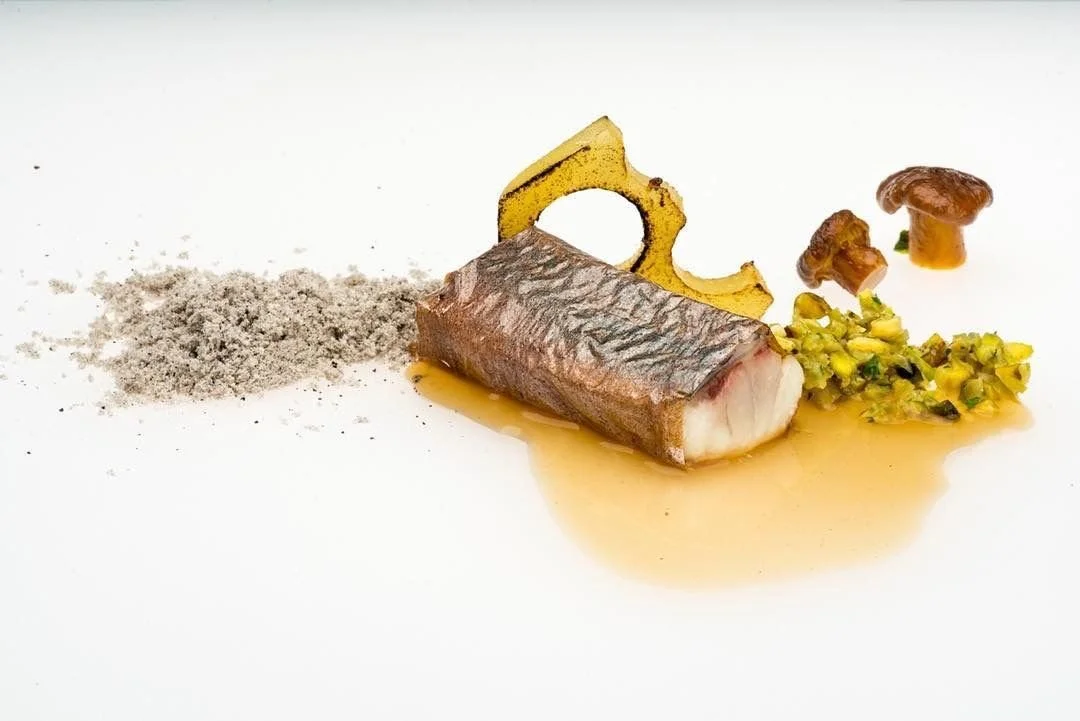
Regrettably, we did not photograph the meal. Dinner service felt too busy to interrupt with cameras. What remains instead are memories of flavours that have stayed remarkably vivid.
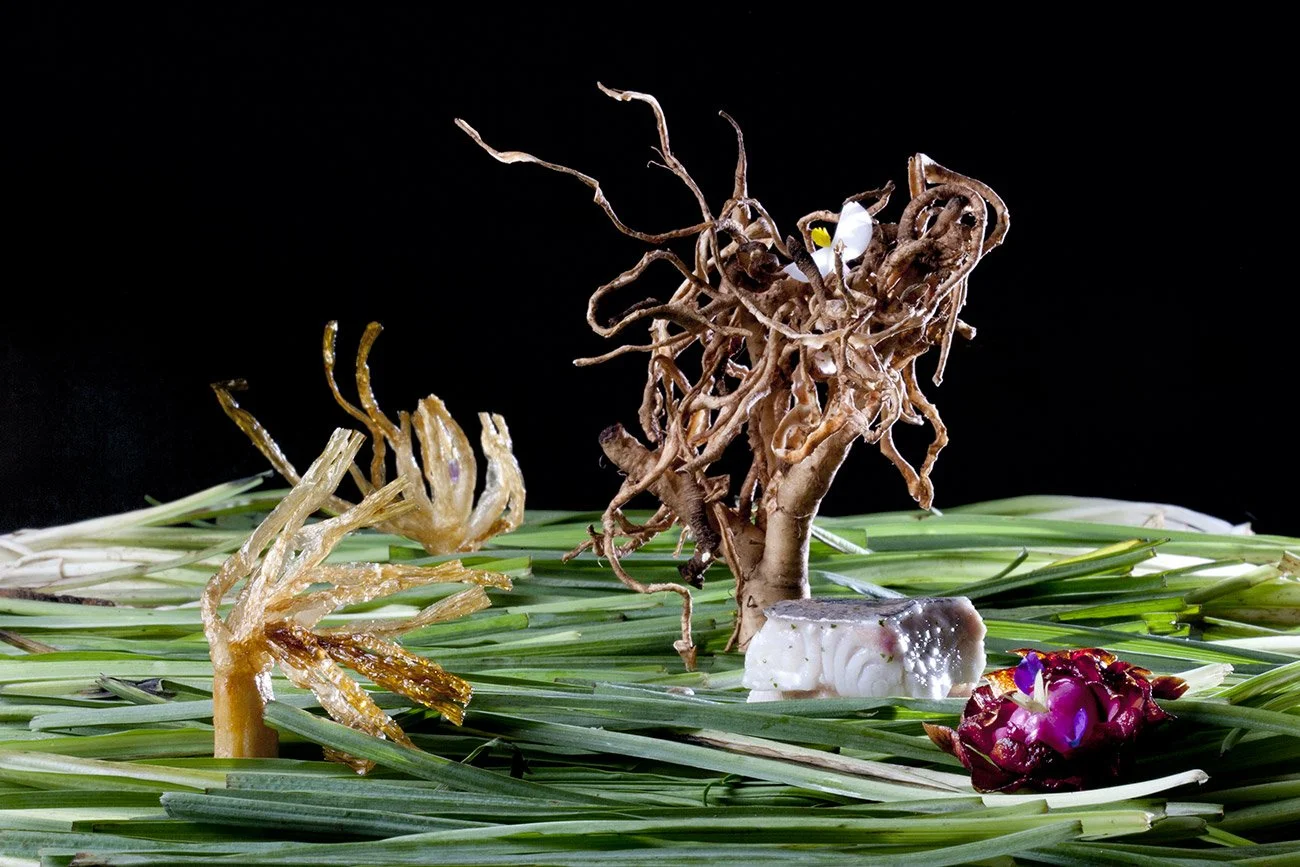
The opening dish, Espárragos con Aromas de Campo, presented white asparagus braised and dressed with mojo de alcaravea (caraway), rosemary, and verdolagas, all bathed in a vinaigrette of green and white asparagus. A translucent sheet of chamomile gel and scattered flowers hover above. It was delicate, fragrant, and eerily evocative; like standing in a sunlit meadow at the start of spring.
One of the most remarkable aspects of the meal was its progression. Although we ordered freely, the kitchen arranged the courses so that each dish increased in intensity without overpowering the one before. Much like a well-judged wine tasting, lighter flavours gradually made way for richer, denser sensations.
Hamachi y Aguacate followed: yellowtail marinated in mirin, dark beer and tamari, paired with avocado and tiny croutons. So tender and well-balanced that we nearly ordered it again for dessert.
Then came Nuestro Frijol Líquido, a dish that felt both ancient and modern. A perfectly spherical dumpling of shrimp and avocado leaves sat at the centre of the bowl, surrounded by herbs. Only after we had absorbed the composition did the waiter pour a hot, aromatic, and deeply comforting bean broth over it.
Pescado con Costra de Hongos y Refrito Aireado arrived next; sea bass with mushroom and almond sauce, potatoes, quintonil greens, and an espuma of fried garlic oil, vinegar, and porrusalda—a rustic Basque leek broth.
Then the eclipse; Pescado en Pipián. Sea bass, wrapped in a delicate green cake of pumpkin seed mole. One bite stopped us. Steam escaped as the fish yielded, impossibly moist, the pipián rich but restrained. Mole is rarely paired with seafood, yet here it felt inevitable rather than experimental; this was precision, not novelty.
Dessert begins with Frutas con pieles de otras frutas. Roasted seasonal fruit wrapped in the skins of other fruits, topped with raspberry and green pepper purée, and served with pulque bread ice cream. Pulque, a milky, lightly sour fermented beverage made from maguey sap. It predates both beer and mezcal and carries centuries of Mexican history in its milky tang.
After only a short immersion in Mexico City’s extraordinary food culture, Biko stood apart — a three-hour journey that felt meticulously composed yet emotionally alive.

elote de foie gras y pesca empapelada con salsa de tomatillo
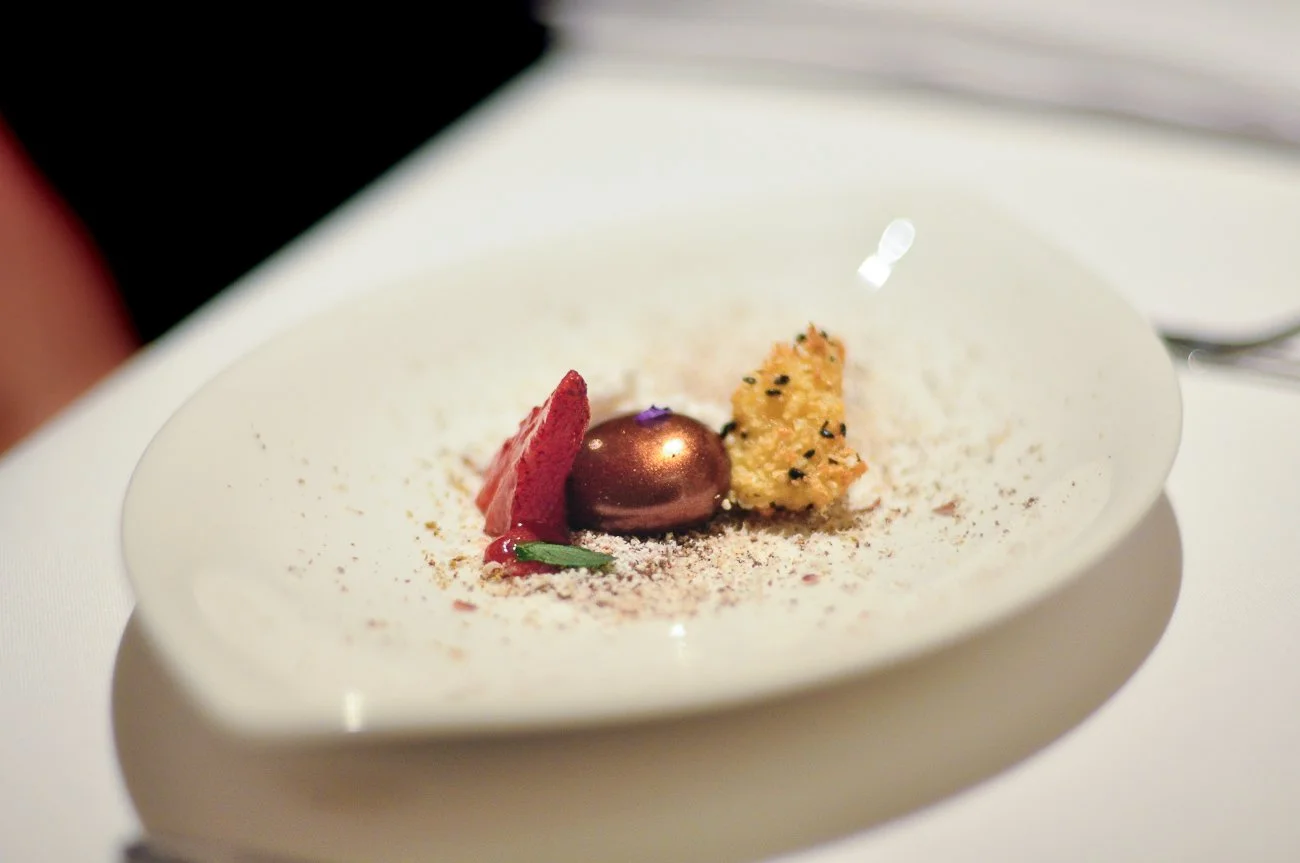
Trufas Bronceadas — a choreography of textures: bronzed spheres of molten chocolate arrived, alongside wine-cured strawberries that dissolved on the tongue. A dried, fried pulque nut cake absorbed the richness before butter-lemon ice cream cut through with brightness. It was fun!! Yes, but also deeply satisfying. We ordered it again immediately. This is not a dessert you share.
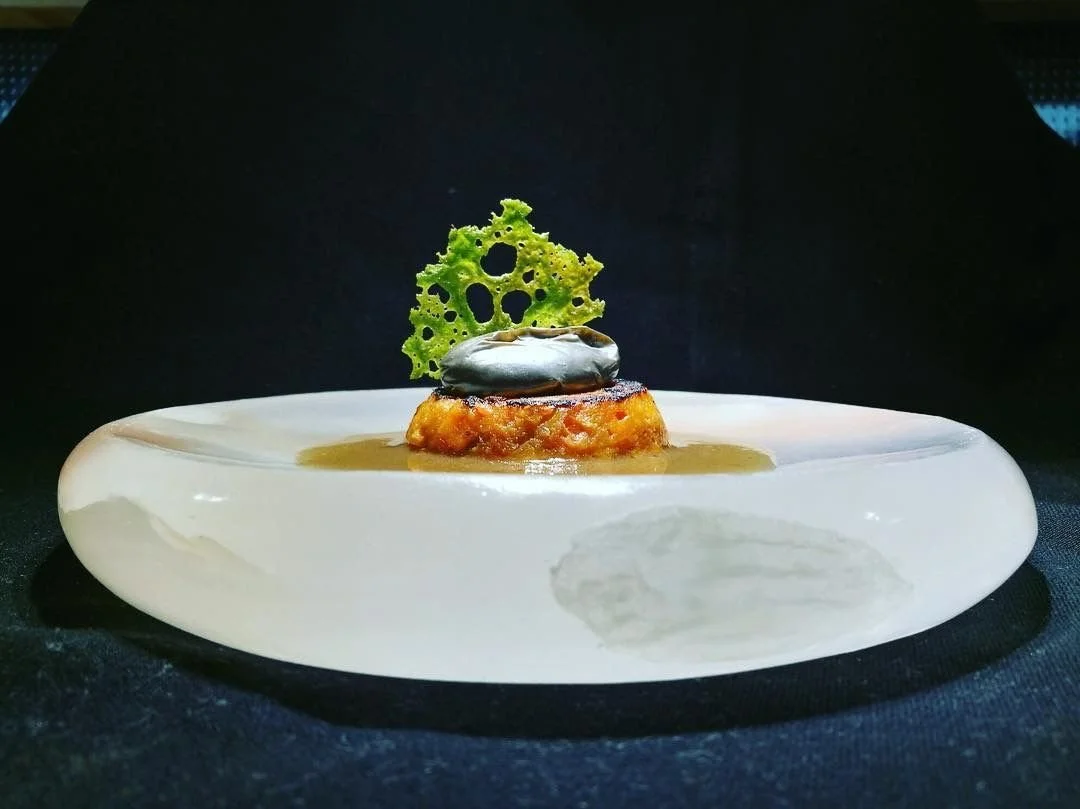
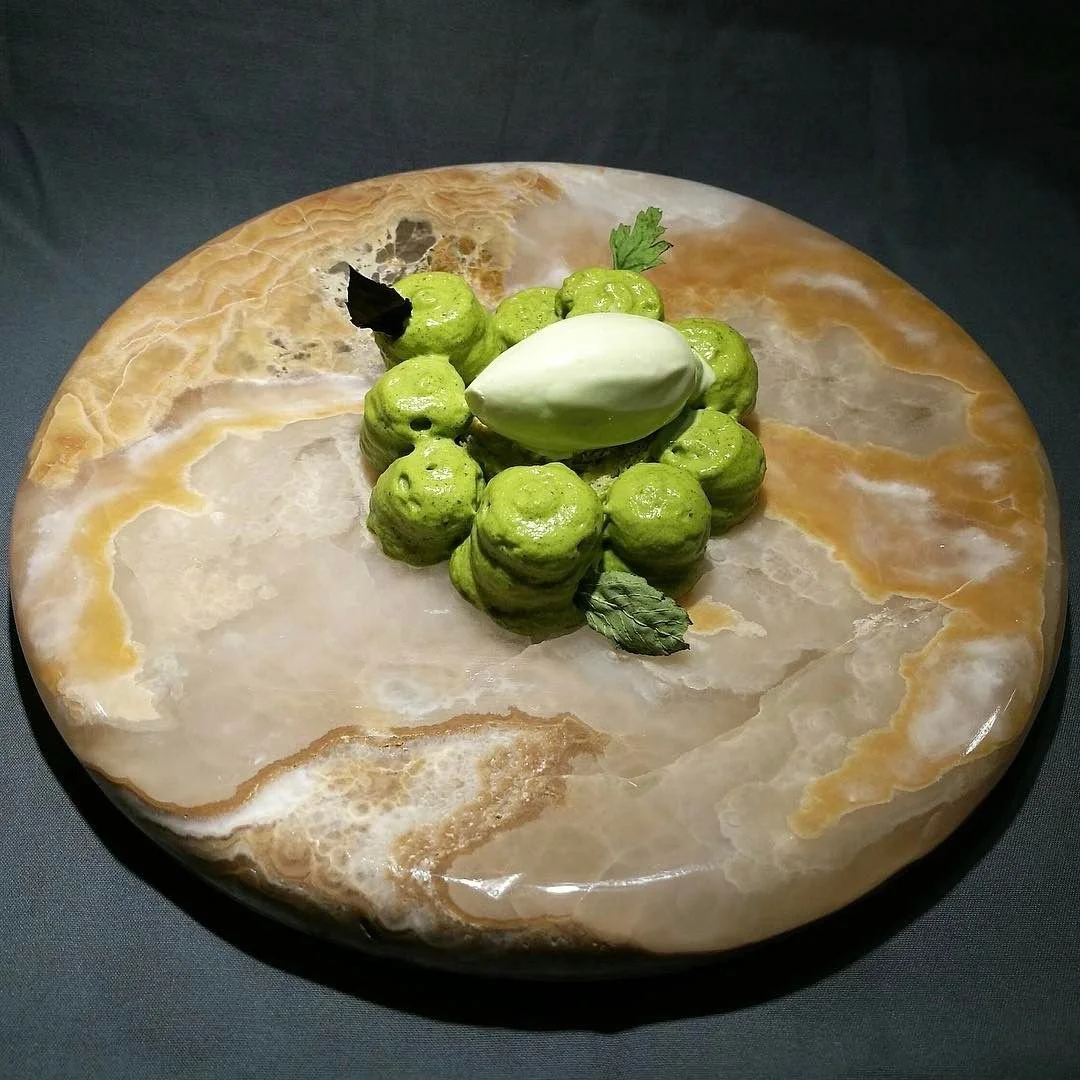
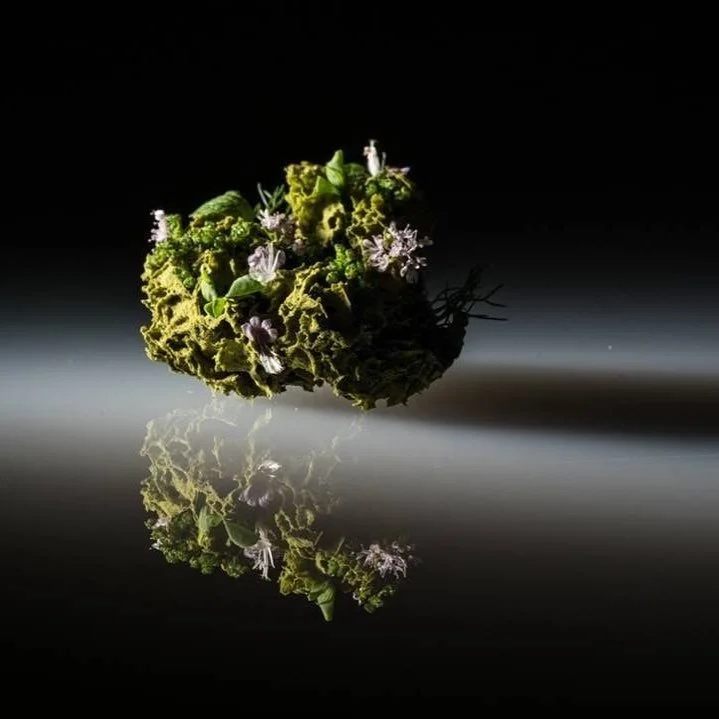
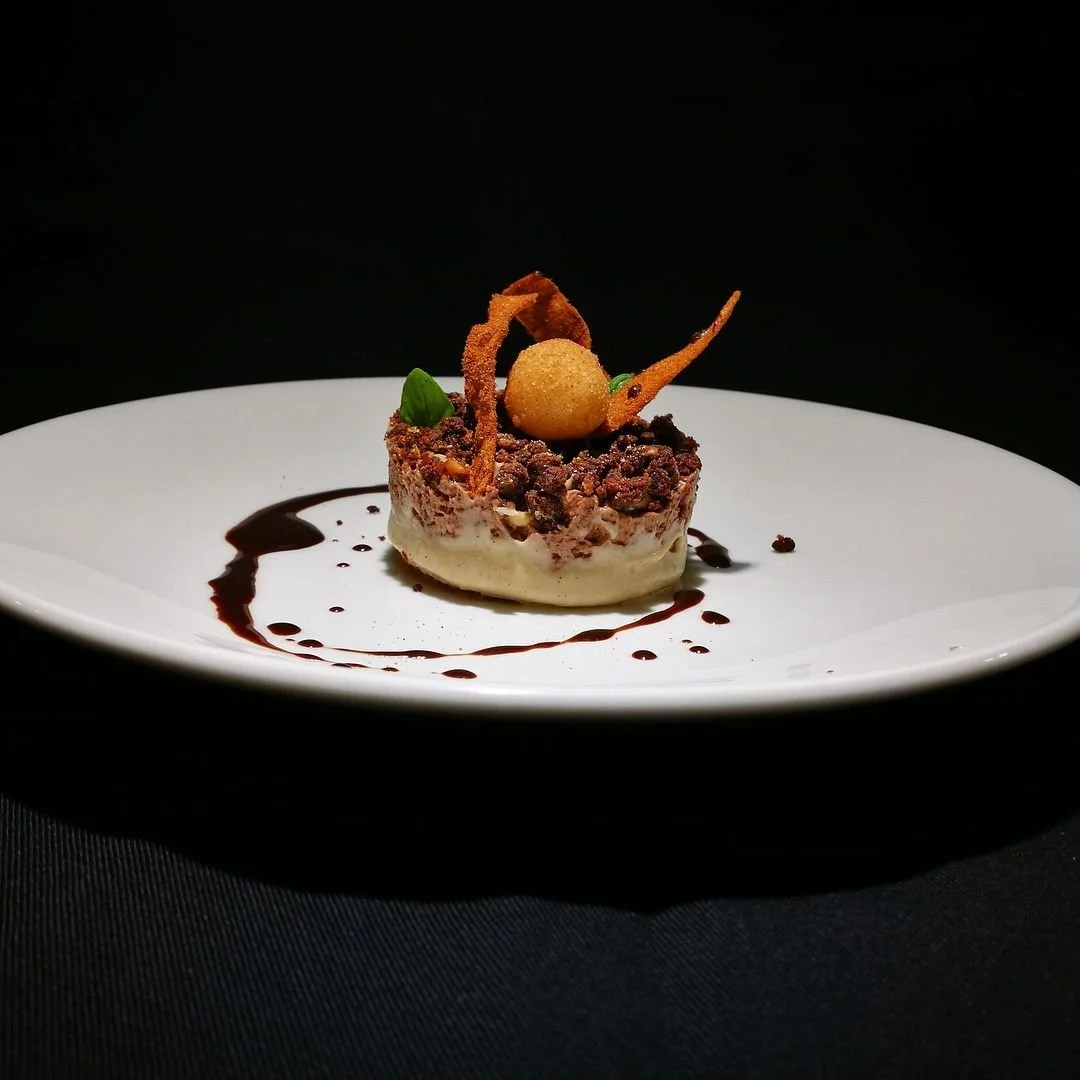
Biko Restaurant
Unfortunately, Biko is now permanently closed. However, for those who were fortunate enough to experience it, the memory continues to shine.
Presidente Masaryk 407 Polanco, Miguel Hidalgo, 1550 Mexico City, DF, Mexico
