
Cobá a Mayan City Written Into The Jungle
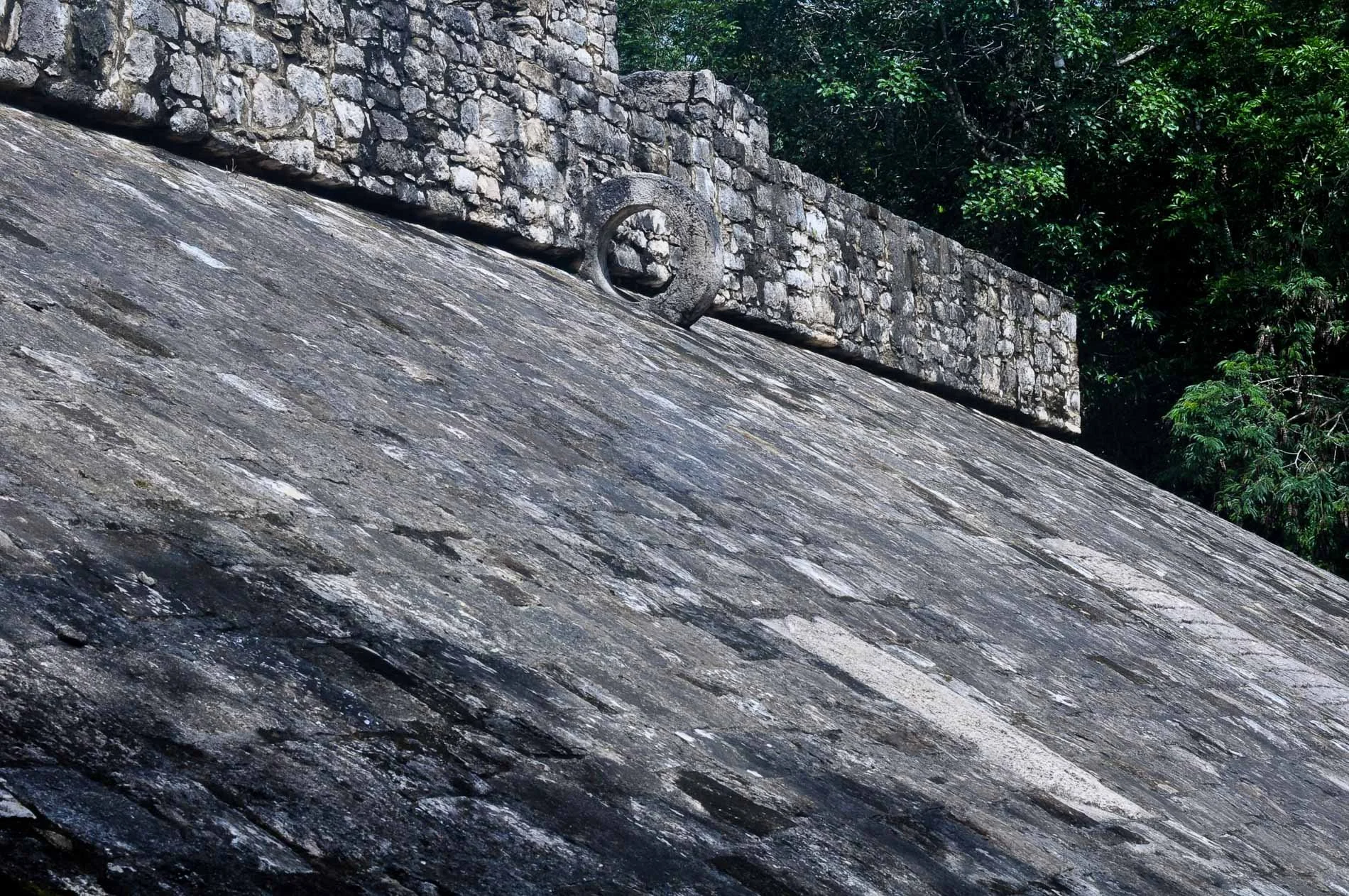
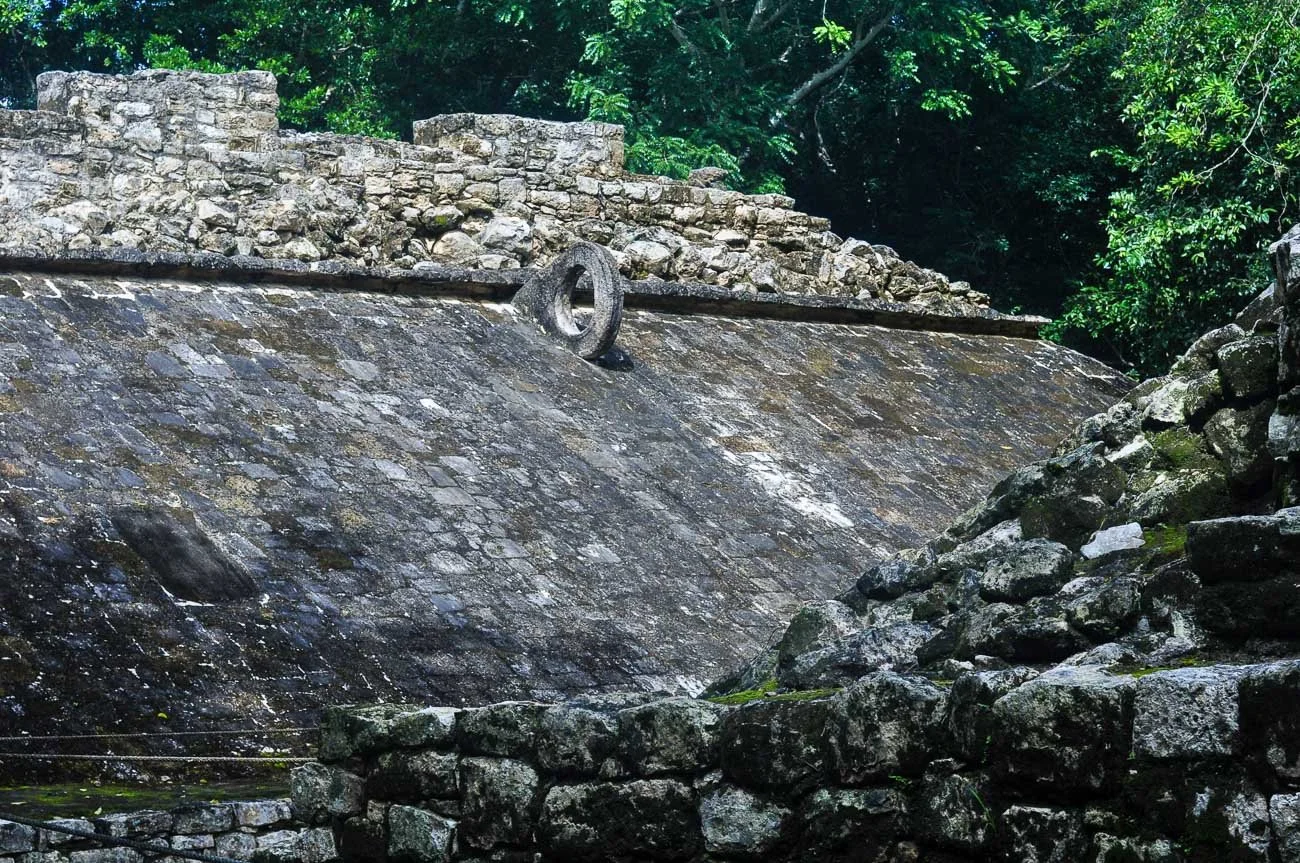
Ball Court
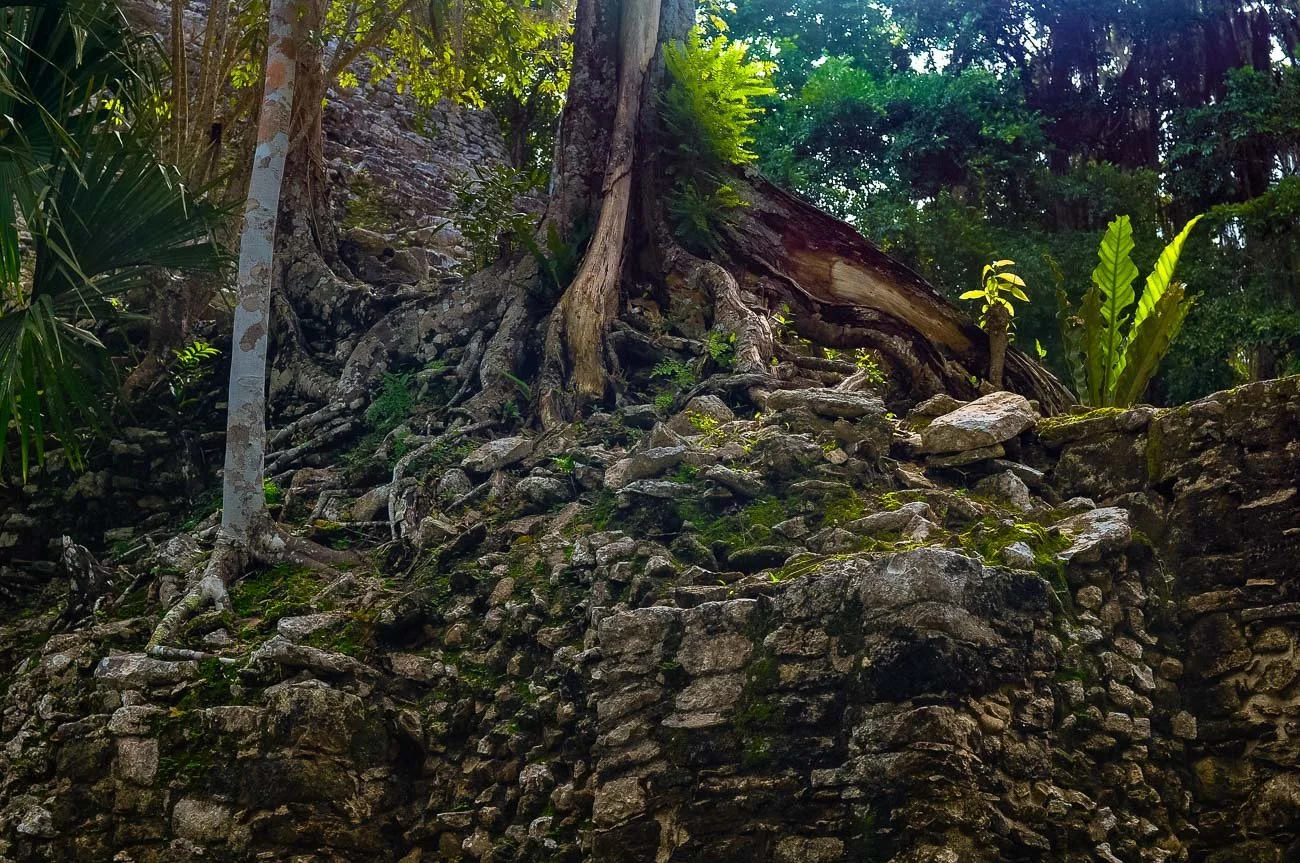
Set deep in present-day Quintana Roo, between Tulum and Chichén Itzá, Cobá quietly exists within the lowland jungle that has reclaimed the city over centuries. This site is dispersed and deliberately woven into the forest and two lagoons. Covering over 80 square kilometres (31 square miles), Cobá was one of the largest Maya cities ever built and exemplifies one of the most ambitious spatial layouts in the ancient Maya civilisation.
Cobá functioned not as a single monumental centre but as an extensive urban complex connected through the sacbeob network— elevated white limestone pathways that traverse dense jungle, linking neighbourhoods, plazas, temples, and remote satellite settlements. Some of these roads extend only a few hundred metres, while others cover great distances, reaching well beyond the city limits. Imagine Cobá at its height: messengers moving swiftly along the white sacbeob, traders arriving from distant settlements, and smoke rising above the temples as the lagoons shimmer beside the city. Today, those same roads disappear quietly into the jungle.
Recent research has significantly reshaped scholarly understanding of Cobá’s political influence during the Classic period, broadly spanning AD 600–900. The presence of dense residential zones, marketplace plazas, and inscriptions carved in stone reveals a thriving urban ecosystem rather than solely a ceremonial centre. Although Cobá stood inland, it was never isolated. Trade routes travelled along the sacbeob and beyond, linking the city to a wider regional network. The surrounding forest supplied timber, medicinal plants, and fuel, while the lagoons provided water and food.
Cobá started losing influence between AD 900 and 1000, during the wider decline of the Classic Maya civilisation, and was largely abandoned as a political centre by around AD 1100.
Formal archaeological work at Cobá began in 1926, focusing mainly on documenting its major structures. The project was abandoned in the early 1930s and resumed only in the 1970s, which helps explain why today visitors encounter just small, carefully cleared pockets of the vast archaeological landscape.
Nohoch Mul and Vertical Power
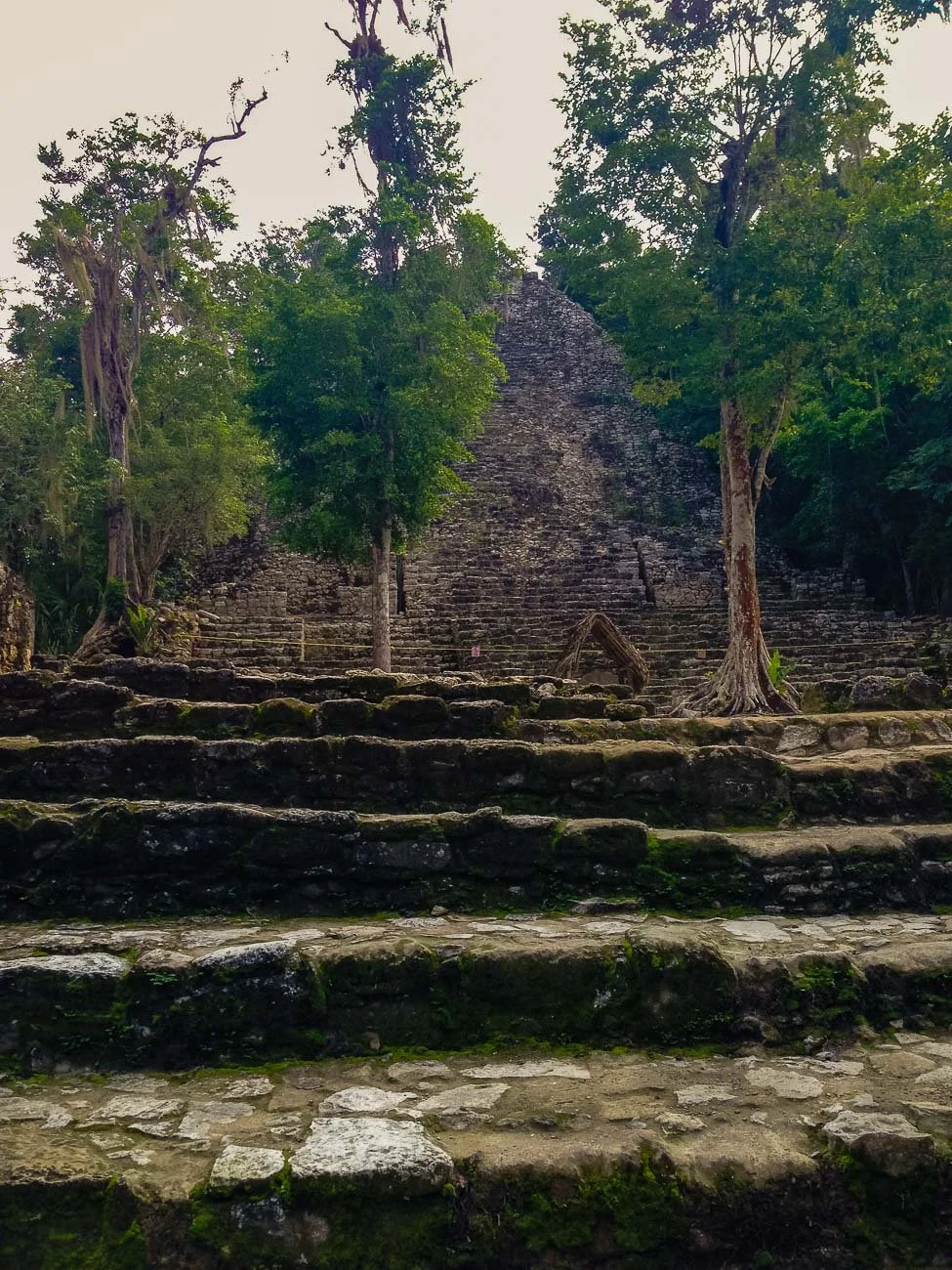
Rising gradually above the treeline, Nohoch Mul commands quiet respect. At roughly 42 metres (138 feet), it ranks among the tallest pyramids in the northern Maya lowlands. From the summit, the view is an endless sea of green in every direction. From this height, a ruler once gazed across the white roads and lagoons of the city, observing a metropolis spreading well beyond the forest canopy.
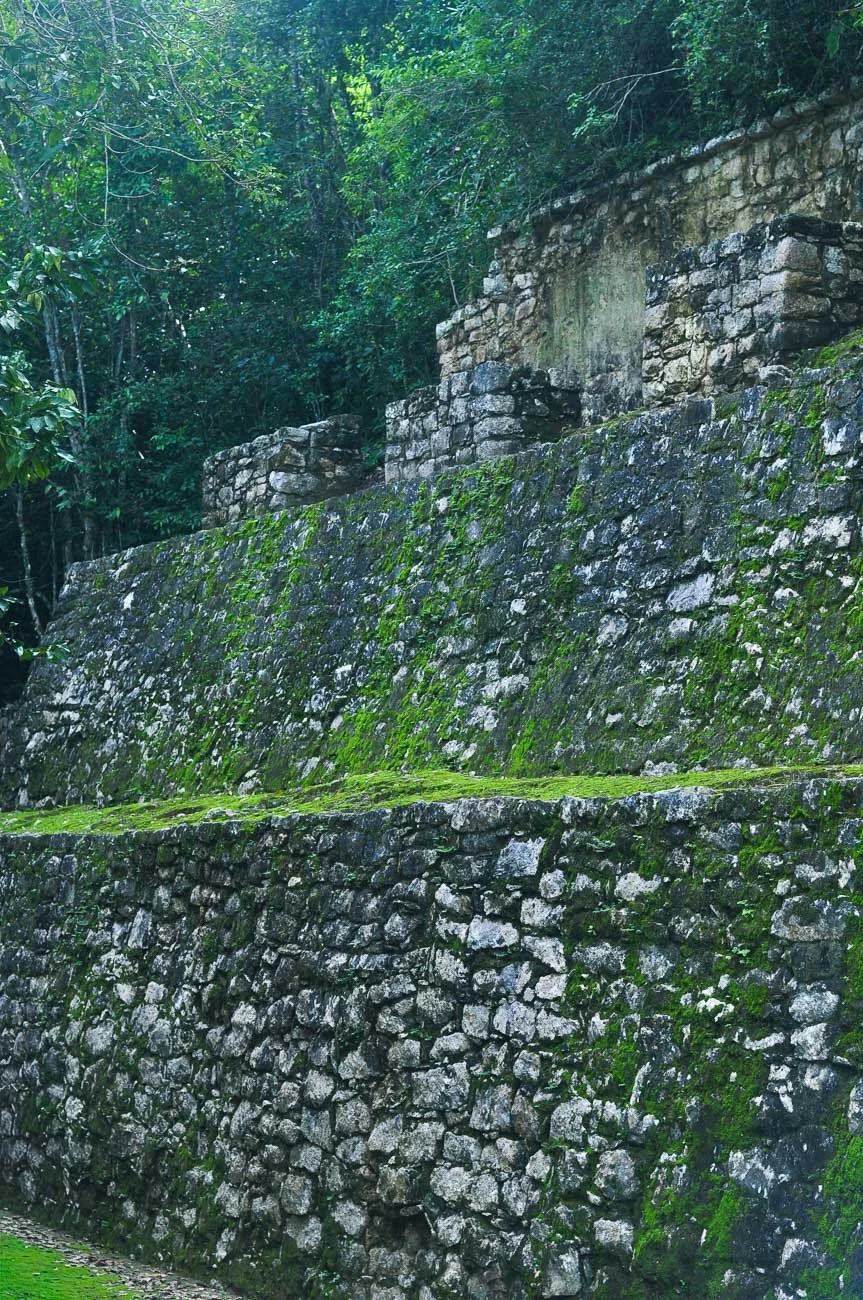
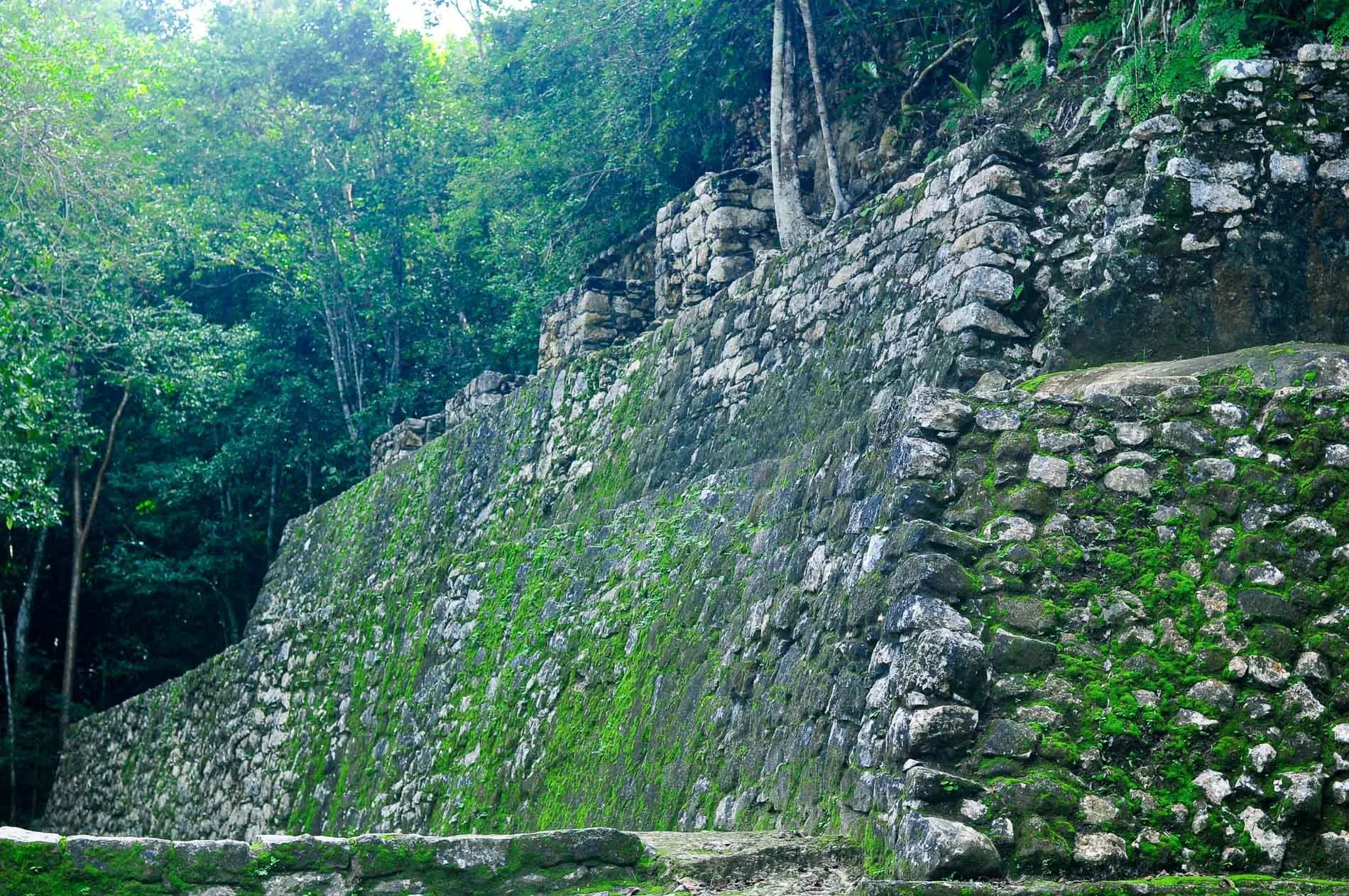
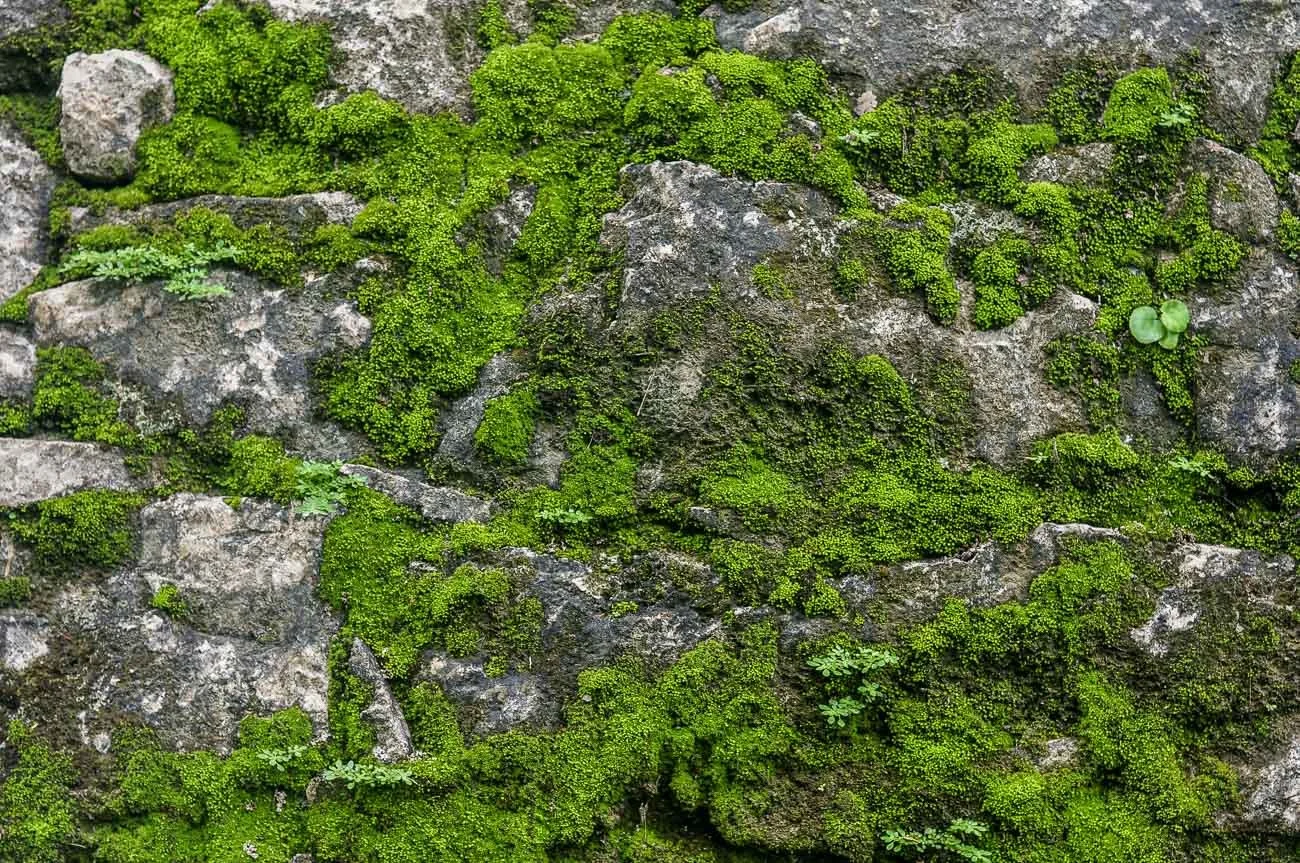
Nearby stands Cobá’s principal ball court, its stone surfaces now softened by moss. These were not merely sporting but ceremonial spaces, open to the sky, where cosmic narratives were enacted through physical endurance.
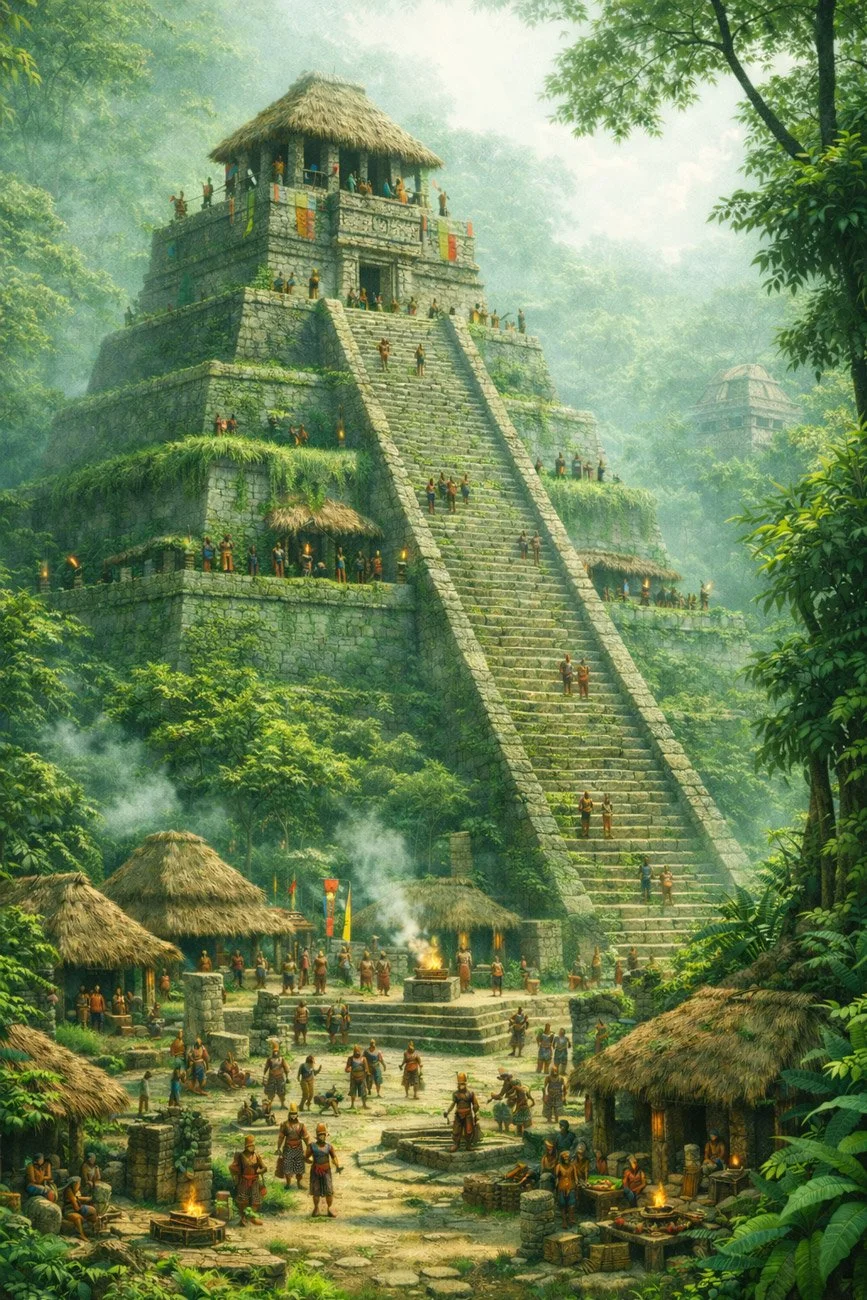
How Nohoch Mul Pyramid may have appeared during the classic era.
Ixmoja and the Weight of Time
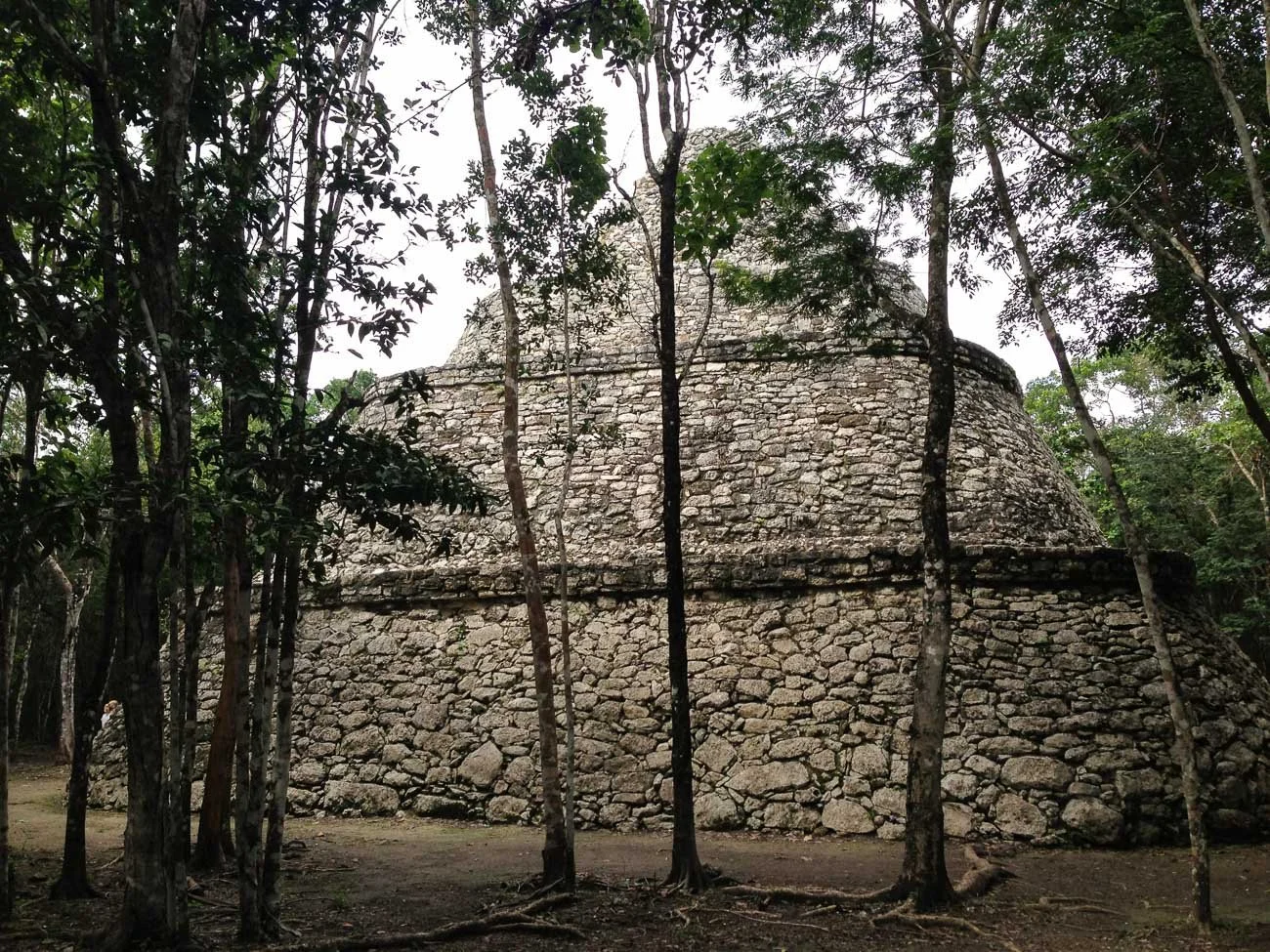
If Nohoch Mul exemplifies vertical dominance, Ixmoja forms Cobá’s ceremonial and dynastic core. Lower and broader at roughly 30–33 metres tall, the pyramid rises slowly from the jungle, grounded and imposing.
The Ixmoja Group forms a dense cluster of temples, plazas, and platforms, where political authority was concentrated. This area contains some of the site’s most significant stelae — upright, slab-like stone monuments used in ancient cultures for commemorative purposes. These stelae record rulers’ names, dates, and political events within the Maya Long Count calendar. Their discoveries suggest that Cobá maintained a strong dynastic identity for longer than previously believed.
Crossroads and Interior Worlds
At the intersection of major sacbeob stands the Crossroads Temple, elevated just enough to command attention. Its placement reflects Maya spatial logic. In Maya cosmology, crossroads were meaningful spaces where different worlds converged — terrestrial pathways, cardinal directions, and cosmic order. Movement through the city was therefore both practical and symbolic.
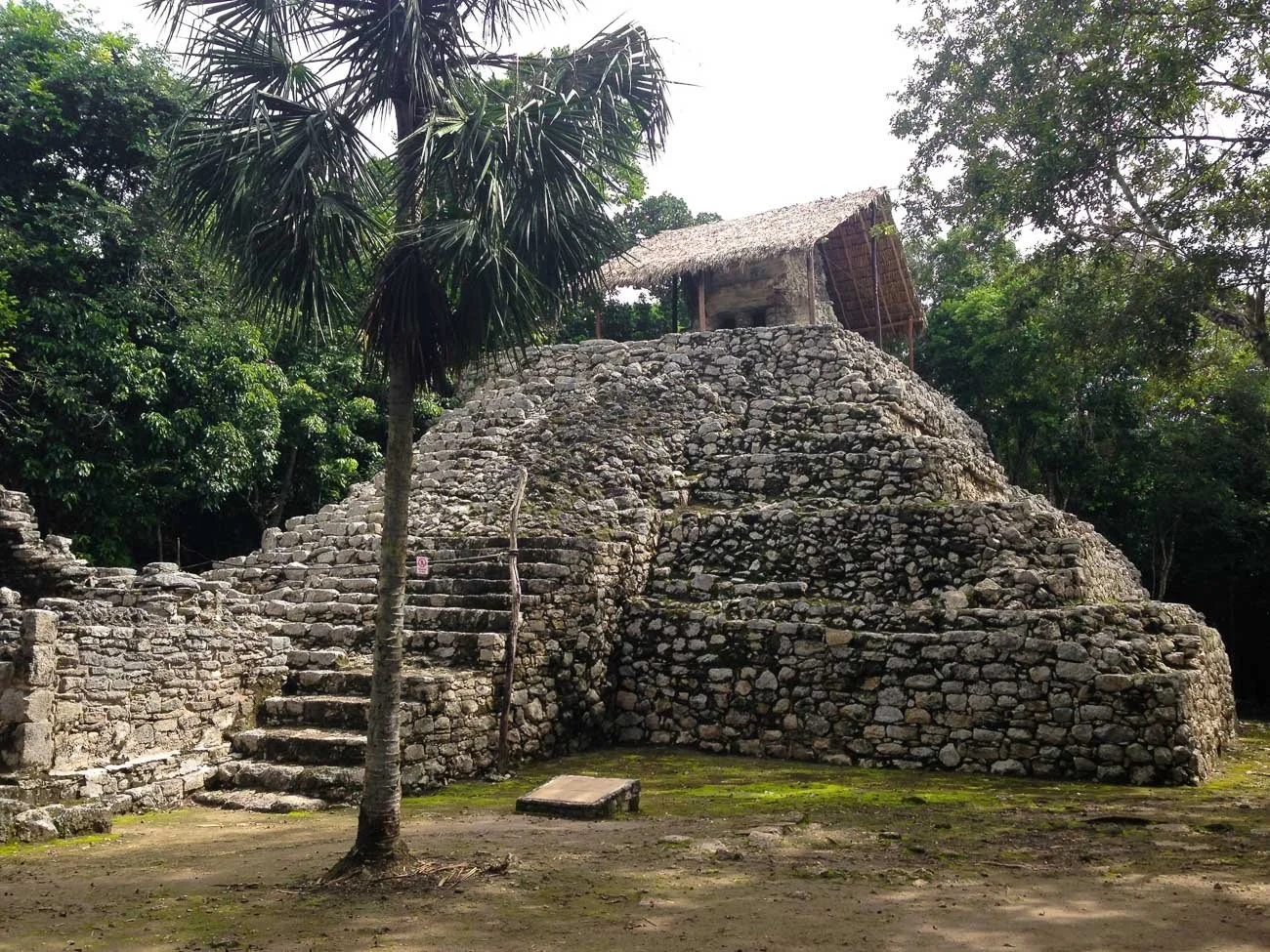
One of the most intimate areas is Conjunto Las Pinturas, where traces of painted stucco still survive despite the humid jungle climate. The structures here are smaller, inward-facing, suggesting spaces of interior meaning rather than public display.
Visiting the Site
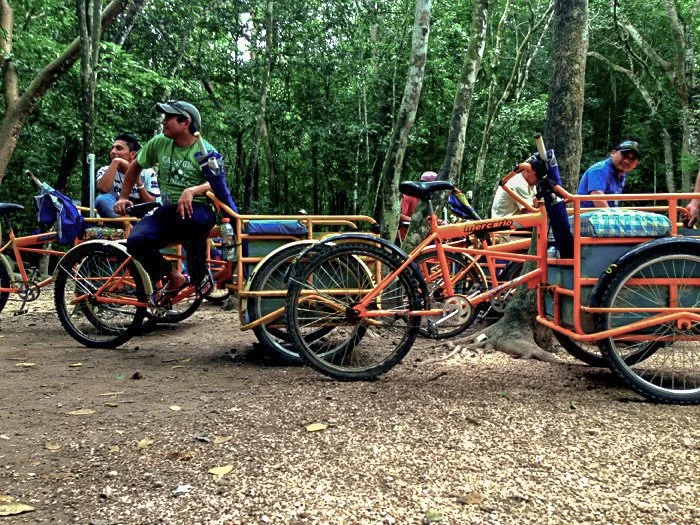
TIP: Hire a bicycle chariot! It’s the most joyful and effective way to navigate the vast site and understand how the city once functioned as a connected whole.
Just beyond the ruins, beside a quiet lagoon, Coqui Coqui Cobá makes a beautiful base or a restorative lunch stop after wandering the sacbeob.
Cobá was never truly lost, yet it evokes that feeling. Structures rise and sink into the jungle mist; temples appear suddenly among trees softened by vines and birdsong. Walking its paths is a truly magical experience.
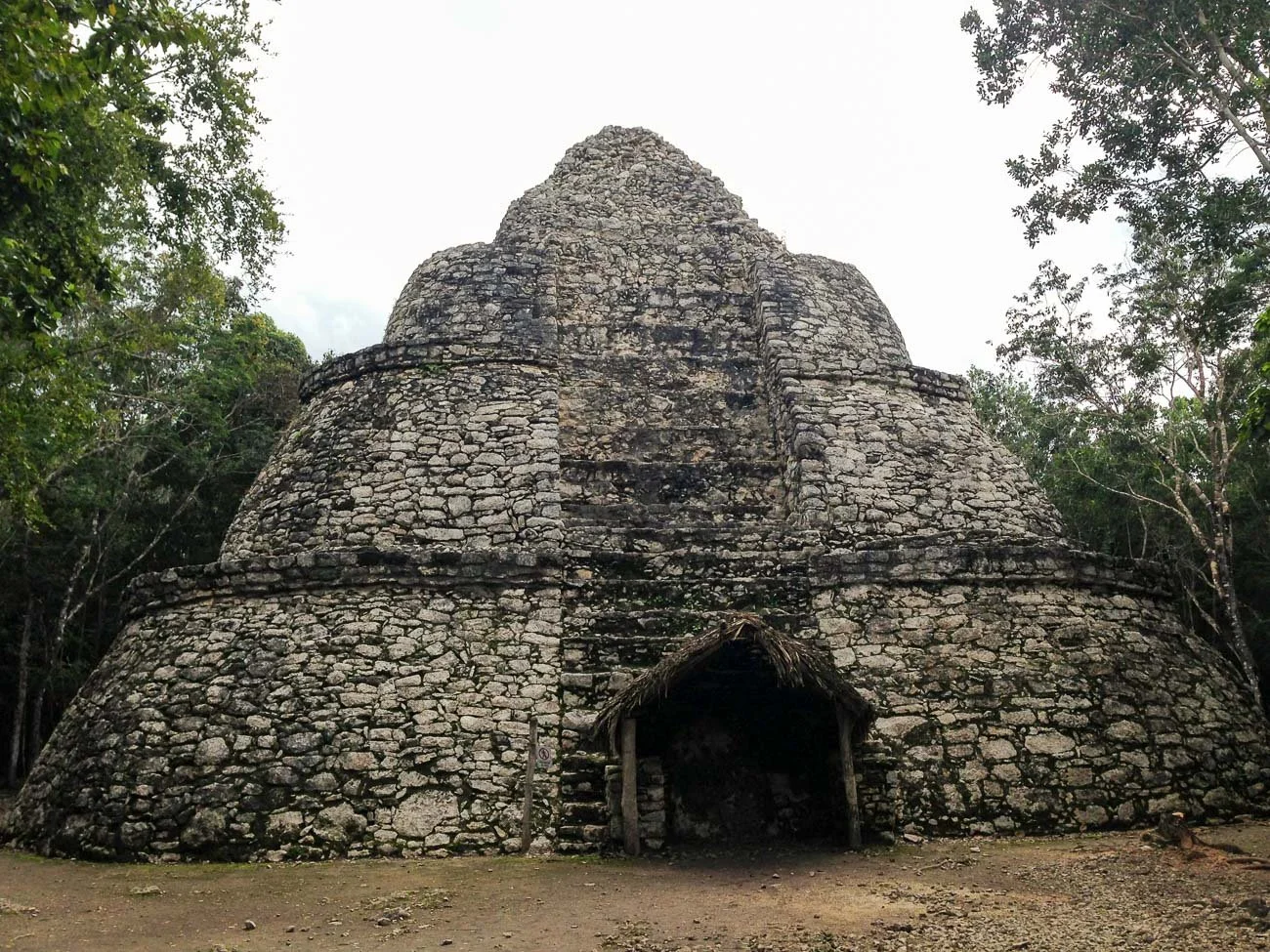
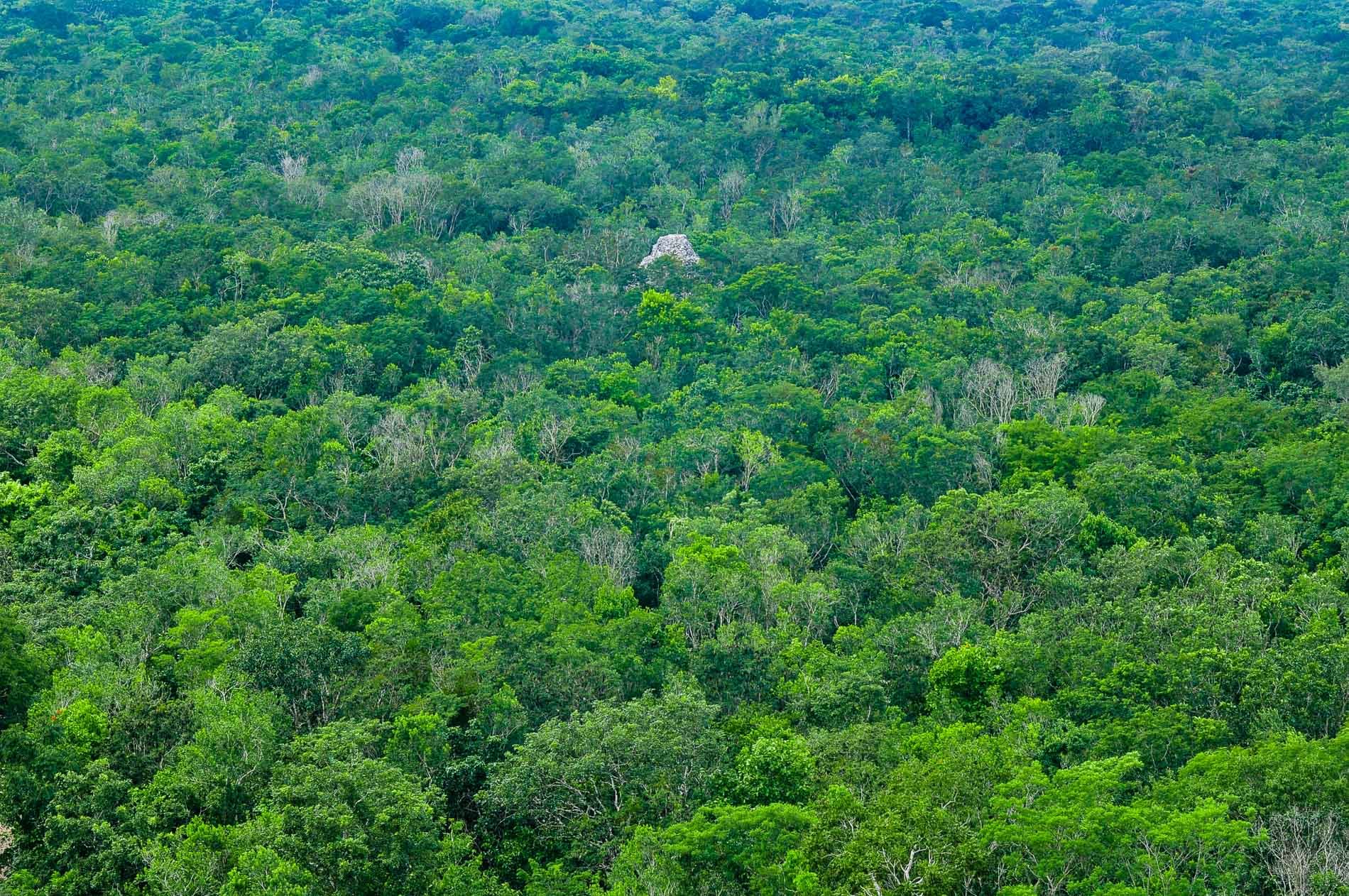
view from the top of the Ixmoja pyramid
Zona Arqueológica de Coba
+52 984 206 7166
20°29′41″N 87°44′10″W 77793 Coba, Quintana Roo, Mexico
www.inah.gob.mx
