Glastonbury Tor Myths, Magic, and Avalon in Somerset
Say the name Glastonbury and images of Arthurian England, magical druids, Avalon and hordes of young people covered in mud listening to music arrive uninvited.
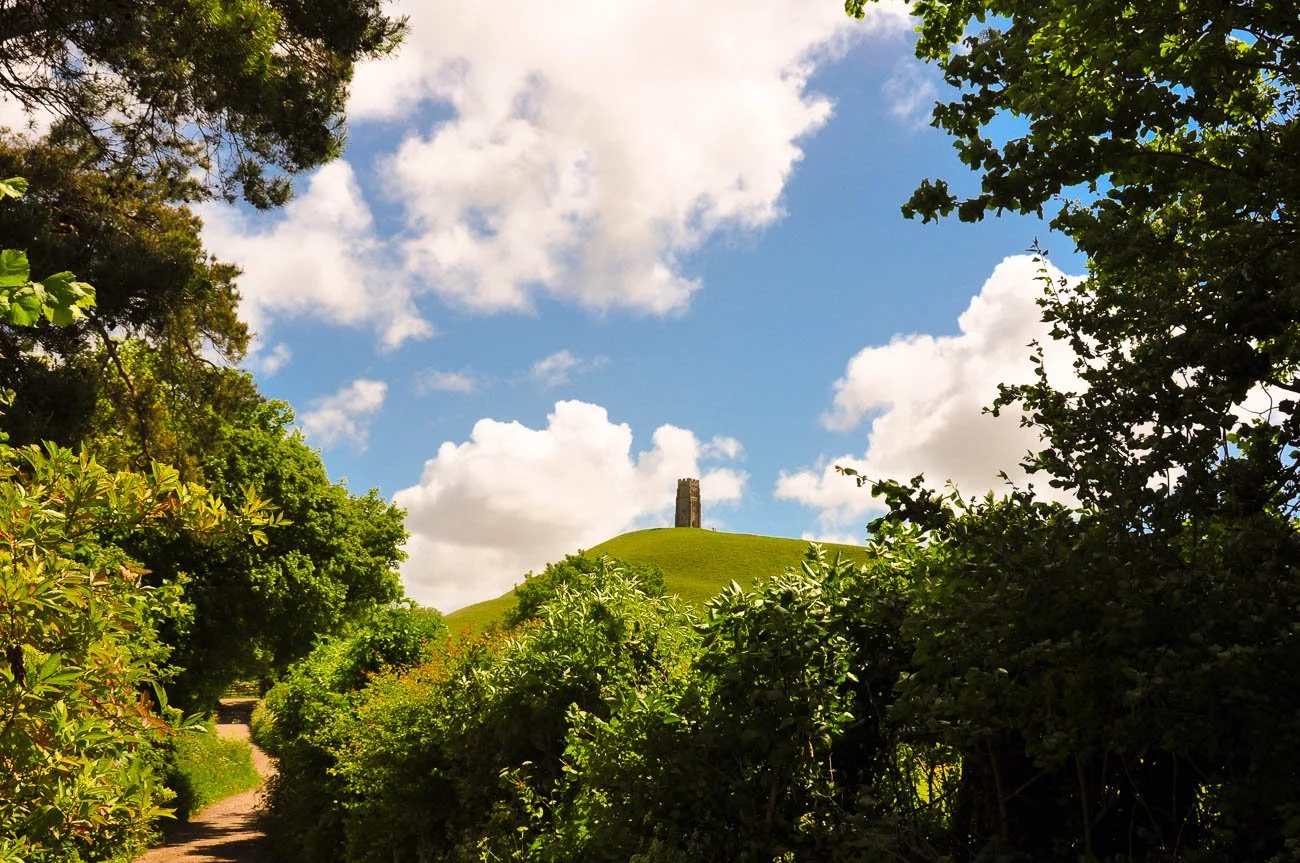
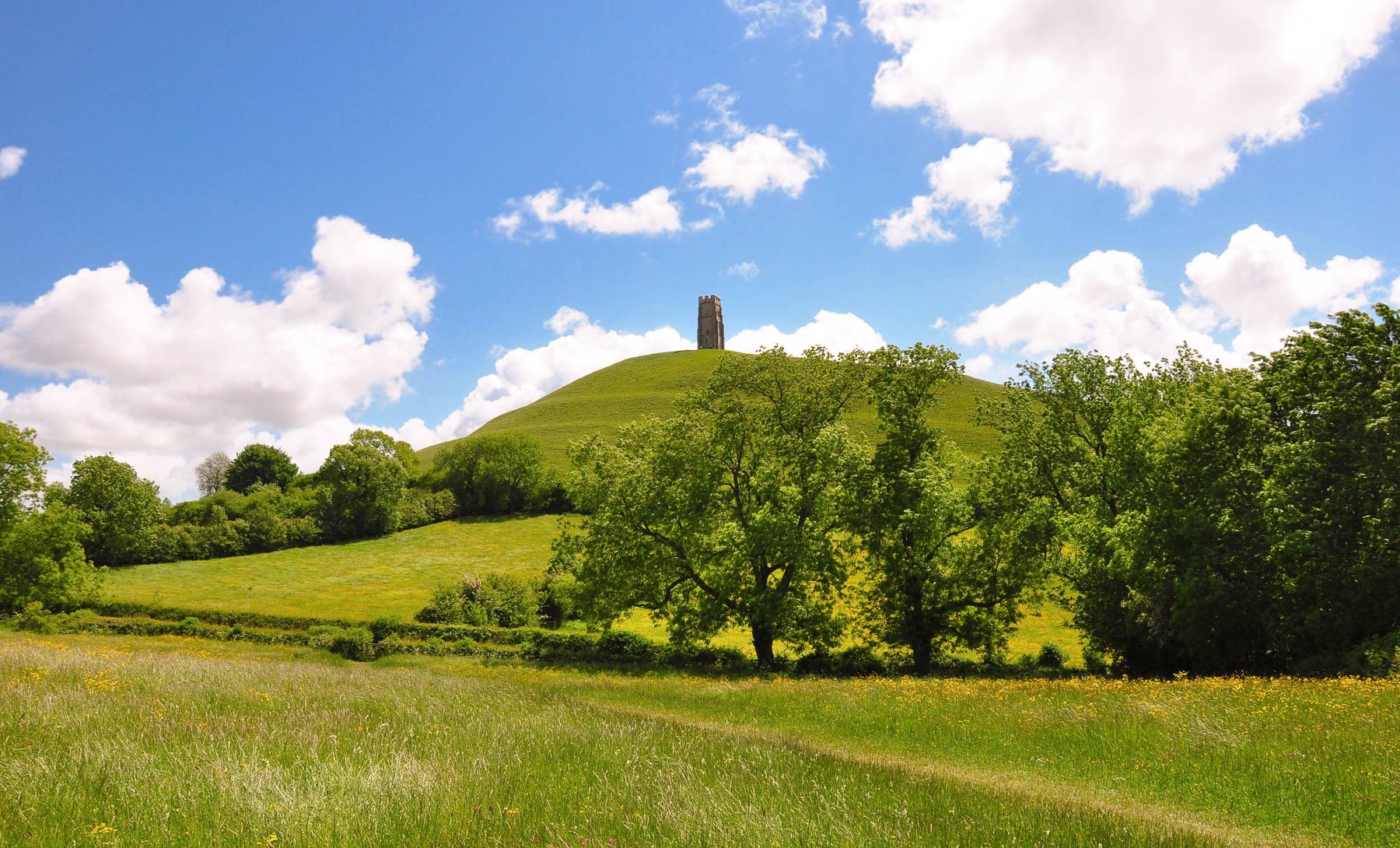
In life, Glastonbury Tor embodies both everything and nothing. Our first glimpse of the Tor with its seven terraces appeared as a hallucination; it felt magical, as if the landscape had briefly revealed a symbol rather than a place. There are good reasons why all these iconic legends are associated with it.
Rising 158 metres above the Somerset Levels, the Tor is a natural formation of Blue Lias limestone, shaped over millennia and long isolated. As we climbed the path towards St Michael's Tower, which crowns the Tor—the surviving remnant of a church dedicated to St Michael, built in the fourteenth century. I couldn't help but think of the hundreds of thousands of footsteps that have trodden this same path over thousands of years—those of Romans, Saxons, pilgrims, and perhaps even the kings and heroes that legend claims. Arthur trod here; for as long as man has been in England, he has walked these paths.
Surrounded by marshland, in earlier centuries, the Tor became Avalon not because it was proven to be so, but because it fitted the myth better than anywhere else in England. From around 500 BCE up to roughly the 13th to 14th centuries, the Somerset levels were predominantly marshland, flooded during winter and wet periods. The Tor would have appeared as a genuine island rising out of water and mist, which feeds directly into its identification with Avalon, the legendary isle of Arthurian tradition.
The town of Glastonbury, with a population of roughly nine thousand, sits at the foot of the Tor, carrying its own layered identity. Once a major centre of medieval pilgrimage, it later became a magnet for alternative spirituality, counterculture, and ecological thought.
We followed a quieter route, skirting behind the Abbey, passing through a small garden, and following the back path up the hill. Food from the High Street accompanied us, gathered from shops that still favour organic produce and local small-scale makers.
From the summit, the view opens wide and unyielding. The Levels stretch outward, flat and luminous, intertwined with rivers and ancient drainage channels. It becomes clear why this place gained significance so early and never let it go. Stand there long enough, and myth, history, and lived experience merge into a single frame.
If Avalon ever did exist, it would have felt somewhat like this. Not anywhere else, but here.