
Hampstead Heath, a Wild Green Haven
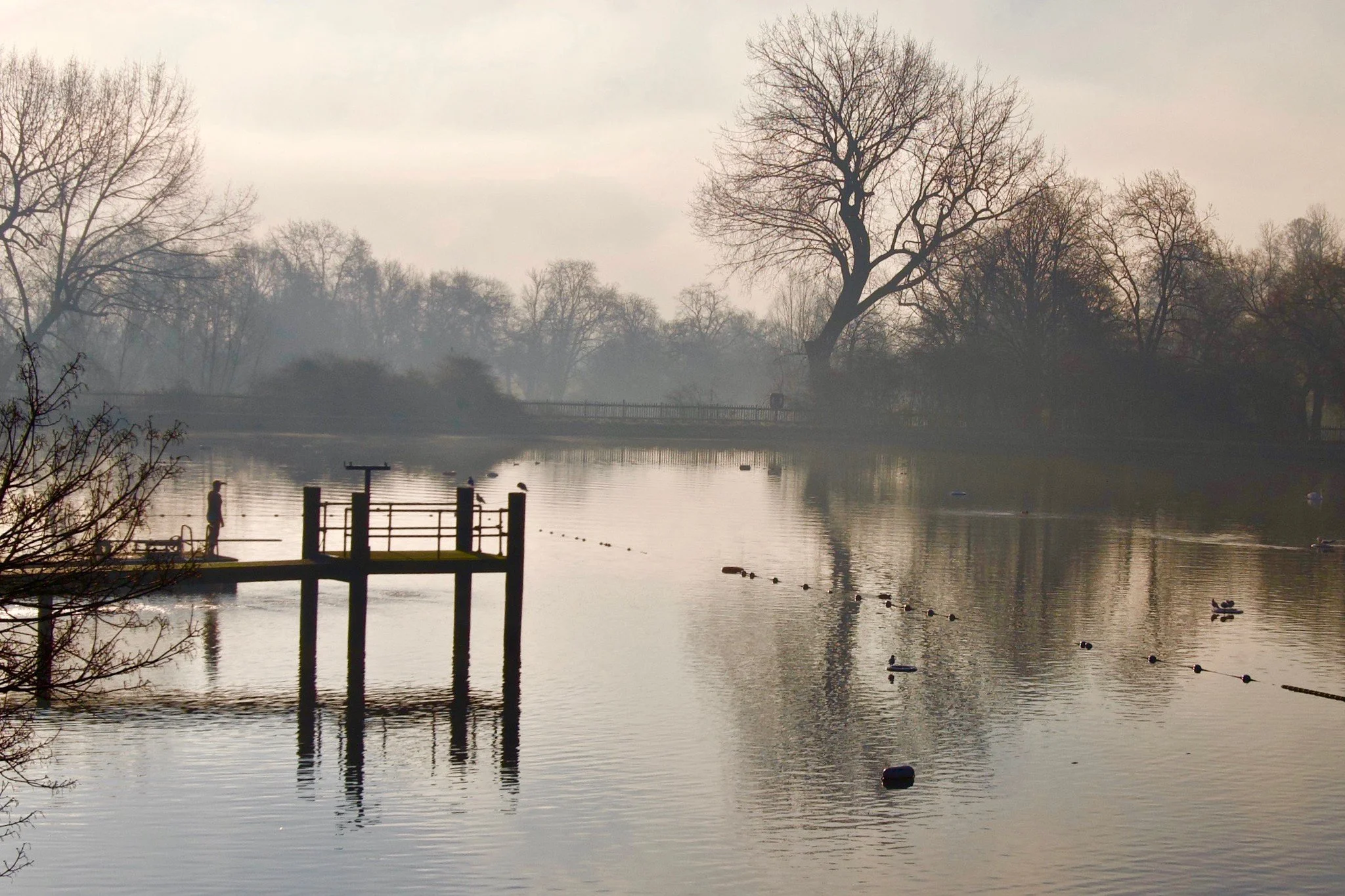
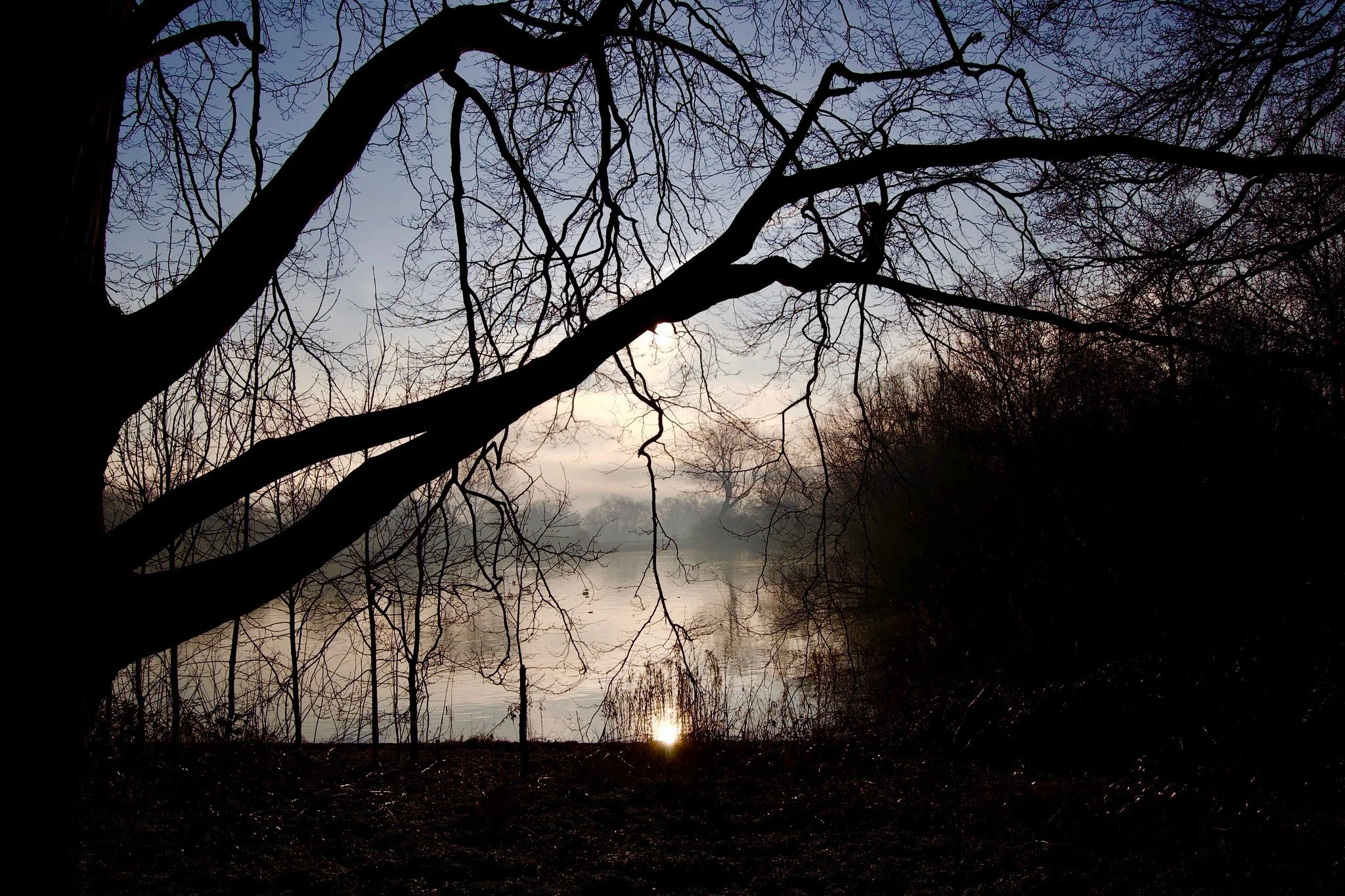
Early Morning, Highgate Men's Bathing Pond – photo© Tony Hall
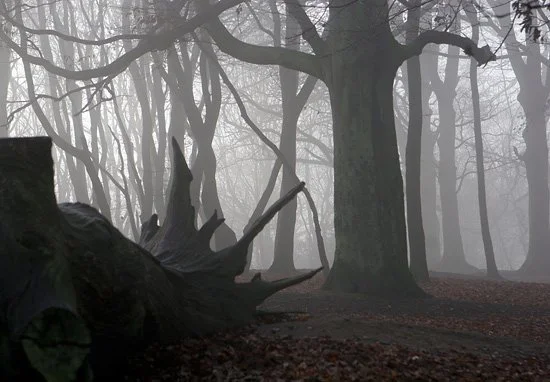
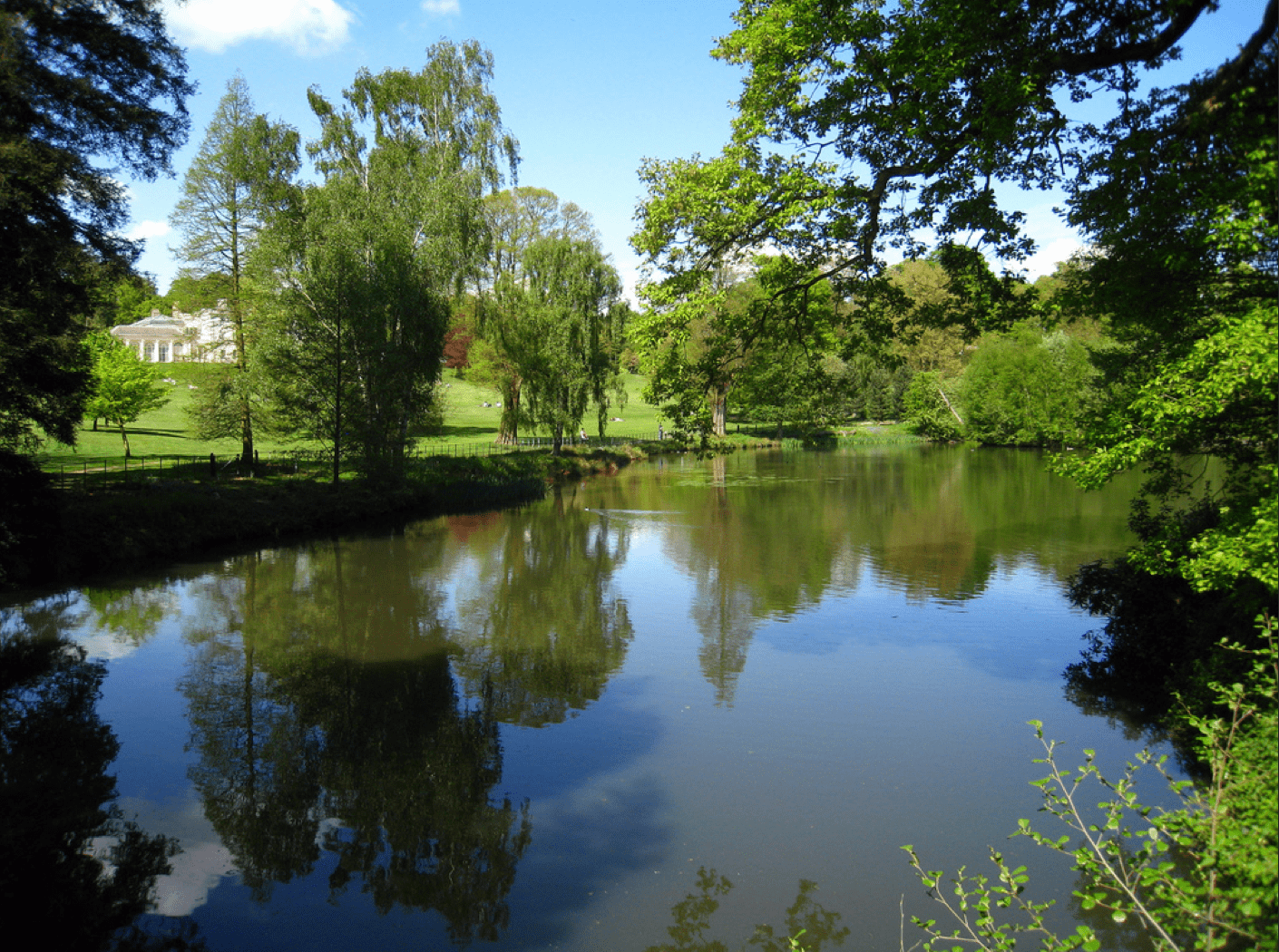
Hampstead Heath stretches wide and ungoverned across north London, a rare expanse of land that refuses to be tamed. Covering about 320 hectares, easily between Camden, Barnet, and a narrow edge of Haringey, carrying with it ancient woodland, open meadows, winding streams, and nearly thirty ponds. Once used as reservoirs, these waters now support both wildlife and the people who come seeking air, space, and quiet.
More than four hundred species of fungi emerge through leaf litter and fallen wood. Kingfishers flash low over the water. Reed warblers and redstarts hide in the margins. Woodpeckers tap out their rhythms, dragonflies skim the ponds, bats trace invisible paths at dusk, and hedgehogs still move through the undergrowth.
History is embedded in the land; across the Heath, at least fifty known monuments and archaeological traces interrupt the grass and trees. Boadicea’s Mound rises with uncertain legend. Saxon earthworks date back to the tenth century. Burial mounds scatter Parliament Hill. The so-called Stone of Free Speech carries equal measures of folklore and truth.
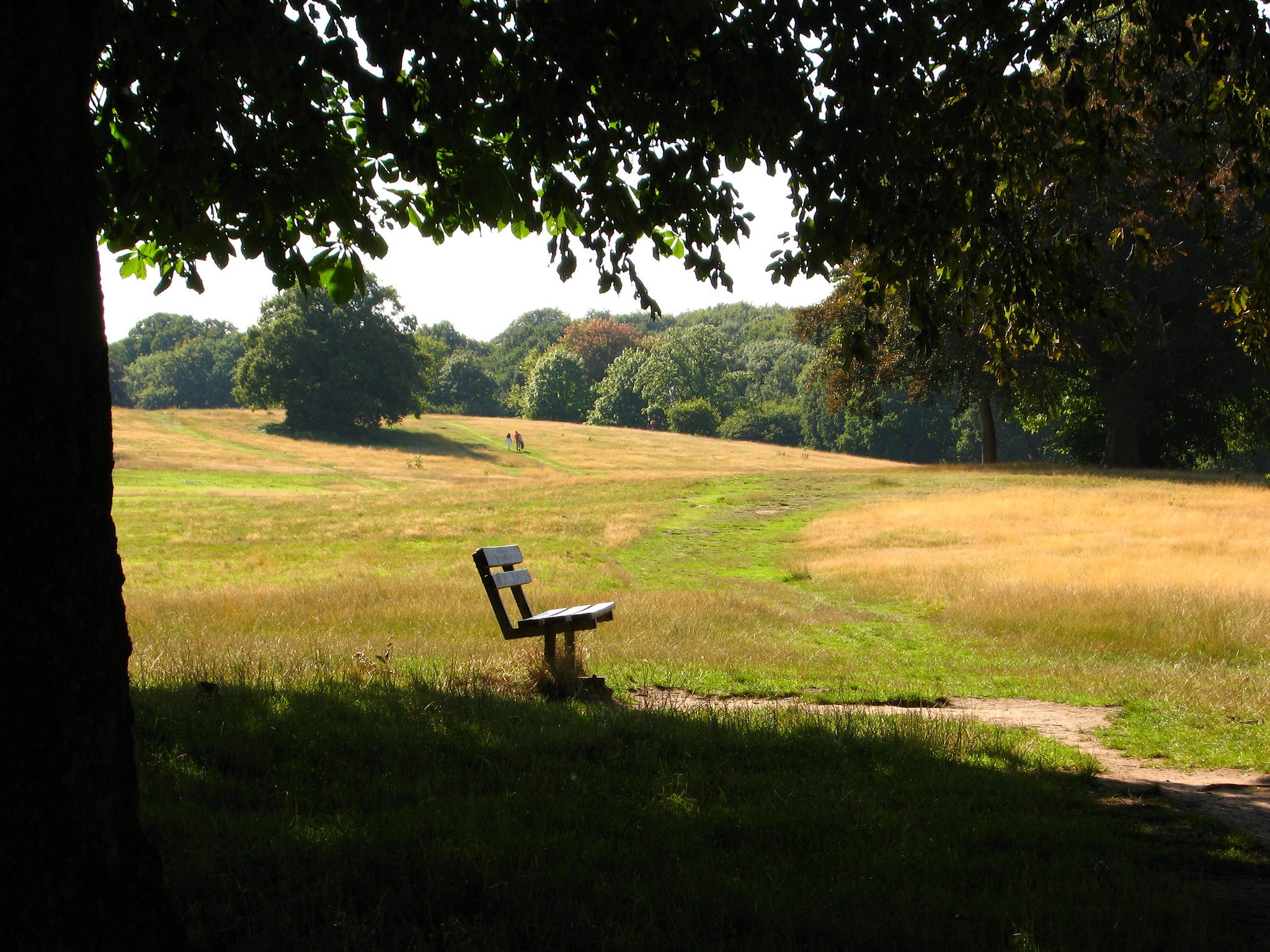
Despite its wildness, Hampstead Heath is carefully maintained, a long-standing recipient of the Green Flag Award for excellence in parks and open spaces. Paths cross and recross the land in all directions. There are routes for walkers, cyclists, runners, and those who prefer no route at all. Forest tracks fade into meadows. Meadows merge back into trees. The effect is deeply pastoral, a landscape that invites wandering.
An inspiration to many great artists and writers has long frequented this place. Painters such as John Constable and John Atkinson Grimshaw drew inspiration from its skies and contours. Writers, including Leigh Hunt and C. S. Lewis, wandered along its paths. Poets like John Keats, Percy Bysshe Shelley, and Lord Byron found language inspired by this land.
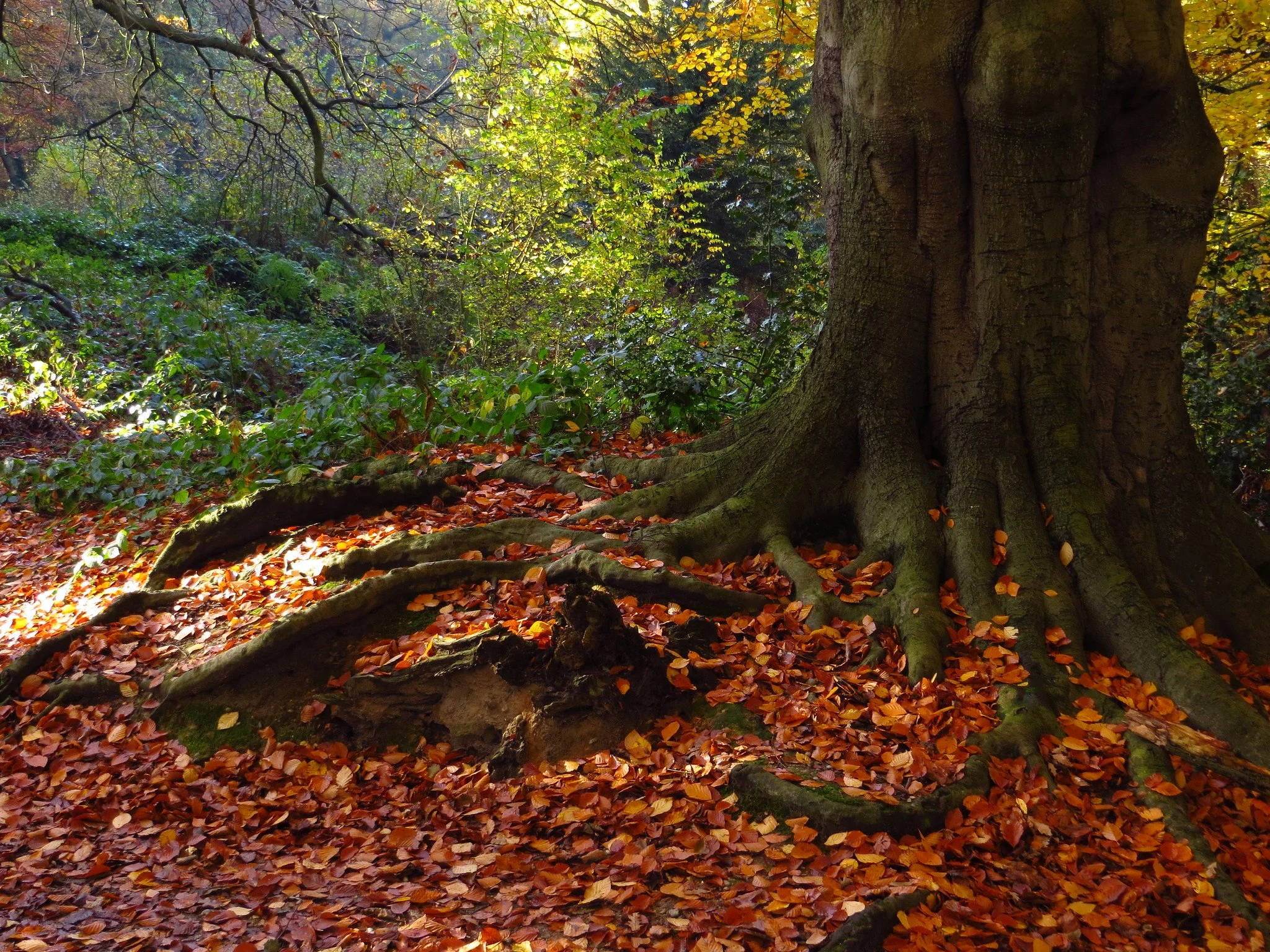
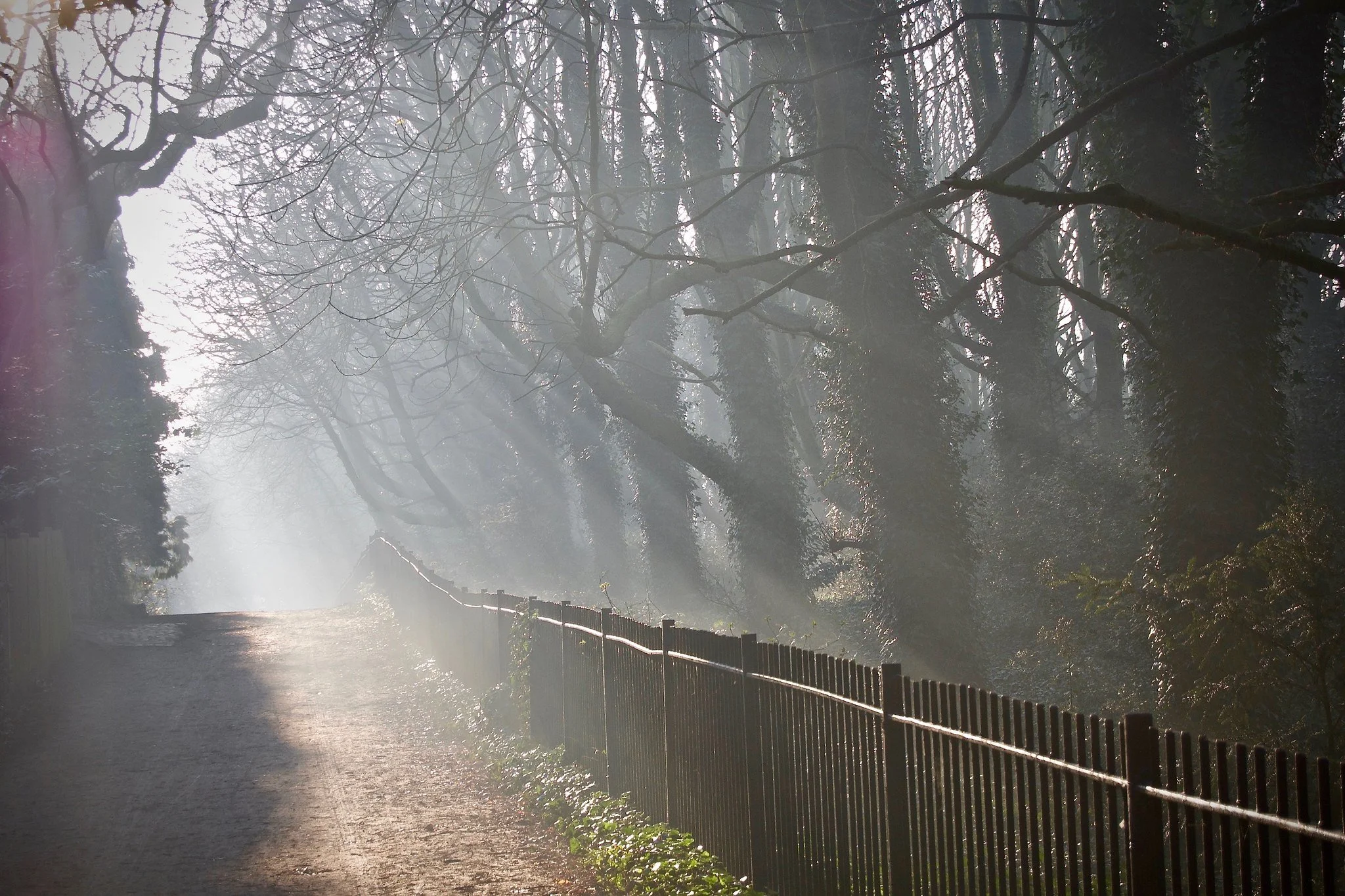
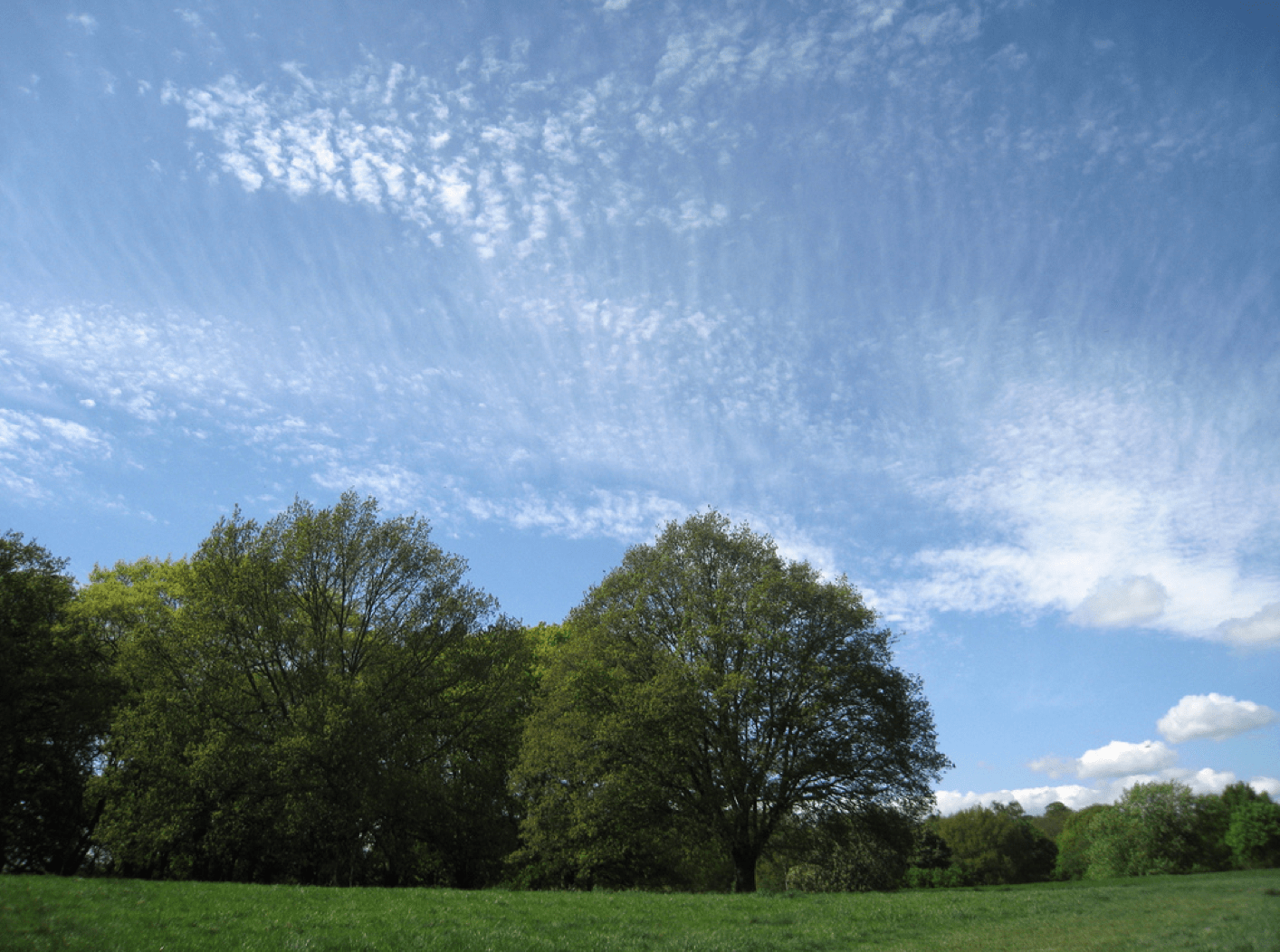
One spring Sunday, we vanished into it. With a picnic gathered in Highgate, we stepped beneath a clear May sky. By early afternoon, a time when parks in our hometown—New York City are packed to the hilt with people and noise, we found ourselves deep in a wooded hollow. We ate in silence. For hours, no one passed by. Only later did a single woman wander through, gently gathering elderflowers to make wine, a reminder that quiet traditions still endure here.
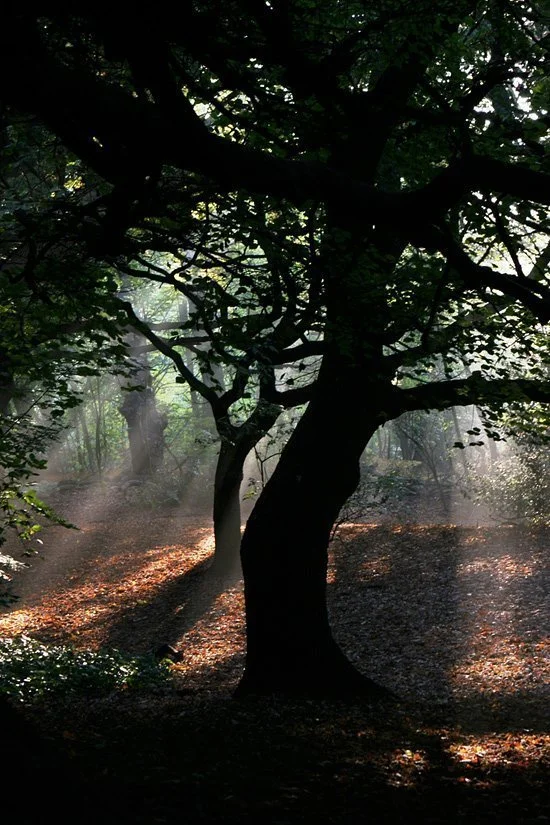
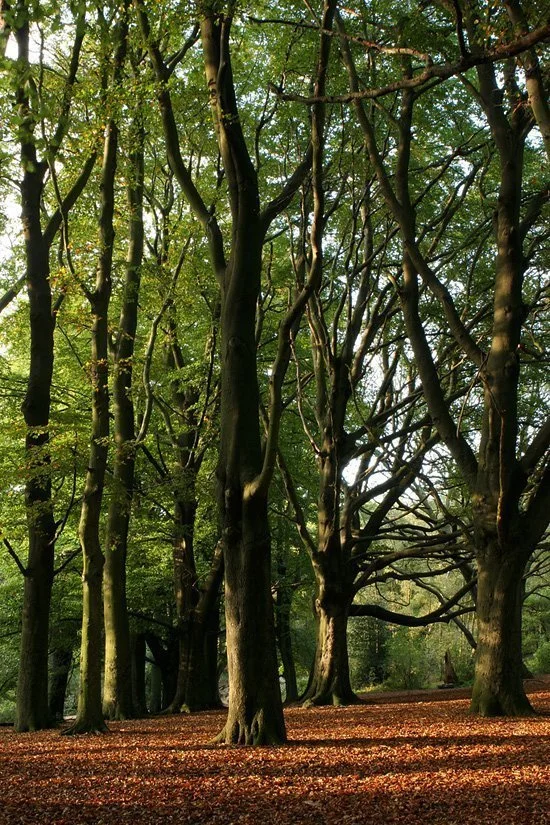
The Beech Grove - photo © Laura Nolte
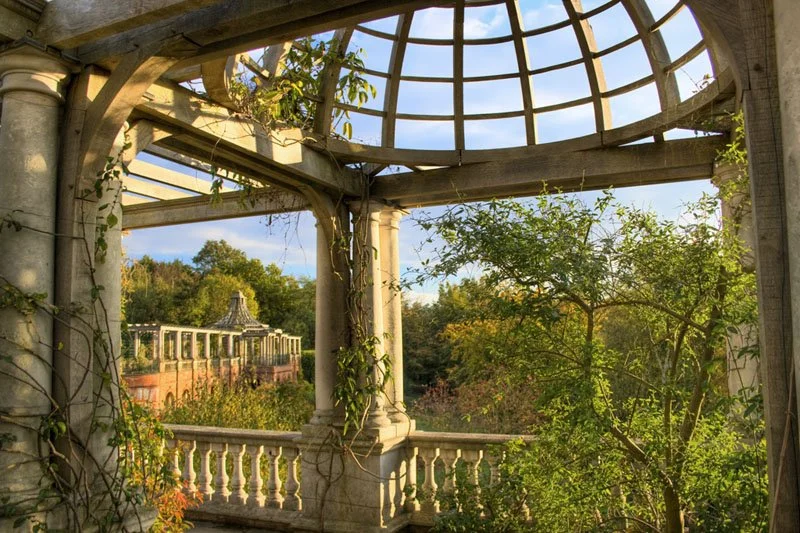
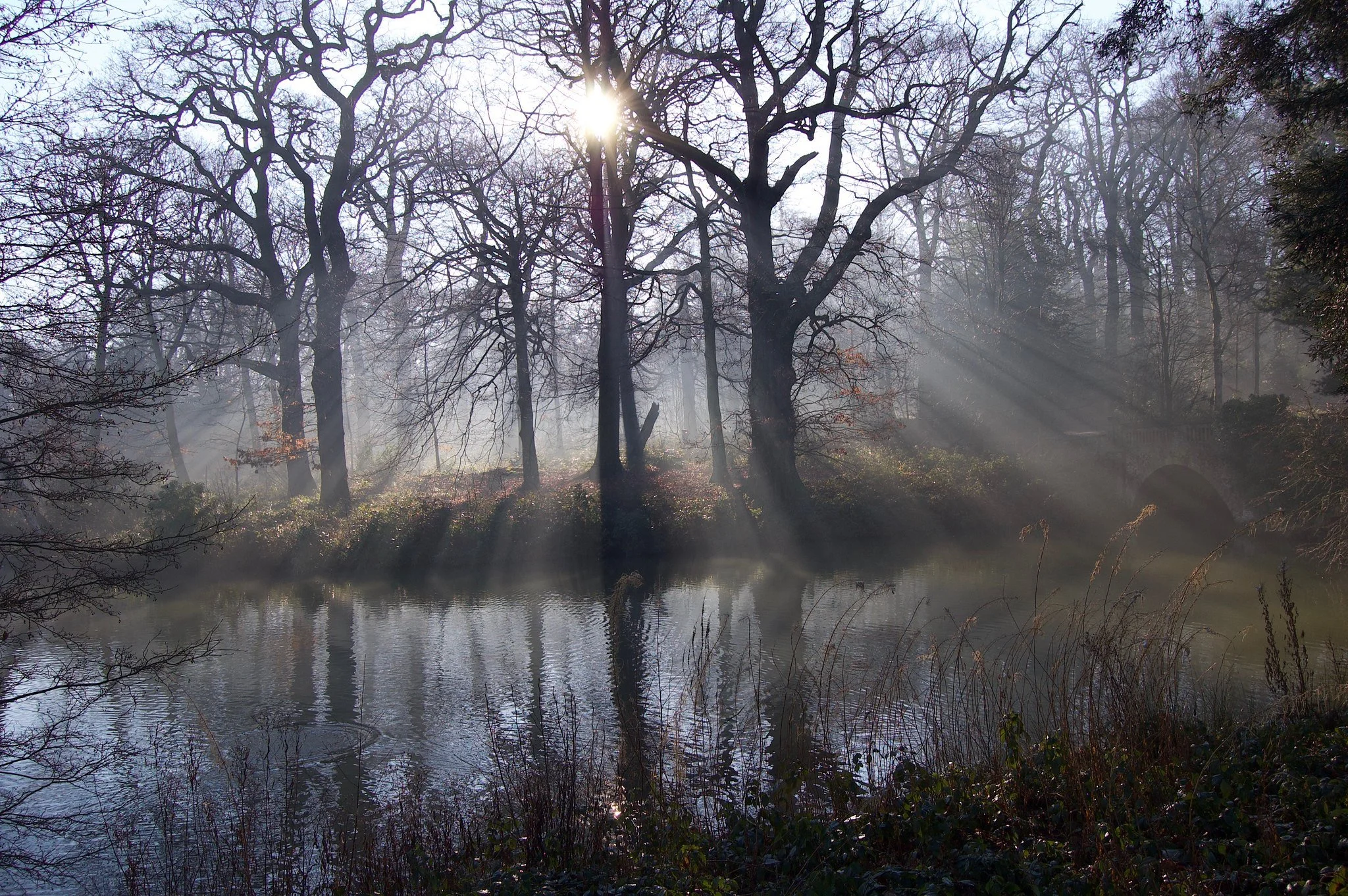
Each edge of the Heath carries its own character.
To the east, the Highgate Ponds — eight in total form a chain carved in the seventeenth and eighteenth centuries, now home to men’s and women’s bathing ponds, a model boating water, and a fishing lake.
To the southwest, the Hampstead Ponds rise from dams placed on Hampstead Brook in 1692, their waters now devoted to swimming and slow leisure. The mixed pond here now requires pre-booked tickets, available in daily, seasonal, or annual passes.
Southward, Parliament Hill rises above the city at 98 metres, offering one of London’s most sweeping views and celebrated panoramas of the skyline, framed by kite flyers and open sky, with sporting grounds and the Parliament Hill Lido below, which is one of the city’s largest outdoor swimming pools.
To the west lies Golders Hill Park, more formal and enclosed, with deer within its gates, a small zoo, and beautiful floral displays that bloom each summer with bursts of colour.
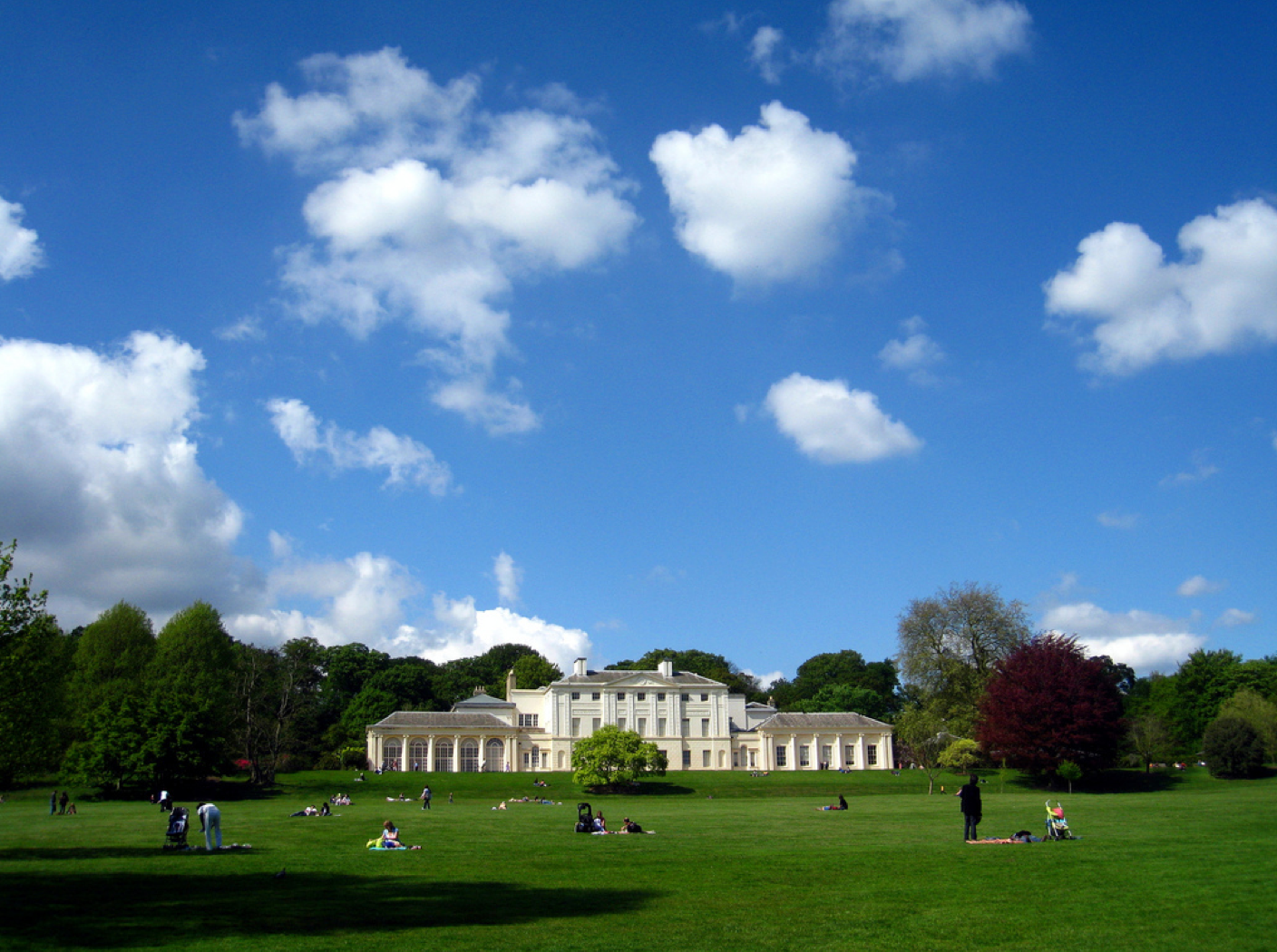
To the north, the land meets Kenwood House, a seventeenth-century mansion reshaped by Robert Adam a century later. Inside hangs the Iveagh Bequest, with works by Rembrandt, Vermeer, Van Dyck, Gainsborough, Reynolds, and Turner—an unlikely concentration of art peacefully resting at the edge of the wild.
Hampstead Heath seems surprisingly ancient for a site so near the city centre. It exudes an inviting atmosphere: a place to wander freely, swim, relax, and daydream. Trails wind toward bodies of water, trees, or the open sky. Ponds beckon for immersion, while corners hint at stories. It is undeniably London, yet it feels like a deliberately preserved green sanctuary that still breathes life. These layers reveal themselves as you explore.
Hampstead Heath
+44 0208 458 9102
+44 0207 332 3322
East Heath Road, London, NW3 1AL
www.heath-hands.org.uk.    www.hampsteadheath.net