
Hotspring & Lake Hotel Sochagota, Paipa
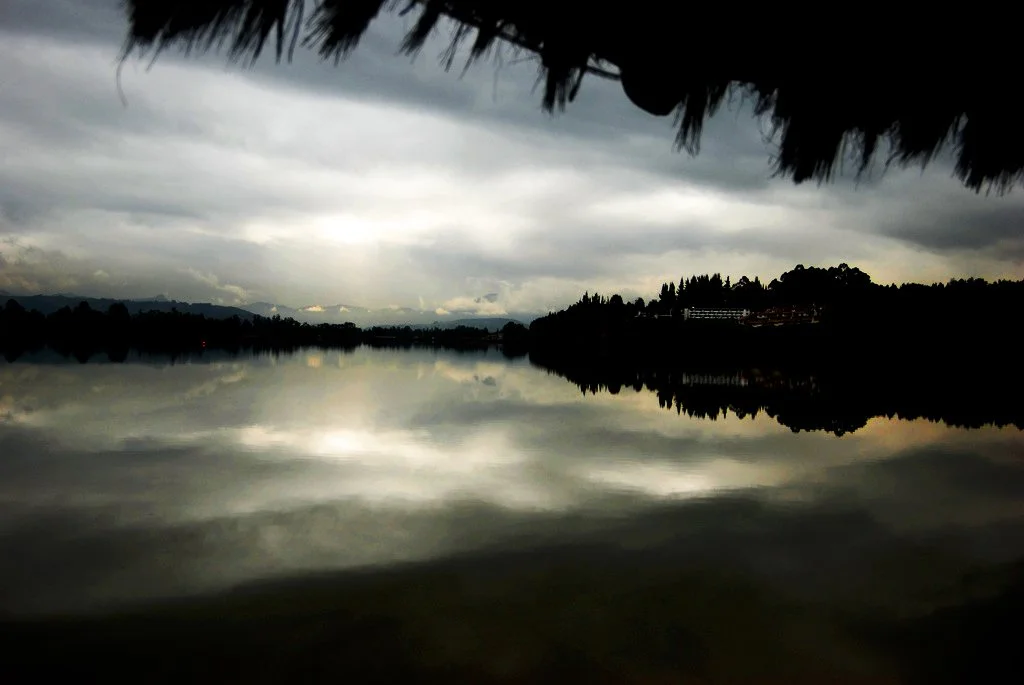
Sochagota Lake © Matthew Shewfelt
There are places you visit for design, and places you visit for how they make your body feel. Hotel Sochagota belongs firmly to the latter.
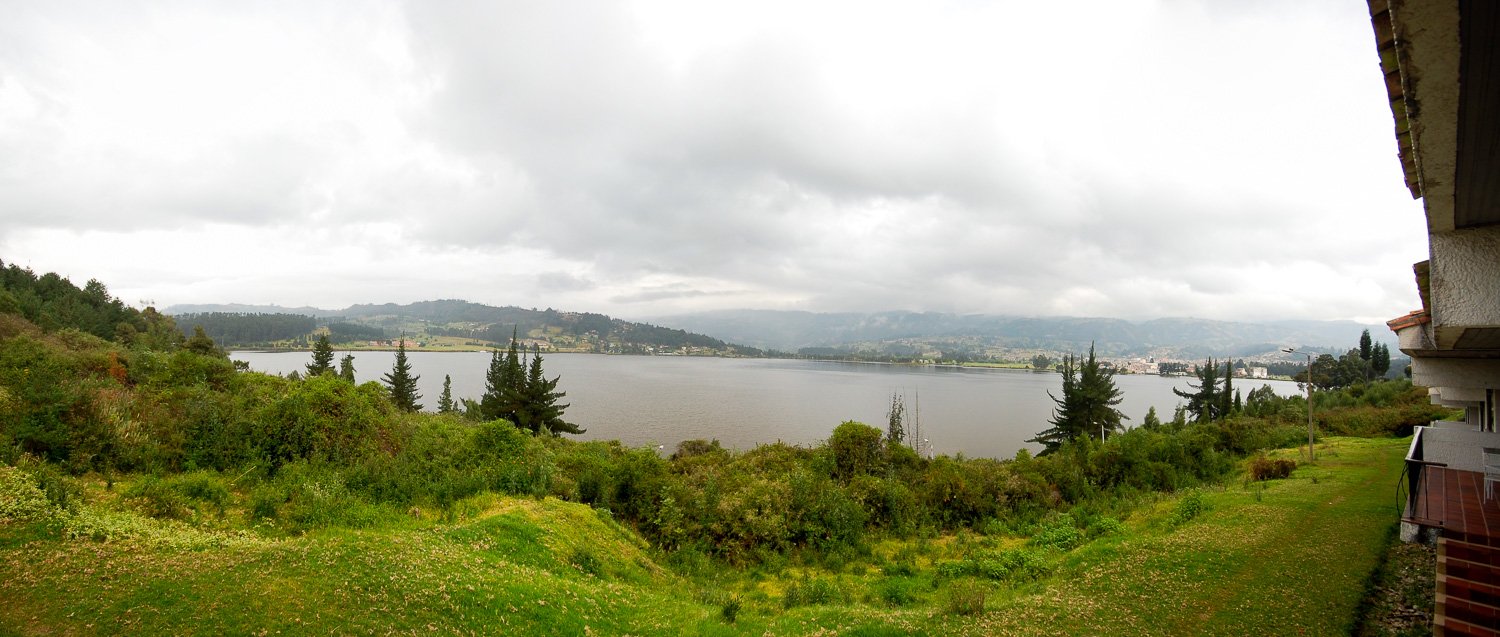
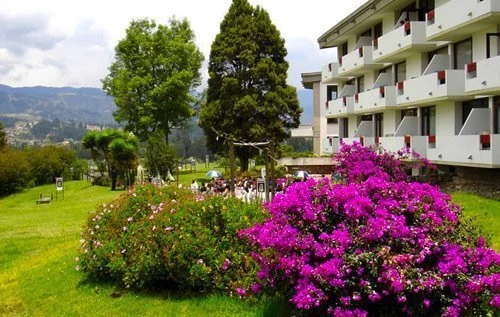
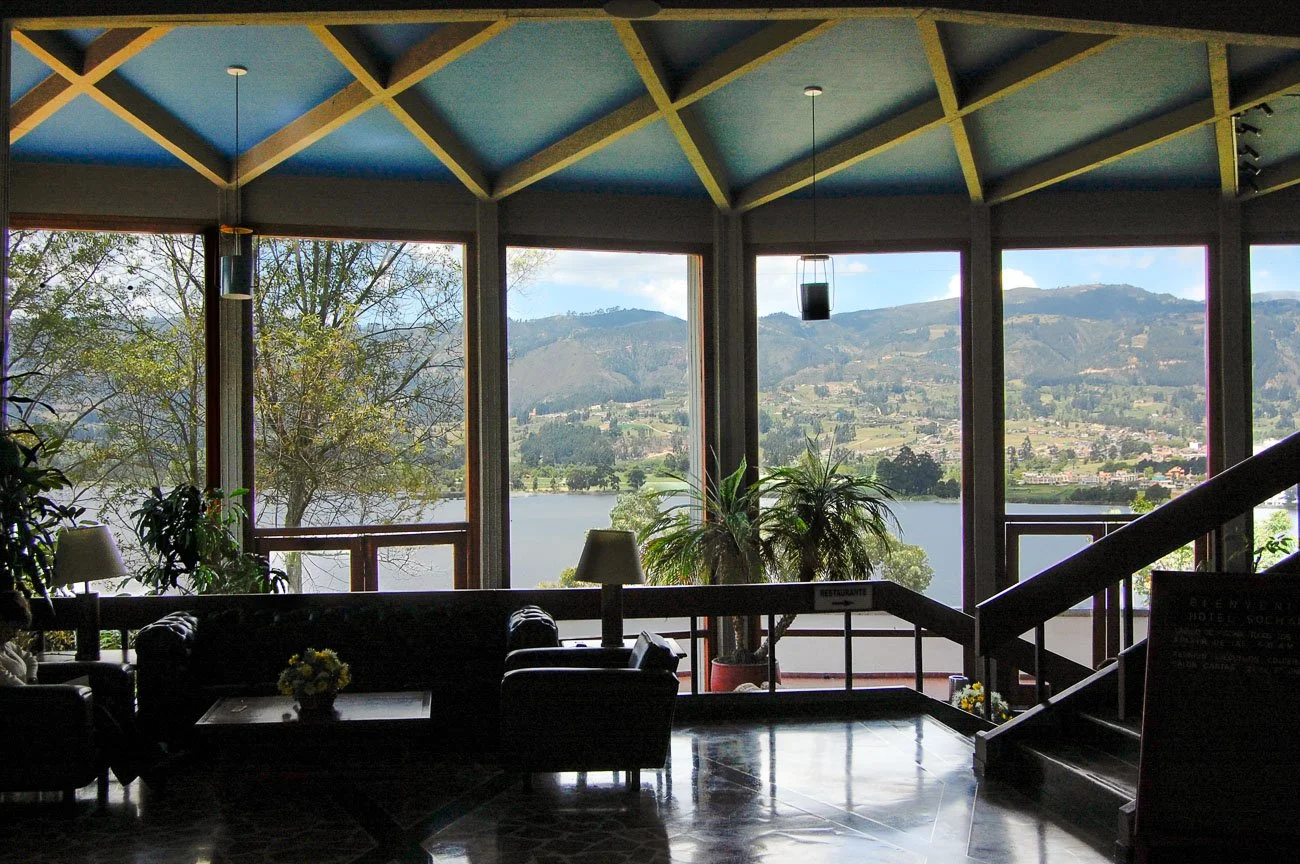
Situated just outside the town of Paipa in Boyacá, about two and a half hours from Bogotá, the hotel sits on the edge of Lake Sochagota, a nearly perfect circular body of water surrounded by gently rolling green hills and scattered trees. In a certain light, Boyacá feels almost Alpine, as if a small piece of Europe had quietly slipped into Colombia.
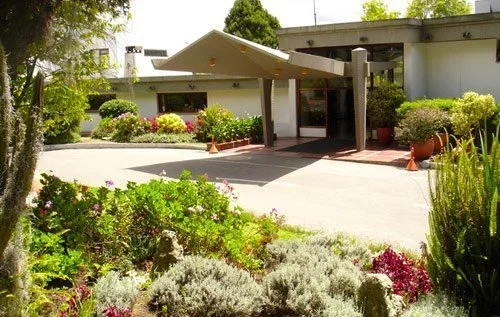
The hotel itself is a relic of 1970s architecture, long and low-slung, with an unmistakably retro confidence. There’s something faintly cinematic about it, as if it could be a forgotten set from a Sean Connery-era Bond film. It may be overdue for a refresh, but that’s not why you visit. Paipa’s true allure lies in what’s beneath the surface.
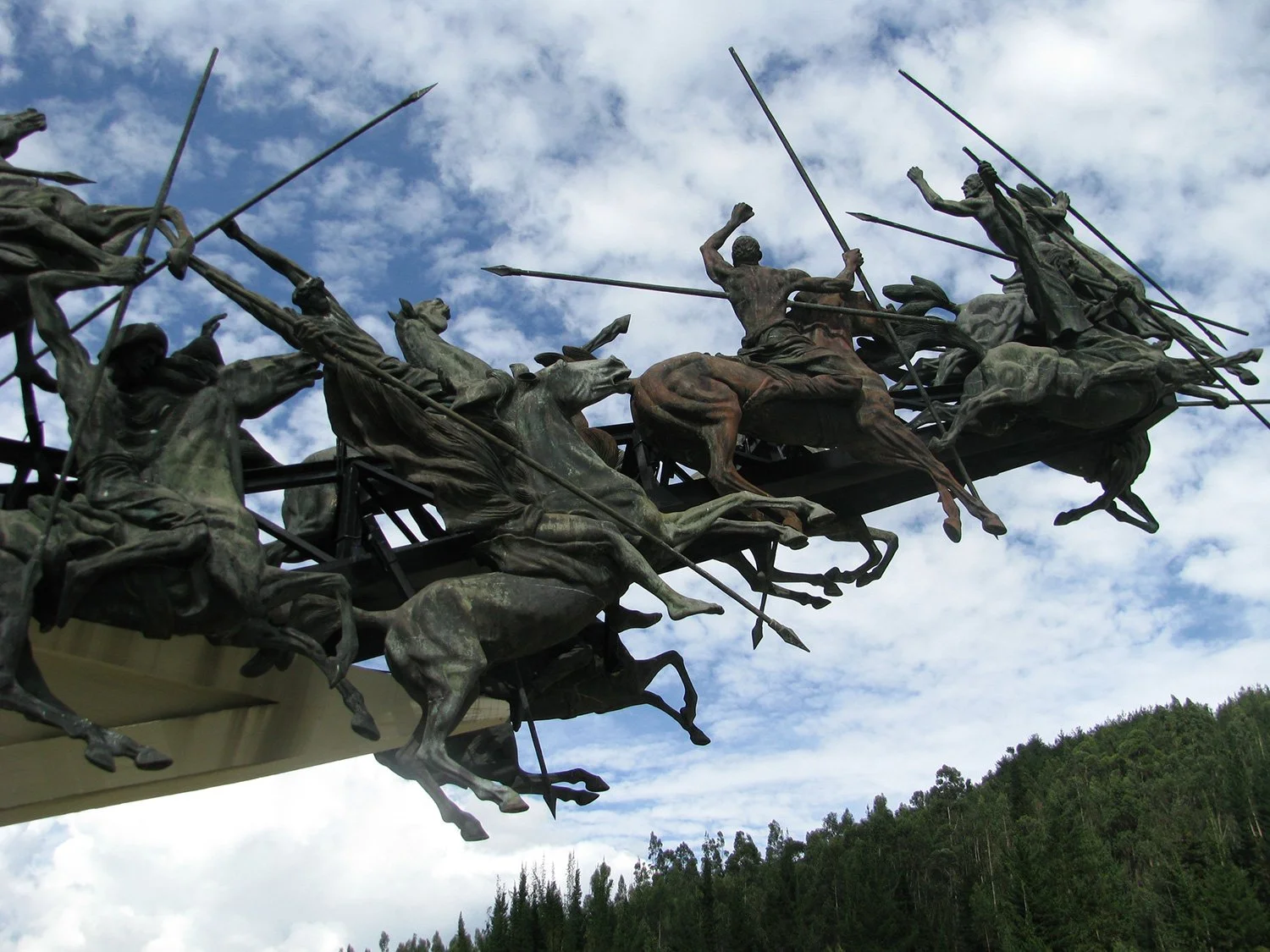
The Monument to ‘Los Lanceros’, created by Rodrigo Arenas Betancur, commemorates the Battle of Pantano de Vargas on 25 July 1819, which was decisive for Colombia's Independence. You can visit this monument on the road to the hotel. (photo © Patton)
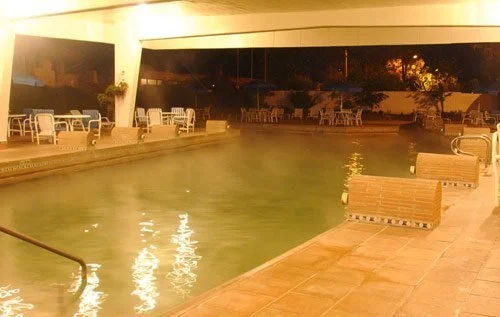
The water is everything; heated by deep underground volcanic activity and naturally infused with minerals, Paipa’s thermal springs are deeply restorative. They carry a steady heat that seeps into tired muscles and sore joints, loosening everything without effort. As long-time devotees of geothermal bathing — from Budapest’s grand bathhouses to Japan’s quiet onsen towns — we do not make the comparison lightly. Paipa’s waters stand their ground.
Accommodation ranges from standard rooms with balconies overlooking the lake and gardens to private cabins set slightly apart from the main building. The cabins are the clear choice. Each comes with two bedrooms, a terrace, a fireplace with wood replenished by the front desk, and most importantly, a private thermal plunge pool. When the main pools close early in the evening, having your own steaming mini pool waiting outside your door feels like the ultimate indulgence. A full cycle of soaking, cooling, warming and soaking again becomes the rhythm of your stay.
Beyond the baths, the hotel can arrange horseback rides through the surrounding countryside, spa treatments, gentle walks through nearby forests, as well as water skiing, kayaking, and other lake activities.
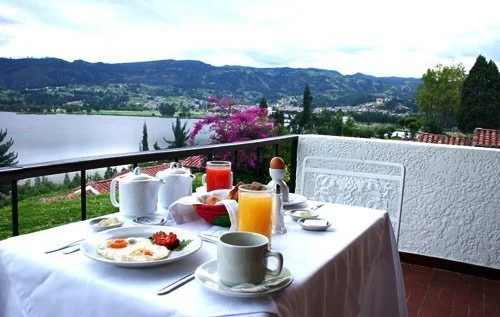
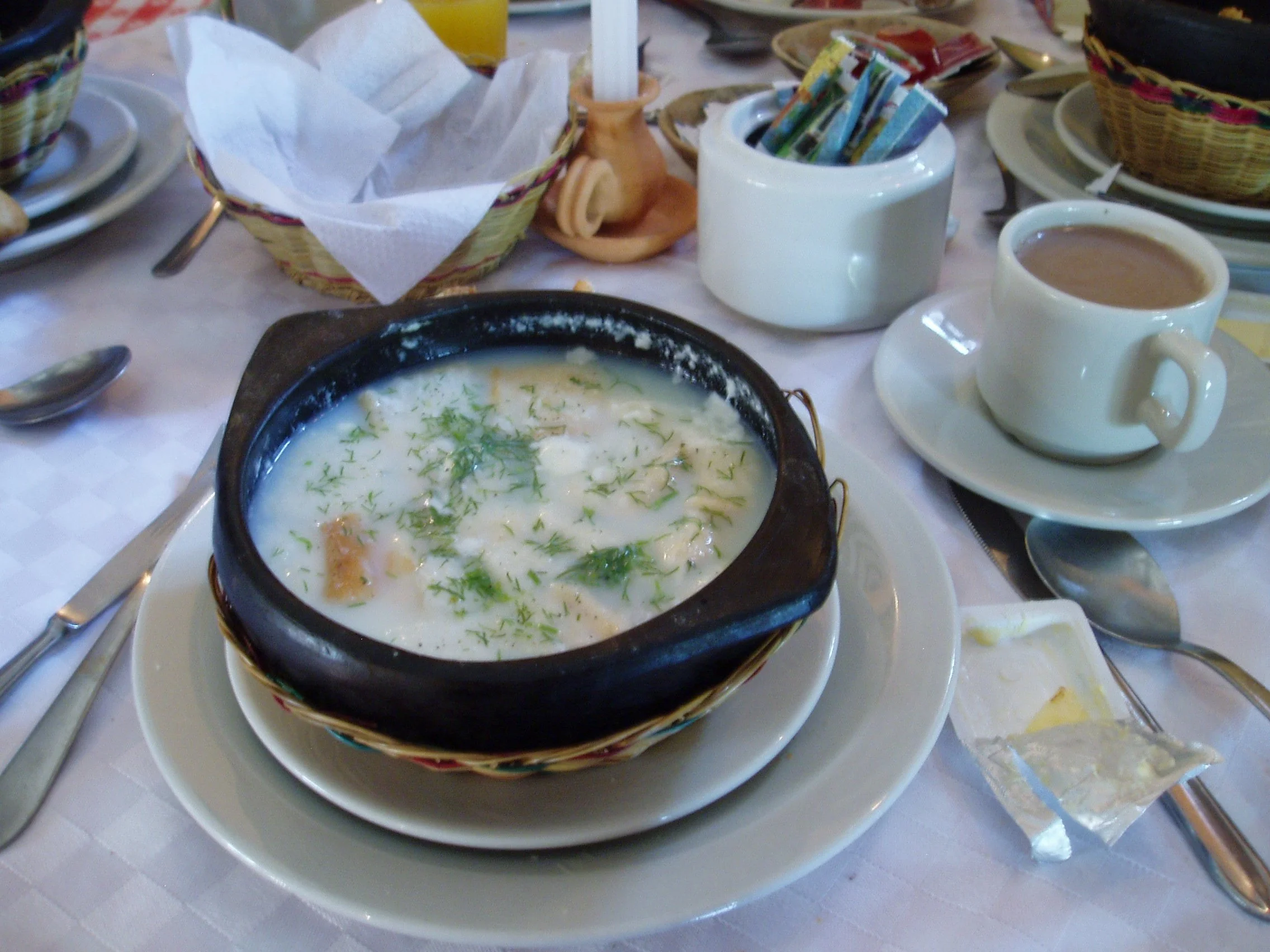
Food at the hotel mirrors the architecture. It’s firmly rooted in another era and is best approached only for convenience. Fortunately, the road into town offers far better options. One small roadside eatery in particular, Frutilandia, more than compensates for it. There we found almohábanas, fresh from the oven—small round breads made with cuajada and cornflour. They puff up as they bake, their crust turning a delicate gold and slightly sweet, while the interior remains soft, airy, and slightly tangy. So irresistible that they vanish almost immediately. There was also changua, the traditional milk soup with poached eggs, coriander, scallions and cheese — quietly comforting, surprisingly fortifying. And cuajada itself, a fresh farmer’s cheese often served with caramel; order it plain, and a drizzle of olive oil and a pinch of salt are all it needs.
Sochagota isn’t polished luxury, and it does not pretend to be. What it offers instead is something better: warmth, mineral-rich water, and a landscape that invites you to slow down and listen to your body. You arrive tense without realising it. You leave looser, lighter, and quietly persuaded that water — when it is this good — can restore more than you expected.
The Monument to ‘Los Lanceros’, created by Rodrigo Arenas Betancur, commemorates the Battle of Pantano de Vargas on 25 July 1819, which was decisive for Colombia's Independence. You can visit this monument on the road to the hotel.
Hotel Sochagota
+57 321 269 4613 / +57 608 785 0011
vía Las Pisinas Km 2 Paipa, Boyacá , Colombia
www.hotelsochagota.com
