
Lacock Abbey, the Birthplace of Modern Photography and the Fox Talbot Museum
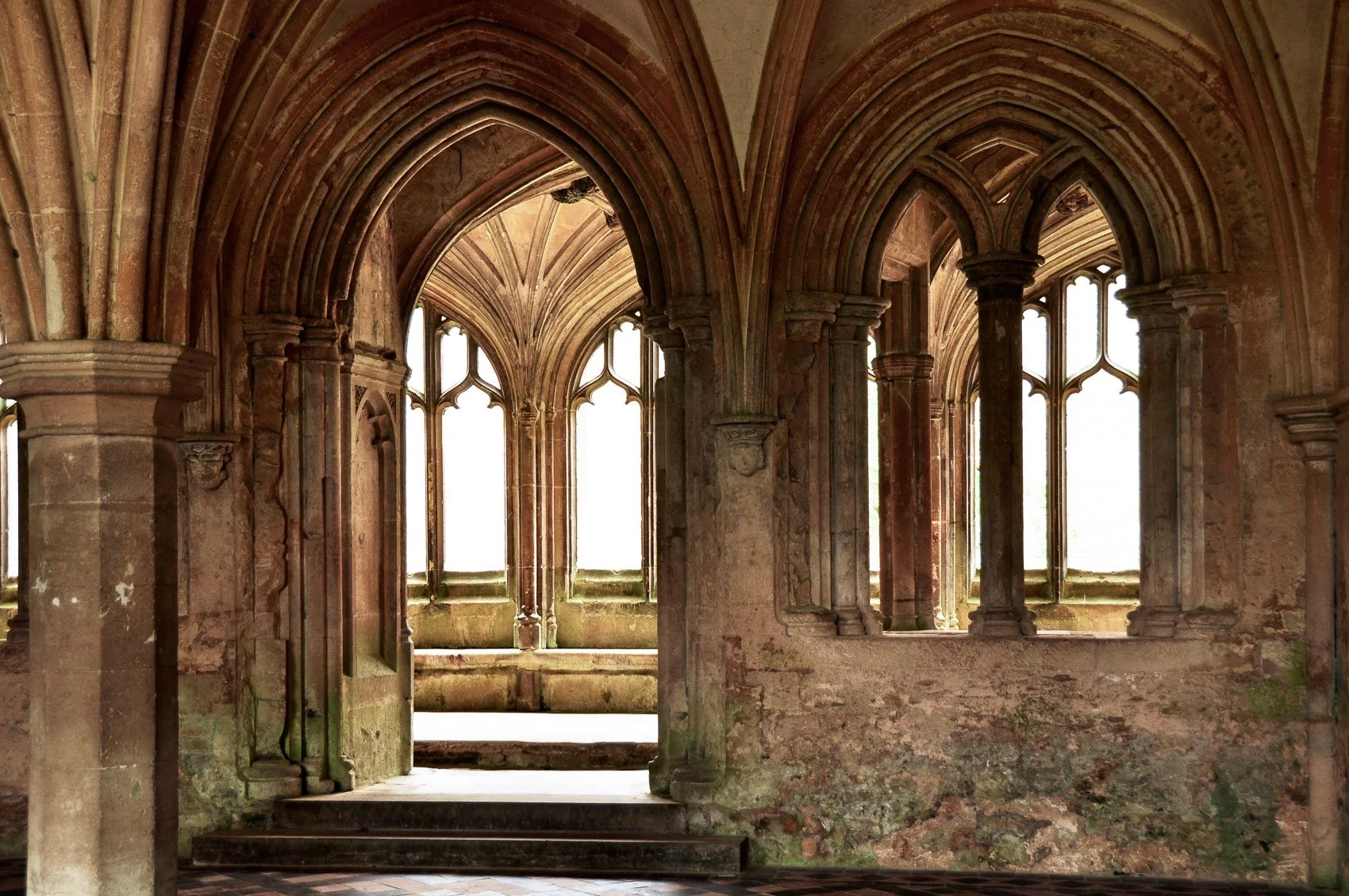
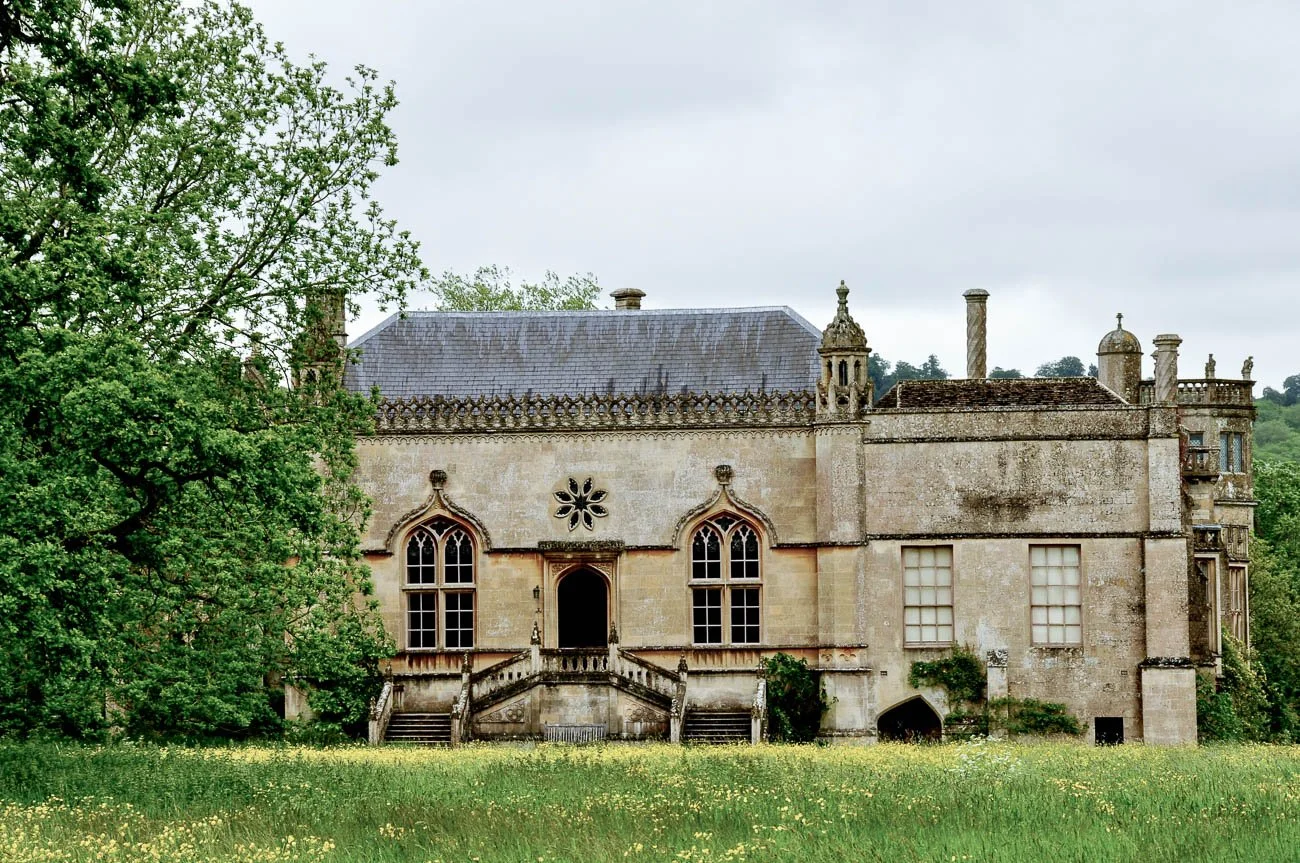
Lacock Abbey traces a long and unusually layered history. It was founded in 1232 by Countess Ela of Salisbury in memory of her husband, William Longespée, an illegitimate son of Henry II. Ela became the Abbey’s first Abbess and later England’s first recorded female sheriff, making her a remarkable figure of her time.
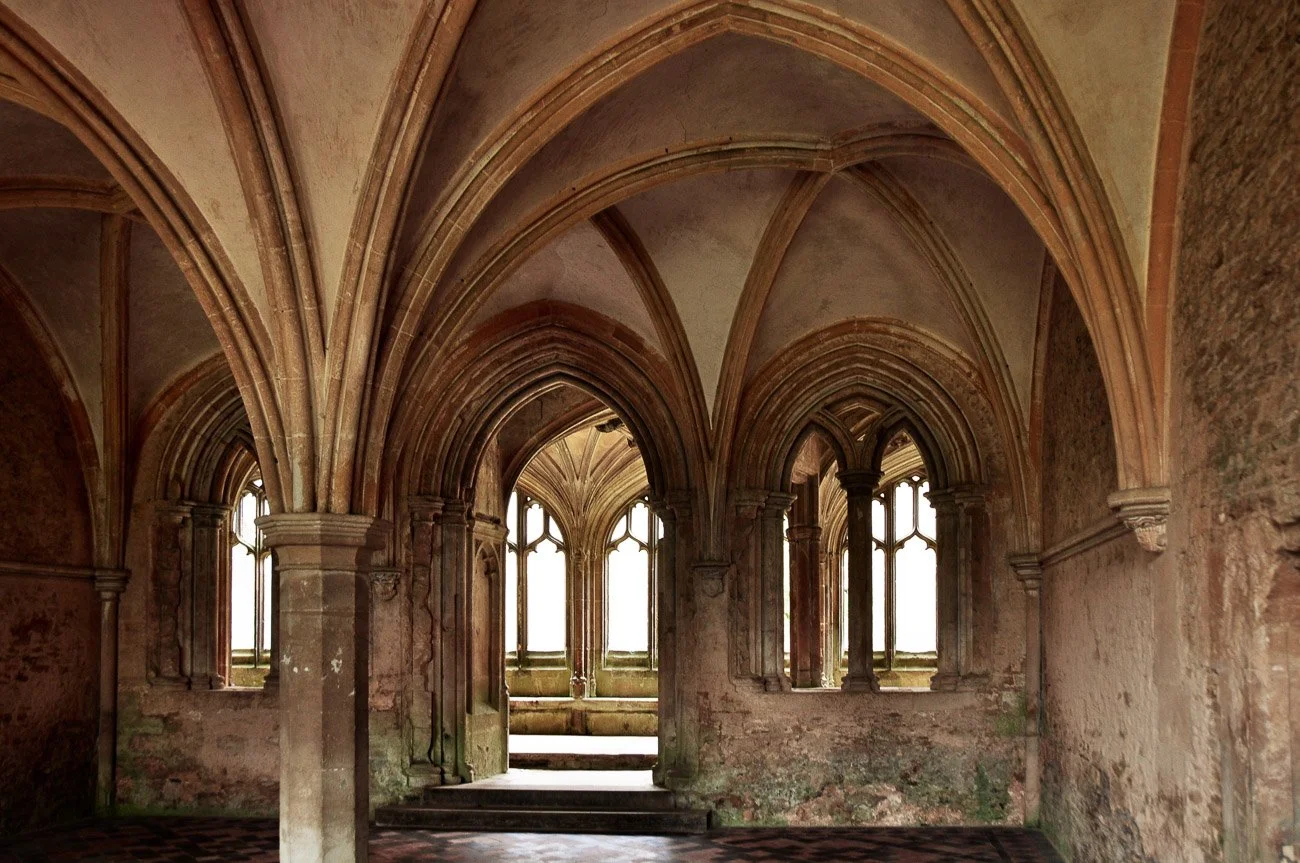
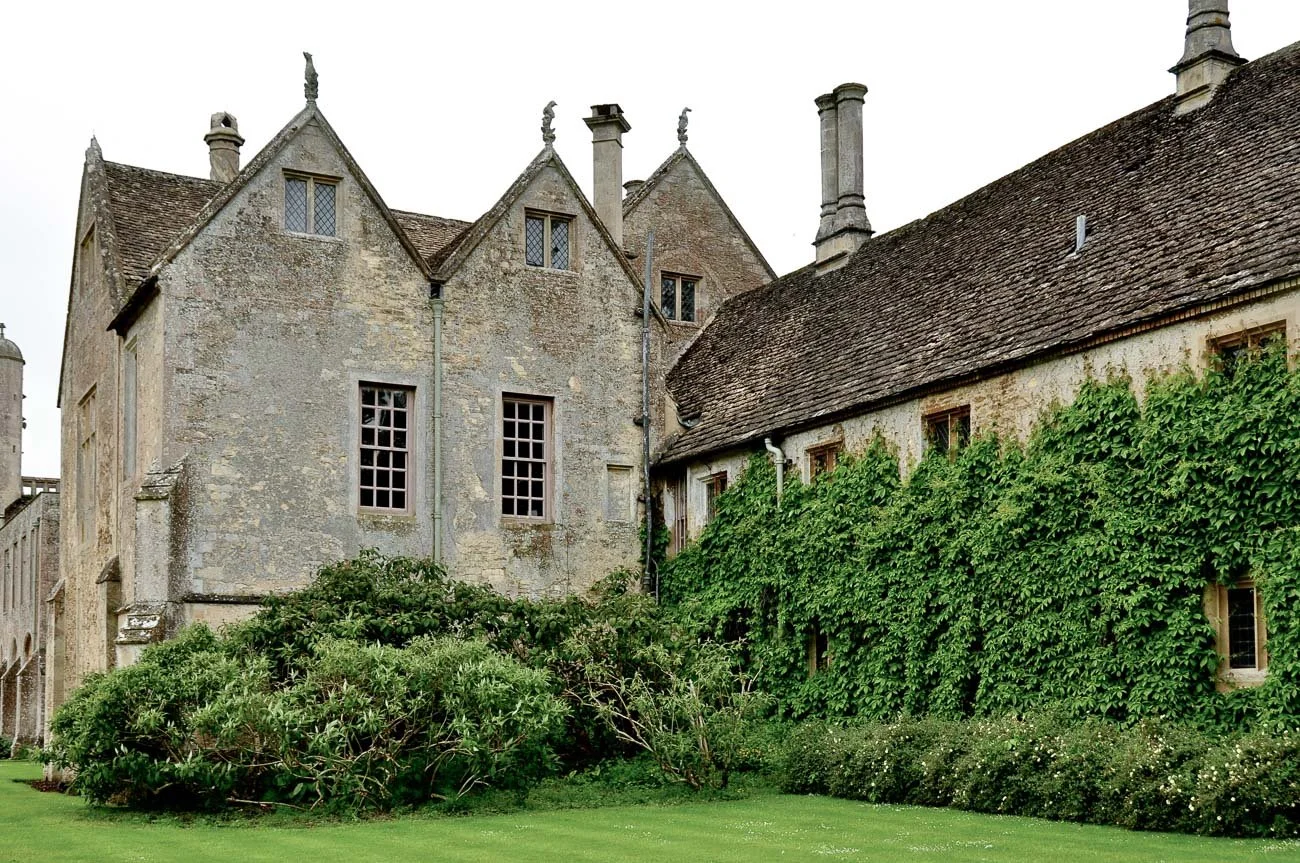
The Abbey’s religious life ended abruptly in 1540 when Henry VIII ordered the dissolution of the monasteries, and the property was sold to William Sharington, who dismantled the church and transformed the site into a country house. He sold much of the stone but kept the medieval cloisters, which remain the architectural heart of the building. Through inheritance and marriage, the Abbey later passed into Sharington’s youngest daughter, who married Sir John Talbot of Worcestershire, linking the Talbot family to the estate.
Moving through its rooms, you pass seamlessly from nunnery to Tudor mansion, from Georgian country house to wartime garrison. It is a wonderful and compelling building, each phase leaving its mark without completely erasing what came before. Outside, meadows and peaceful woodland gently unfold from the building, providing views that quietly frame the classic scenes of the English countryside.
Within the Abbey is the Fox Talbot Museum, dedicated to William Henry Fox Talbot, one of the Abbey’s last private owners and the inventor of the positive–negative photographic process. In 1835, Talbot created the world’s first photographic negative here, an event that revolutionised image-making for much of the twentieth century, enabling reliable reproductions and thus supporting publishing, archiving, and the wider sharing of images.
In 1944, during the Second World War, Talbot’s granddaughter Matilda gifted the Abbey and village to the National Trust. At the time, the building served as a home for refugees.
Lacock Abbey also enjoys a lighter cultural afterlife. Its cloisters and rooms feature in several films, including the Harry Potter series and The Other Boleyn Girl. A walk through the Gothic archway leads into the Victorian woodland garden, bright with seasonal flowers, regional trees, and lots of wild garlic in spring.
For anyone planning several visits to historic houses or landscapes in England, becoming a member of the National Trust is well worth considering. Lacock Abbey alone provides a compelling reason.
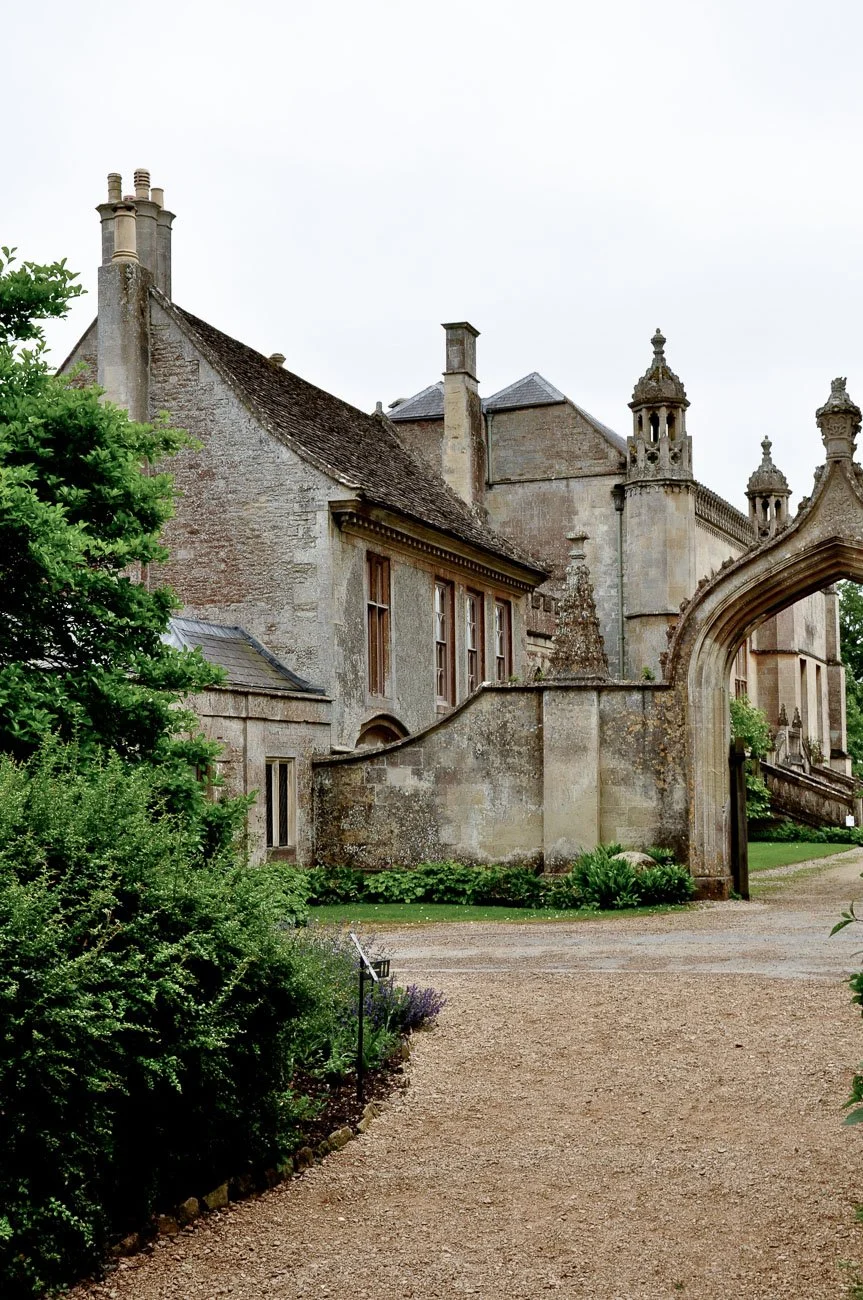
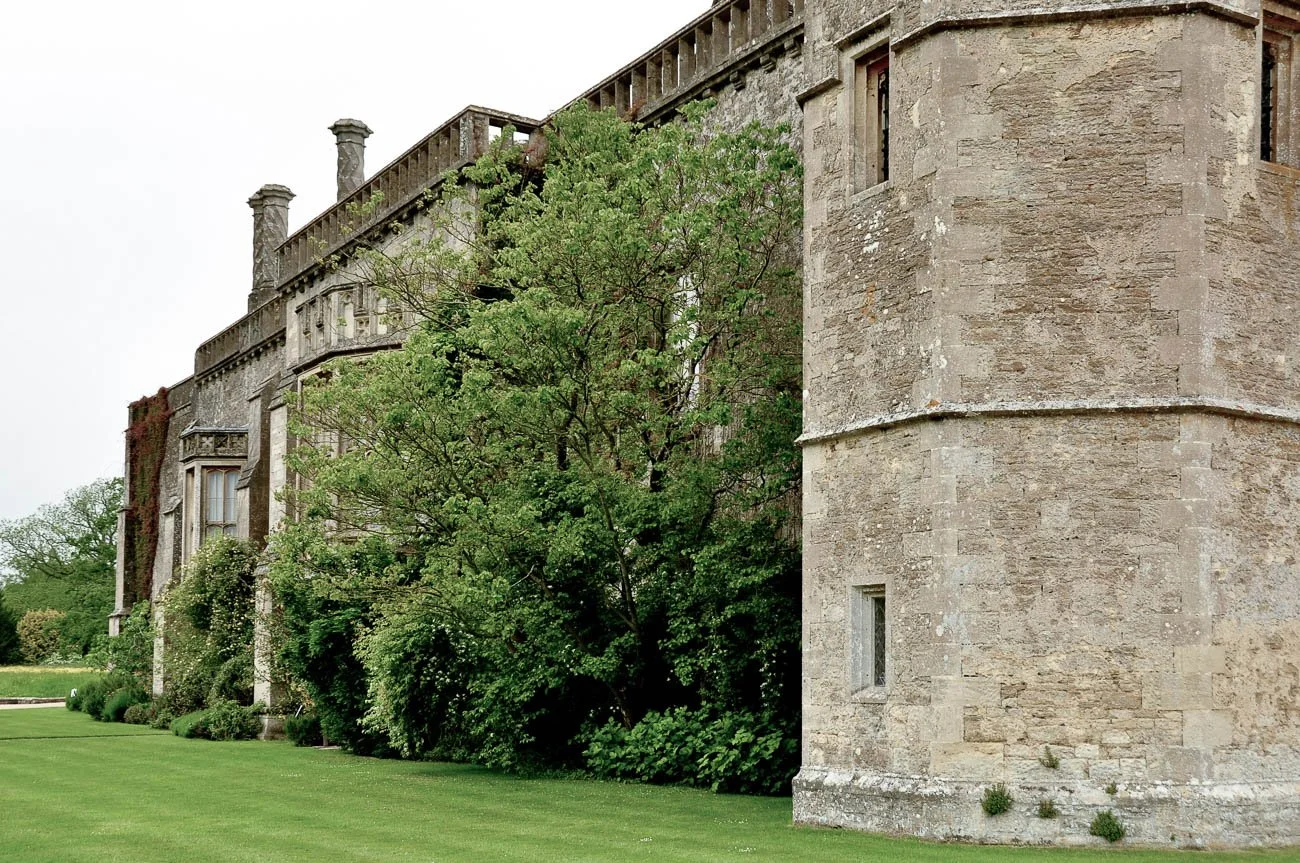
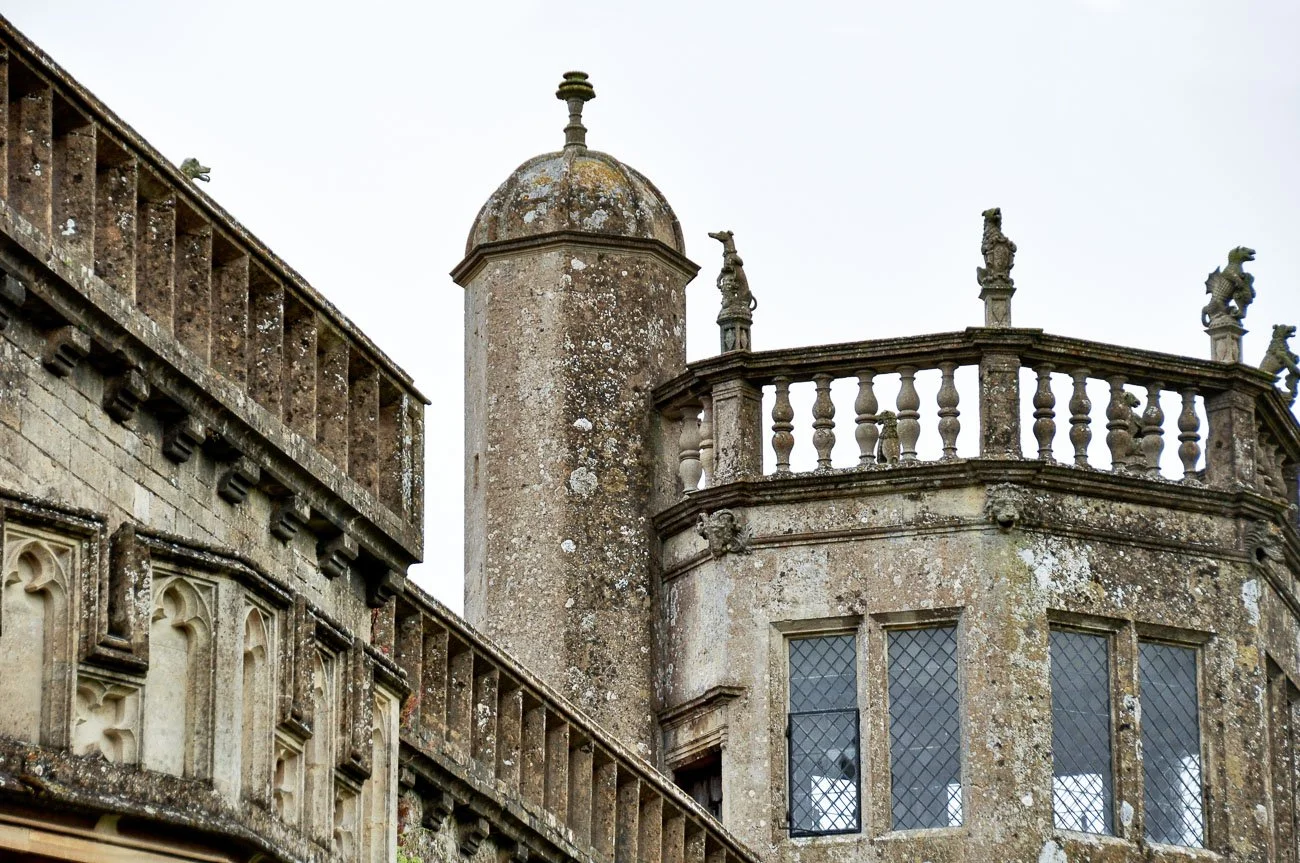
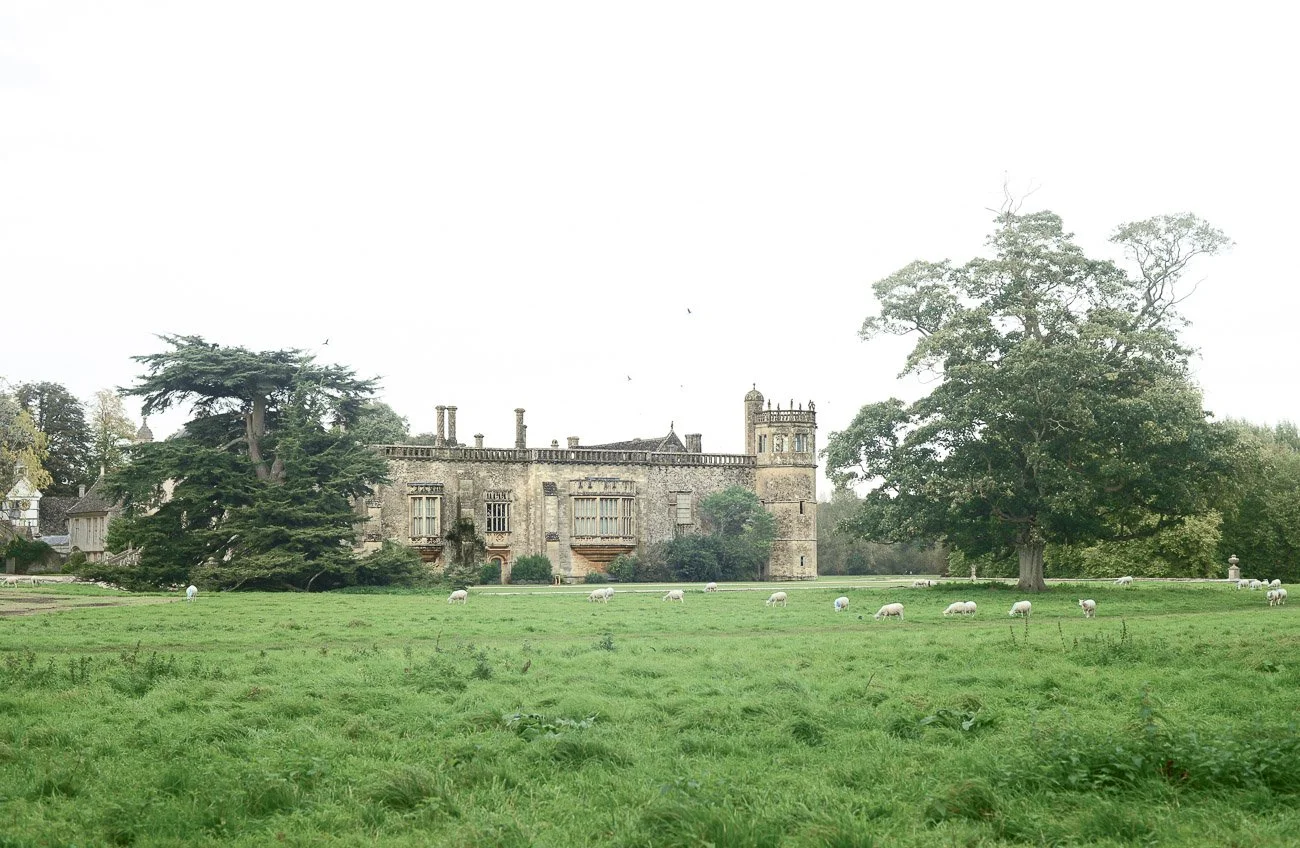
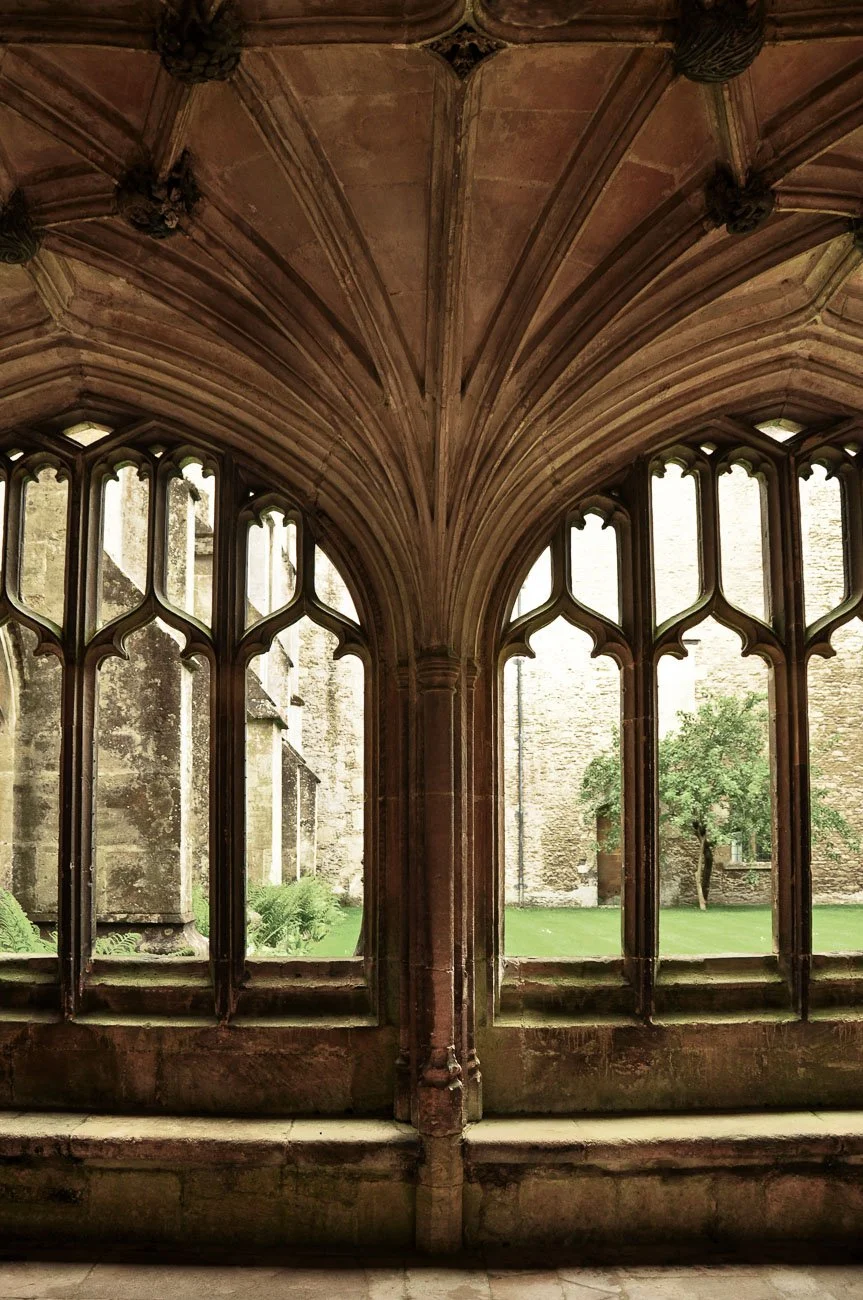
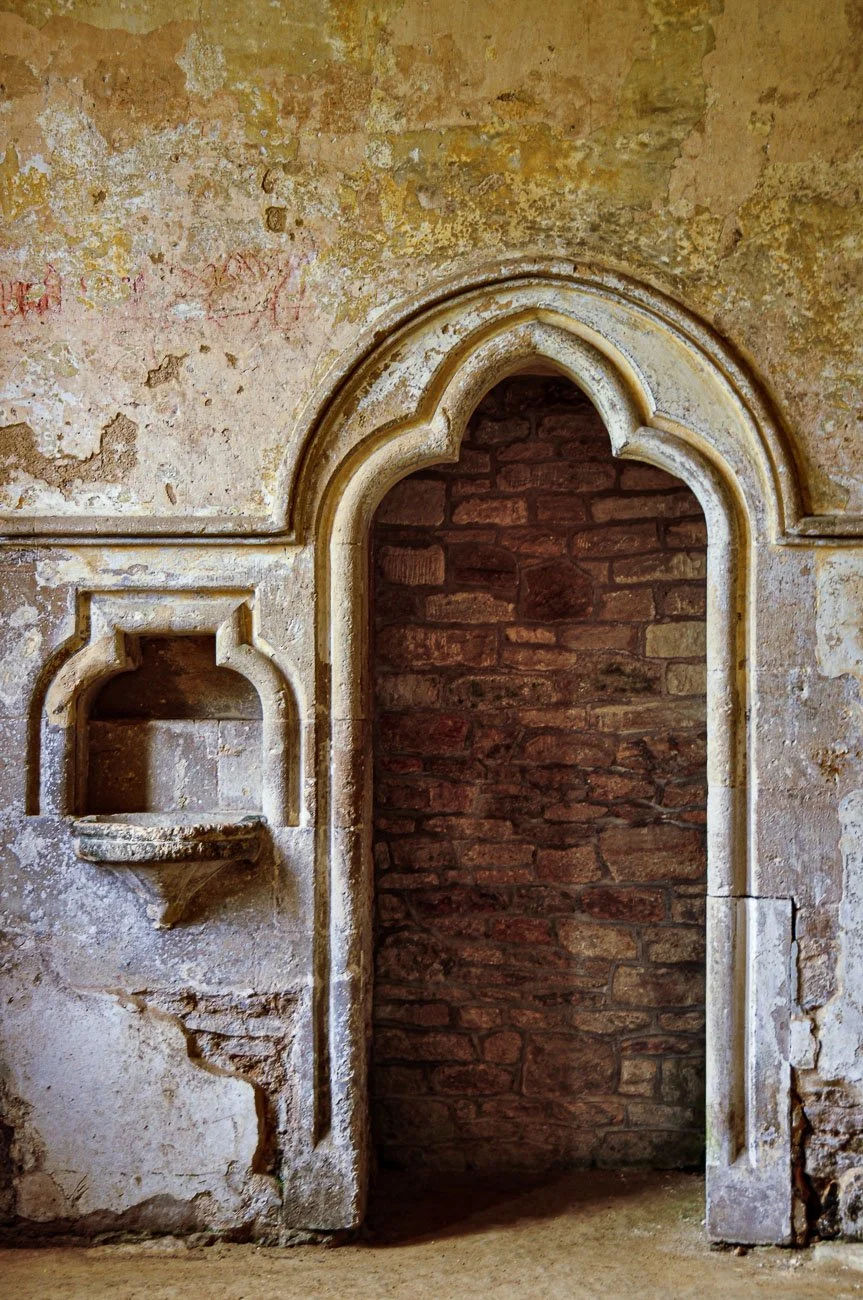
Lacock Abbey and The Fox Talbot Museum
+44 0124 973 0227 / +44 0124 973 0459
High St, Lacock, Chippenham, SN15 2LG , Wiltshire, England
www.nationaltrust.org.uk/lacock-abbey
