Lacock Village, Wiltshire’s Timeless Gem
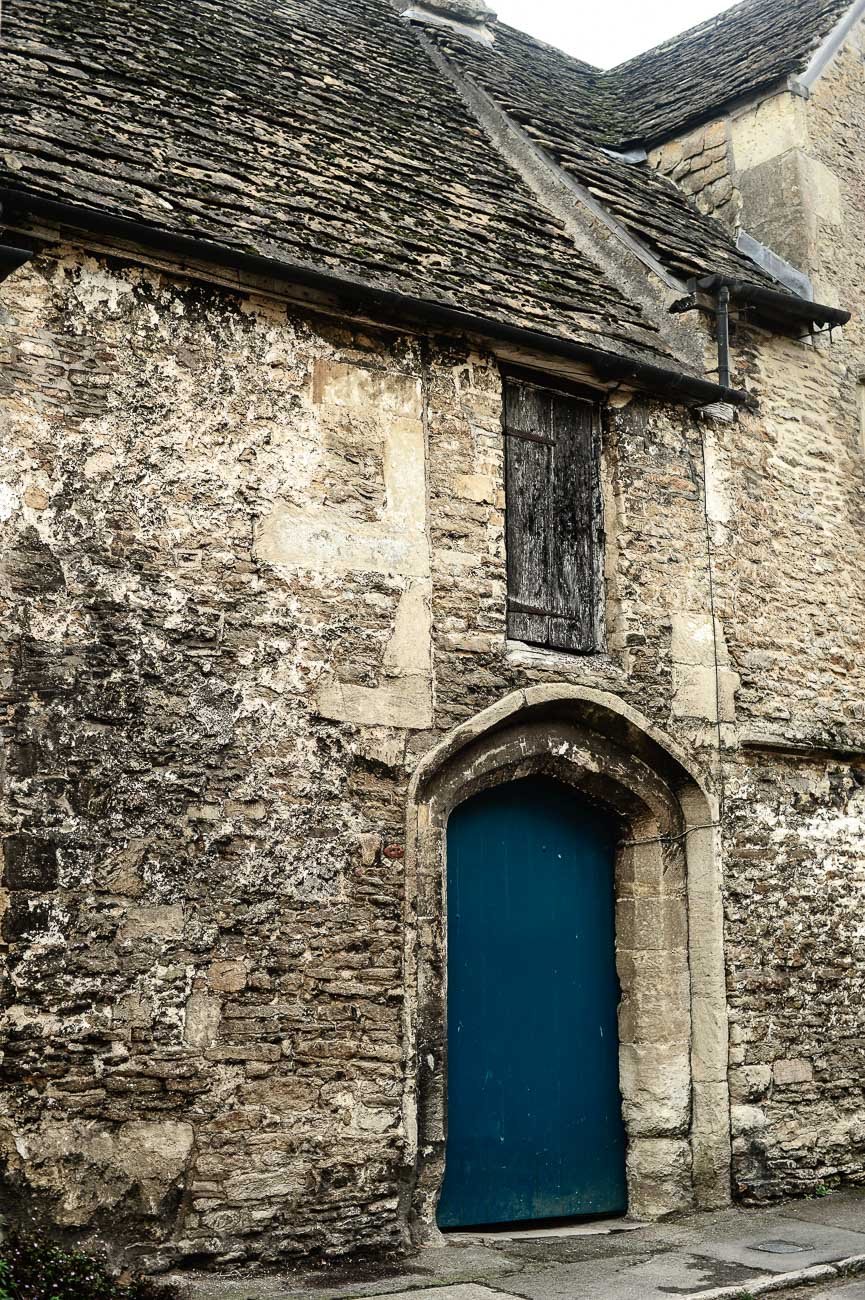
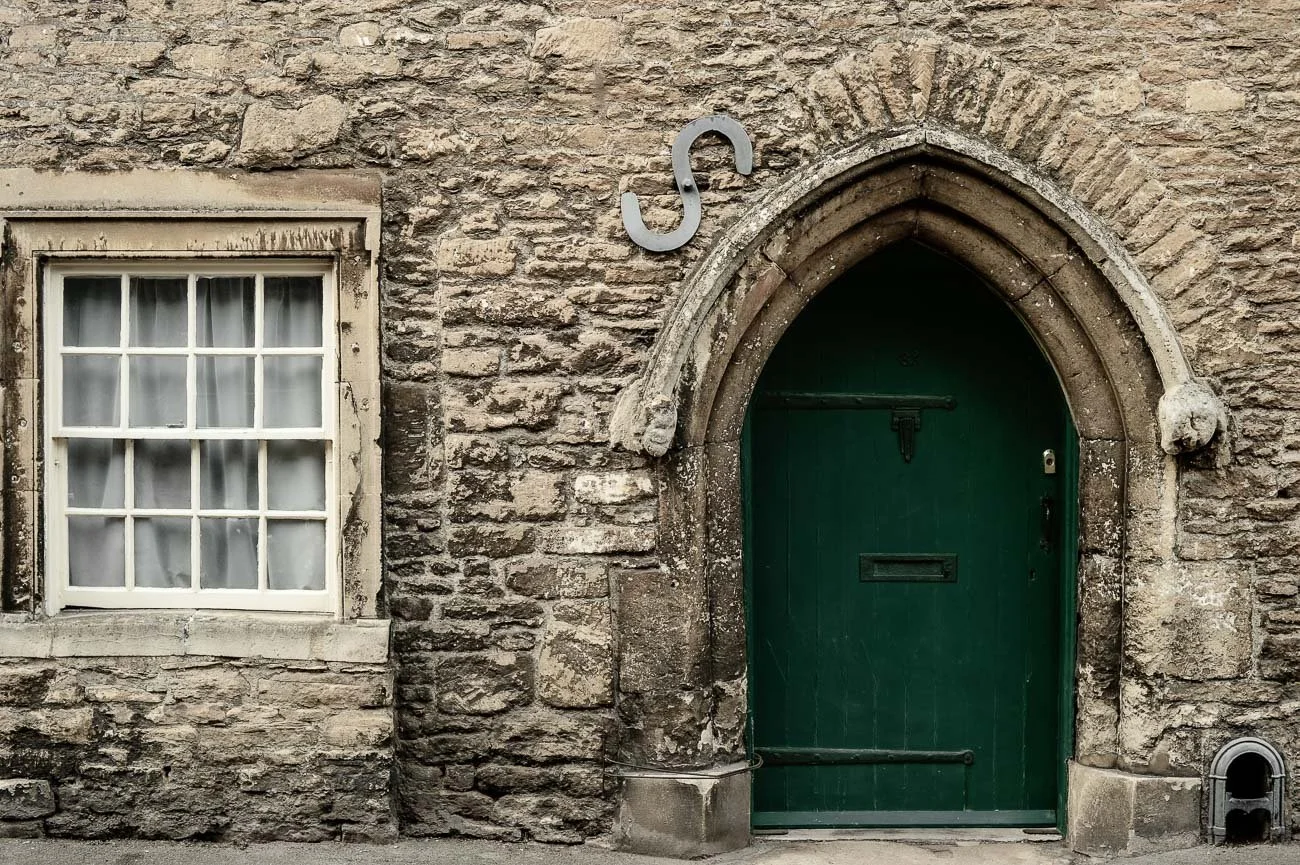
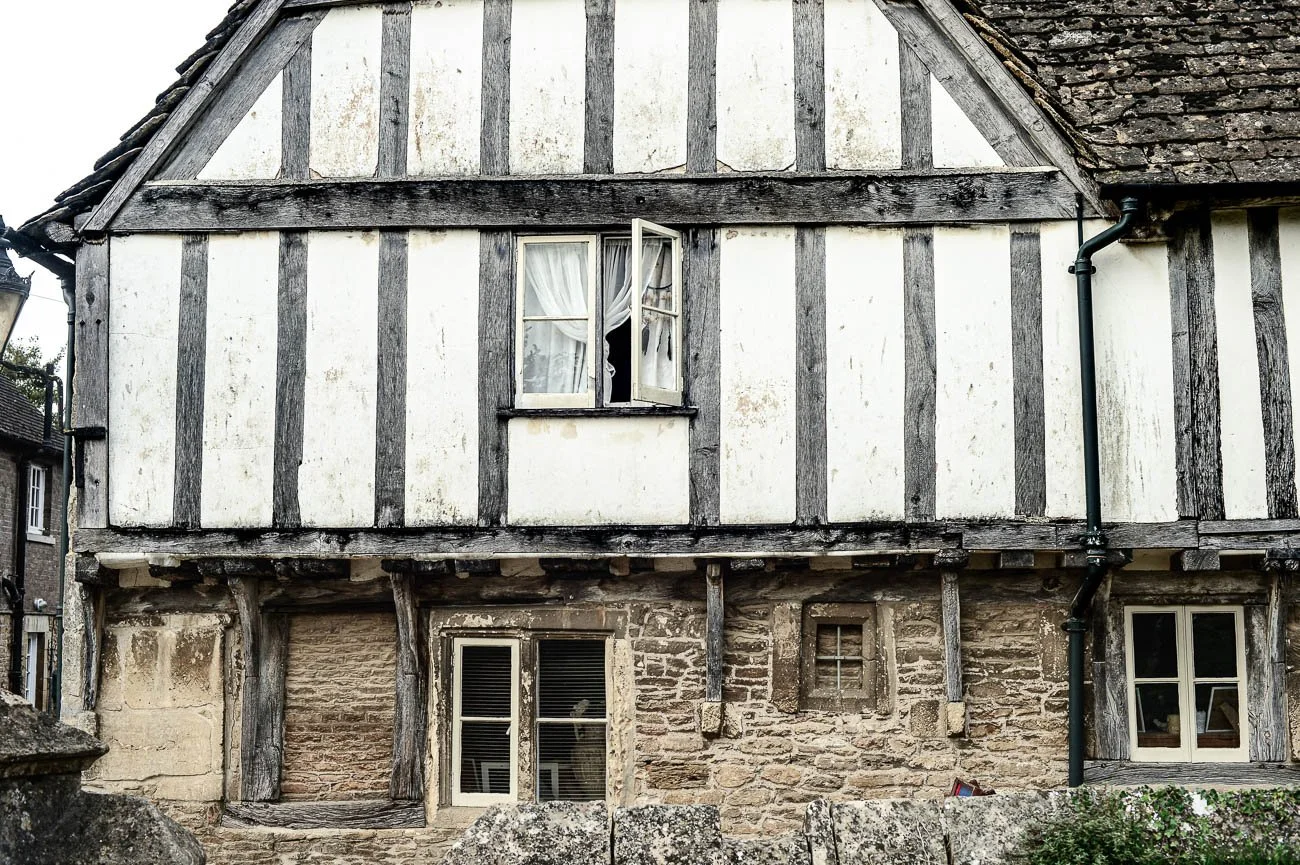
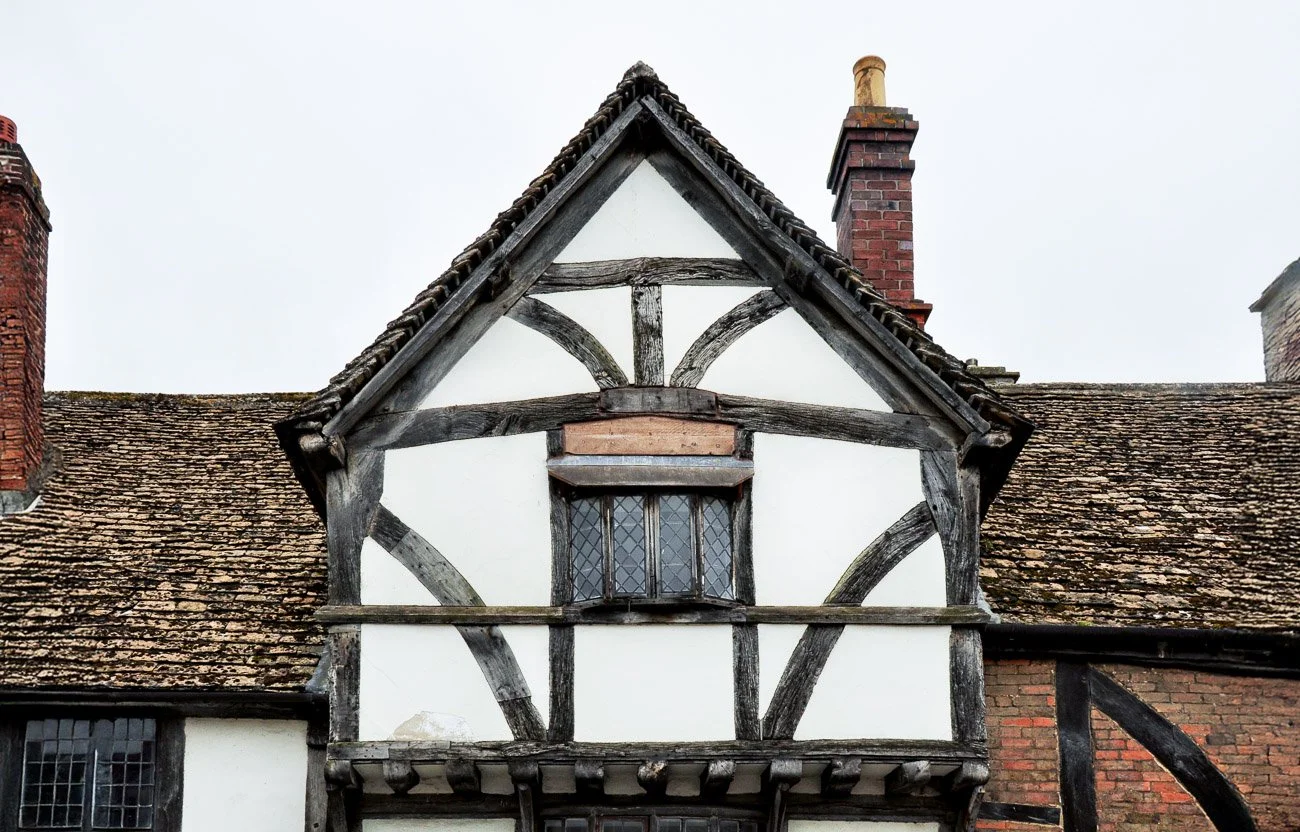
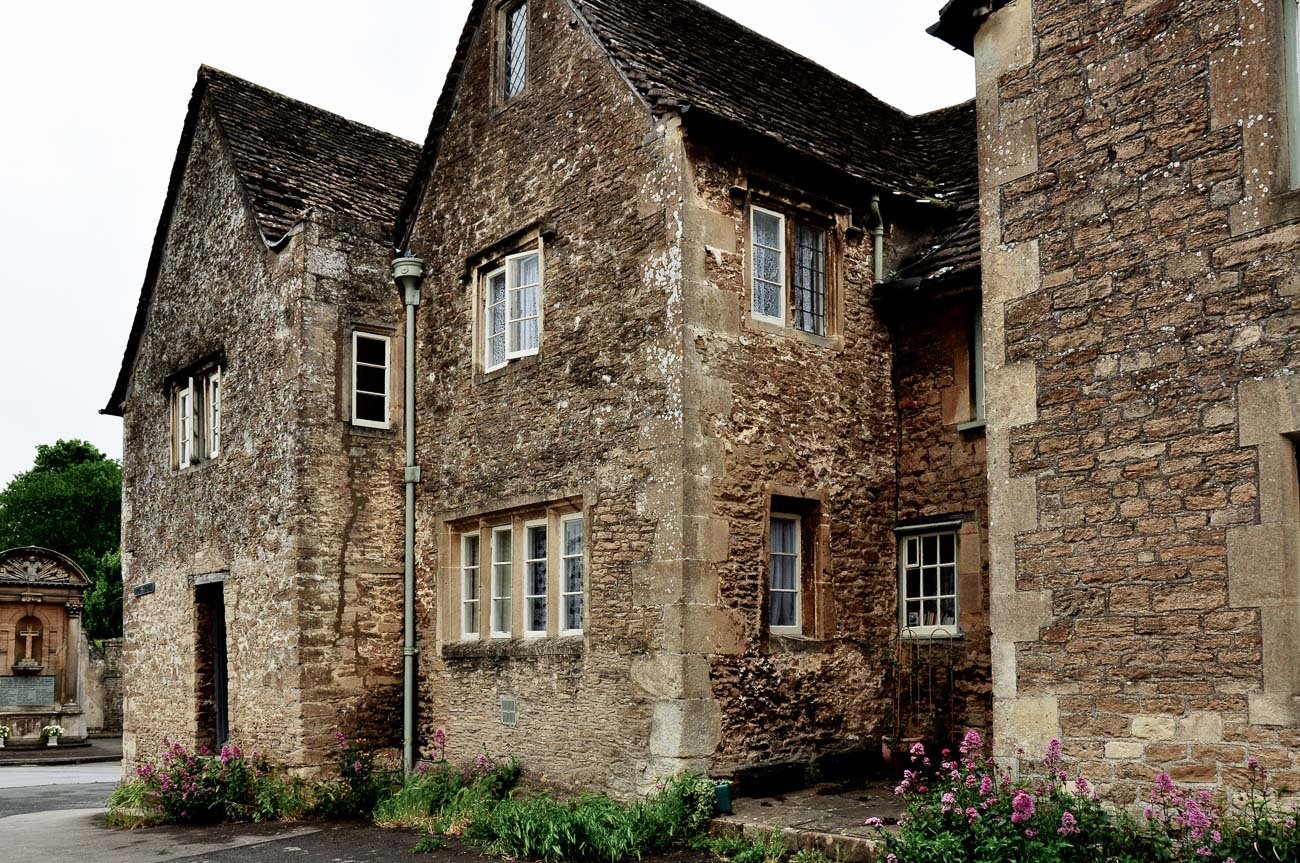
About two hours from London by car, with the nearest rail stop at Chippenham (5 km away), you discover one of the most picturesque villages in the West of England. Its history stretches back into the past; Saxon origins are recorded in the Domesday Book of 1086; most of the buildings you see in the village today largely date from the thirteenth century, and some of its stone cottages were shaped in the eighteenth century. During the Middle Ages, Lacock prospered as a centre of the wool trade. That history is still evident in its size and layout; the village sits comfortably within farmland and fields, anchored by its abbey and framed by working countryside.
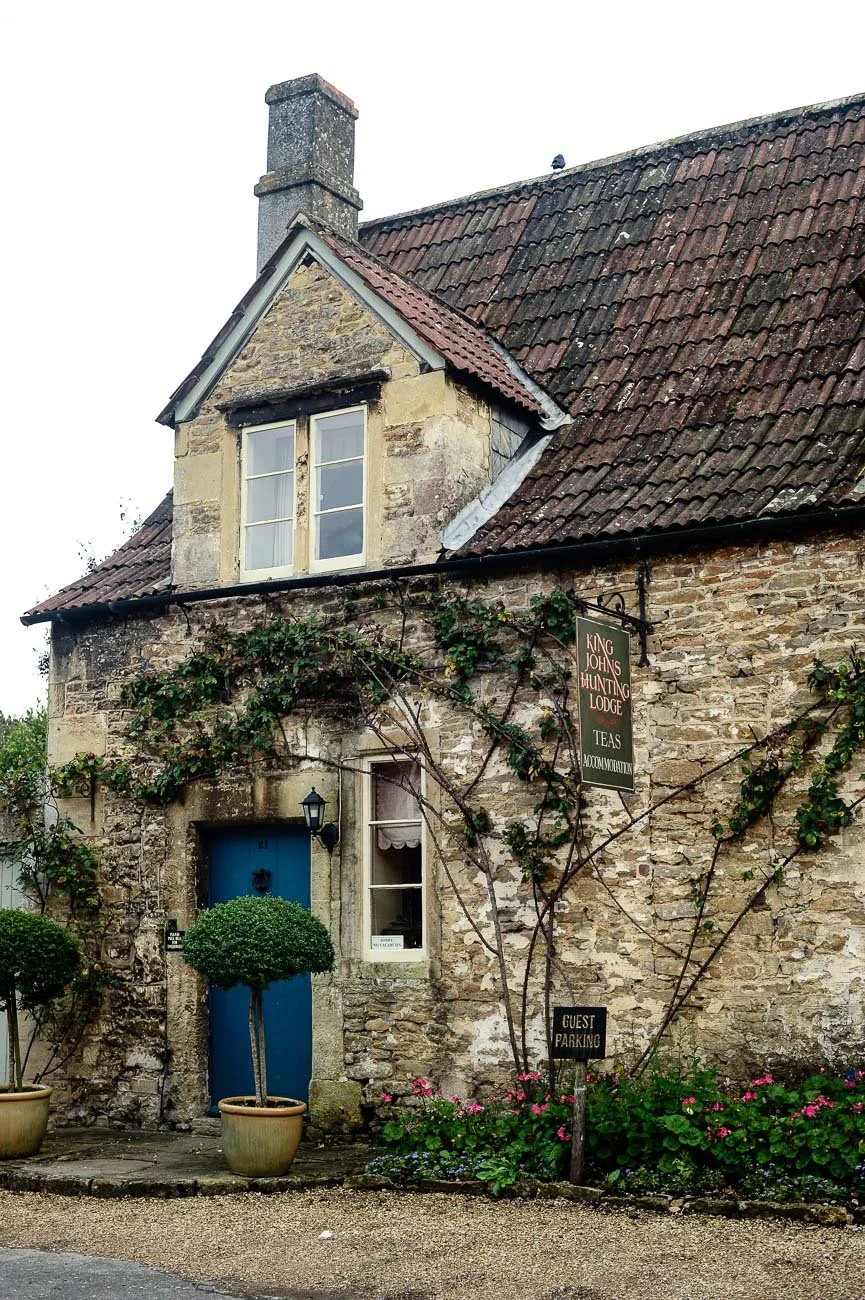
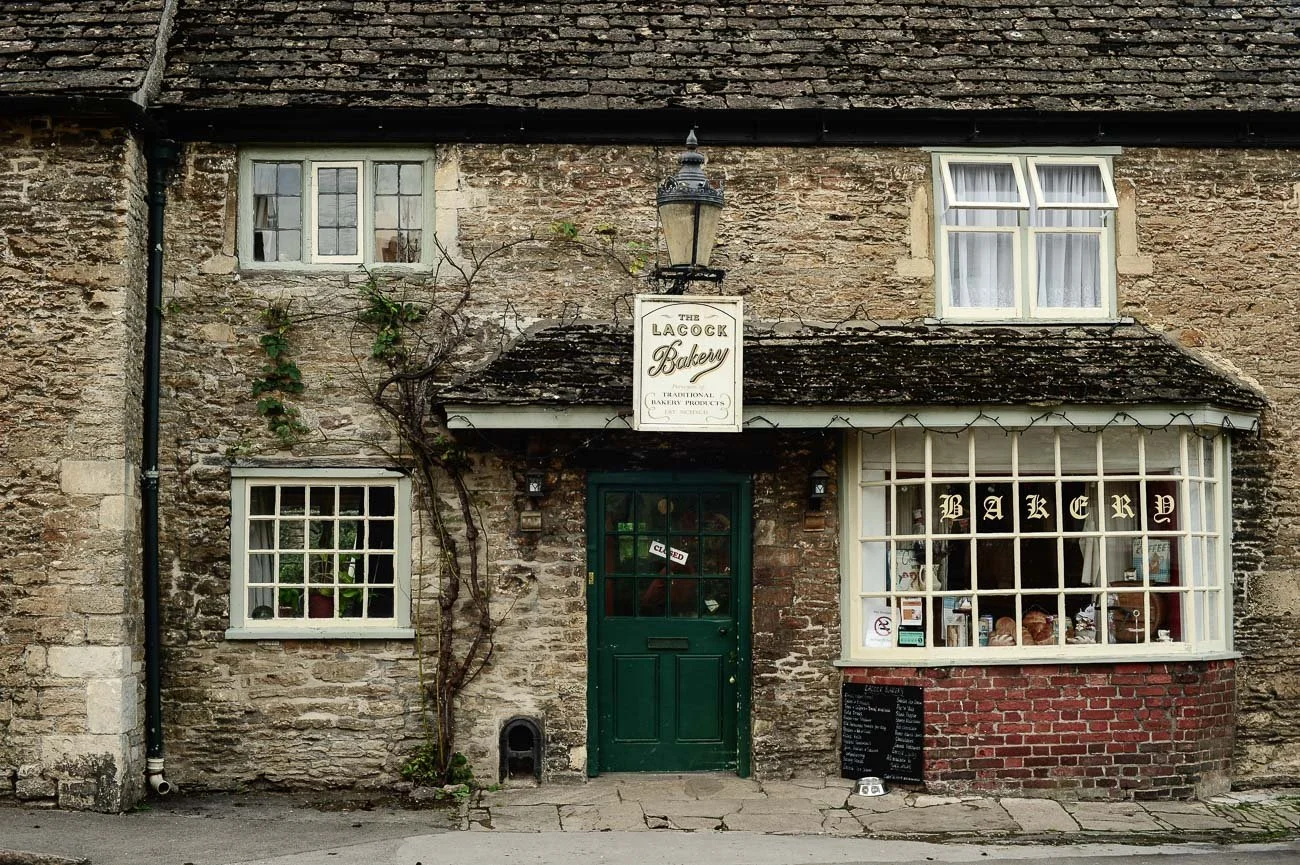
Well worth the trip; there are wonderful little shops and eateries, including King John's Hunting Lodge Tea Room.
Although it is very touristic, it’s lovely that they cater to tourists without surrendering their character. There is commerce here, but also continuity — and that makes it all the more special.
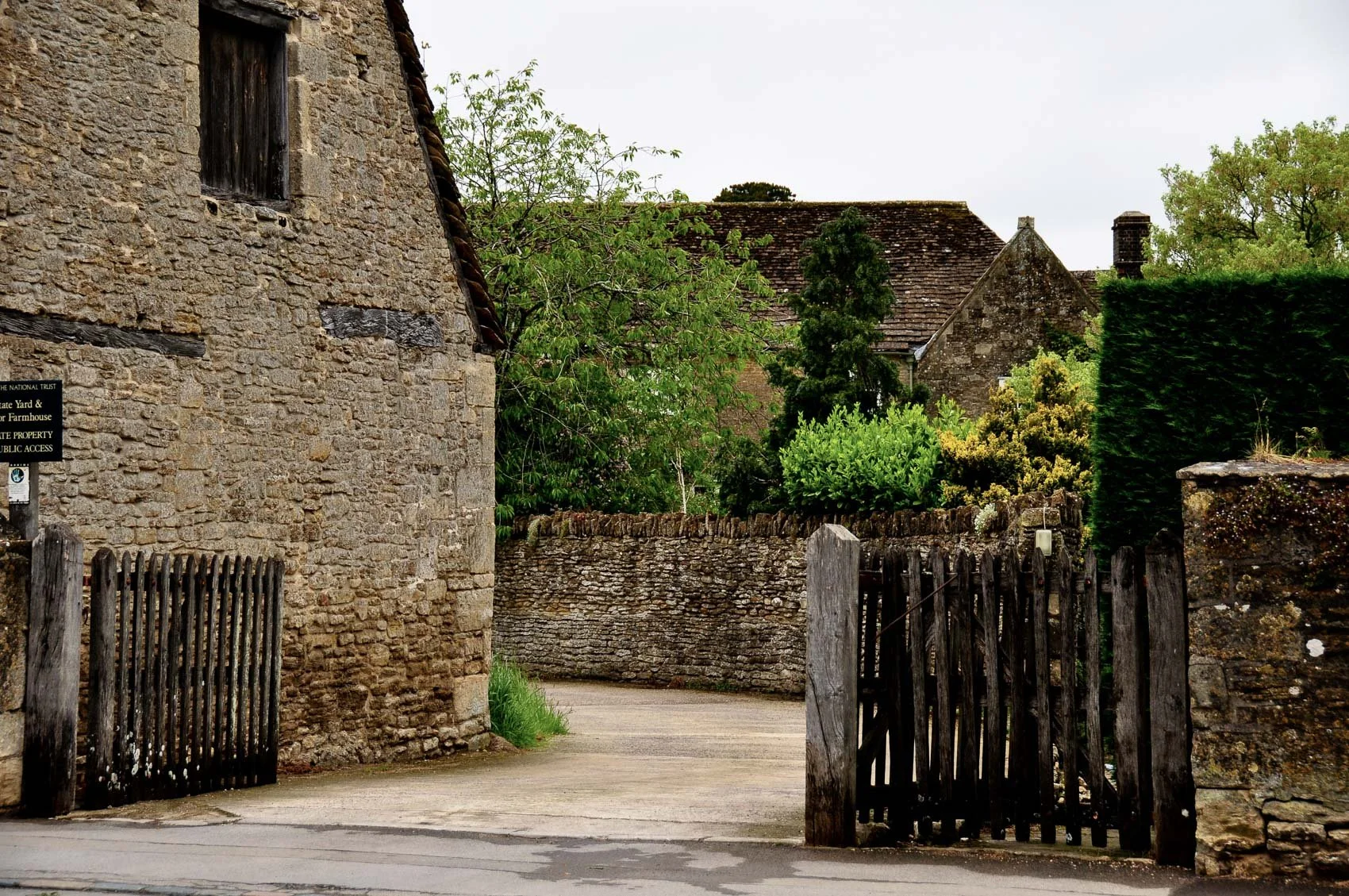
Lacock also holds a unique place in the history of photography. It was home to William Henry Fox Talbot, who lived at Lacock Abbey. In 1835, within its walls, he created the world’s first photographic negative, pioneering the positive–negative process that shaped the future of photography. In 1944, his granddaughter Matilda Talbot gifted the abbey and village to the National Trust, ensuring their preservation as a unified whole.
The streets and cloisters of Lacock seem almost purpose-built for storytelling. The town itself is a favourite filming location for period dramas for filmmakers seeking an unaltered English setting. Even without recognising a scene, the appeal is obvious; its streets and cloisters have featured in the Harry Potter films, The Other Boleyn Girl, Cranford, and many of Jane Austen's adaptations.