
Új Színház – The New Theatre
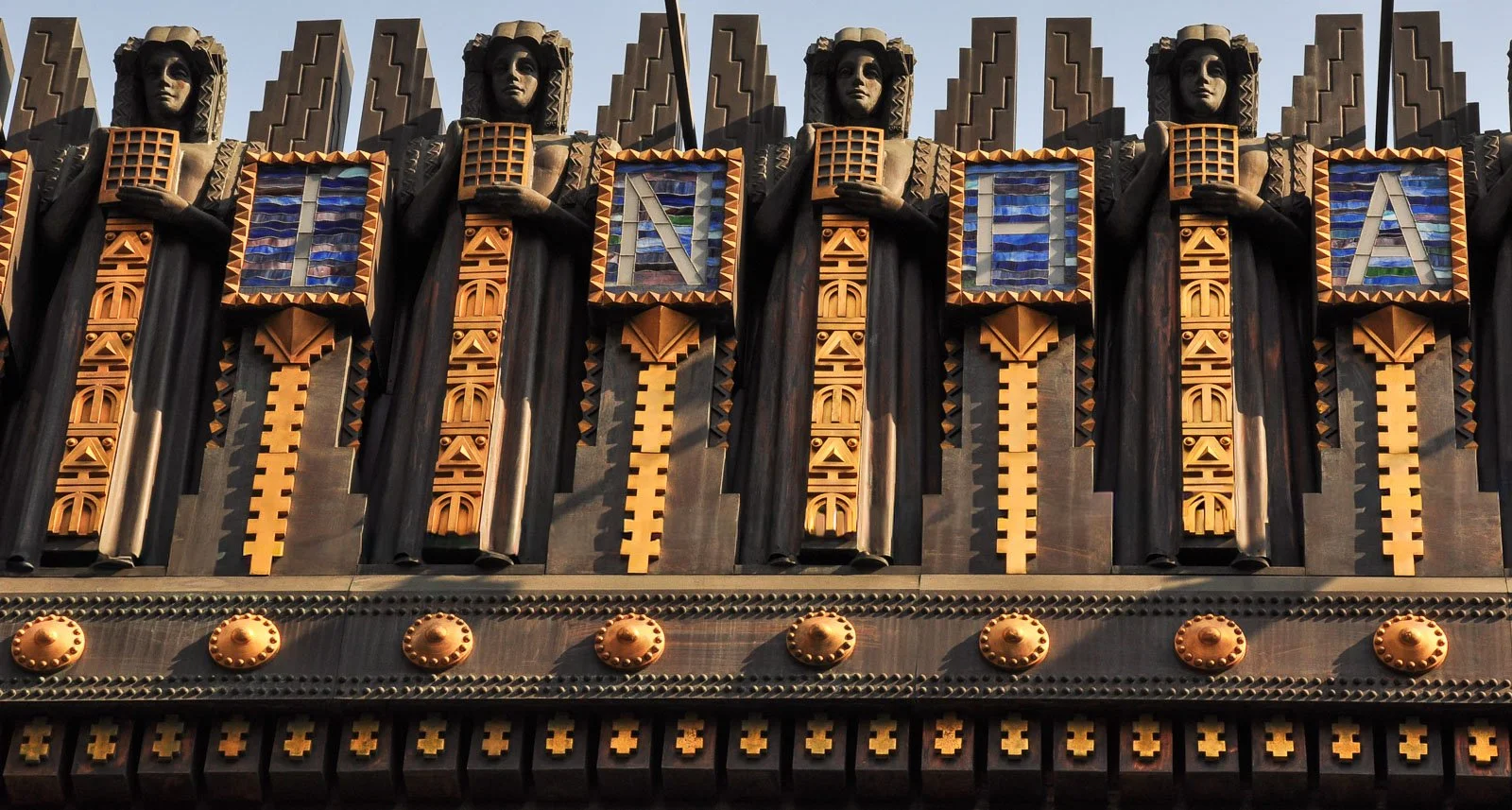
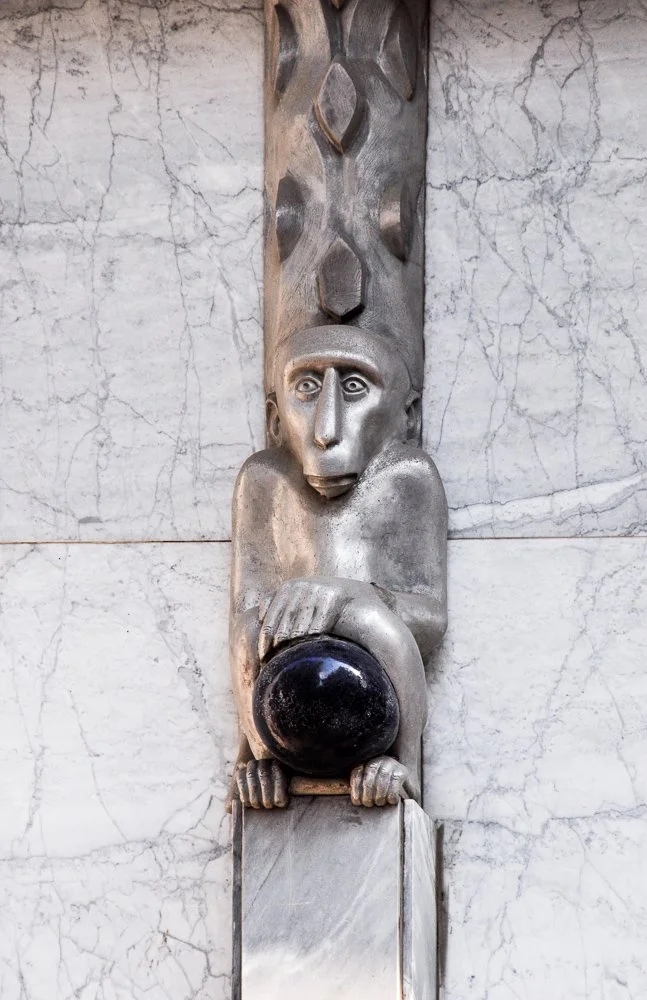
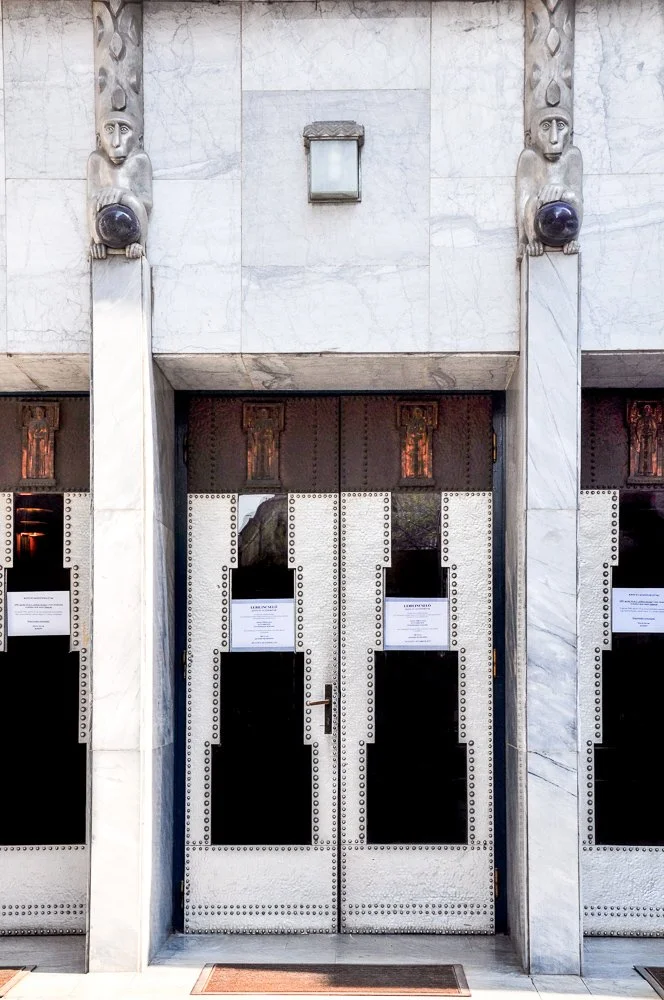
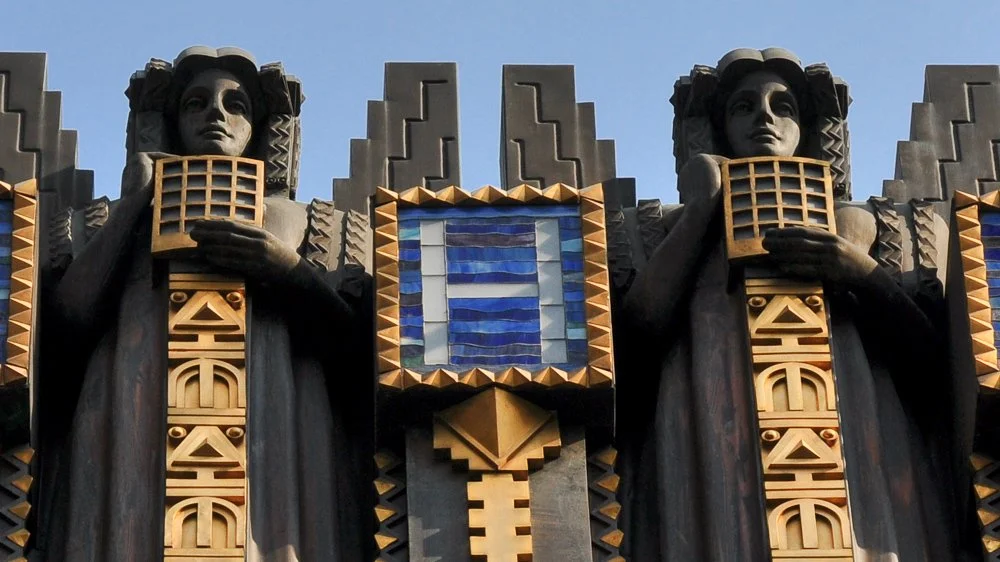
Just across from the Hungarian State Opera, at the end of the narrow Dalszínház utca, the Új Színház, with its striking Art Deco façade, appears almost unexpectedly—a pause in the streetscape that invites a second look.
The building was designed in 1909 by Hungarian architect Béla Lajta, and originally opened as the Parisiana nightclub. Its identity changed several times in the early decades of the twentieth century, reflecting the city’s vibrant cultural life. By 1910, it had become the Crystal Palace, then the Dance Palace in 1912. In 1919, it adopted the name Variety Theatre, followed by the National Theatre in 1925, and later served as the Studio Theatre and the Andrássy Theatre.
The post-war years brought further changes. In the 1950s, the façade underwent restoration, and the building re-emerged as the Jókai Theatre. During the 1960s, the decorative frieze was removed, and the interior was adapted for its time as the Thalia Theatre. Only in the 1980s did the building return to its current identity as Új Színház, restored with a renewed sense of purpose.
Today, the theatre remains visually compelling rather than grand. Its strength lies in character and history rather than scale. Passing by, especially in the quiet moments between performances at the Opera, it offers a subtle reminder of Budapest’s layered theatrical past.
It is well worth a short detour when nearby. Even from the street, Új Színház tells a long story.
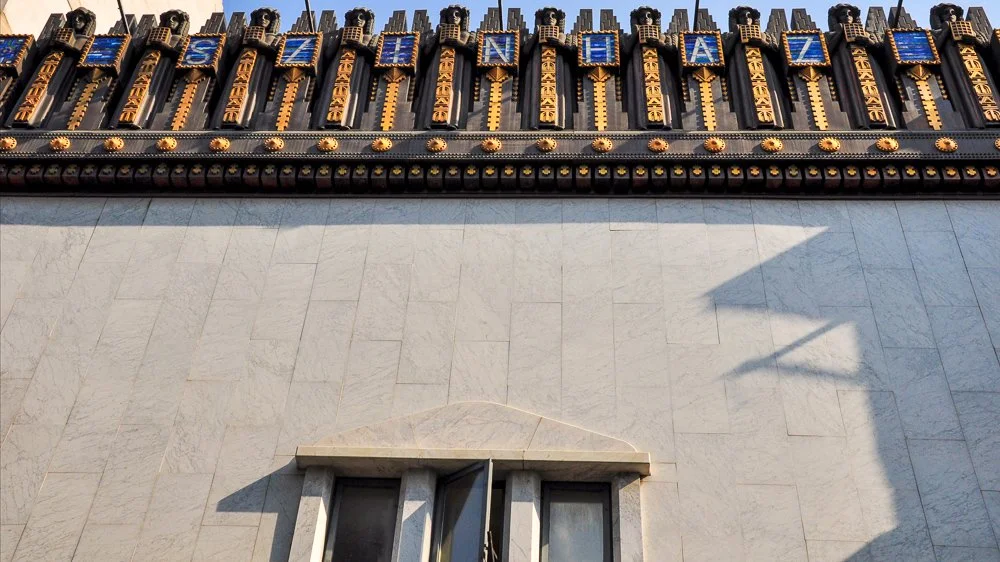
Új Színház
+36 1 269 6021
Budapest Paulay Ede utca 35, Budapest, Hungary
www.ujszinhaz.hu