
OUR VOYAGES
We wander the world in search of beauty, meaning, and the things worth noticing
Destinations
- Asia
- Austria
- Barcelona
- Bogota
- Boyaca
- Budapest
- Cartagena
- Colombia
- Côte-d’Azur
- Europe
- France
- Girona
- Hong Kong
- Hungary
- Italy
- Japan
- Kanazawa
- Kathmandu
- Kyoto
- Kyushu
- Latin America
- Lisbon
- London
- Mexico
- Mexico City
- Mustang
- Nepal
- Norte
- Oaxaca
- Paris
- Porto
- Portugal
- Rivera Maya
- Romania
- Sighisoara
- Southwest England
- Spain
- Tayrona
- Tirol
- Tokyo
- Tuscany
- UK
- Vienna
- Zona Cafetera
Tags
- 2nd arrondissement
- Hotel
- Nice
- Saint-Paul-de-Vence
- admiralty
- adventure
- ancient cultures
- aoyama
- apothecary
- arashiyama
- archaeology
- architecture
- art deco
- art galleries
- art nouveau
- arts and culture
- asakusa
- avebury
- aztec
- bakeries
- barcelona
- barefoot luxury
- baroque
- bars
- baru
- bath
- bathhouse
- beach
- beer
- belváros
- biot
- bloomsbury
- bohemian
- bookshops
- boutique
- brunch
- buda
- calarca
- caribbean
- catalan cuisine
- central hong kong
- central kyoto
- central tokyo
- centro cdmx
- ceramics
- chef tools
- chic
- chiyoda
- coba
- cocktails
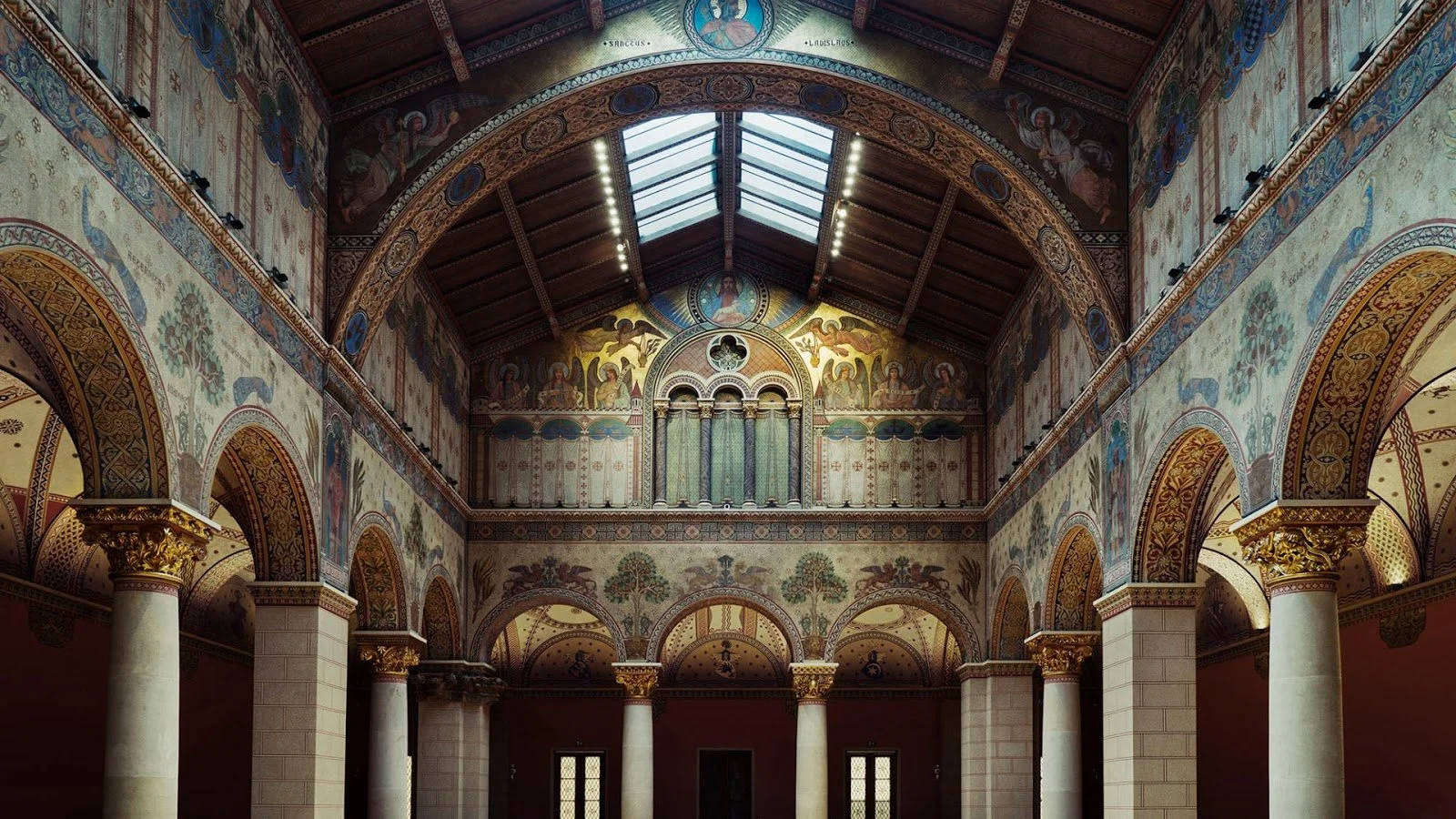
Szépművészeti Múzeum – Museum of Fine Arts
The Szépművészeti Múzeum stands with quiet authority on Hősök tere (Heroes' Square), facing the Műcsarnok (Palace of Art), and edging into Városliget city park
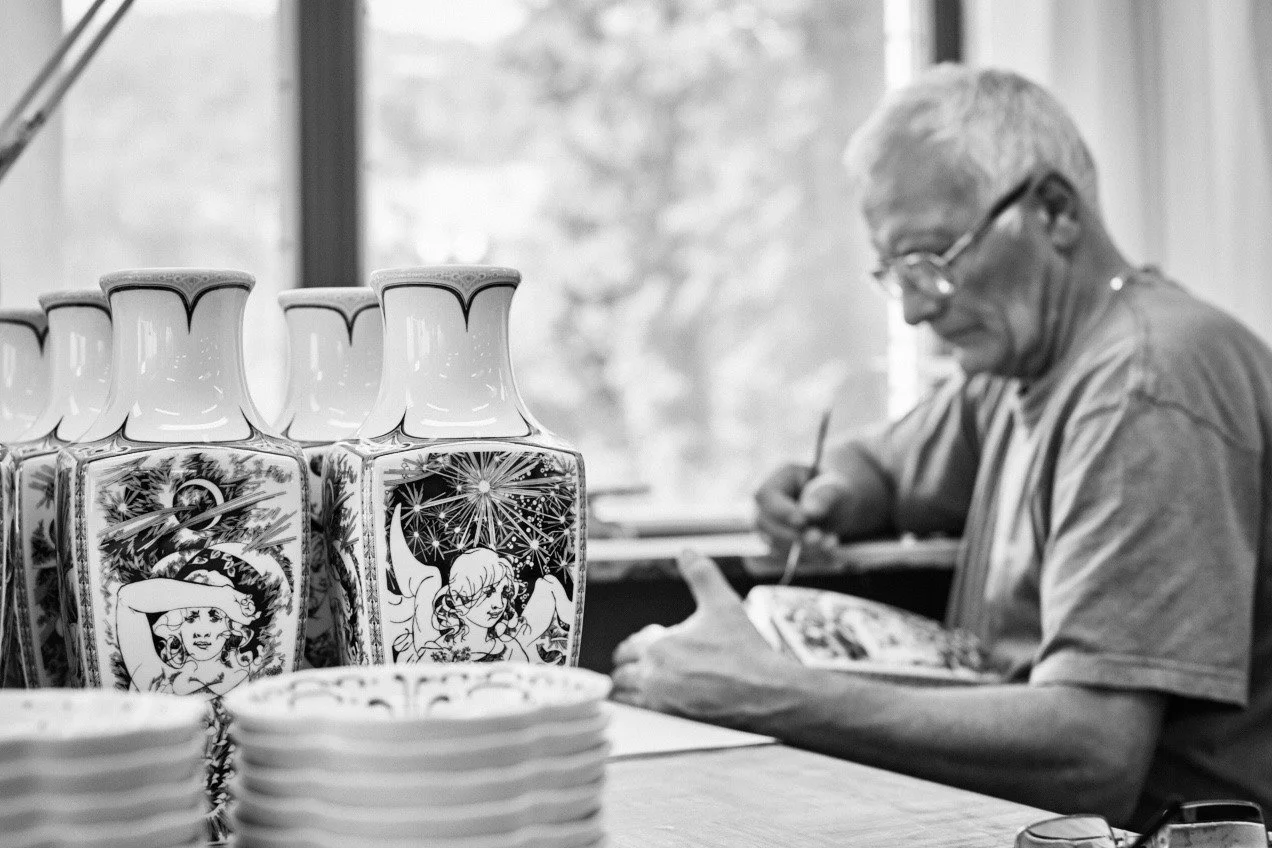
Hollóházi Porcelain Gallery
Hollóházi porcelain has a history spanning nearly 250 years, beginning as a glassmaking workshop in 1777 in a small village in the Zemplén Mountains of Northern
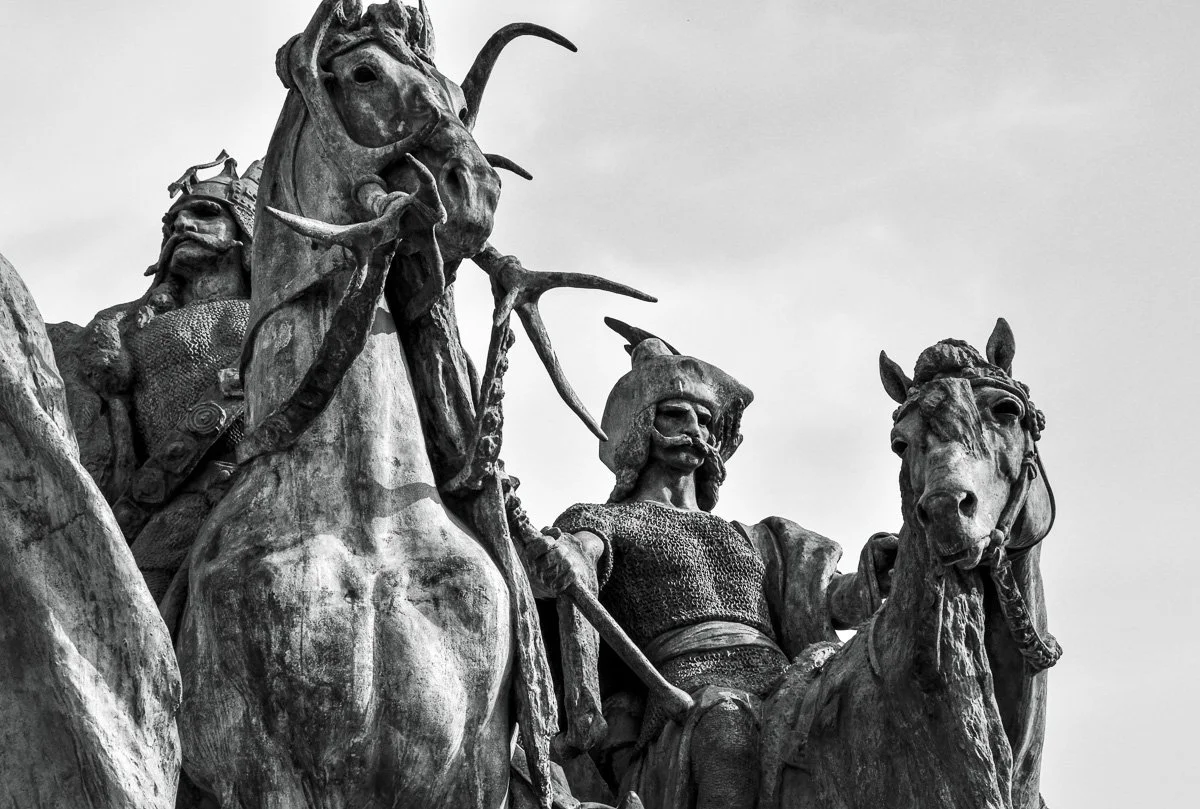
Hősök tere – Hungary Cast in Stone
At Hősök tere, history does not whisper. It stands, gathers, and holds its ground. The Millennium Monument rises with a solemn, almost mythic force, its figures drawn inward beneath
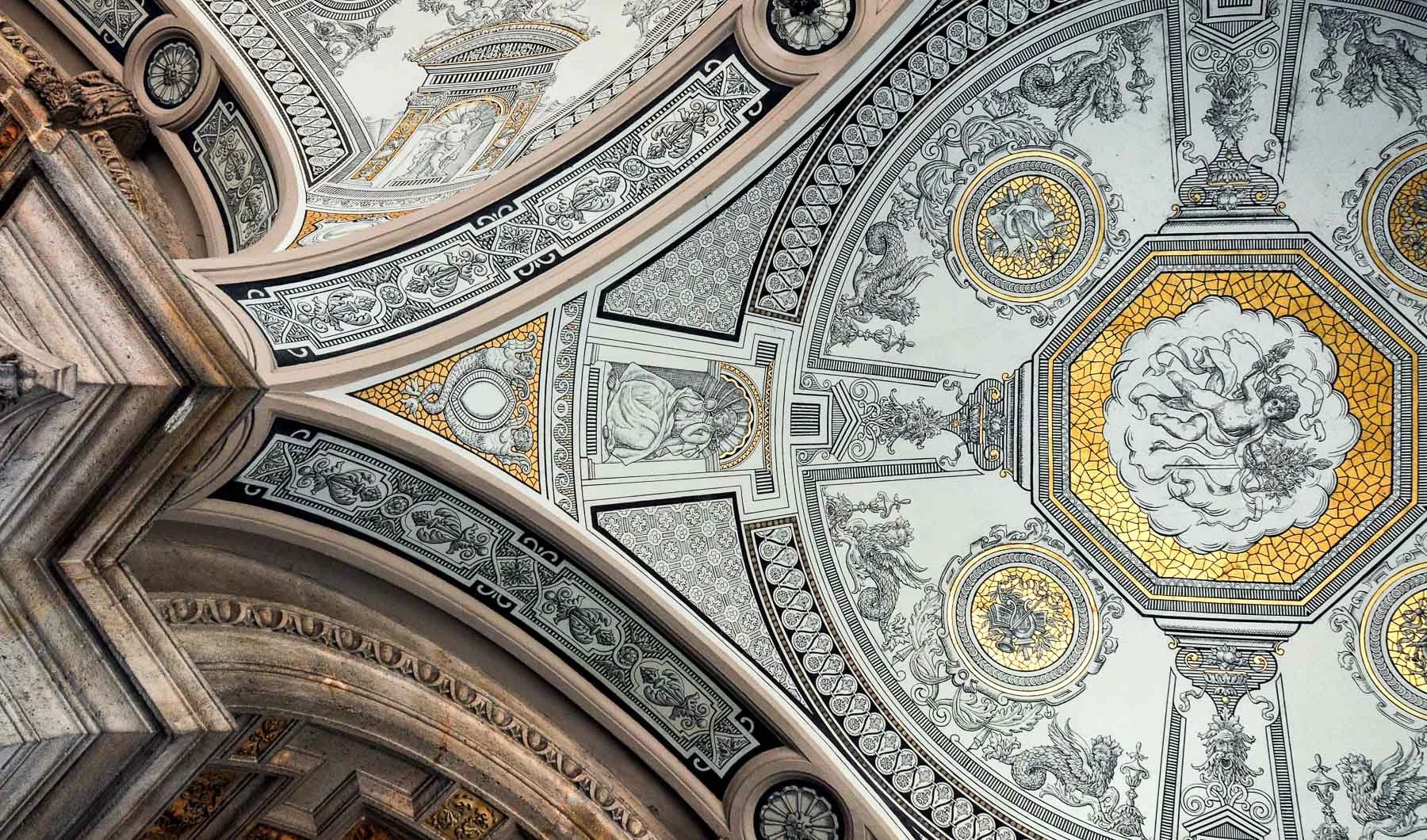
Magyar Állami Operaház – Hungarian State Opera House
The Magyar Állami Operaház first opened its doors in 1884 as a declaration of cultural ambition. Designed by Miklós Ybl, one of Hungary’s most respected nineteenth-century architects
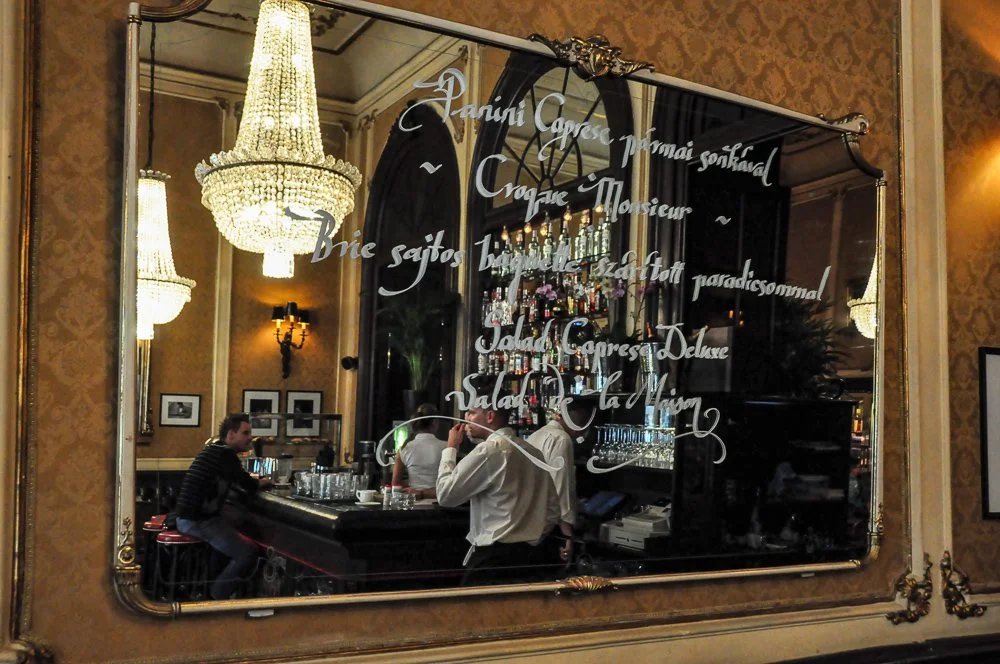
The Artists’ Café by the Opera – Művész Kávéház
Just a block from the Hungarian State Opera, and pointedly in the opposite direction from Callas, Művész Kávéház or The Artists’ Café radiates the unhurried atmosphere of
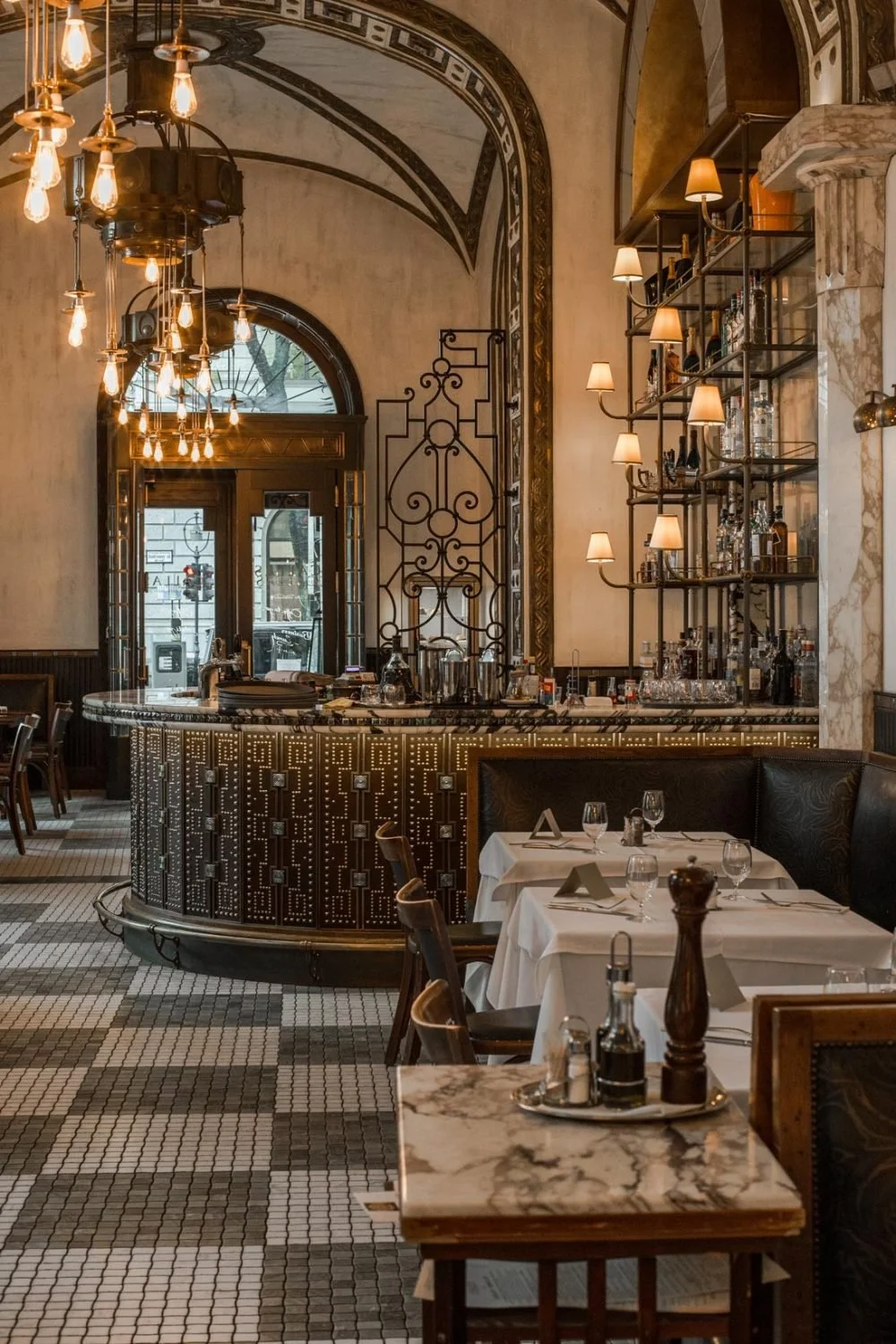
An Aria with Espresso at Callas Café
With a name like Callas, it could hardly be located elsewhere; the café sits beside the Hungarian State Opera, standing confidently on Andrássy út with a sense of theatrical certainty.
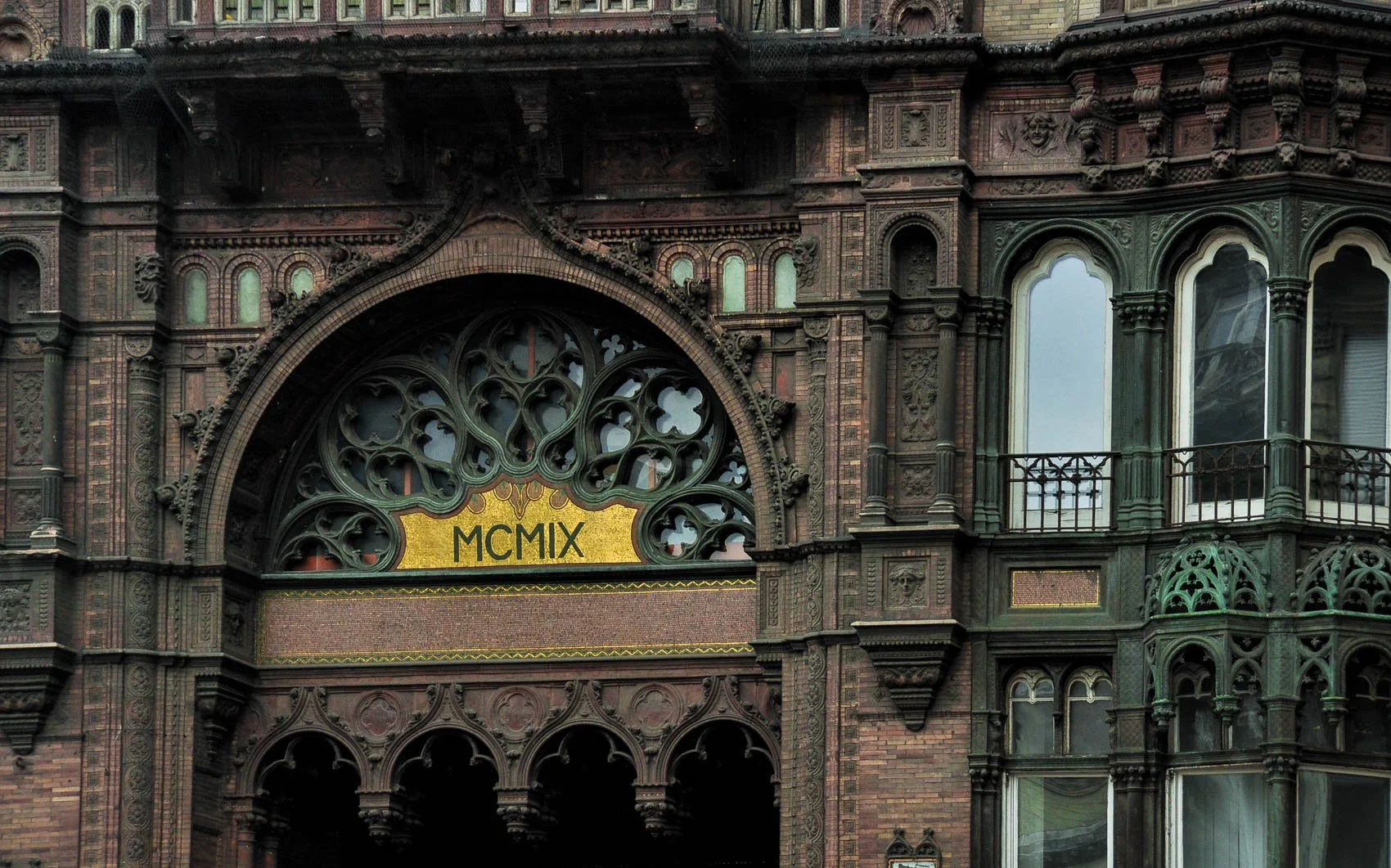
Párisi Udvar – Budapest’s Cinematic Passage of Time
The Párisi Udvar occupies a quiet yet powerful corner of central Budapest, a place where architecture carries memory as much as ornament. Its story begins in 1817, when
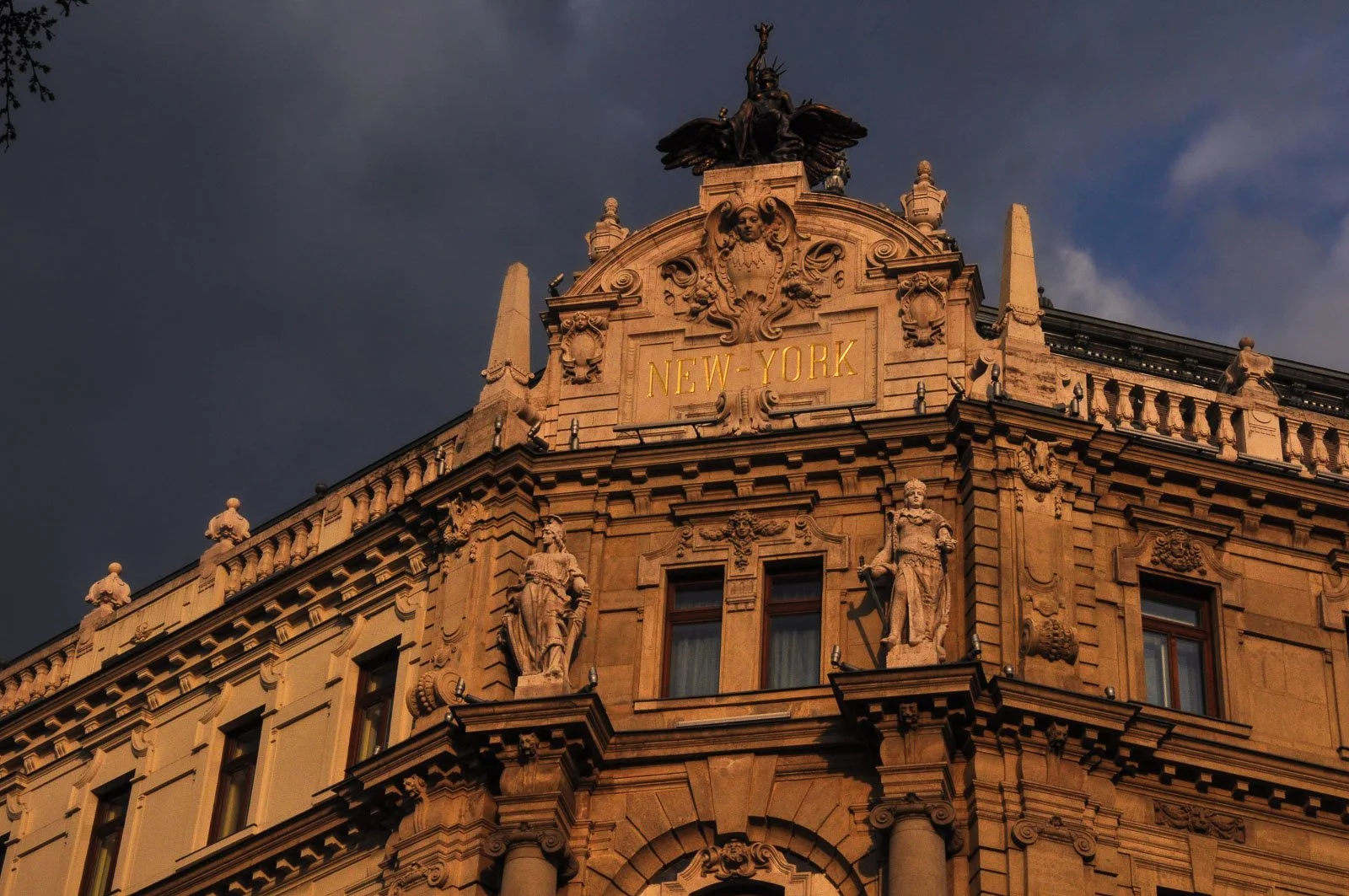
New York Cafe in Budapest
This remarkable building, commissioned in 1894 by the New York Insurance Company, the New York Palace, was designed by Alajos Hauszmann, Flóris Korb, and Kálmán Giergl
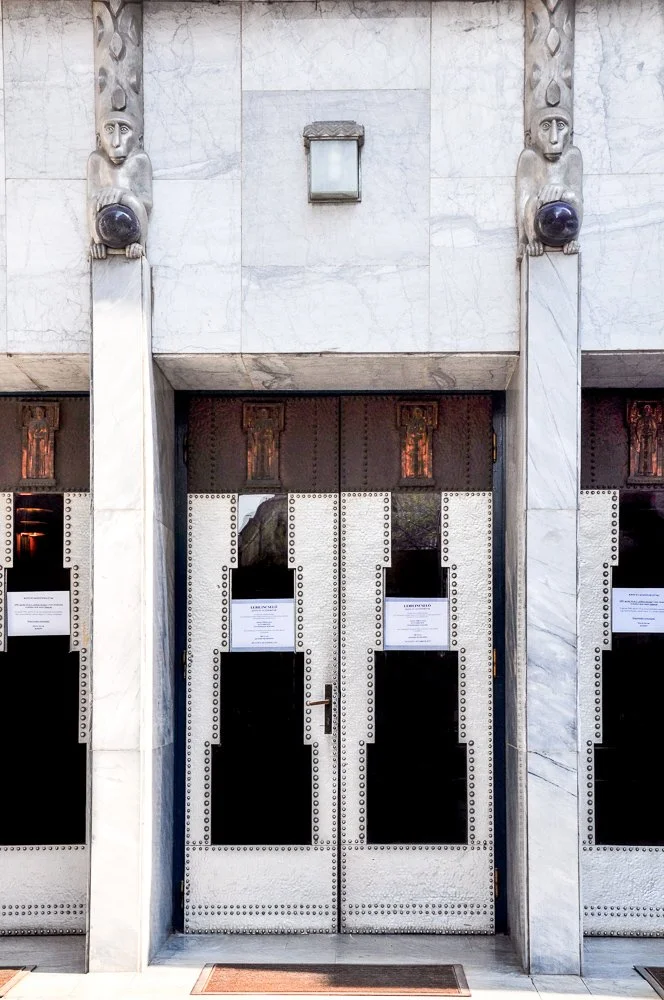
Új Színház – The New Theatre
Új Színház – New Theatre: The New Theatre - Új Színház - is situated across the street from the opera house. Walk to the end of the narrow Dalszinhaz Utca and
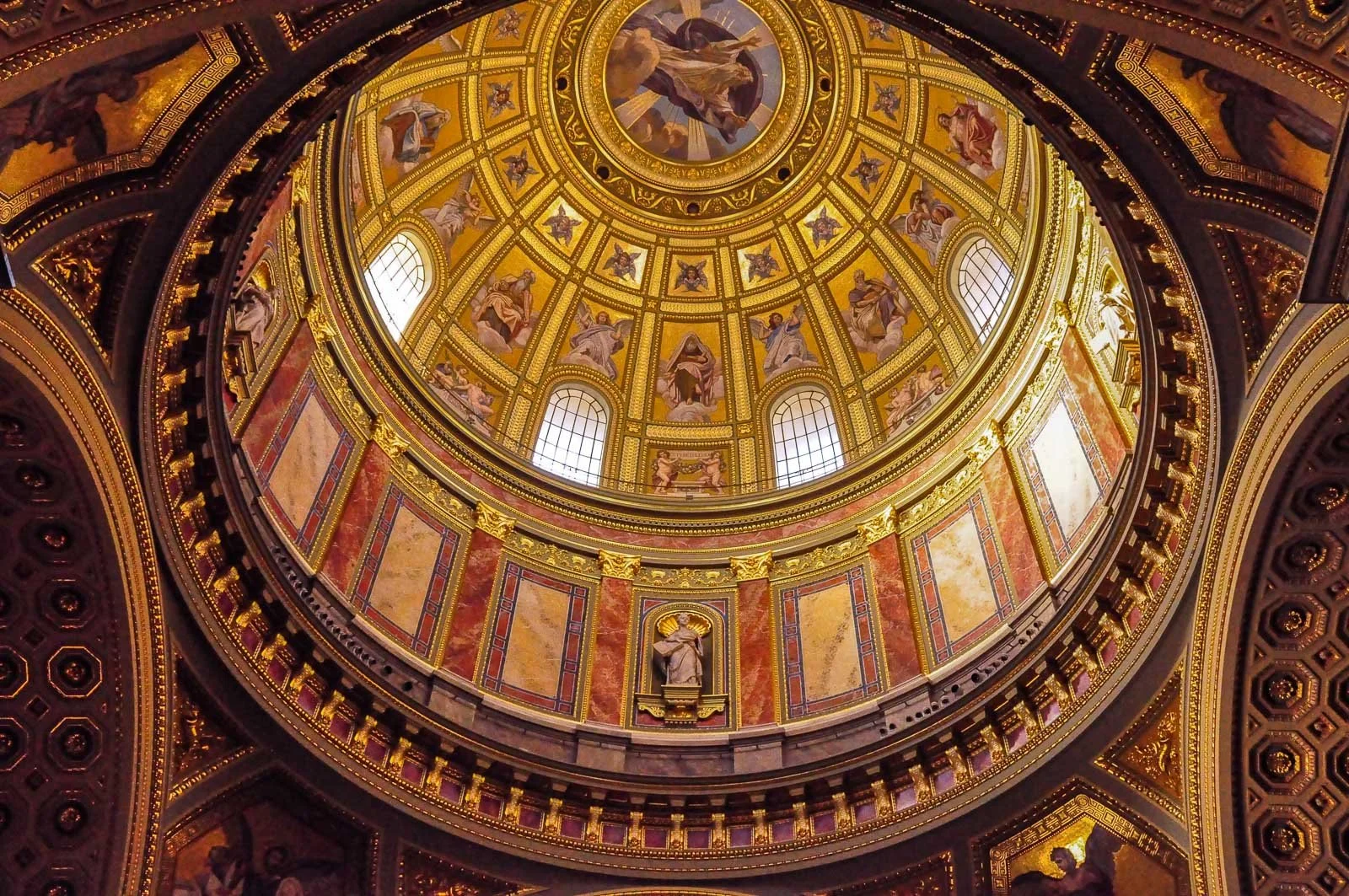
Szent István Bazilika – St. Stephen's Basilica
Completed in 1905 after more than half a century of construction, the Szent István Bazilika stands as one of Budapest’s most commanding landmarks
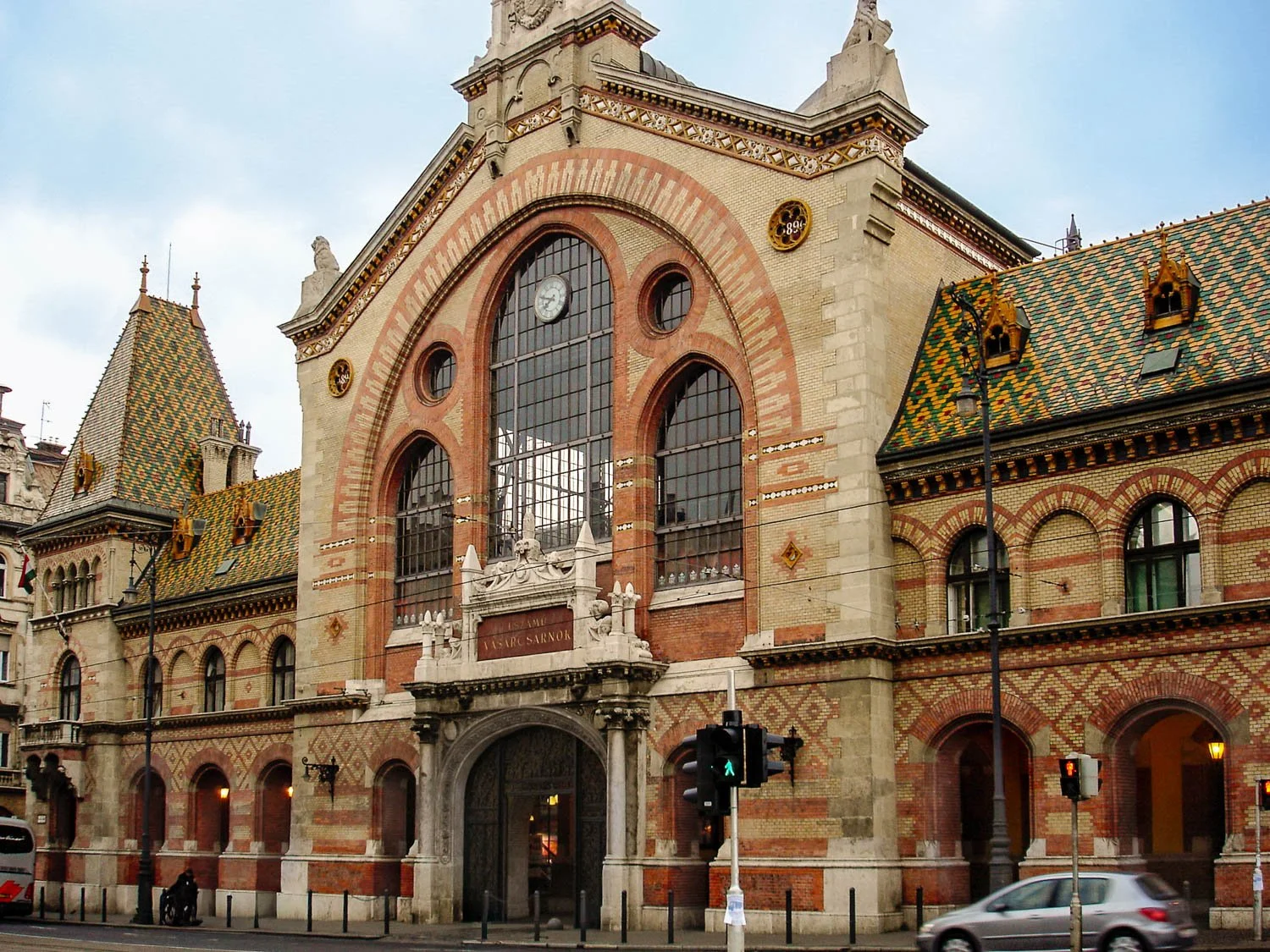
Budapest Grand Market Hall
Inside, you'll find a vibrant explosion of colours and abundance, with stalls displaying long strings of deep red paprika hanging beside garlic braids, smoked
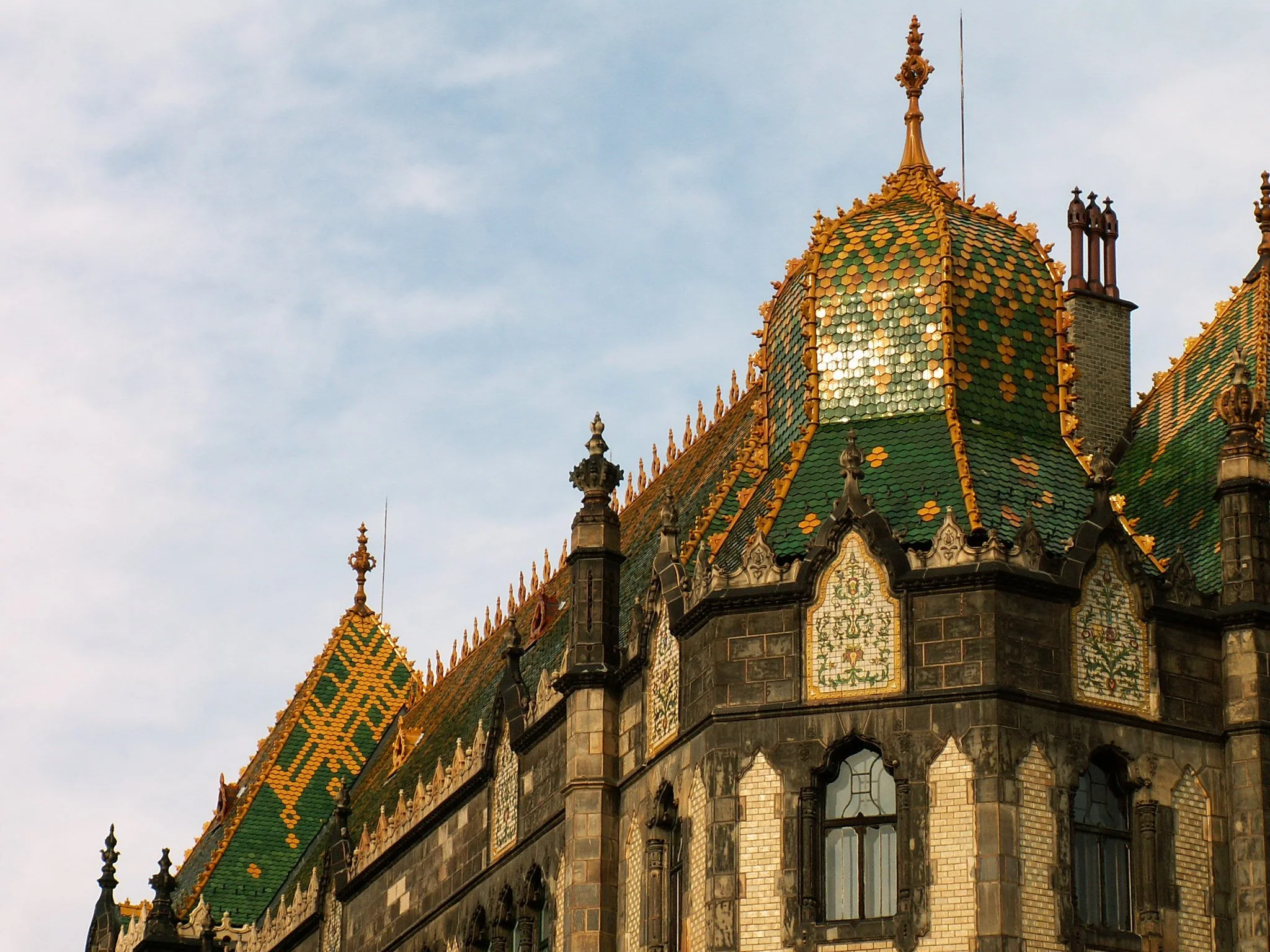
Iparművészeti Múzeum – Museum of Applied Arts
The Iparművészeti Múzeum traces its origins to a moment of cultural ambition. In 1872, the Hungarian Parliament decided to acquire works exhibited at the Vienna
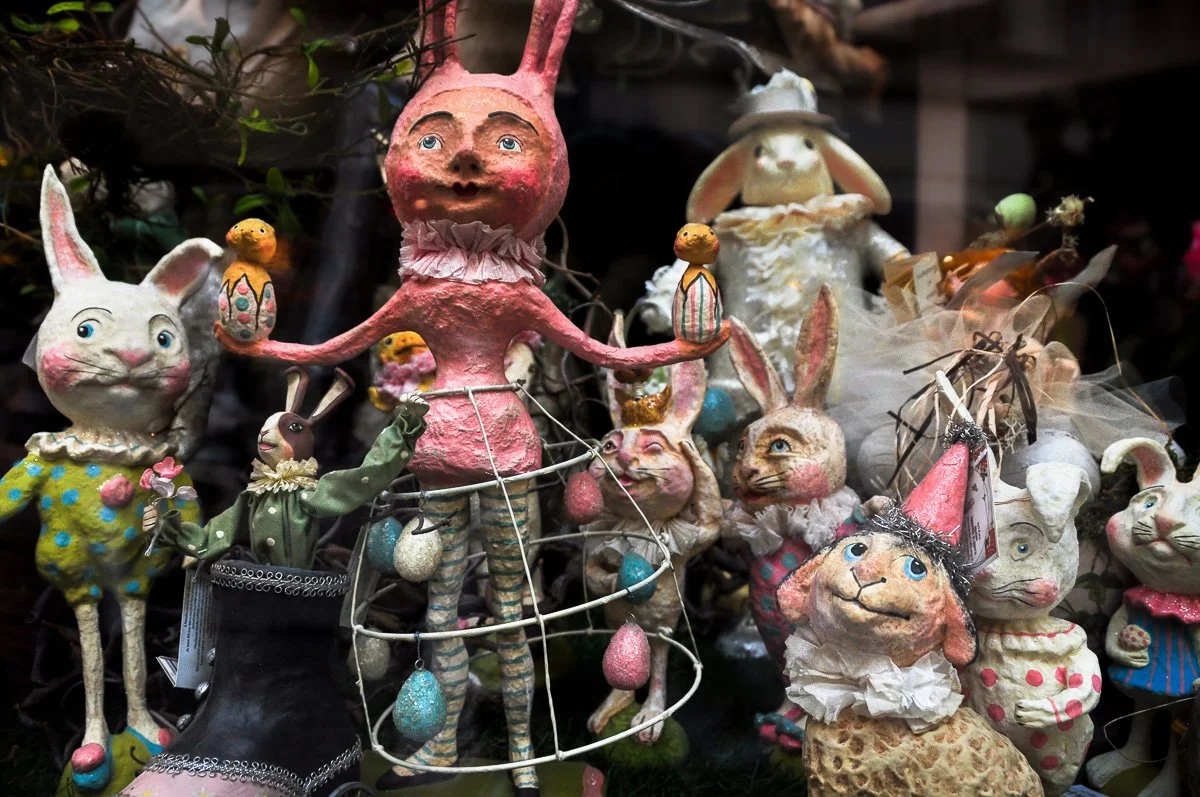
Philanthia, the Love of Flowers
Dating from 1905, Philanthia derives its name from the love of flowers and quietly lives up to it, beautifully. This is not just a florist but a small touch of enchantment hidden
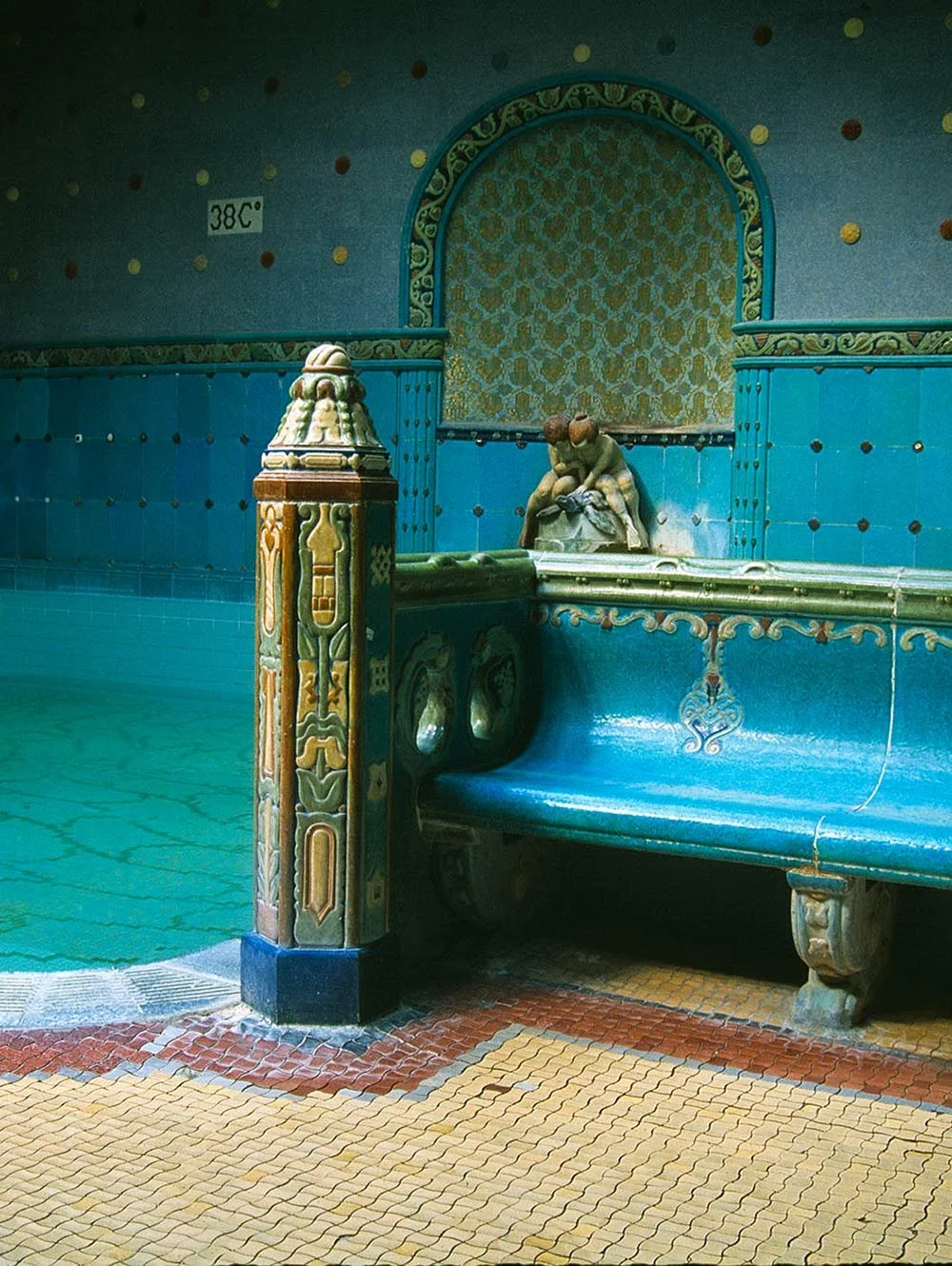
Gellert The Grande Dame of Budapest Baths
Among Budapest’s thermal baths, the Gellért Baths hold a unique place in the imagination. This is the bath you recognise before you arrive. Designed by architects Artúr
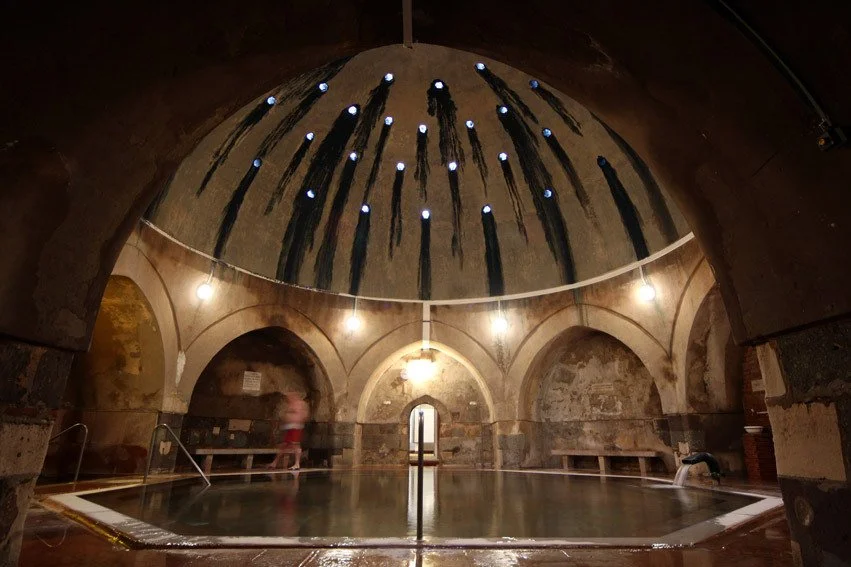
Király Ottoman Baths a Quiet Immersion
Step through the doors of the Király Baths, and the present time is no longer. Built in 1563 by the Pasha of Buda during the Ottoman occupation of Hungary, this compact