
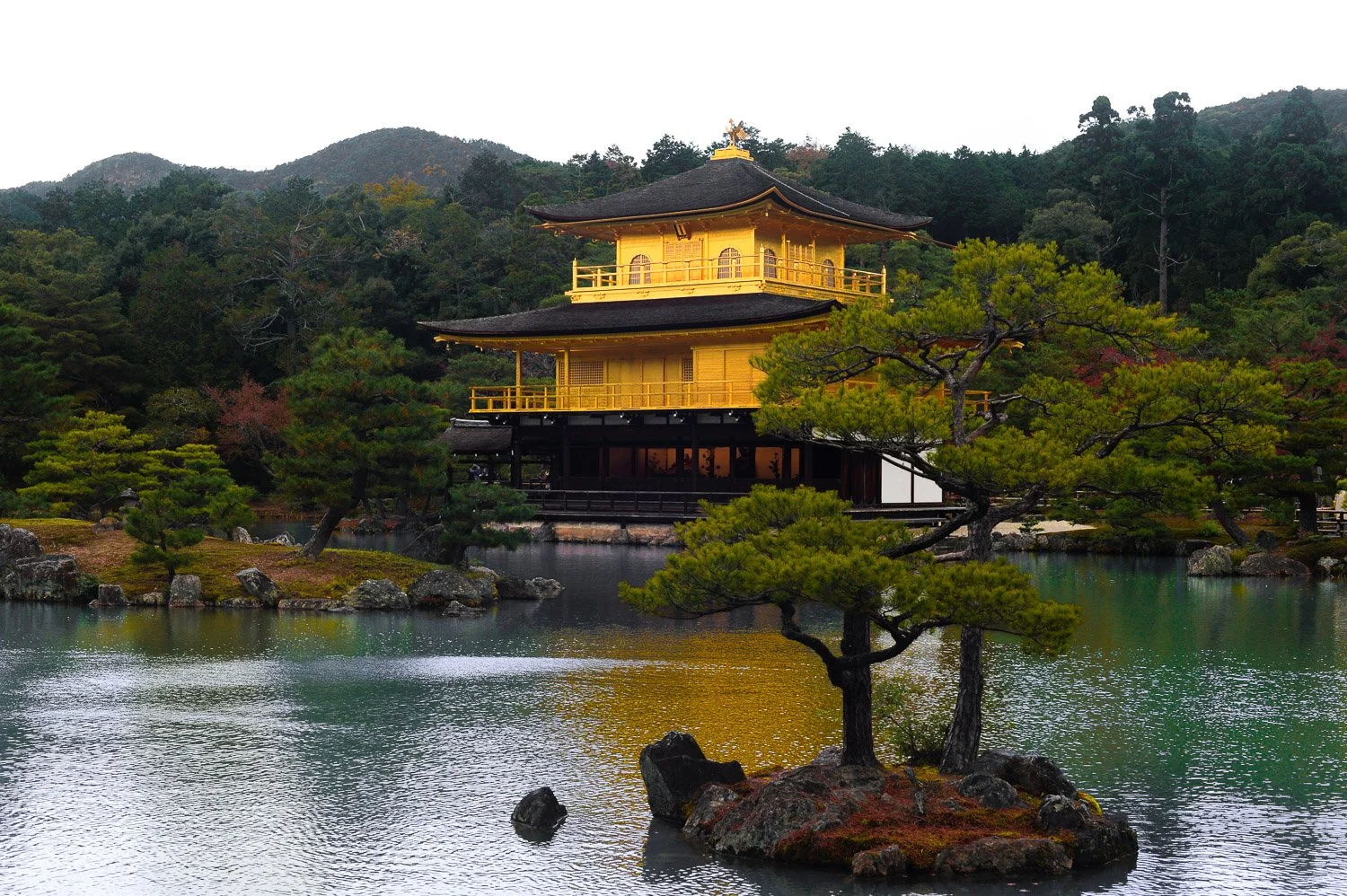
Kinkaku-ji, the Golden Pavilion in Kyoto
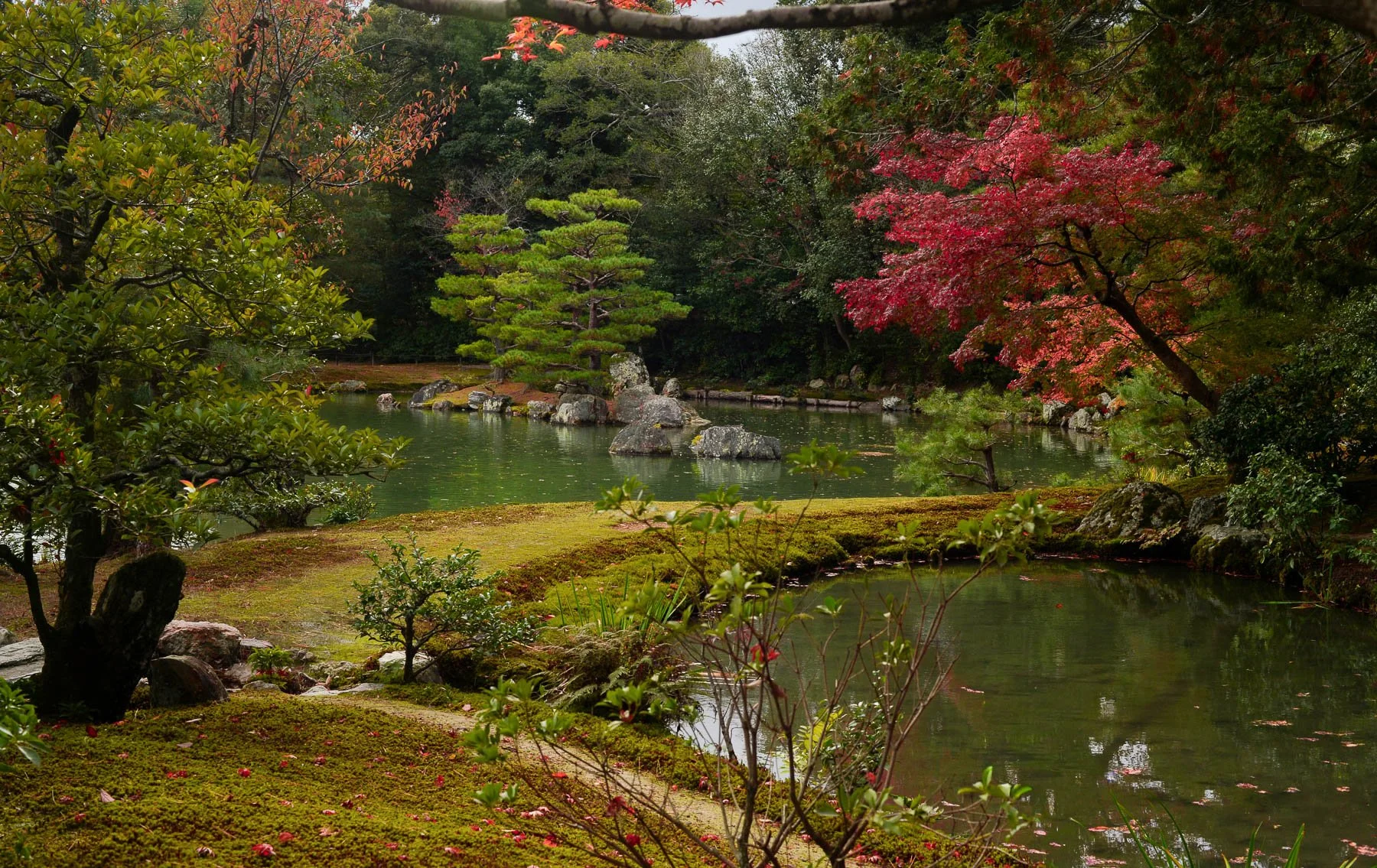
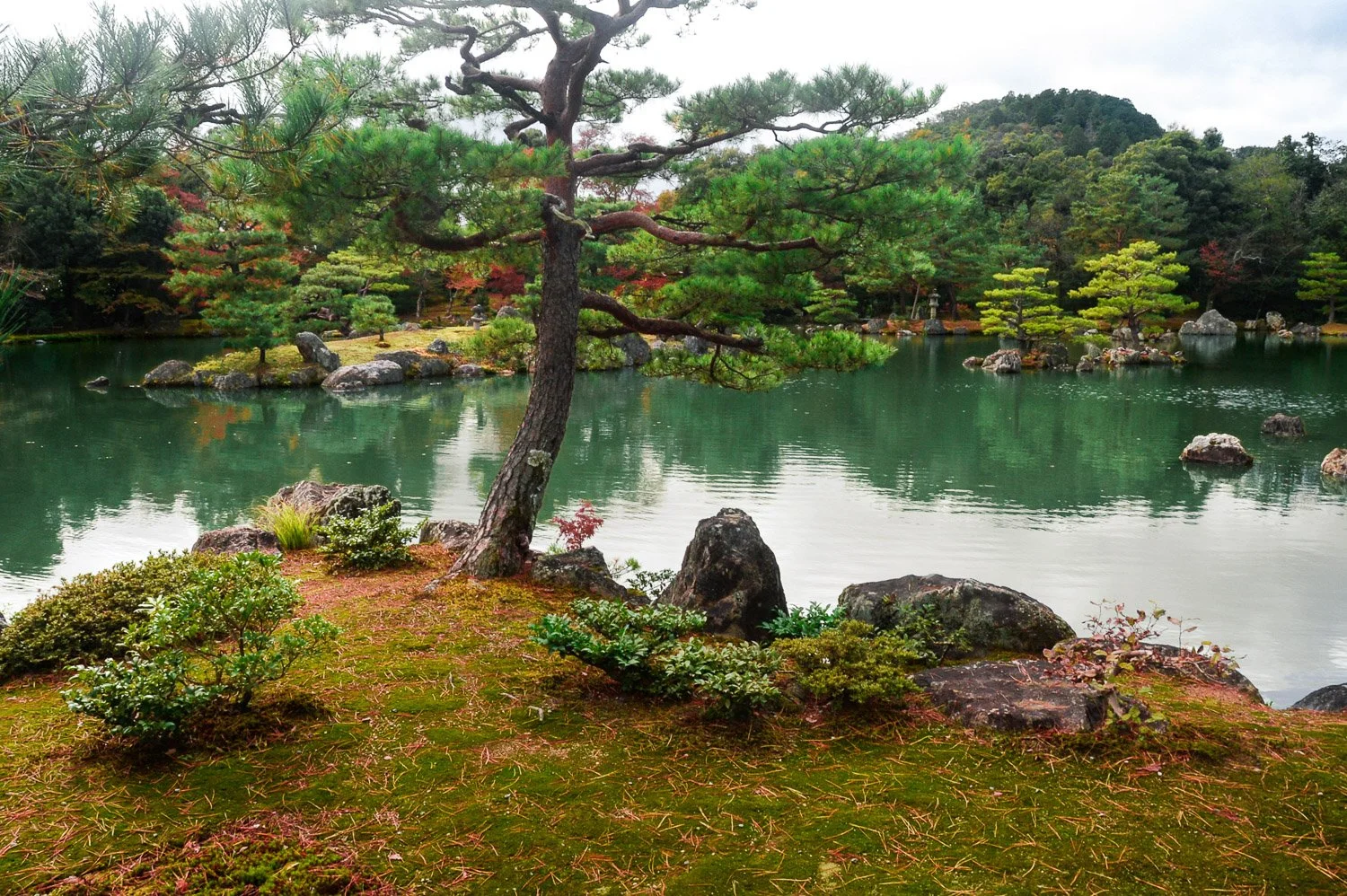
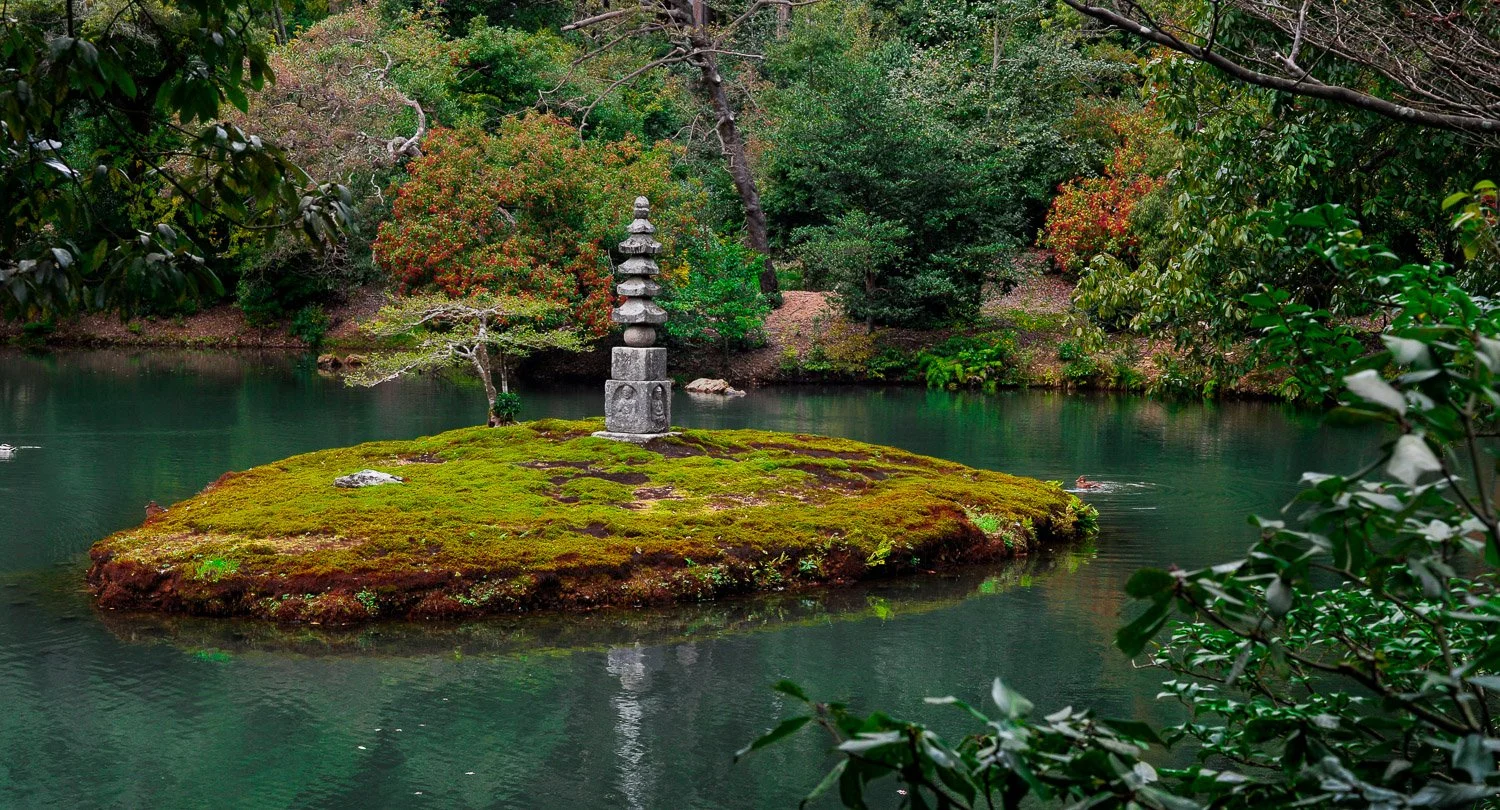
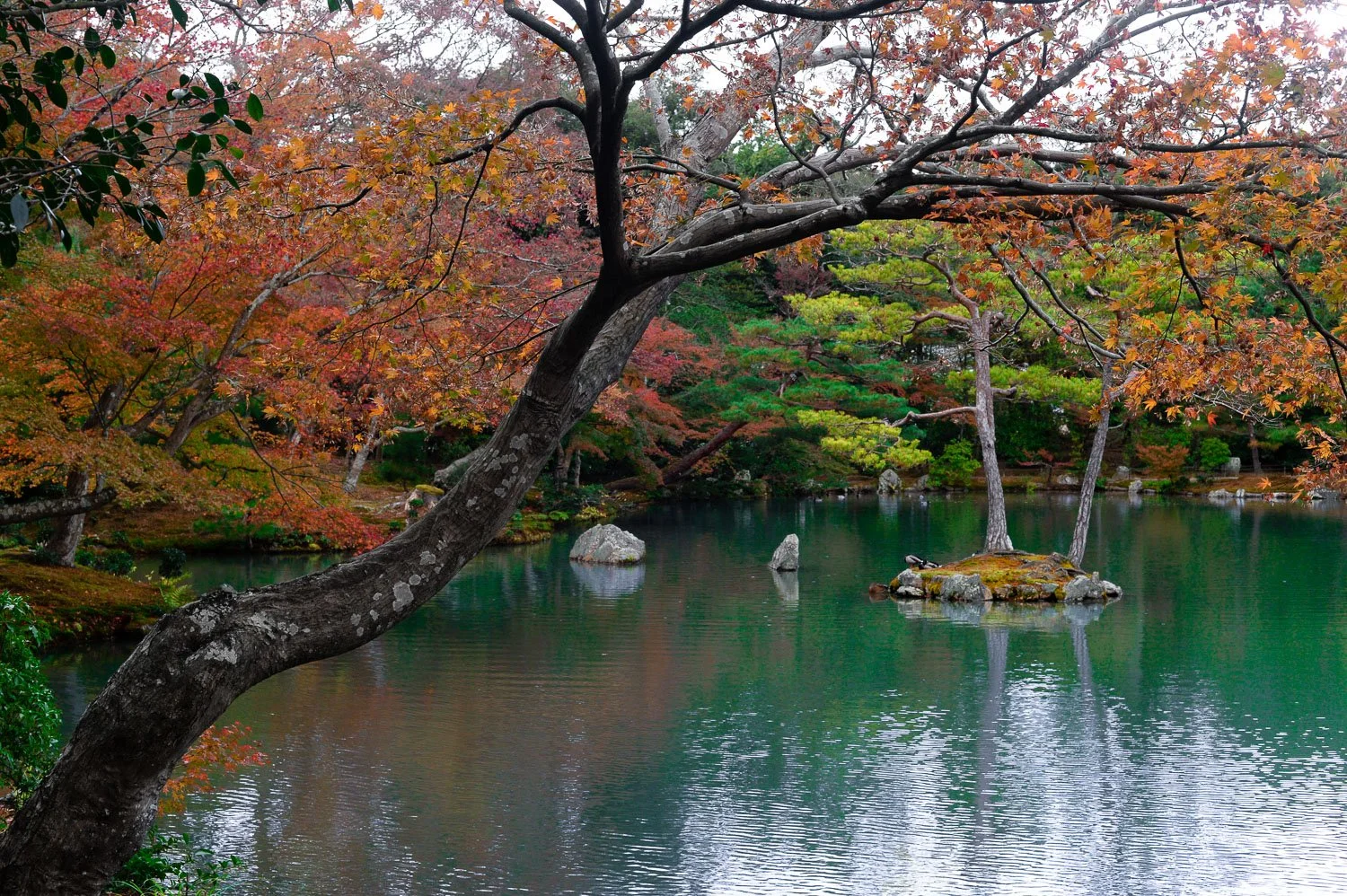
Kyōko-chi Pond
Travelling is both an escape and a search to see what there is to see; to live in another's world. And sometimes, when we are lucky, we can understand precisely what the human being is capable of. The Golden Temple in Kyoto shows us human potential.
Kinkaku-ji is one of the transcendental places on the planet, where the bar for your understanding of human capability rises. Everything else that has come before is simply ... inferior. Imagine what the world would be like if we all had the will of the Japanese?
The Kinkaku-ji (金閣寺, Golden Pavilion in Kyoto, Japan) is, at its simplest, a Zen temple of the Rinzai sect. Not so simple is the idea that it is completely covered in gold leaf and perched in the middle of a large pond.
History
Built in 1397, the Rokuon-ji (Deer Garden Temple) originally served as a retirement pavilion for the shōgun Ashikaga Yoshimitsu. Following Yoshimitsu's death in 1408, the site was converted into a Zen temple, leading to its renaming as Kinkaku-ji.
During the Onin War (1467-77), the other buildings and gardens were destroyed by fire, but the pavilion was spared. The Golden Pavilion gloriously glowed 1408 to 1950, although it underwent restorations during this period. In 1950, Hayashi Yoken, a mentally ill monk, burned it down. Kinkaku-ji was rebuilt in 1955 to such a high standard that the entire site was designated a UNESCO World Heritage site in 1994.
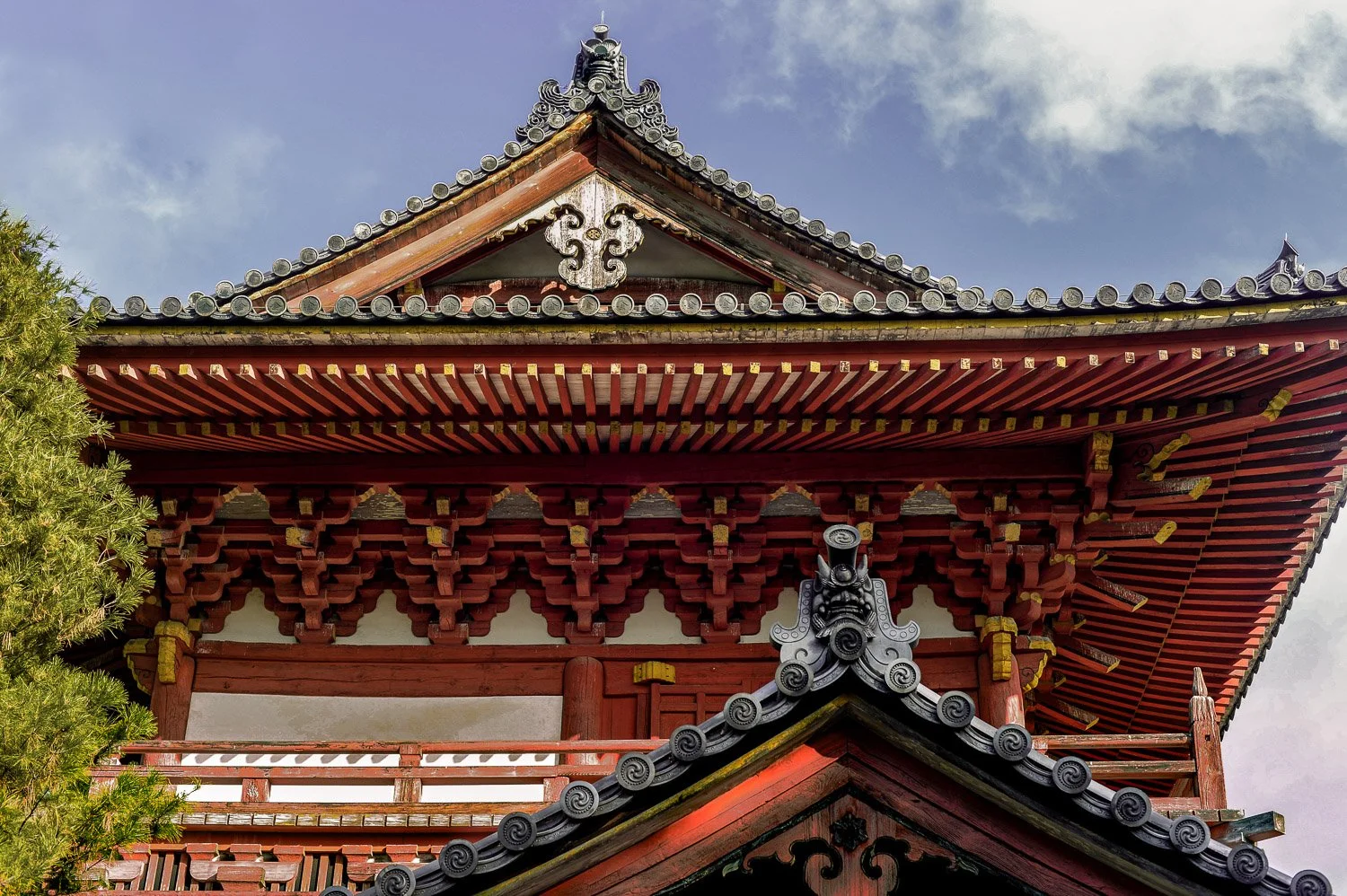
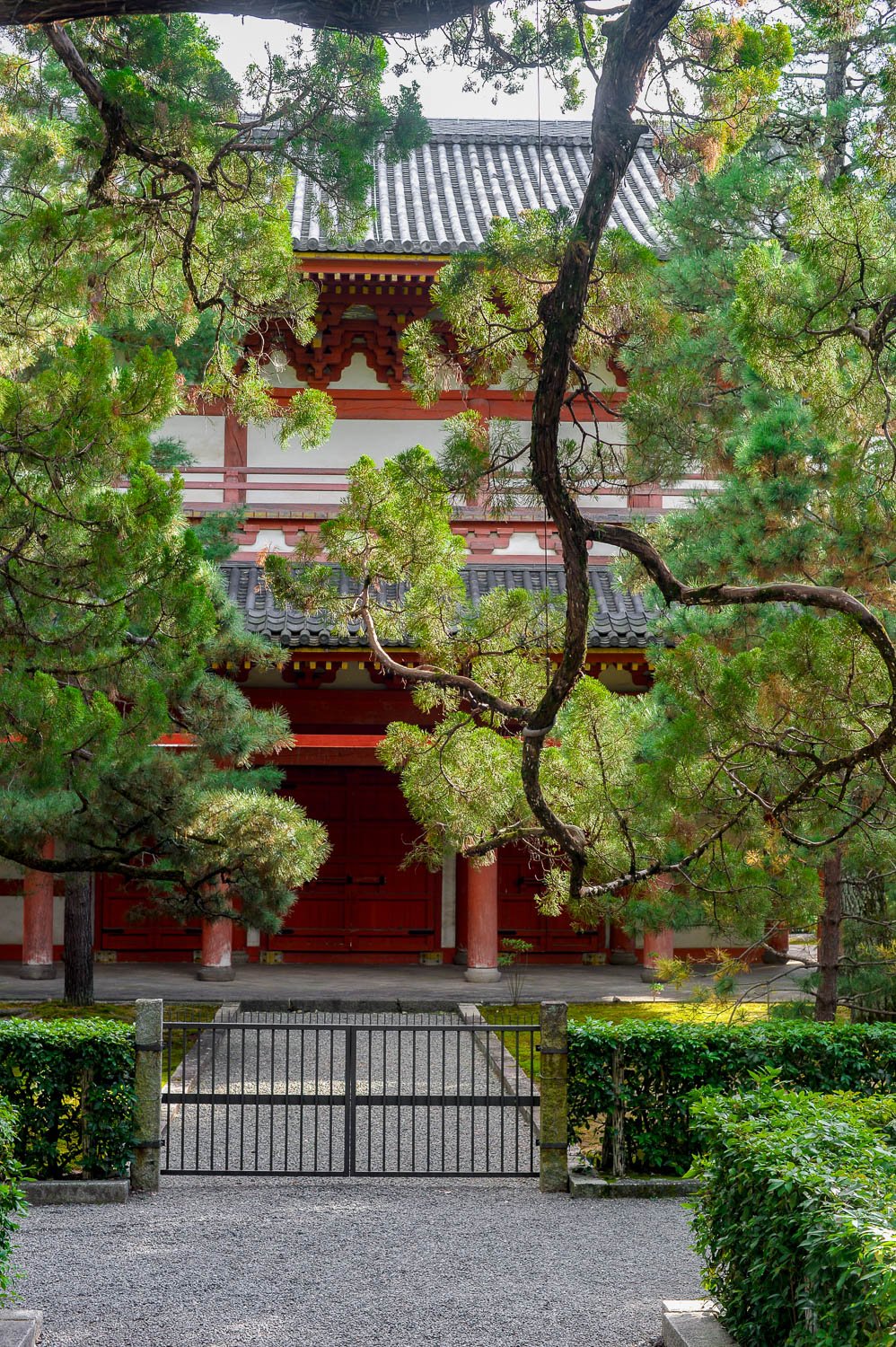
Although the Golden Pavilion is the most prominent feature, there is more to explore! If you continue wandering, you will come across the Hojo—the former living quarters of the head priest, which are not usually open to the public. Be sure to look out for the Fusuma—beautifully painted sliding doors viewed from a distance.
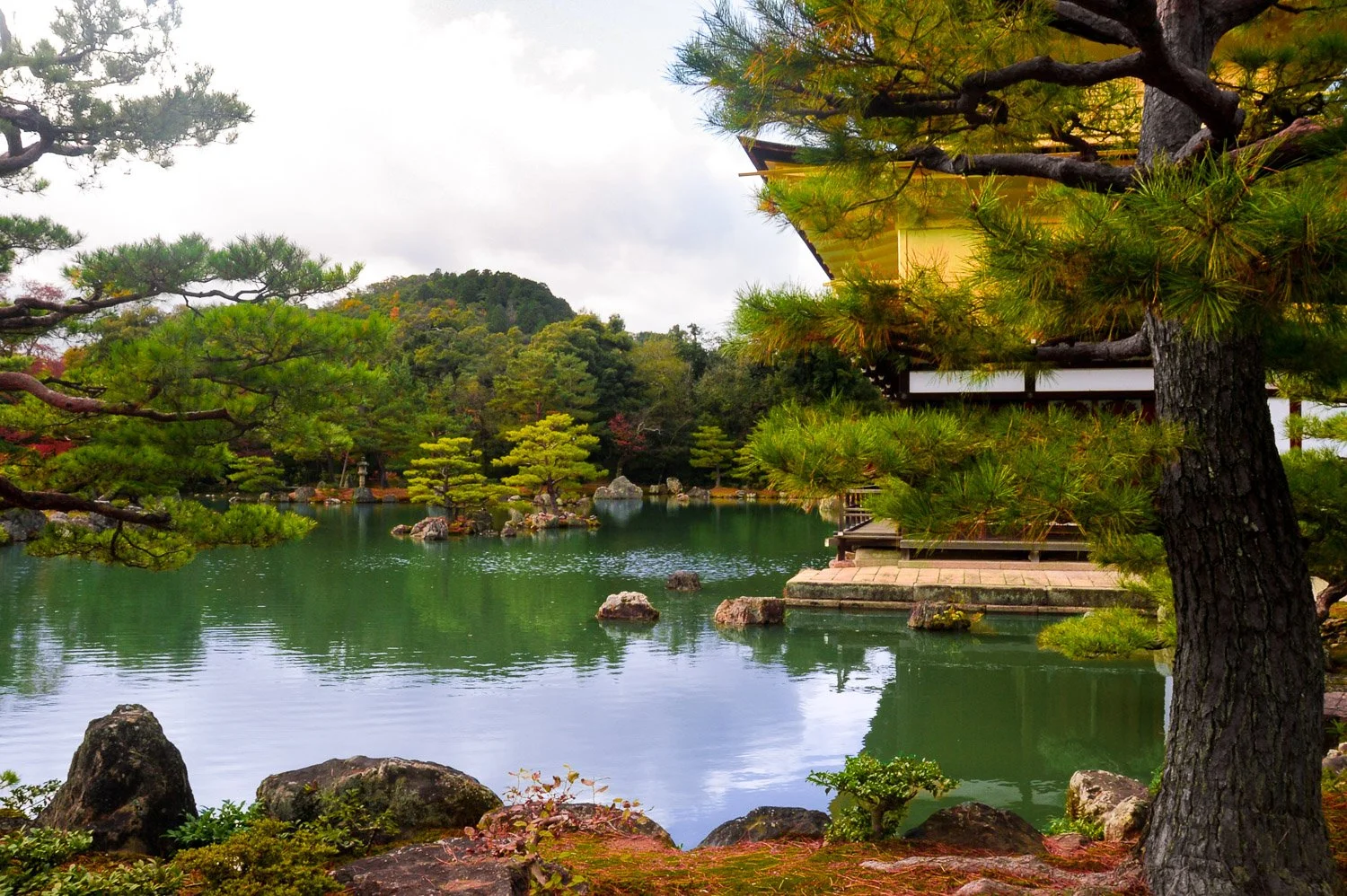
The gardens retain much of their original Muromachi-period (1397) design. Temple Garden
Other structures include:
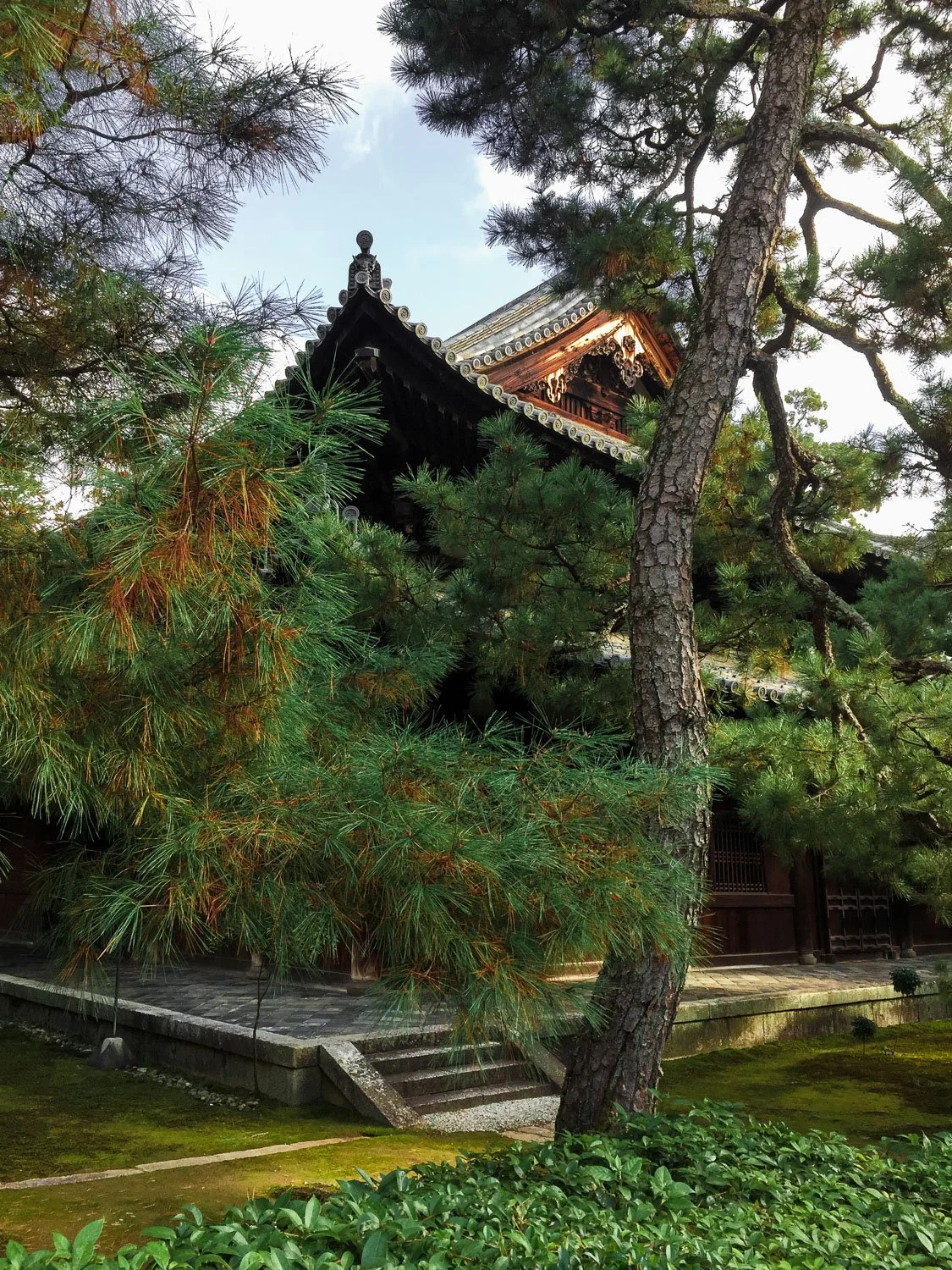
The Sekkatei Teahouse, an Edo-period addition, is situated in an ideal position to view the setting sun glinting off the gold leaf of the Golden Temple in Kyoto.
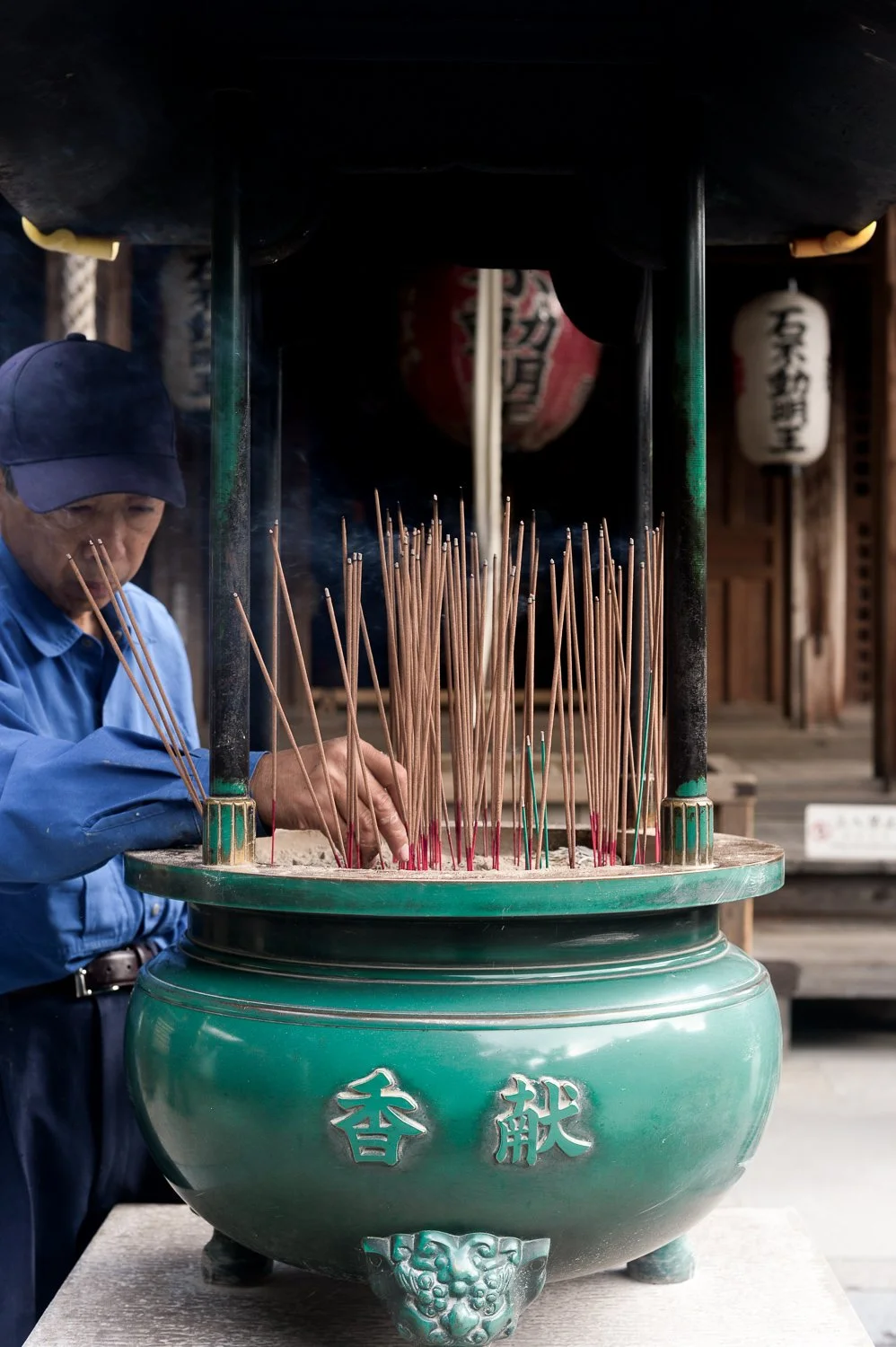
Fudō Hall, a small temple hall which houses a statue of Fudō Myōō, one of the Five Wisdom Kings and protector of Buddhism
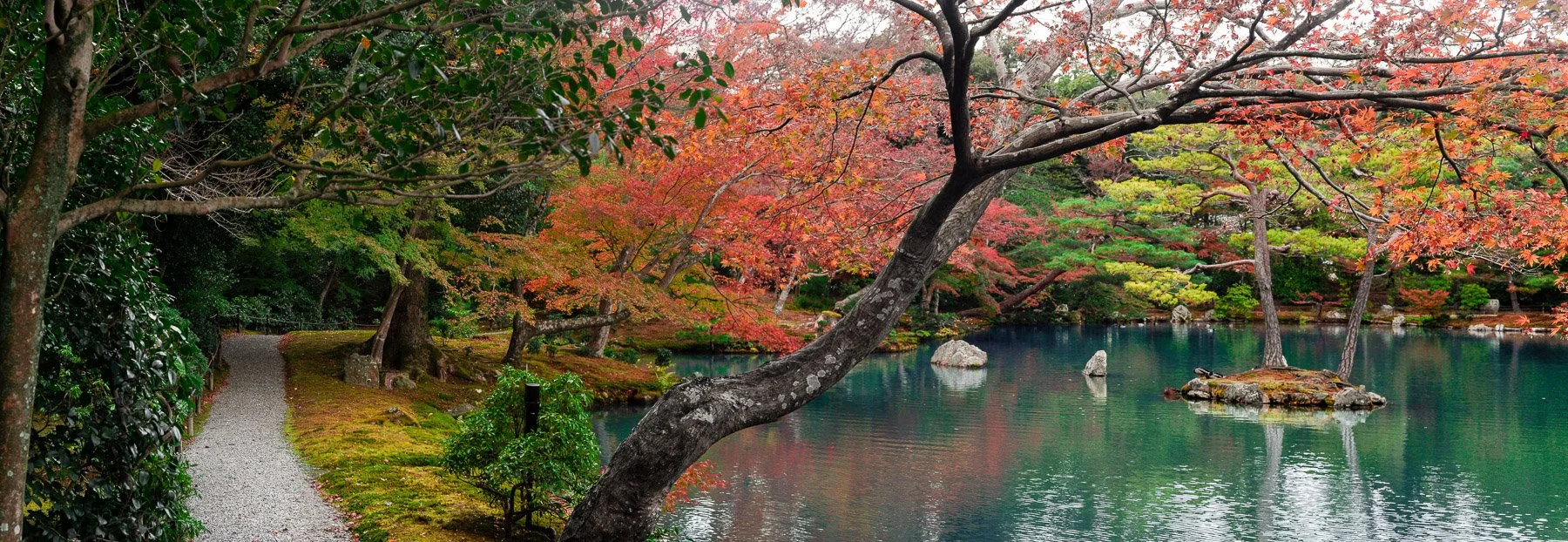
Kinkaku-Ji – Kyoko-chi pond
The Shōgun built the grounds at Kinkaku-ji to illustrate the harmony between heaven and earth. Basing his ideas on the descriptions of the Western Paradise of the Buddha Amida.
The garden style is known as kaiyū-shiki-teien, which translates to a landscape or promenade garden. Designed for a wander in a choreographed clockwise manner, leading to the informal nomenclature of go-round style. Two main techniques are employed.
Shakkei, or borrowed scenery, utilises open views to the surrounding area to make the garden seem more expansive and grand. Miegakure, or hide-and-reveal. This style cunningly conceals and then reveals features for optimum viewing. Utilising winding paths, bamboo, or the buildings themselves.
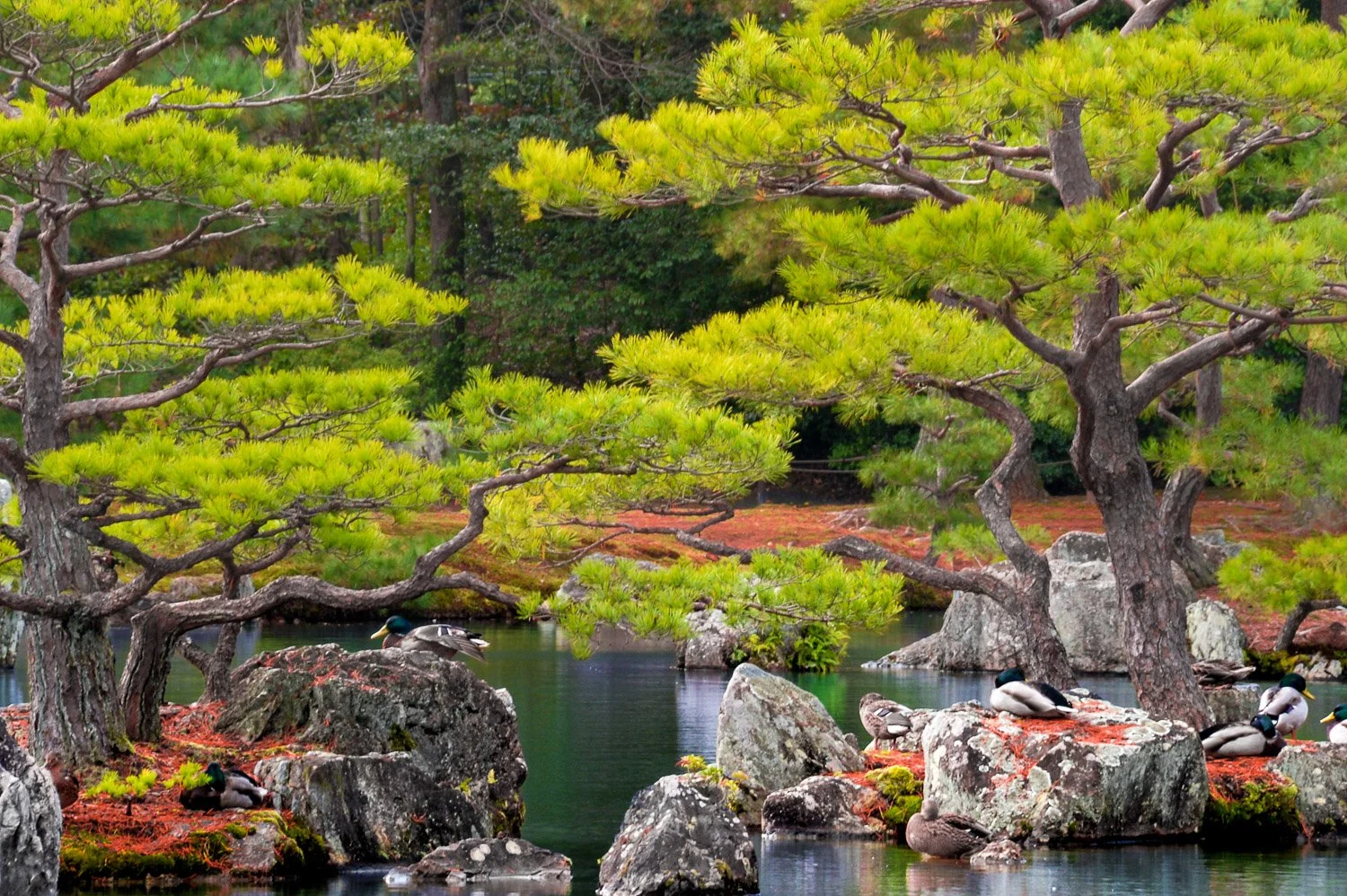
The pond contains 10 islands, the largest of which represents Japan itself.
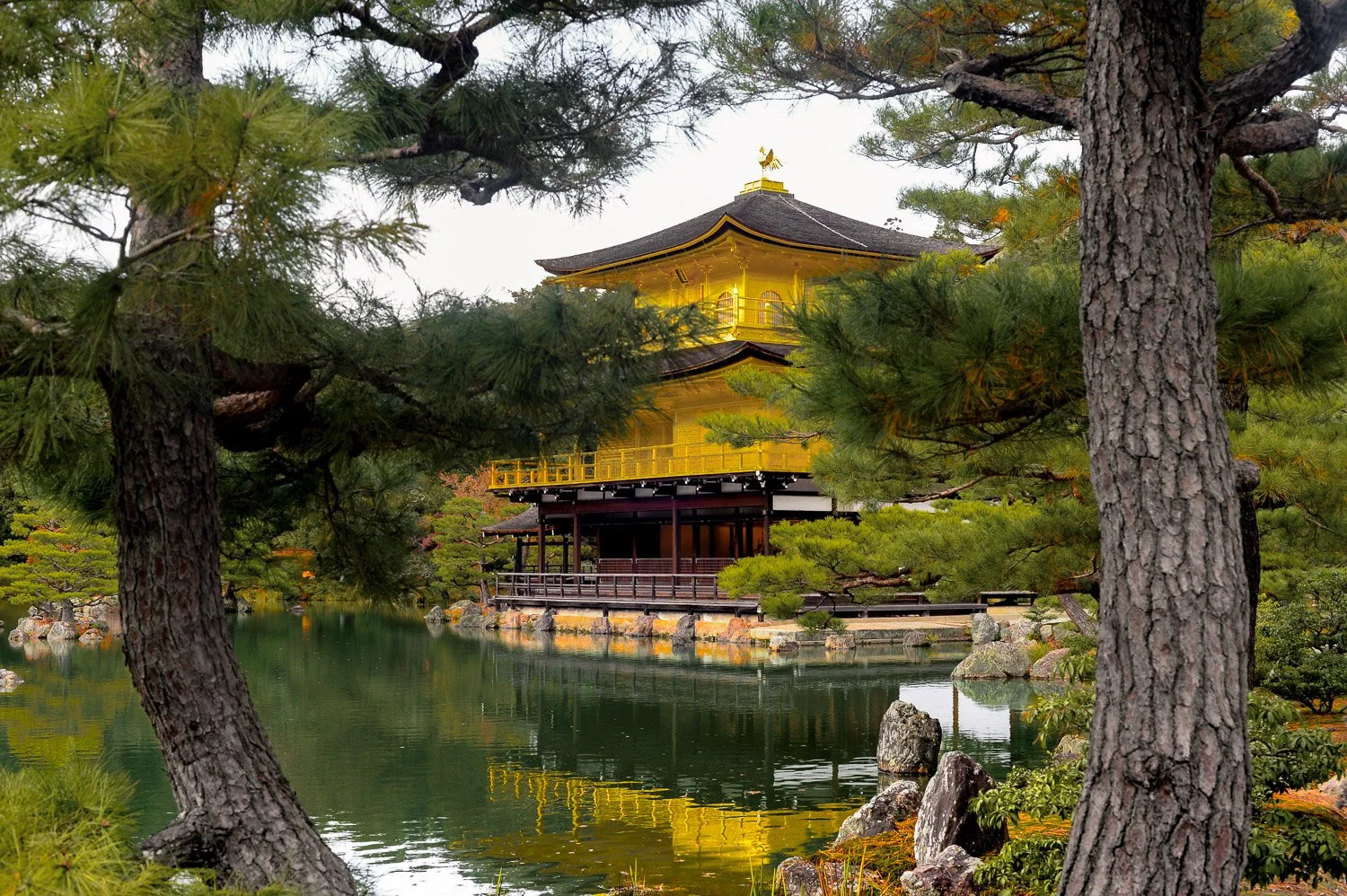
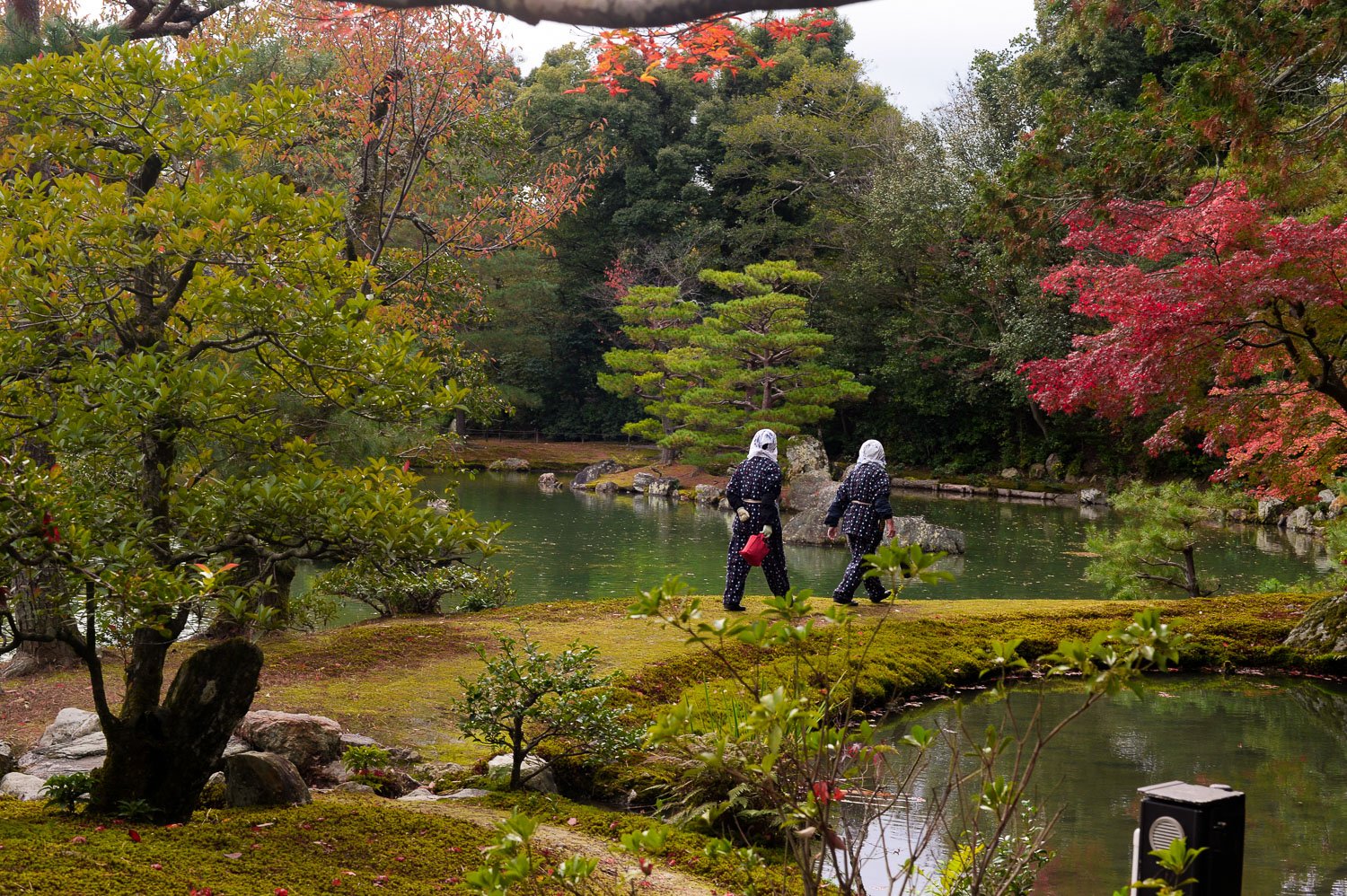
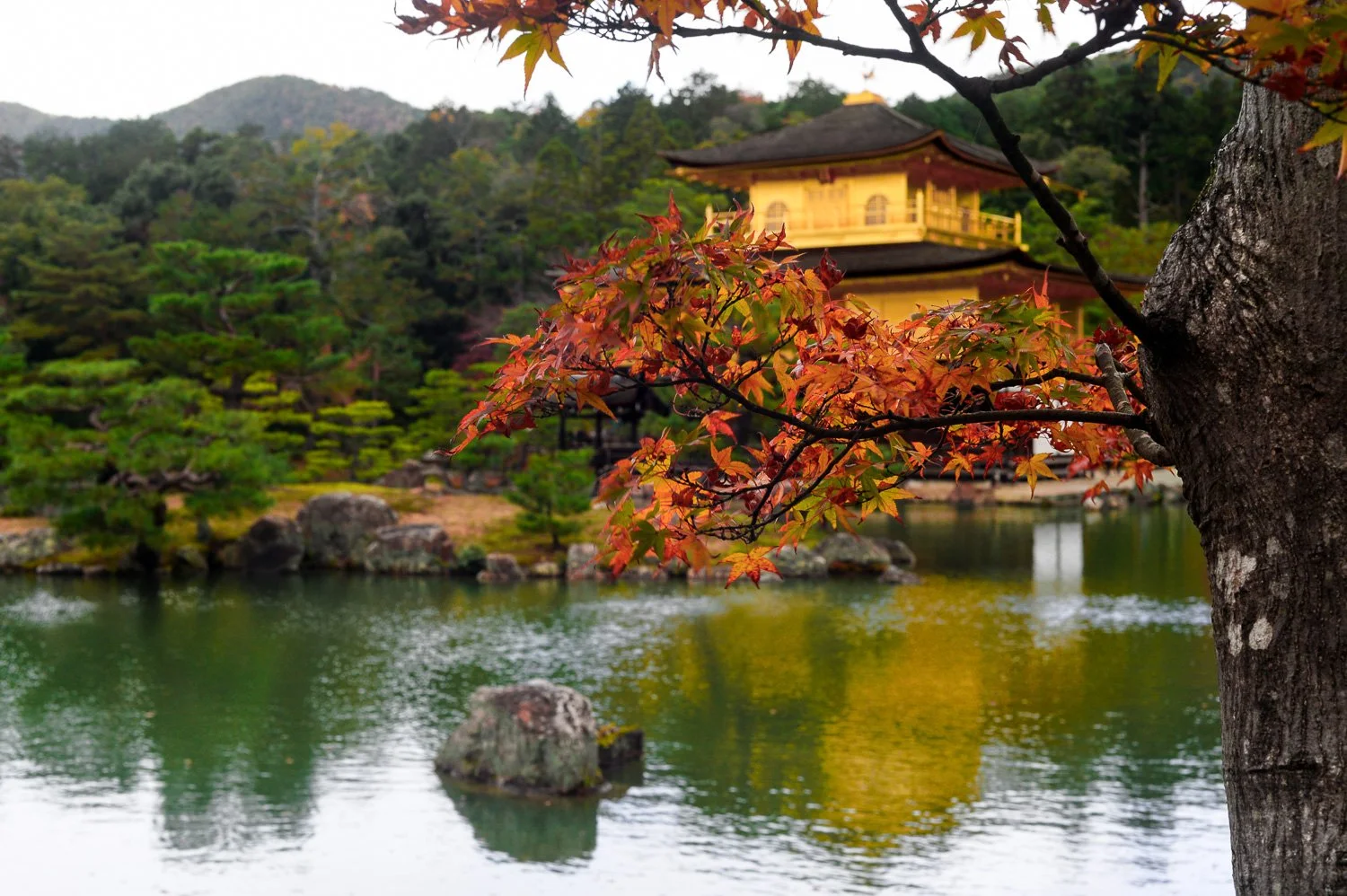
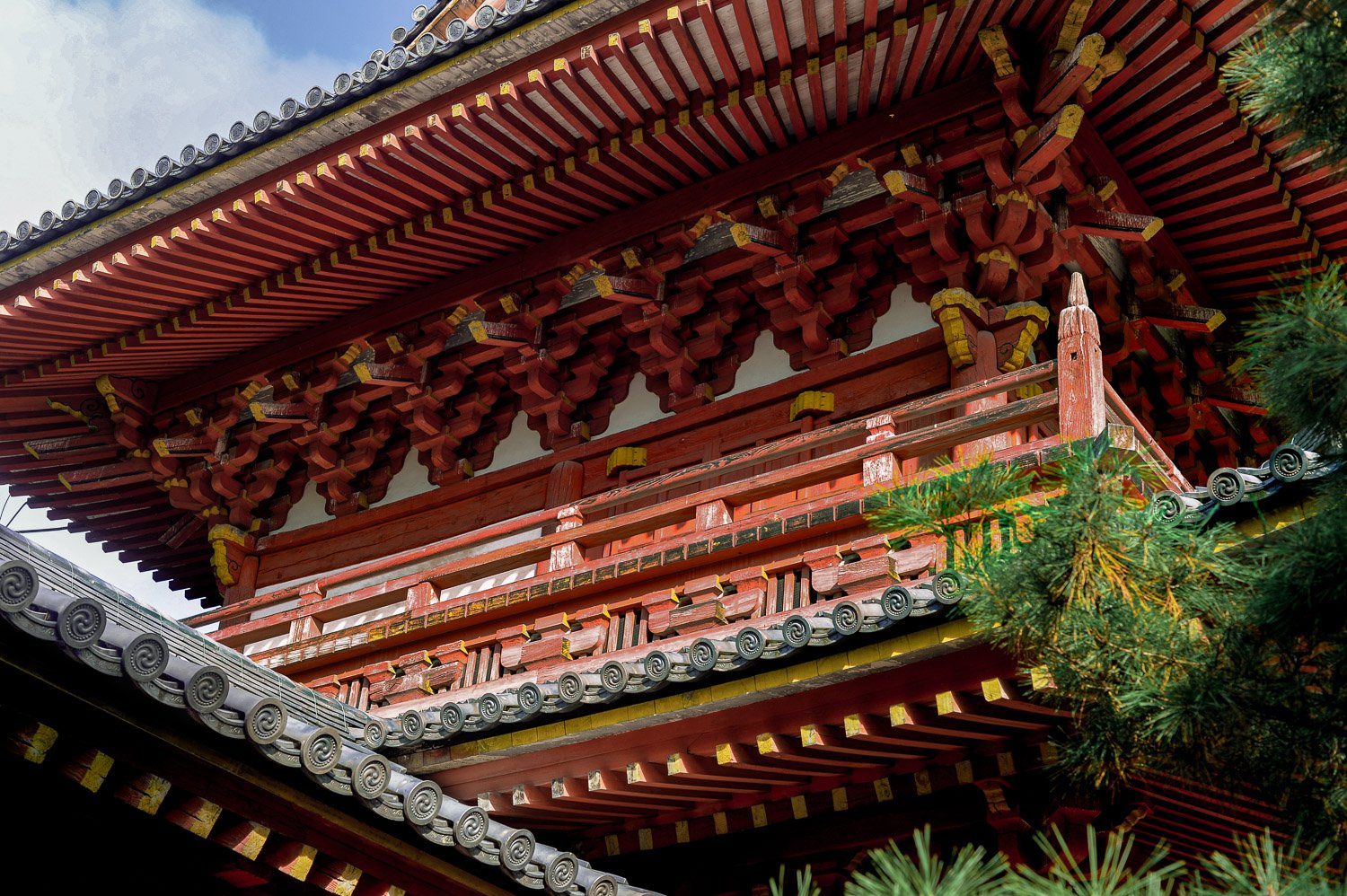
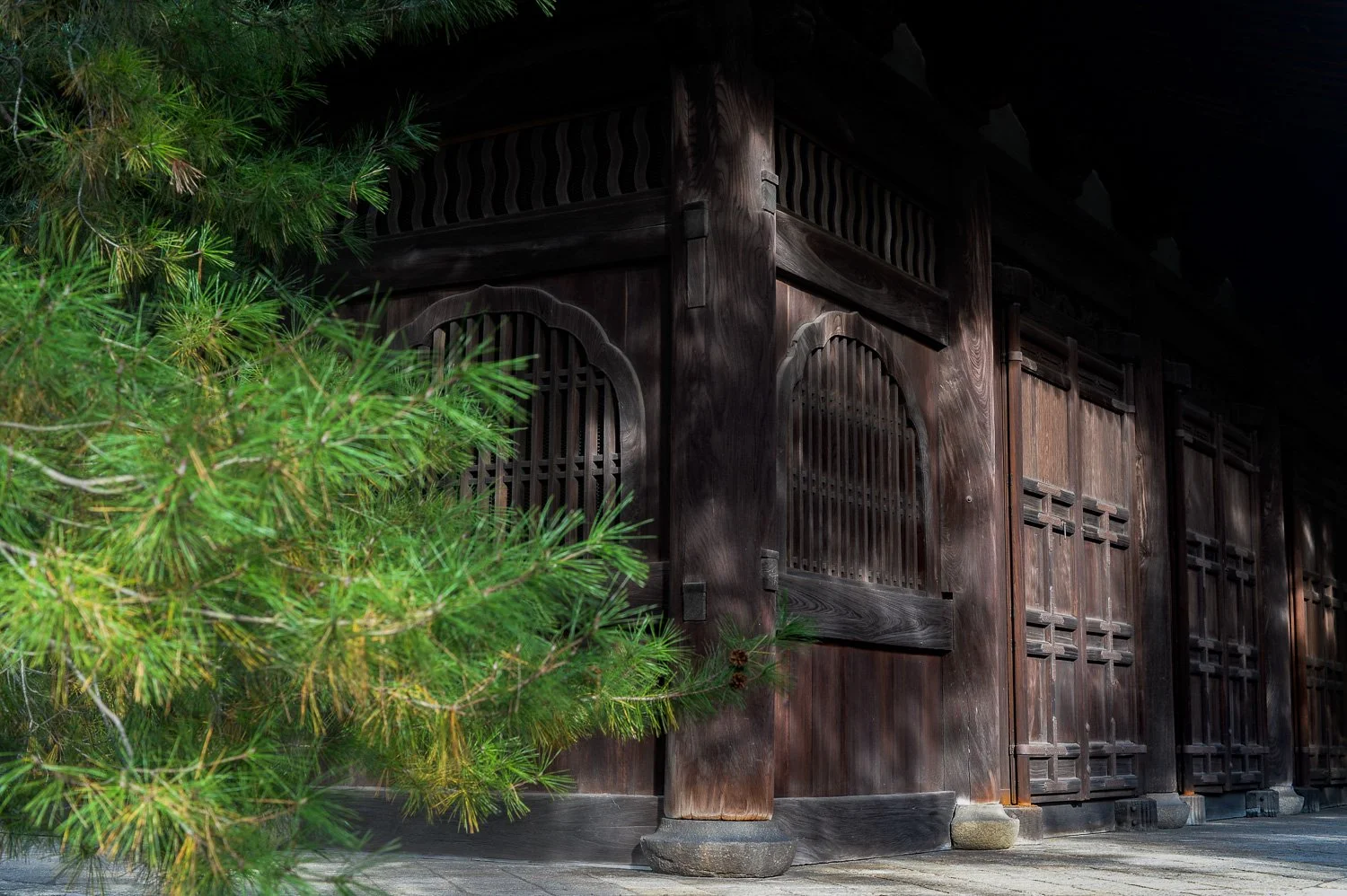
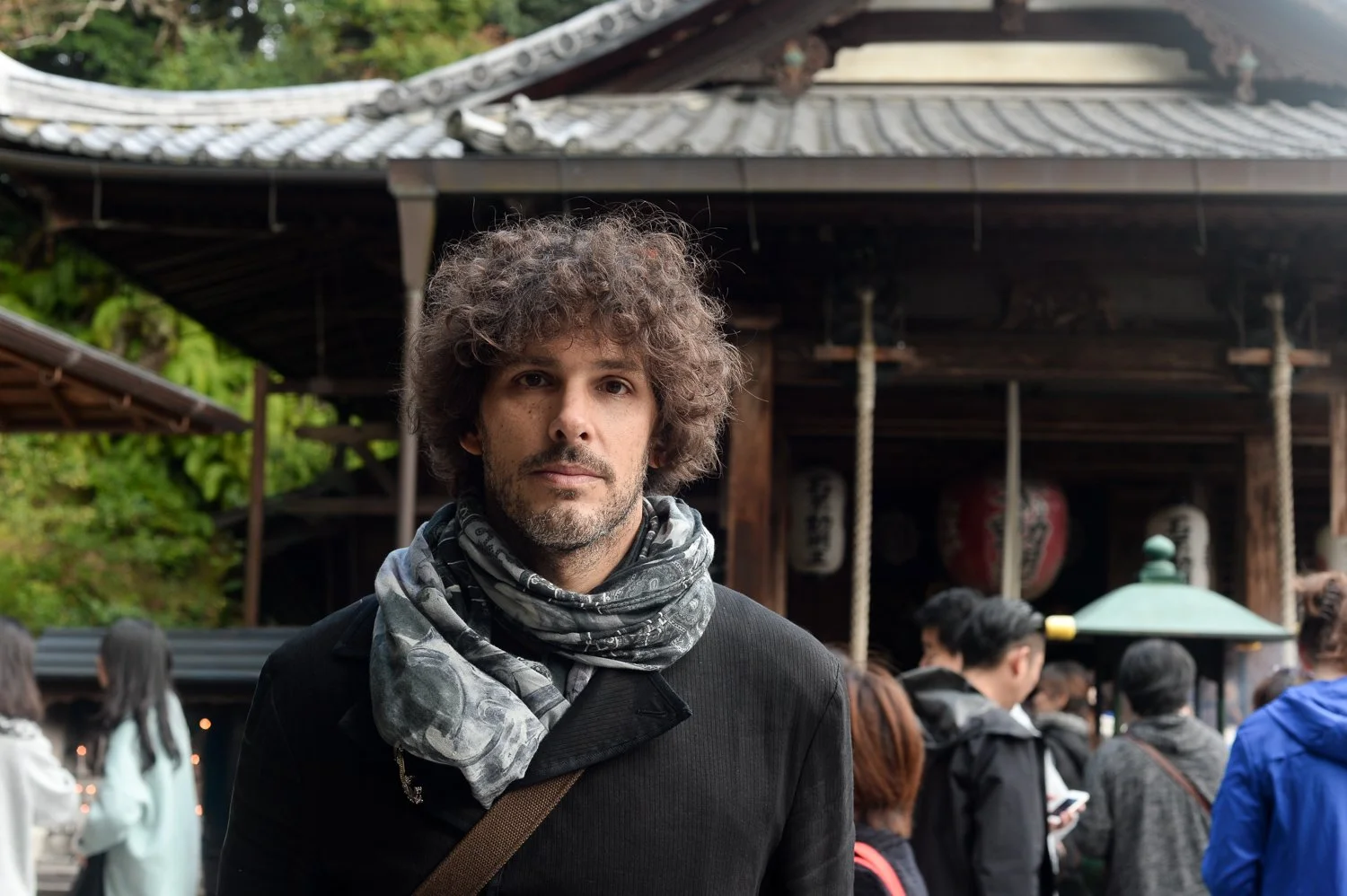
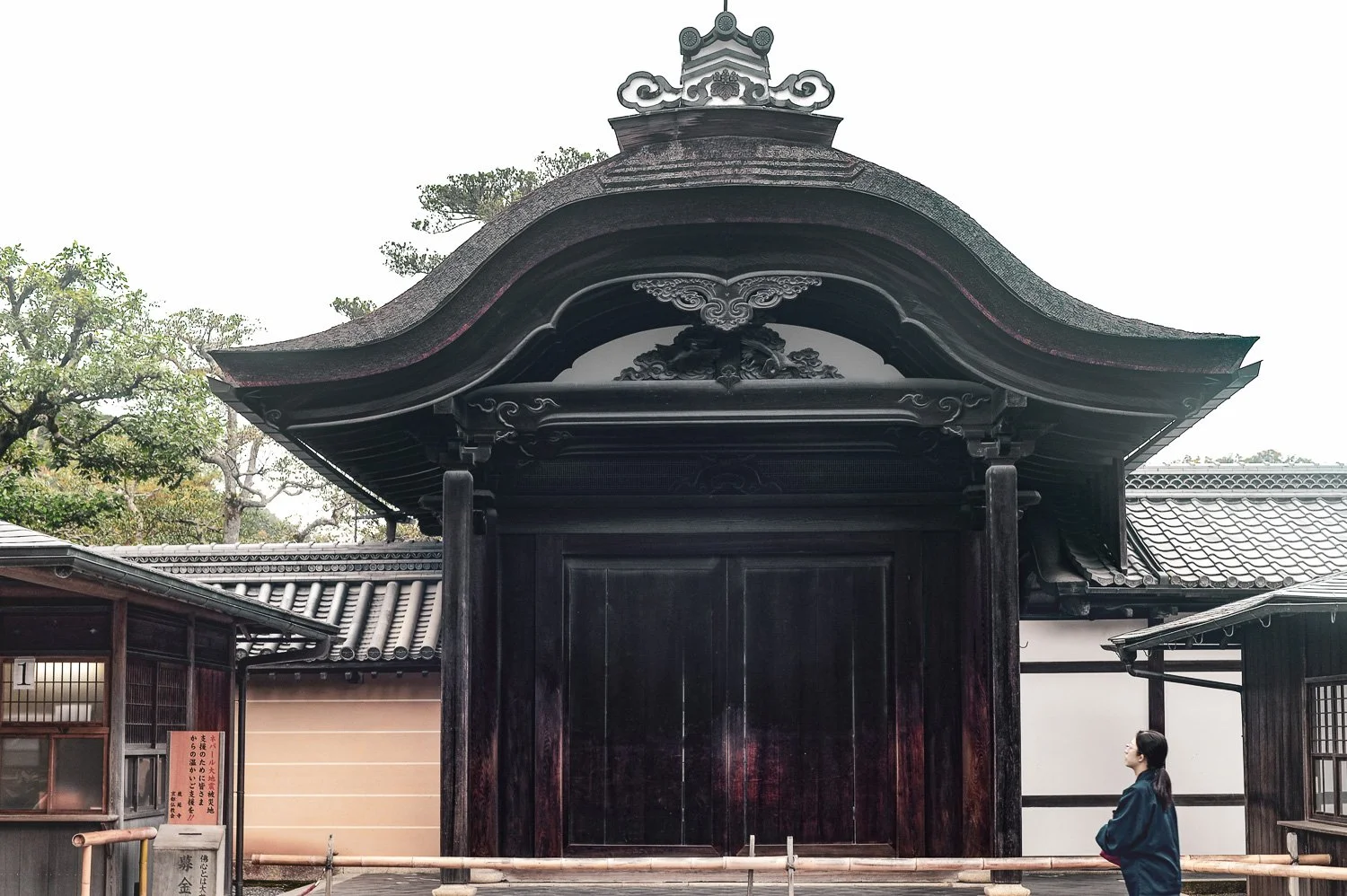
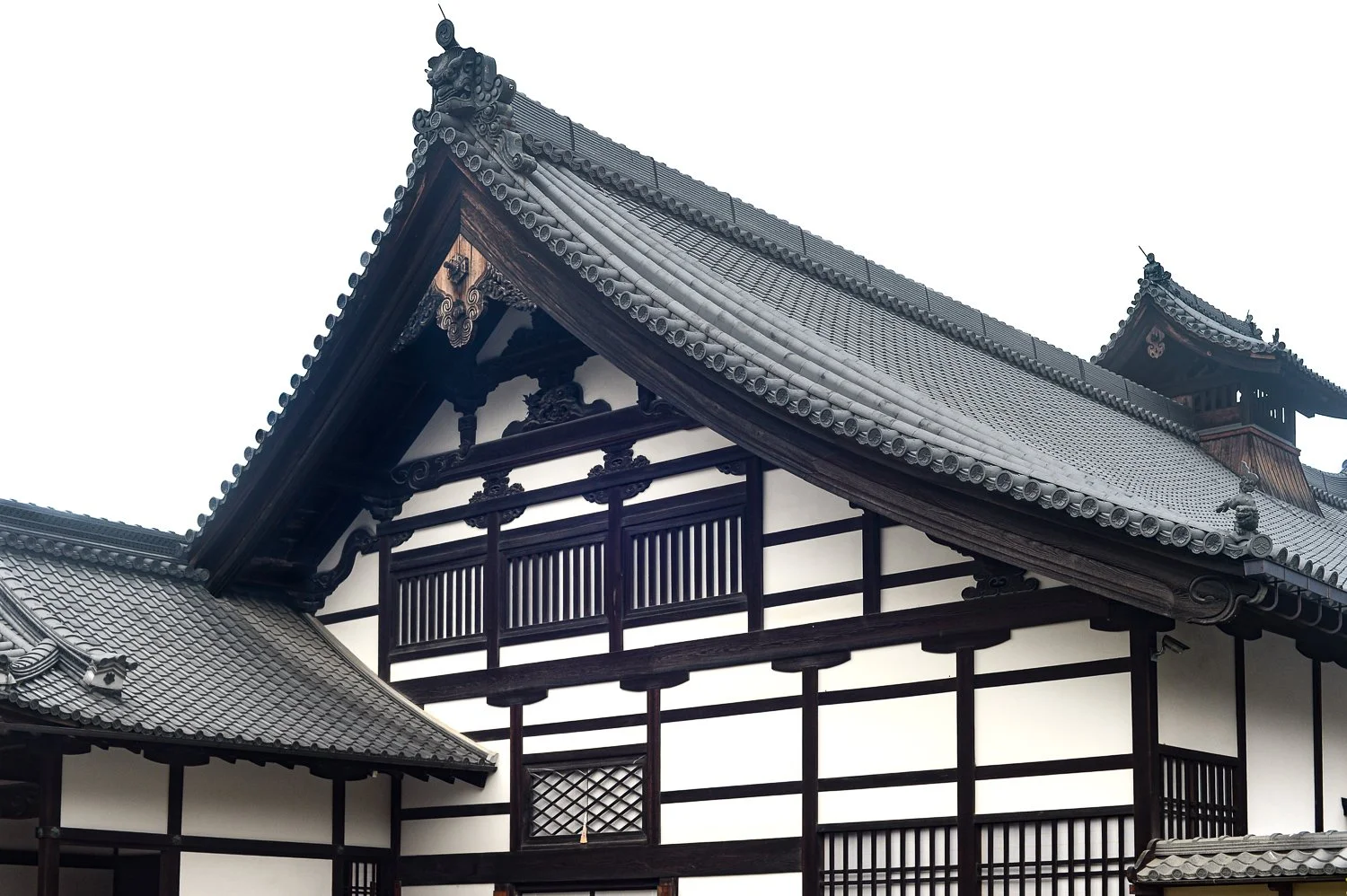
Kinkaku-ji (金閣寺, Golden Pavilion)
(81) 75.461.0013
Kinkakujicho, Kita Ward, Kyōto Prefecture 603-8361, Japan
www.shokoku-ji.jp