
The Botanical Gardens of Quindío a Living Laboratory of Forest, Palms and Butterflies
header photo © Johana Arias
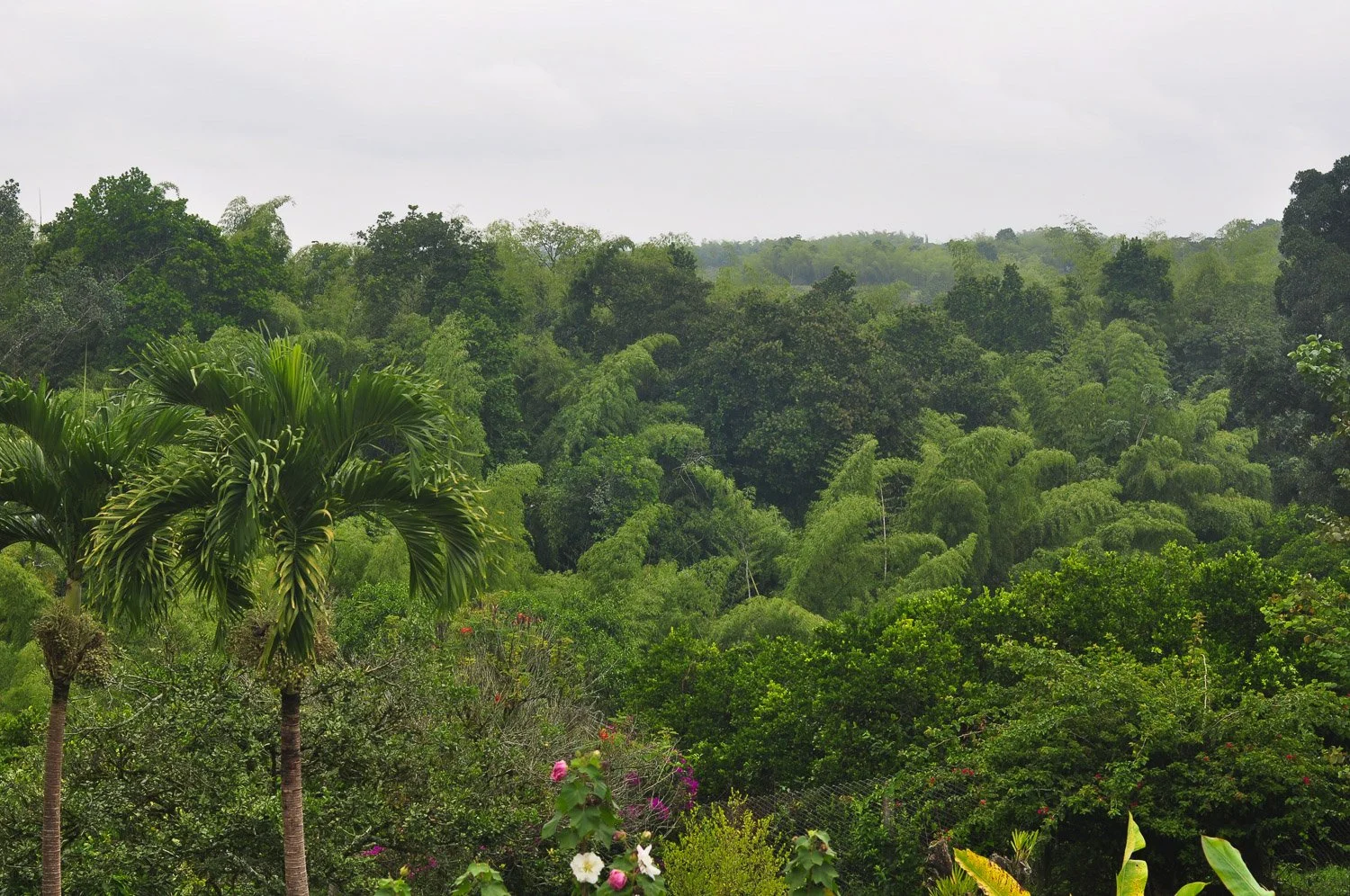
Located in Colombia's coffee-growing heartland, the Botanical Gardens in Quindío are modest in scale, rich and quietly abundant in experience. The entire reserve spans around 15 hectares, though only three are accessible to visitors. Like many Colombian conservation projects, the garden prioritises protection over exhibition, allowing extensive forest areas to remain undisturbed while visitors move lightly along carefully chosen paths.
Walking along the winding paths through the dense forests, the cheerful and highly knowledgeable guides help you recognise the astonishing diversity of plant life. Colombia ranks second worldwide for palm diversity, with 235 recorded species, and the garden displays around 150 varieties. They rise and cluster at various heights and in shifting forms, creating something close to a living taxonomy
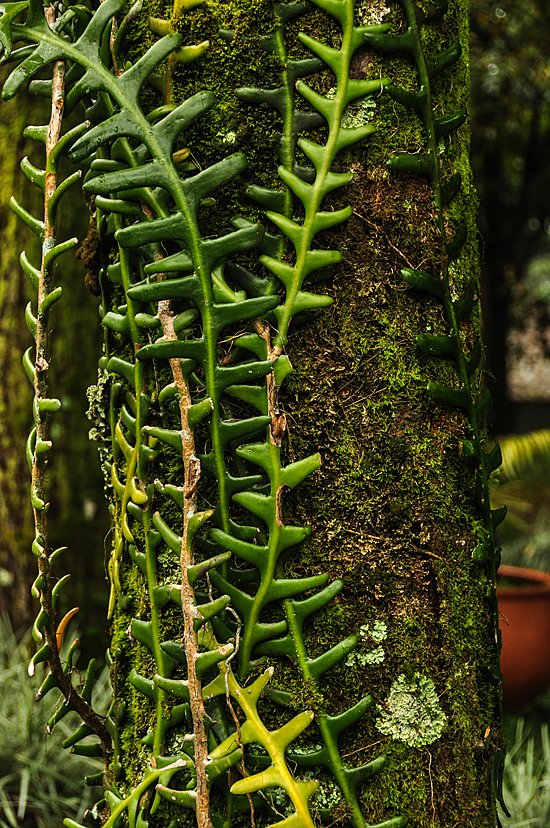
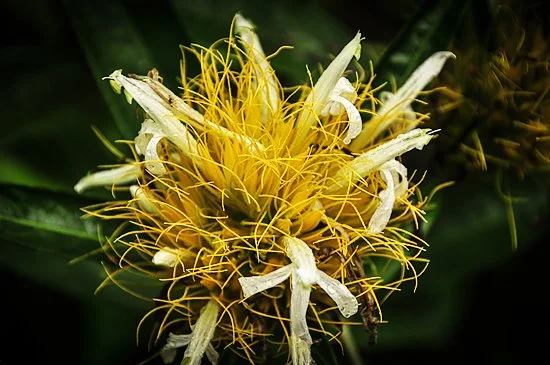
Ferns add an extra layer of ancient, primeval atmosphere, giving parts of the garden a distinctly Jurassic feel. These plants predate seeds entirely, reproducing through spores, and they appear here in every imaginable variation — from delicate, small ground dwellers to towering, arboreal, tree ferns. Seventy-one species of heliconias, often called birds of paradise, are also represented.
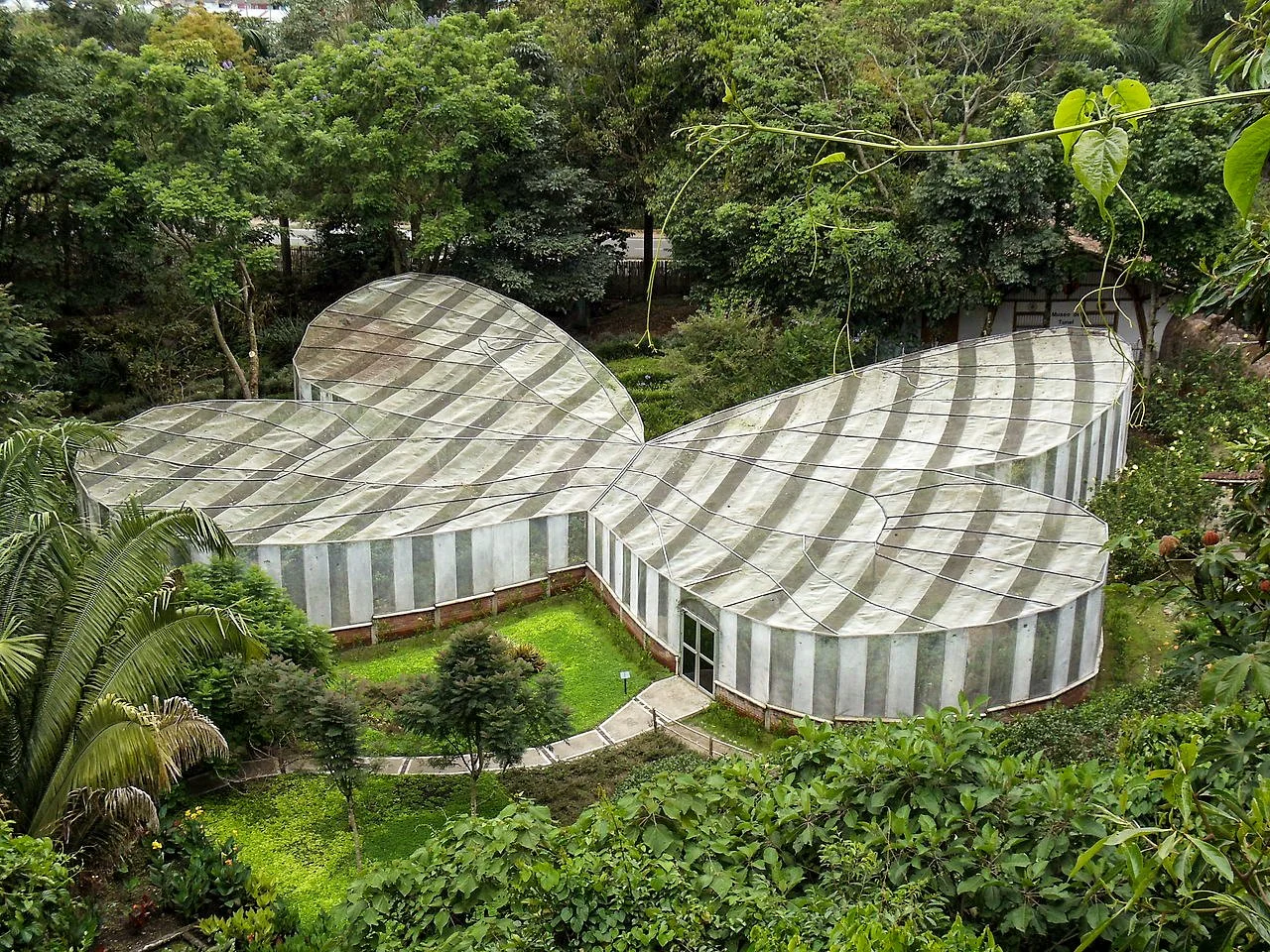
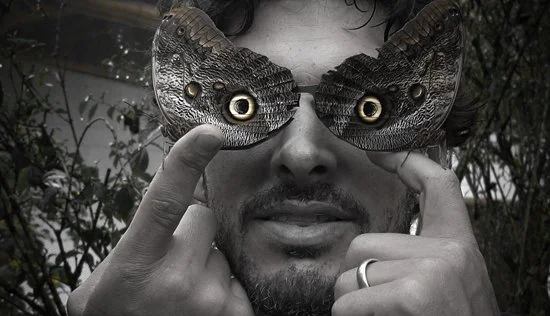
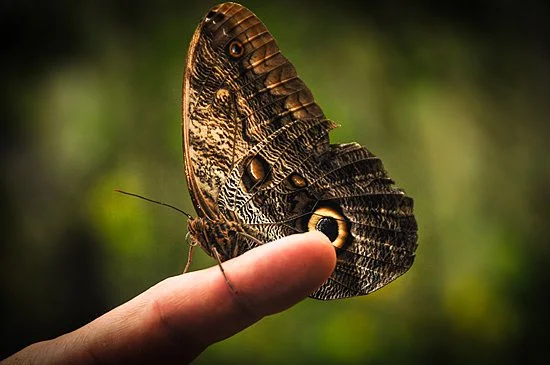
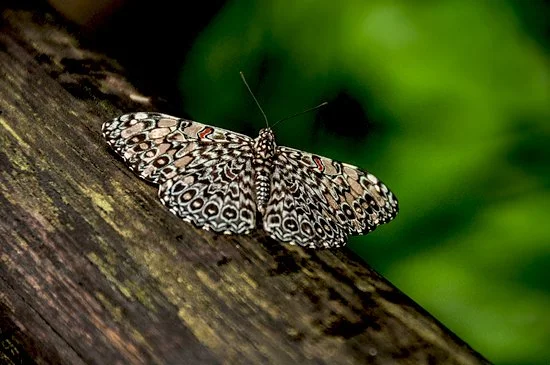
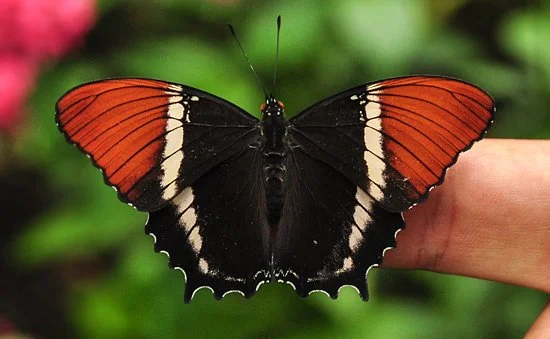
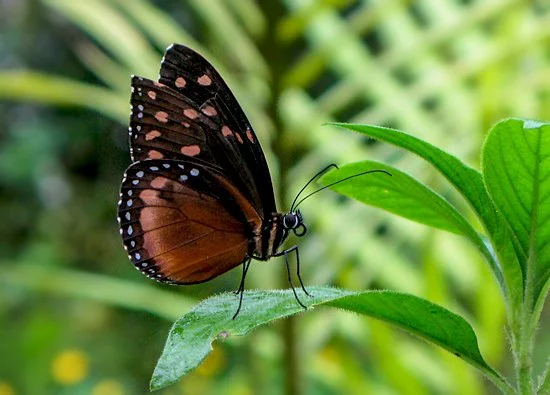
The garden’s most renowned attraction is the Mariposario, or butterfly house. Shaped like a butterfly and enclosed in fine netting, it is home to a vibrant population of butterflies that seem untroubled by human presence. Walk slowly, and you might find yourself quietly accompanied by a large owl butterfly, drifting alongside you as if curious rather than cautious.
What makes the Quindío Botanical Gardens especially compelling is the harmony they create between accessibility and wilderness. Paths are well defined yet sparing, bordered by Guadua bamboo harvested from fallen stalks within the forest itself. Guadua, native to the region and widely regarded as one of the strongest bamboo species in the world, is visible at every stage of its life cycle. Within six months, it reaches its full height, ranging from 5 to 30 metres, with a diameter of 2 to 22 centimetres. As the bamboo matures towards its full height, a thin outer skin gradually bows and decomposes, forming subtle geometric patterns across the forest floor. It also plays a vital ecological role, absorbing water in the morning and gradually releasing it back into the environment in a purified state.
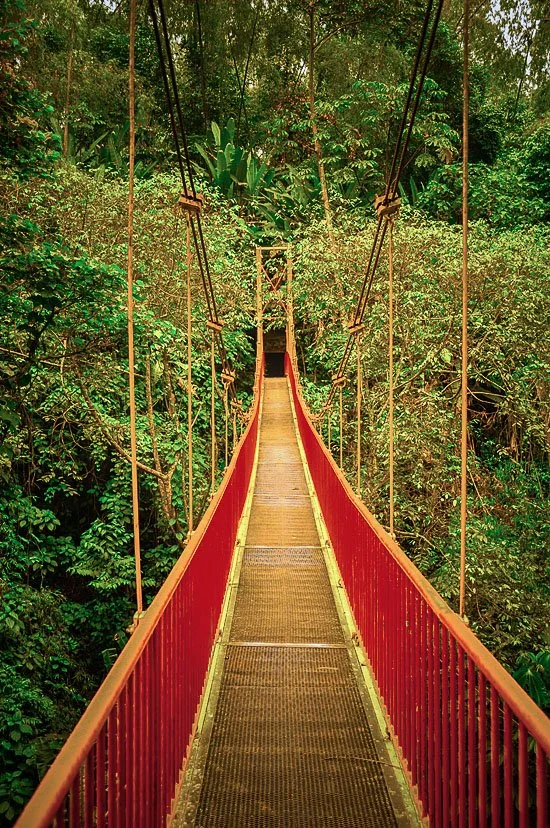
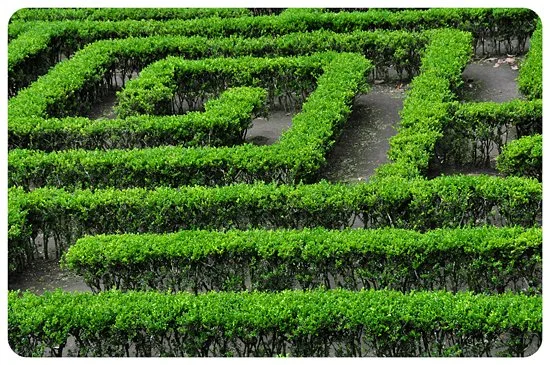
Scattered throughout the park are thoughtful features that encourage quiet observation rather than distraction: a camouflaged birdwatching cabin with one-way glass overlooking flower-filled gardens alive with colour and movement; a suspension bridge crossing a deep ravine; a small maze; and a lookout tower offering a gentle elevation above the canopy.
The Botanical Gardens of Quindío is a place where conservation takes precedence, curiosity follows naturally, and the forest remains firmly in control.
Jardin Botánico del Quindío
+57 606 742 7254 / +57 310 404 5223
Kilómetro 3 Vía al Valle - Calarcá Quindío, Colombia
www.jardinbotanicoquindio.org
