
Class at Criollo Oaxaca, Vol. I — Learning Corn, Fire and Patience
Pujol remains one of our most cherished restaurants, and Chef Enrique Olvera is one of the most quietly grounded individuals we have encountered. Criollo in Oaxaca extends that same ethos, rooted in respect, curiosity, and craft. We were fortunate to have the opportunity to take part in a private culinary class here.
As with almost everything in Mexican cuisine, it begins with corn.
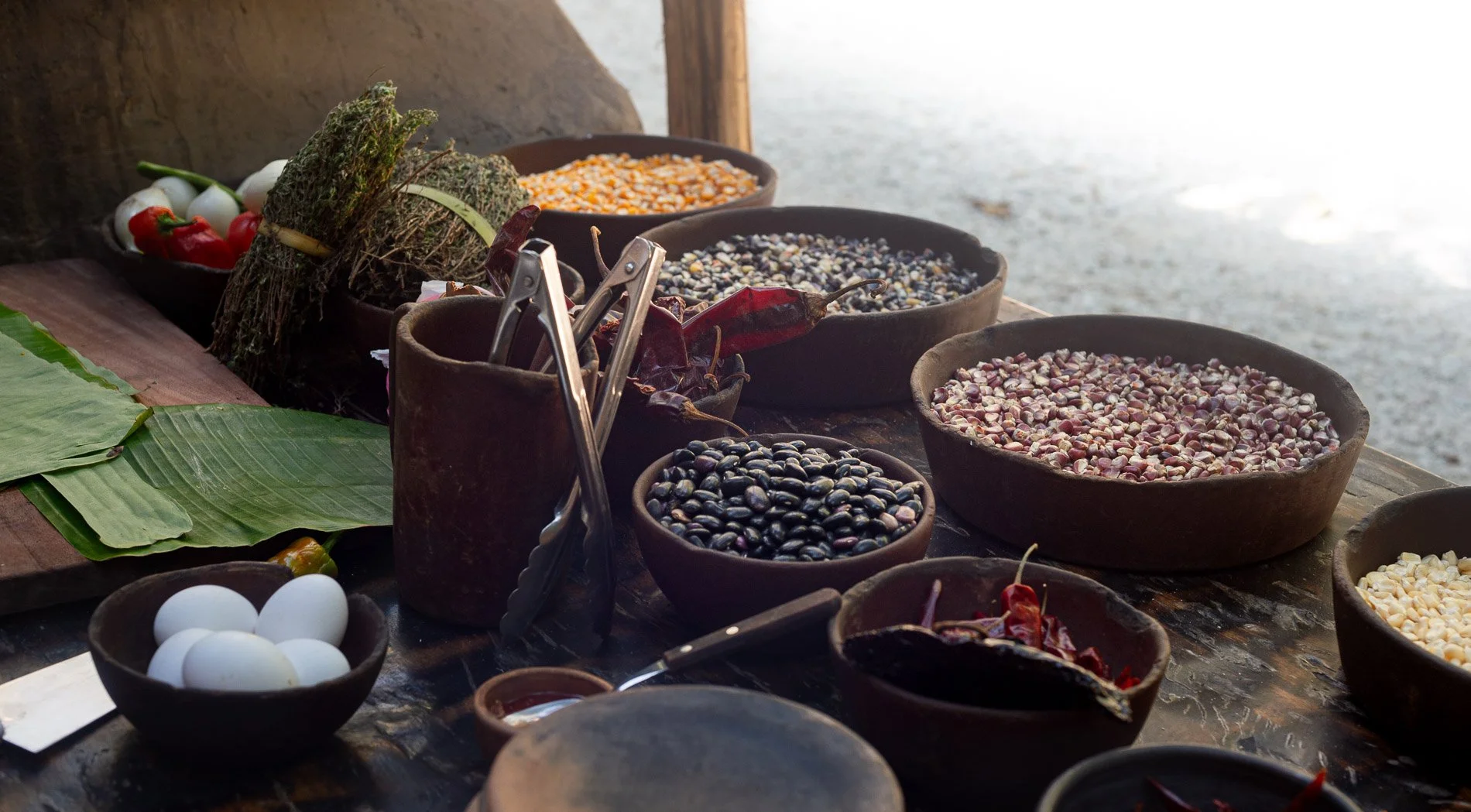
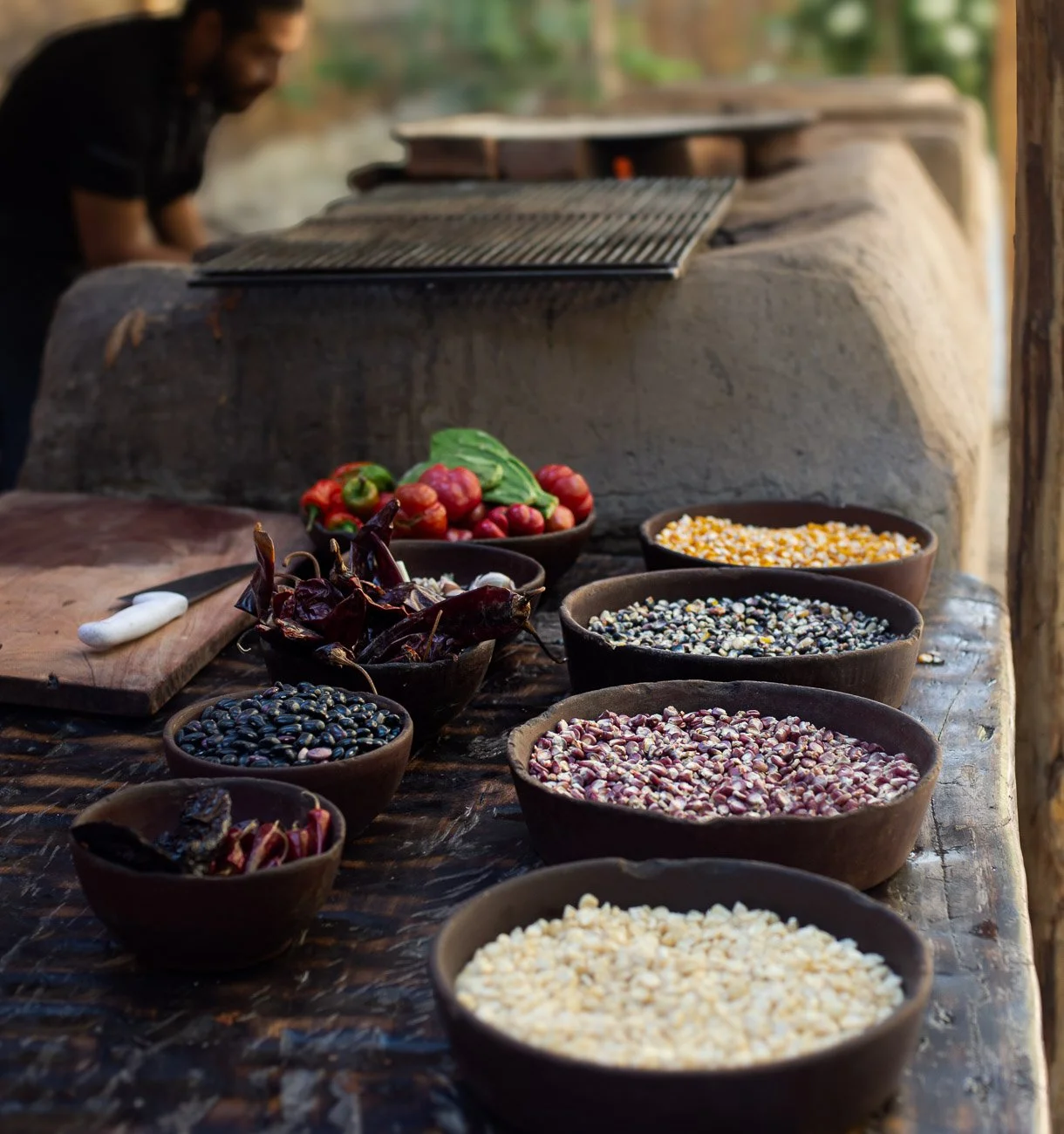
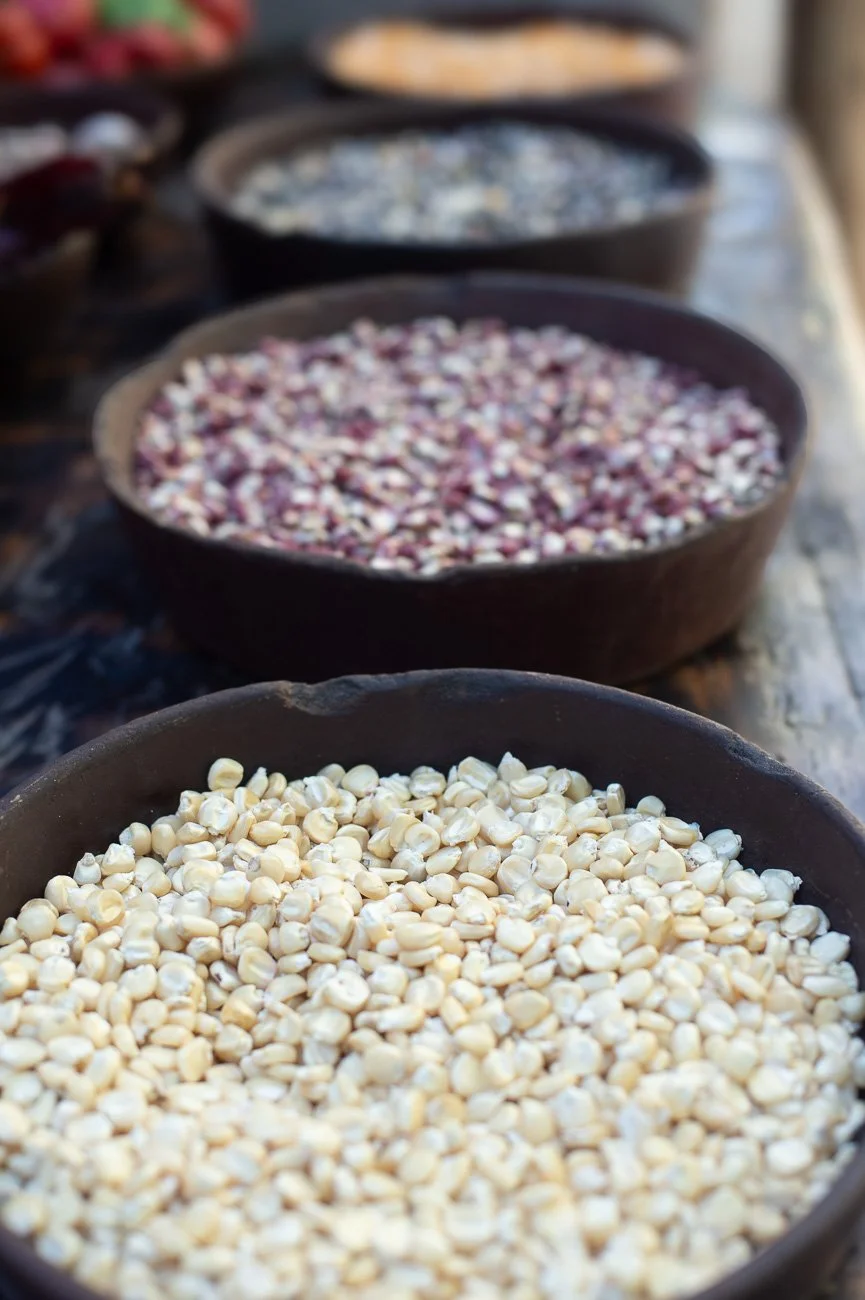
The class began at sunrise with an introduction to the native maize varieties the restaurant uses. Handfuls of kernels in deep reds, pale yellows, blues, and almost-black purples were laid out in front of us. As we handled them, the team talked us through the extraordinary diversity of Mexican heirloom corn and Criollo’s effort to protect it.
They spoke about the genetic richness of maize in Oaxaca, with thousands of local varieties adapted to specific soils and microclimates. The conversation moved easily between agriculture and culture. The potential risks associated with GMO crops were discussed not only in terms of ecology, such as pollen dispersal into indigenous fields and excessive herbicide use, which add further stress to the delicate ecosystem, but also in terms of cultural identity. Maize here is not simply food; it is deeply connected with history, memory, ritual, and belonging.
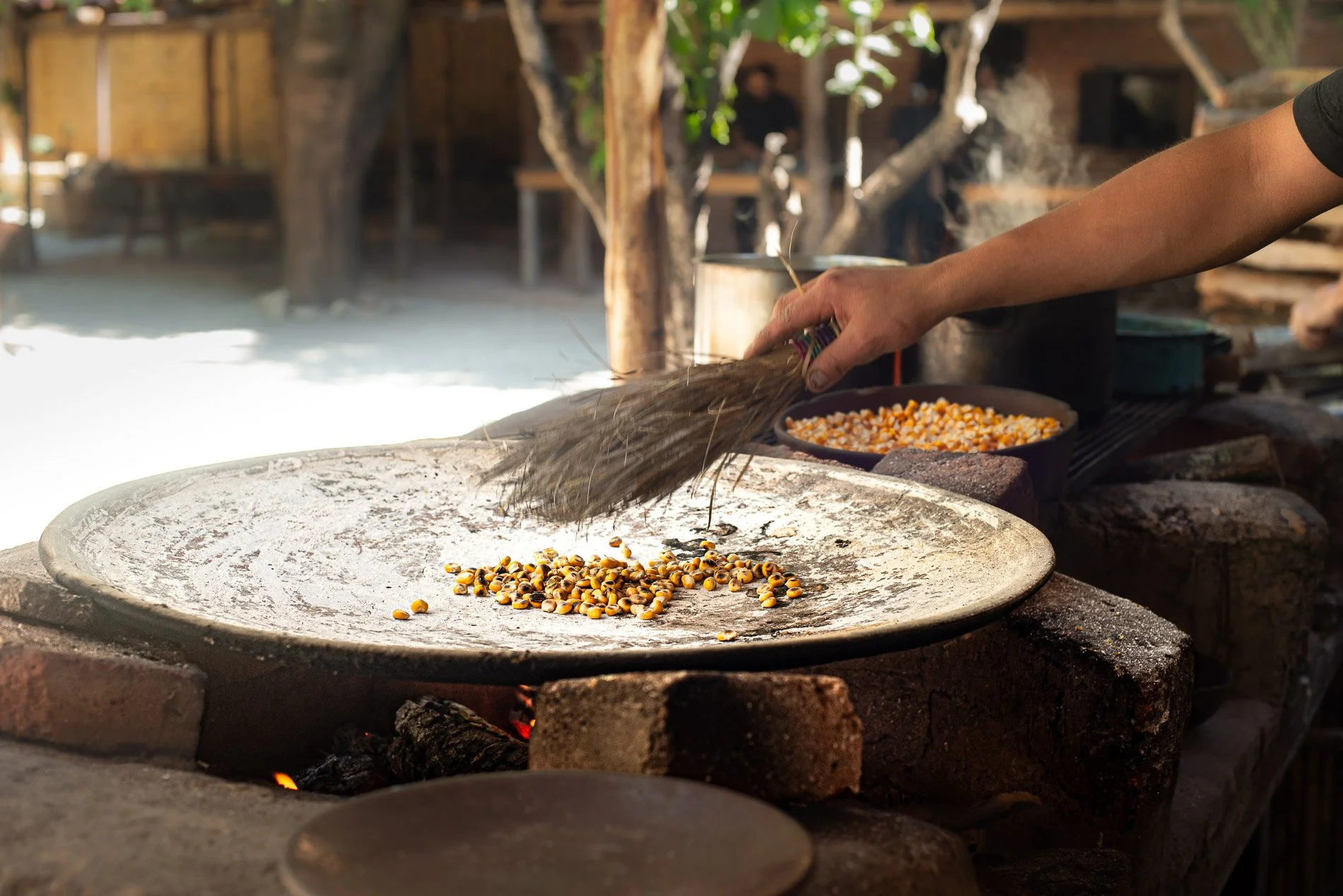
Nixtamalised maize being toasted on a comal to prepare tejate, often affectionately called the Drink of the Gods, a pre-Hispanic non-alcoholic beverage. After toasting, the kernels are ground on a volcanic stone metate and combined with fermented cacao beans, toasted mamey pits, and dried flowers from the rosita de cacao tree.
The Alchemy of Nixtamalisation
The maize is allowed to dry on the cob. Subsequently, it is harvested and placed under the sun for further drying. After a few days of intense heat, the kernels are detached and set aside. These straightforward steps are about patience. Time is part of the method.
Nixtamalisation, or nixtamalli as originally named by the Maya and Aztec Civilisations, is an alkaline process using slaked lime (calcium hydroxide) or ash (potassium hydroxide). The alkaline solution breaks down hemicellulose, the primary binding element of the maize cell walls. The process loosens the hulls from the kernels and softens the kernels.
At the same time, a series of important transformations occurs. Corn oils partially convert into emulsifying agents such as monoglycerides and diglycerides. Calcium levels increase, niacin (vitamin B3) becomes bioavailable, and essential amino acids such as tryptophan and lysine are unlocked. In practical terms, flavour improves, and nutrition becomes complete. Nixtamalized corn also aids in regulating pH and controlling microbial activity.
Without this process, niacin remains inaccessible to the human body, historically leading to pellagra in populations that adopted maize as a staple without nixtamalisation. Archaeological and historical evidence from regions where this step was absent or disrupted shows clear signs of nutritional deficiency and dietary stress. What seems like a rustic technique is, in fact, a profound nutritional innovation.
The calcium ions from the lime also act as cross-linking agents within proteins and polysaccharides, giving the dough its structure. This is what makes masa possible.
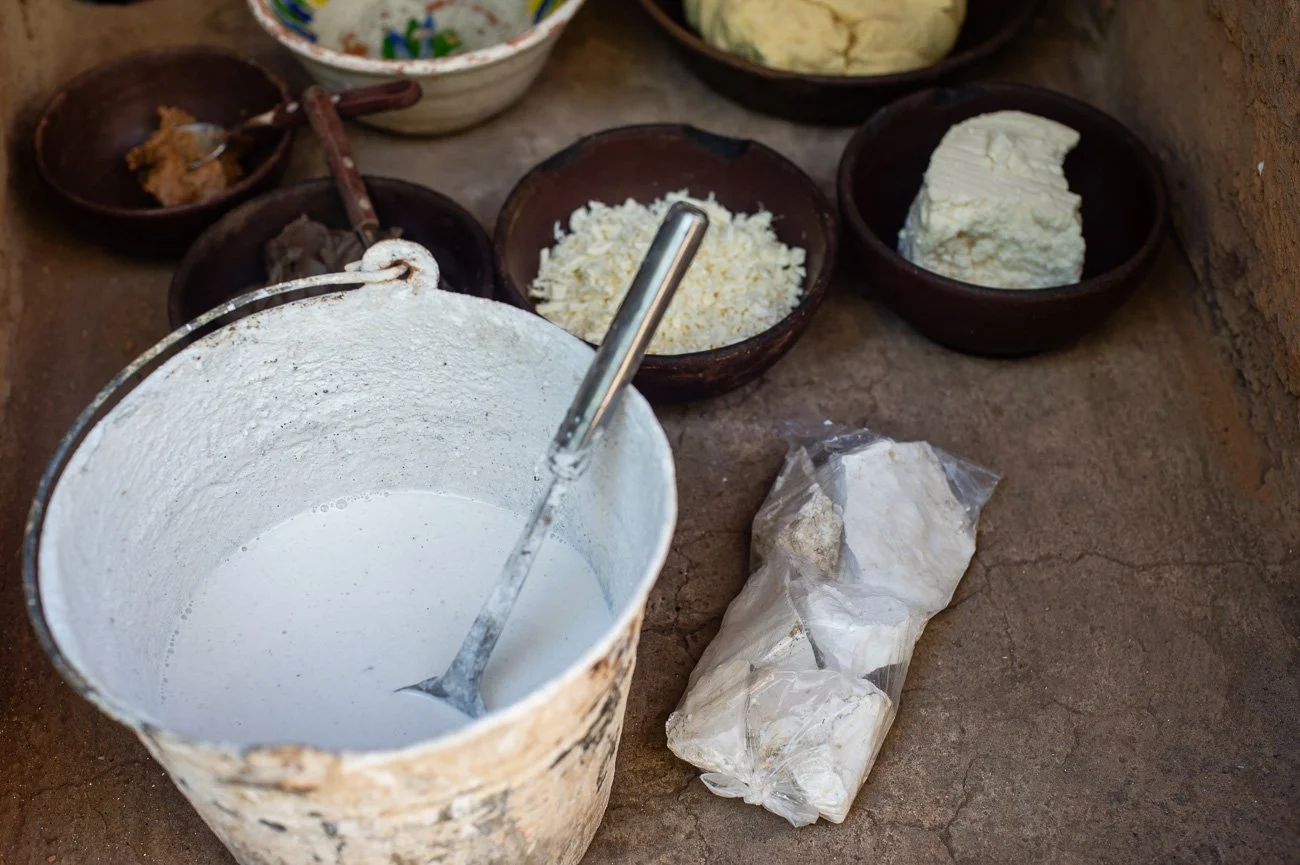
From left, lime solution, cal en piedra as sold at the markets.
Preparing the Lime Solution
In Mexico, cal (calcium hydroxide) is often sold in small chalky chunks or as a fine powder in markets and grocery stores; during the class, we worked with the chunk form, often called “Cal En Piedra” (lime in stone form). We started by dissolving them in water. The chemical reaction is instant and mesmerising. The liquid turns cloudy as the lime disperses, and the solution becomes gently effervescent, releasing some heat. You can feel the temperature rising as you dip a finger into the water.
If sourcing cal outside Mexico, look specifically for food-grade slaked lime (calcium hydroxide, Ca(OH)₂), commonly sold for pickling.
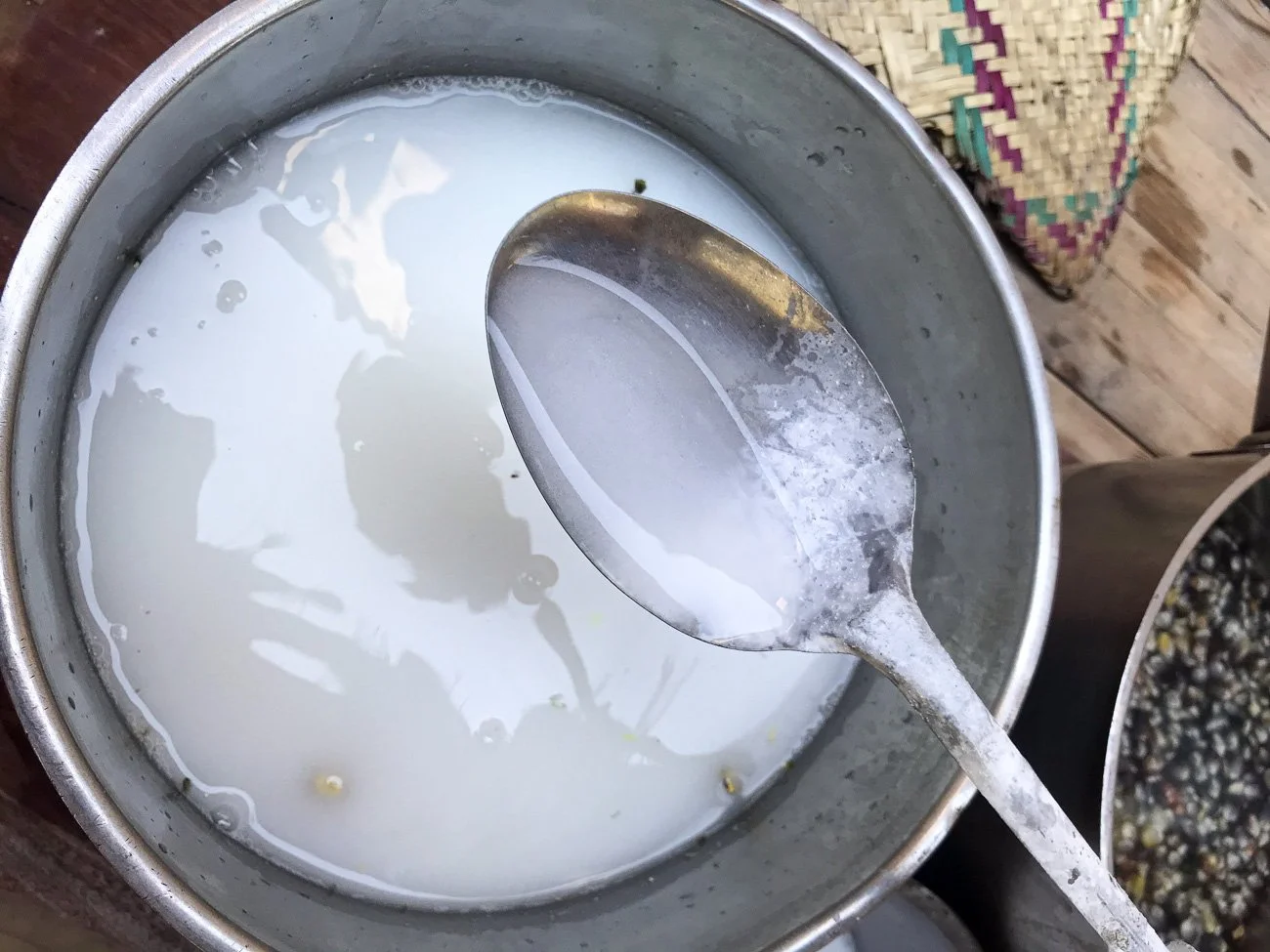
Step 2. gradually adding the lime solution to the cooking water until it reaches a translucent colour, similar to horchata
Method
1. Wash the corn thoroughly and transfer it to a large pot with four to five times its volume in water.
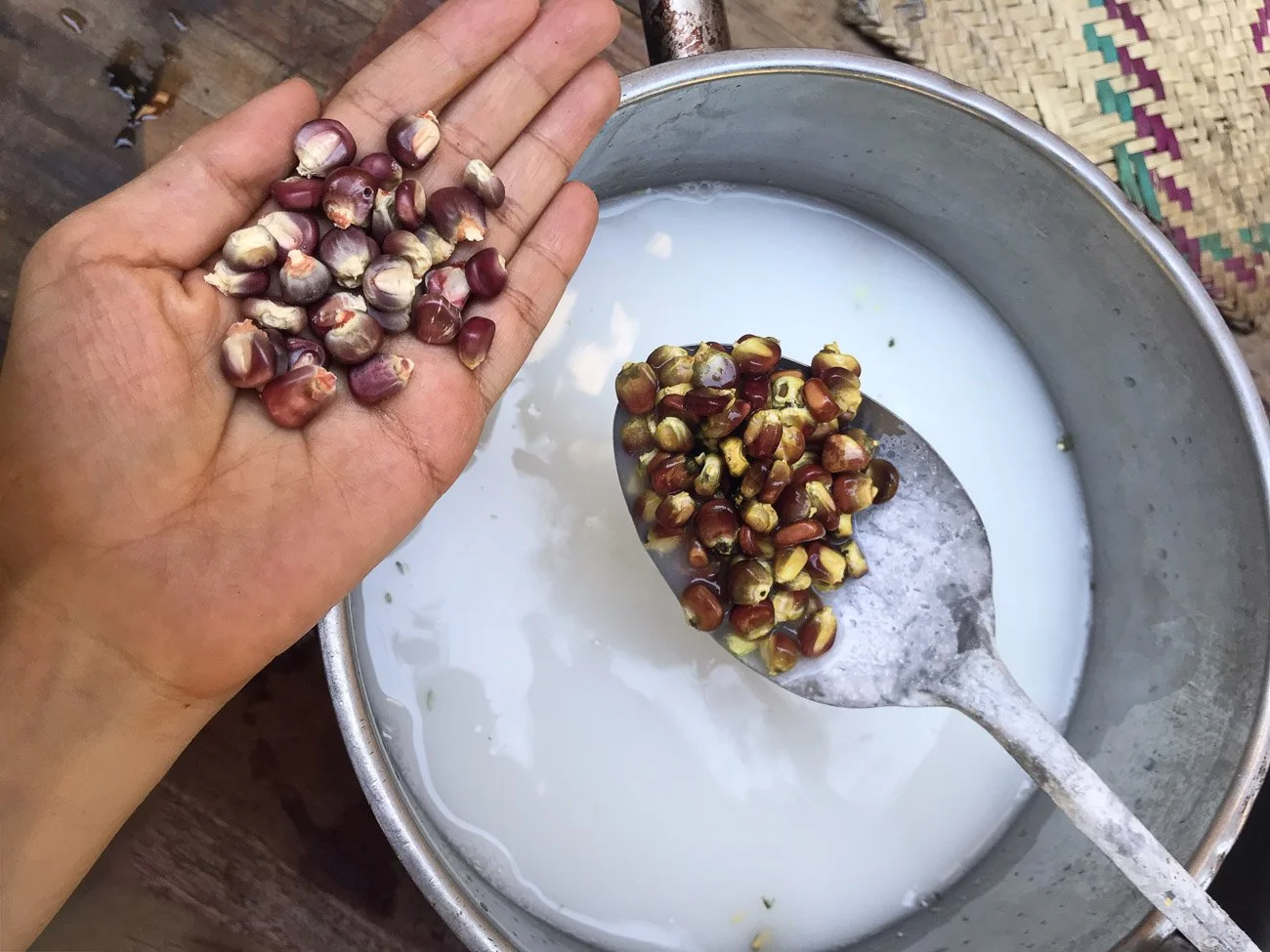
2. While stirring, gradually add lime solution until the mixture reaches a translucent colour, similar to horchata, and if you taste the liquid, it will give the sensation of cotton mouth. If it becomes opaque like milk, too much lime has been added.
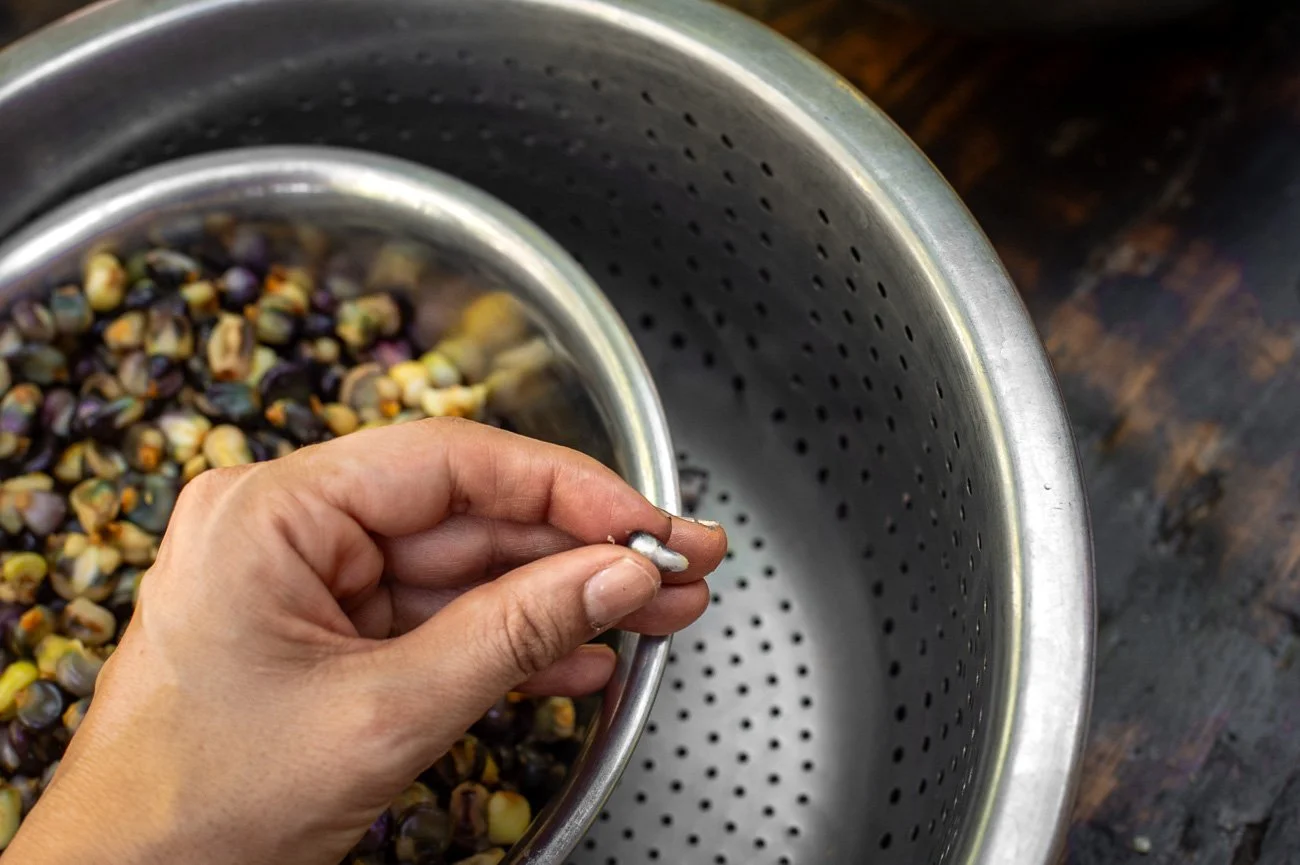
At the correct balance, the kernels will undergo a colour change, especially on the tip cap, which turns yellow.
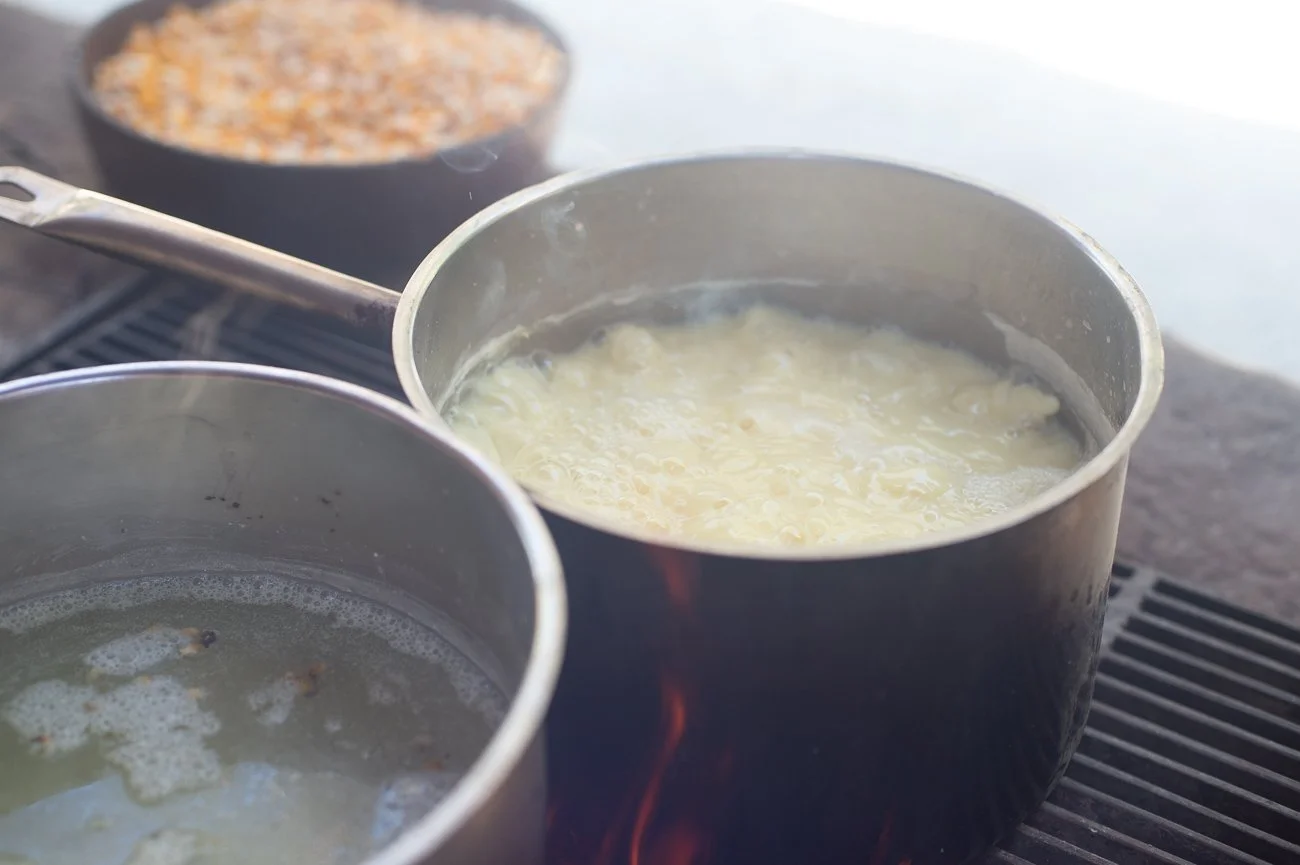
3. Cook the mixture for between 30 minutes and 3 hours at a temperature of 80–100°C (176–212°F), until the kernels are al dente.
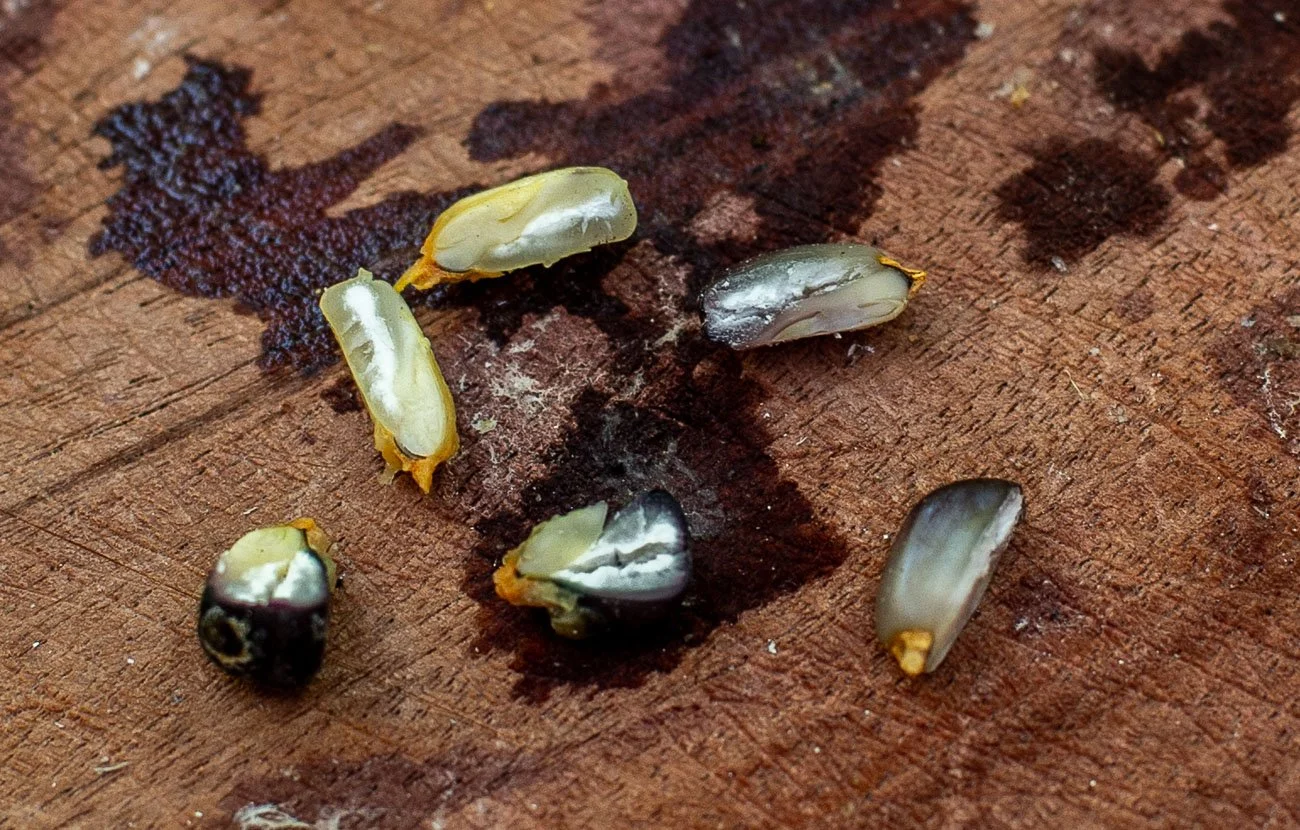
The most reliable way to determine doneness is to split a kernel and look for a thin white line at its centre.
4. Remove from heat and allow the corn to settle for 7 to 24 hours.
5. Rinse multiple times until you are sure that both the lime and any loosened skins have been completely removed.
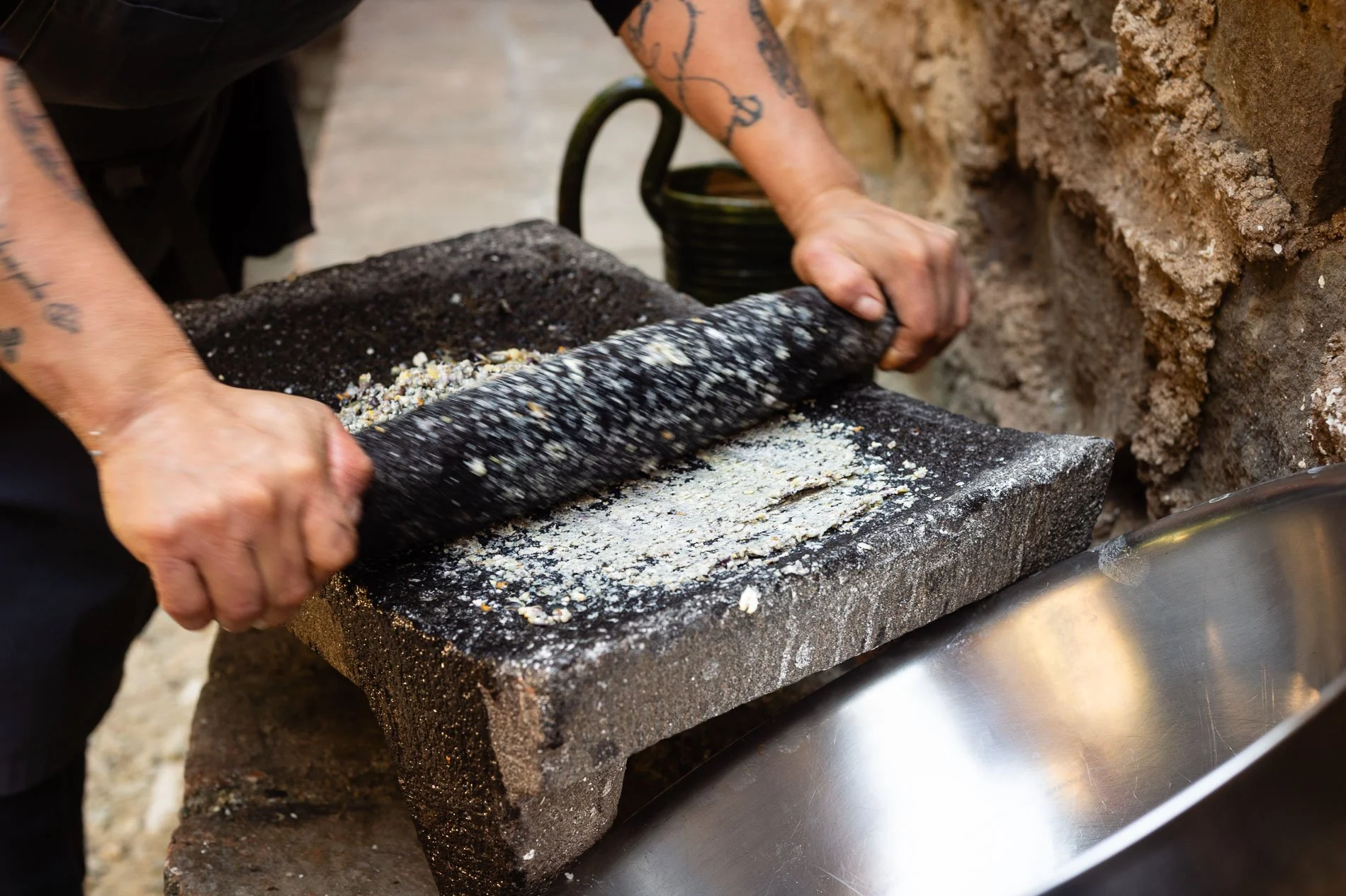
Metate , a traditional stone milling tool
Grinding and Masa
Maize was first domesticated in what is now southern Mexico from a wild grass called teosinte, around 9,000 years ago. Working with masa connects you directly to that history — one of Mexico’s most significant contributions to global cuisine, a staple that would sustain entire civilisations.
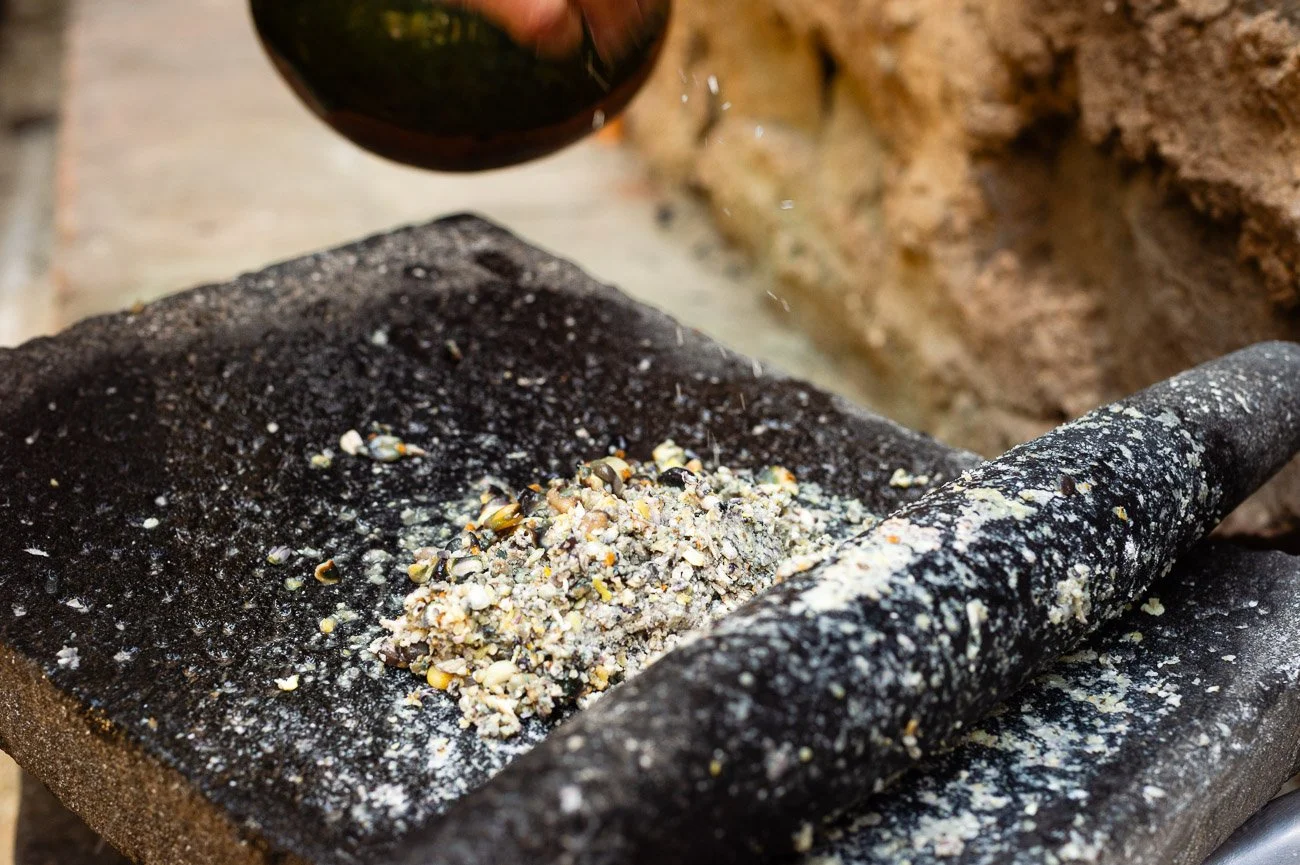
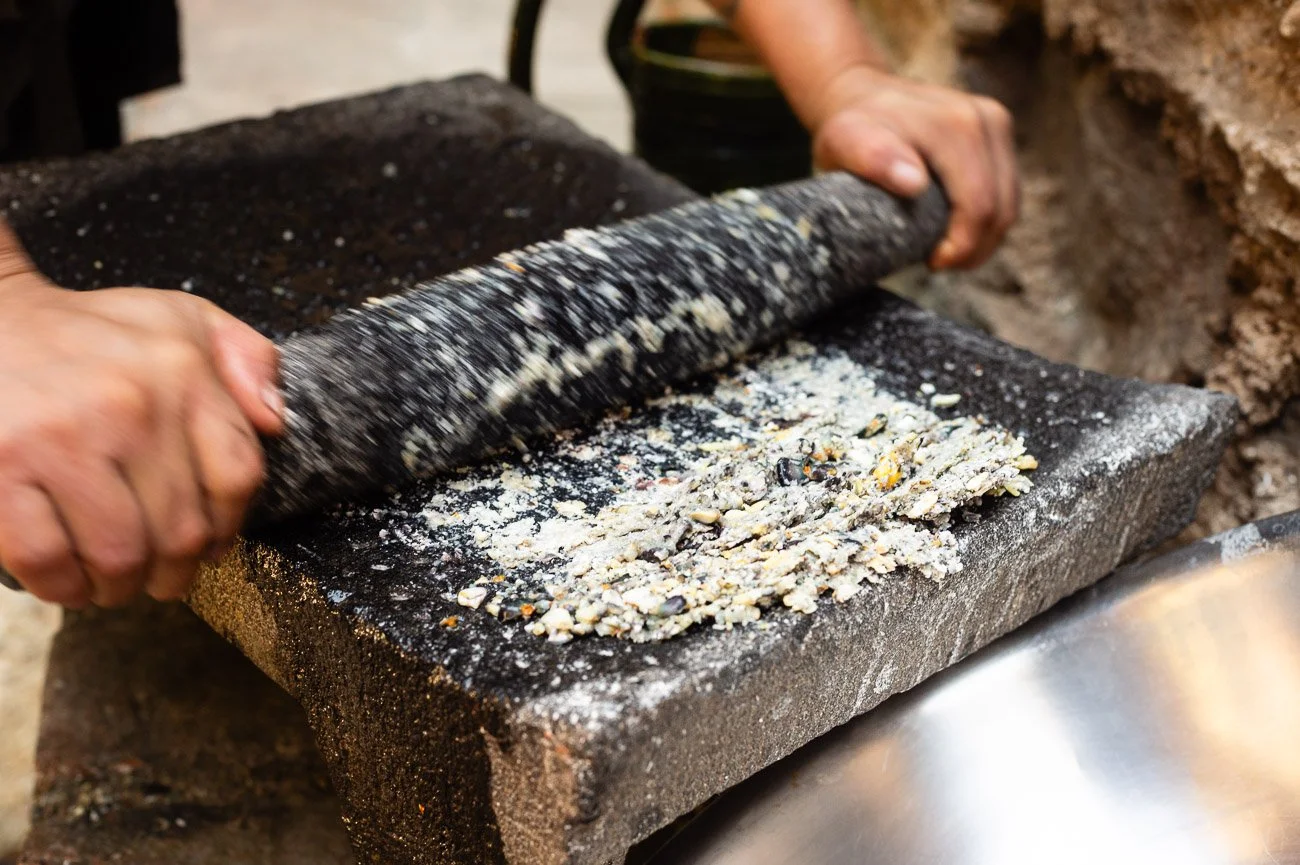
In pre-Columbian times, corn was ground using a metate, a traditional stone milling tool. We used one instead of a mill during the class.
Grinding corn a using a metate requires patience and rhythm. Water is added gradually as the kernels are worked into masa. It is a physical process, slow and deliberate, where texture is learned through touch rather than measurement.
Today, many small towns in Oaxaca still rely on communal mills. In these towns, market areas are often lined with coin-operated stone mills. In the mornings, locals bring their cooked maize to be ground into masa, a vital component for daily meals.
Once the masa is ready, everything begins to take shape.
Cooking in a Comal
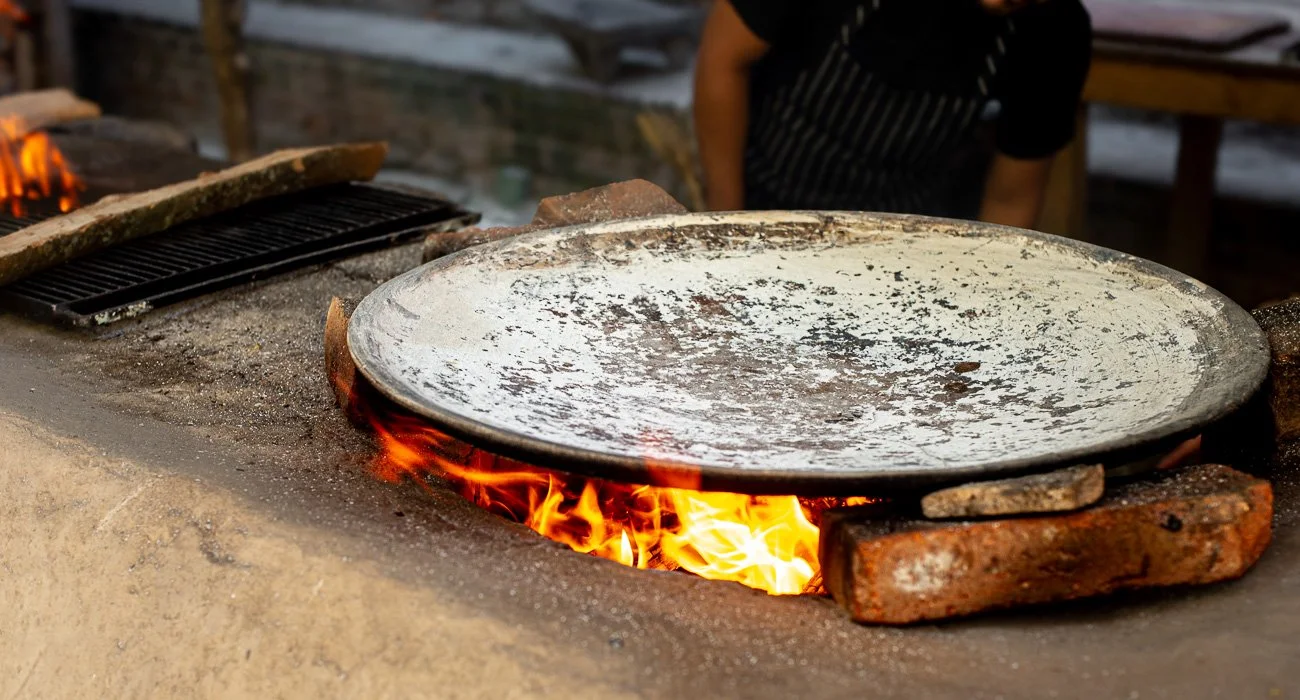
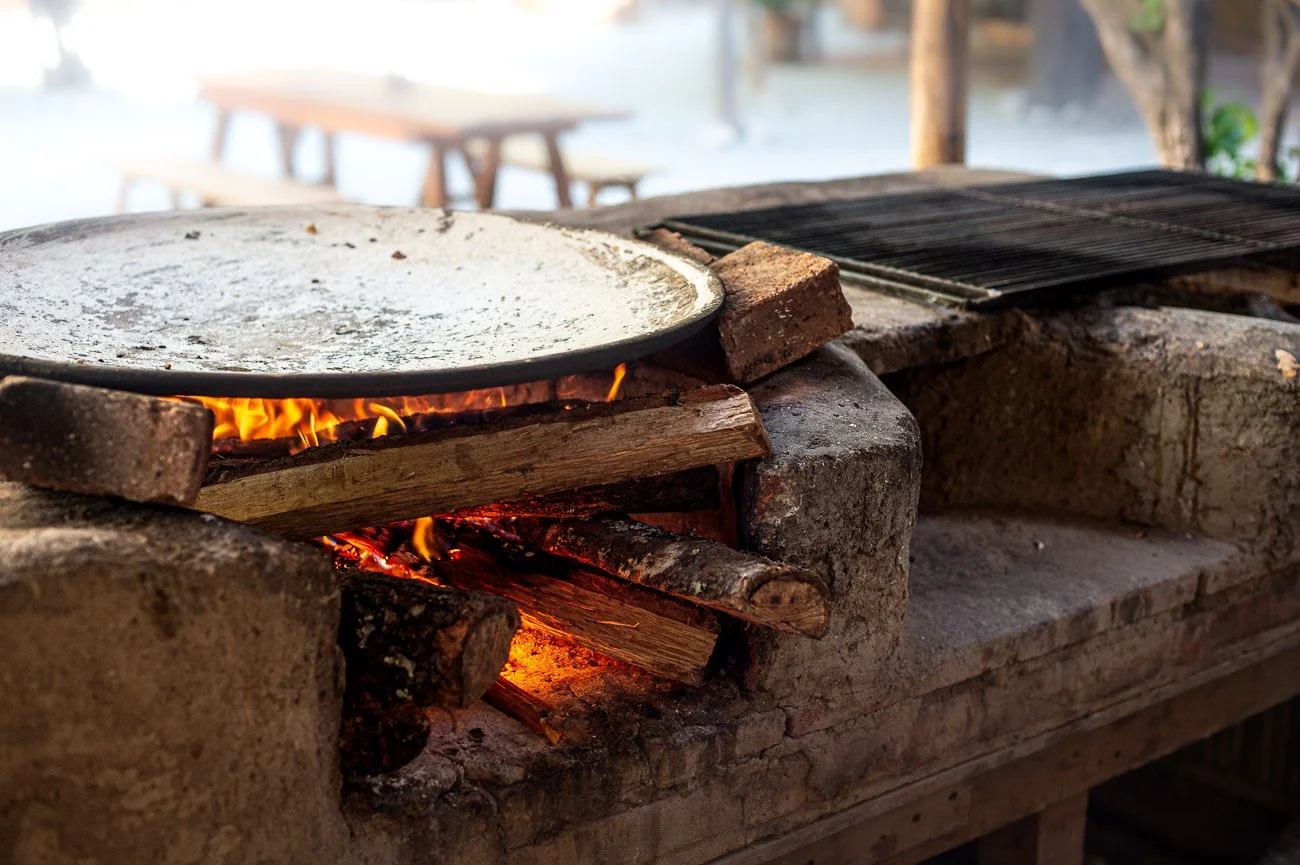
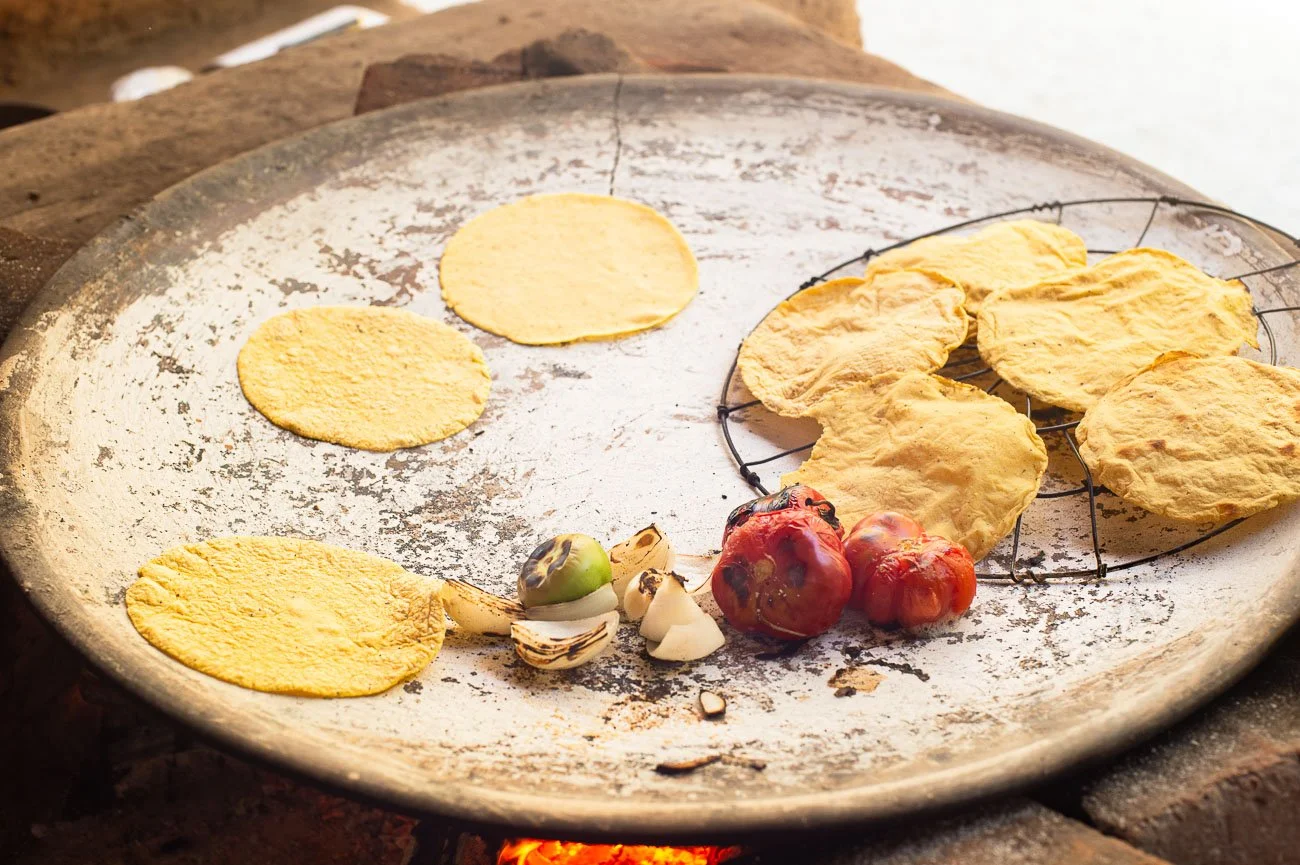
The comal is an essential tool. A slightly concave, round griddle traditionally made of clay with a smooth surface, its name derives from the Nahuatl word comalli.
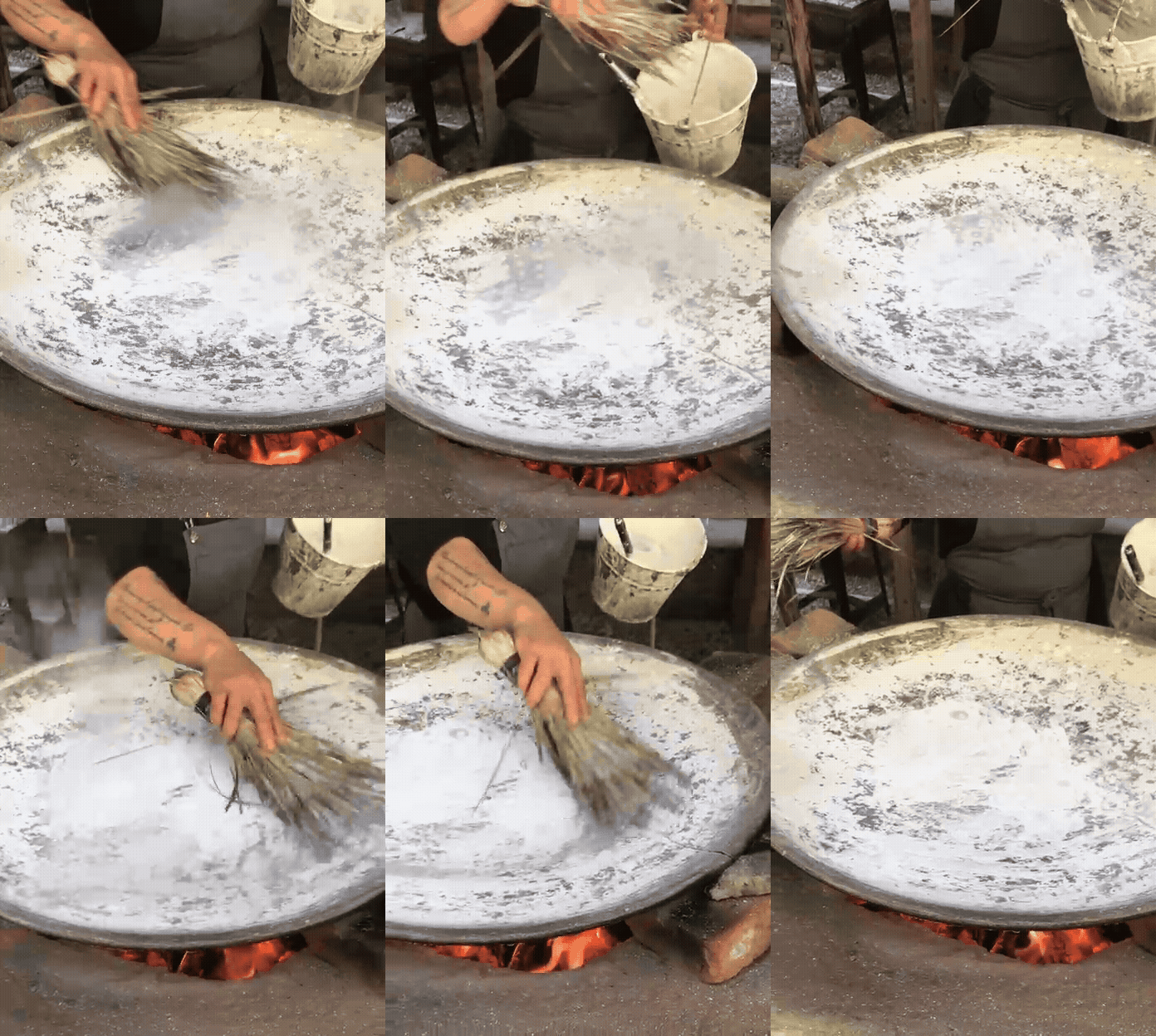
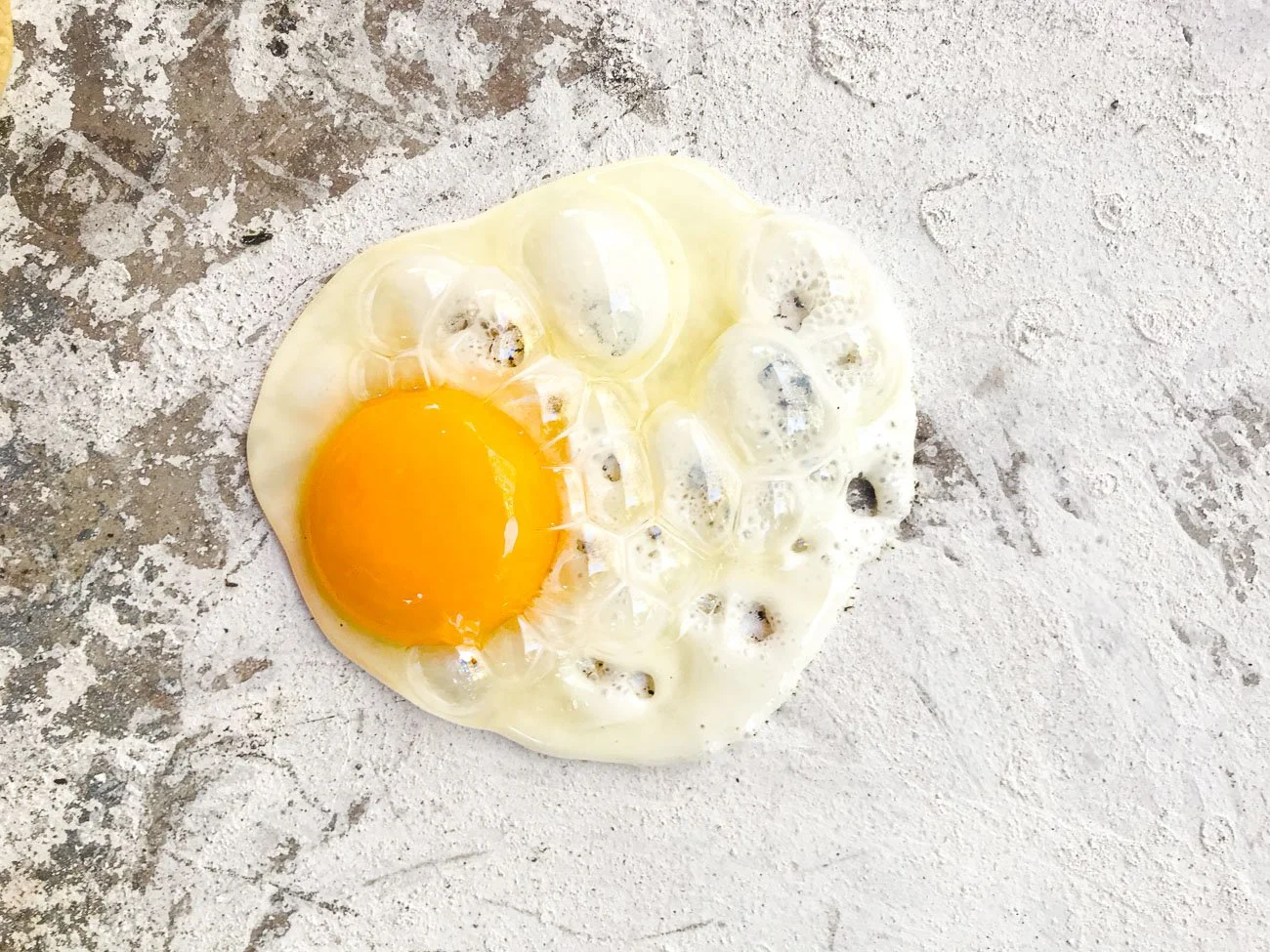
Before use, it must be cured. The process involves heating it for around fifteen minutes, brushing away dust, and then applying with a brush the same lime solution used in nixtamalization, creating an even layer. Remarkably, this process alters the surface, making it naturally non-stick. An elegant solution developed long before Teflex. We tested it ourselves — eggs slid across the surface effortlessly. After each use, it is important to remove any charred food residues and repeat the coating process.
Comals are readily available at most markets in Oaxaca; learning to cook with one was a revelation. Today, metal versions are also available and are commonly used by street food vendors, but they lack the heat character and subtle flavour of clay, making the overall experience significantly less expressive.
→ Continue the class
Criollo
01 951 320 07 09
Calzada Madero 129 - Oaxaca de Juárez.
info@criollo.mx
