
Class at Criollo Oaxaca, Vol. II — Masa, Fire and the Ritual of Tamales
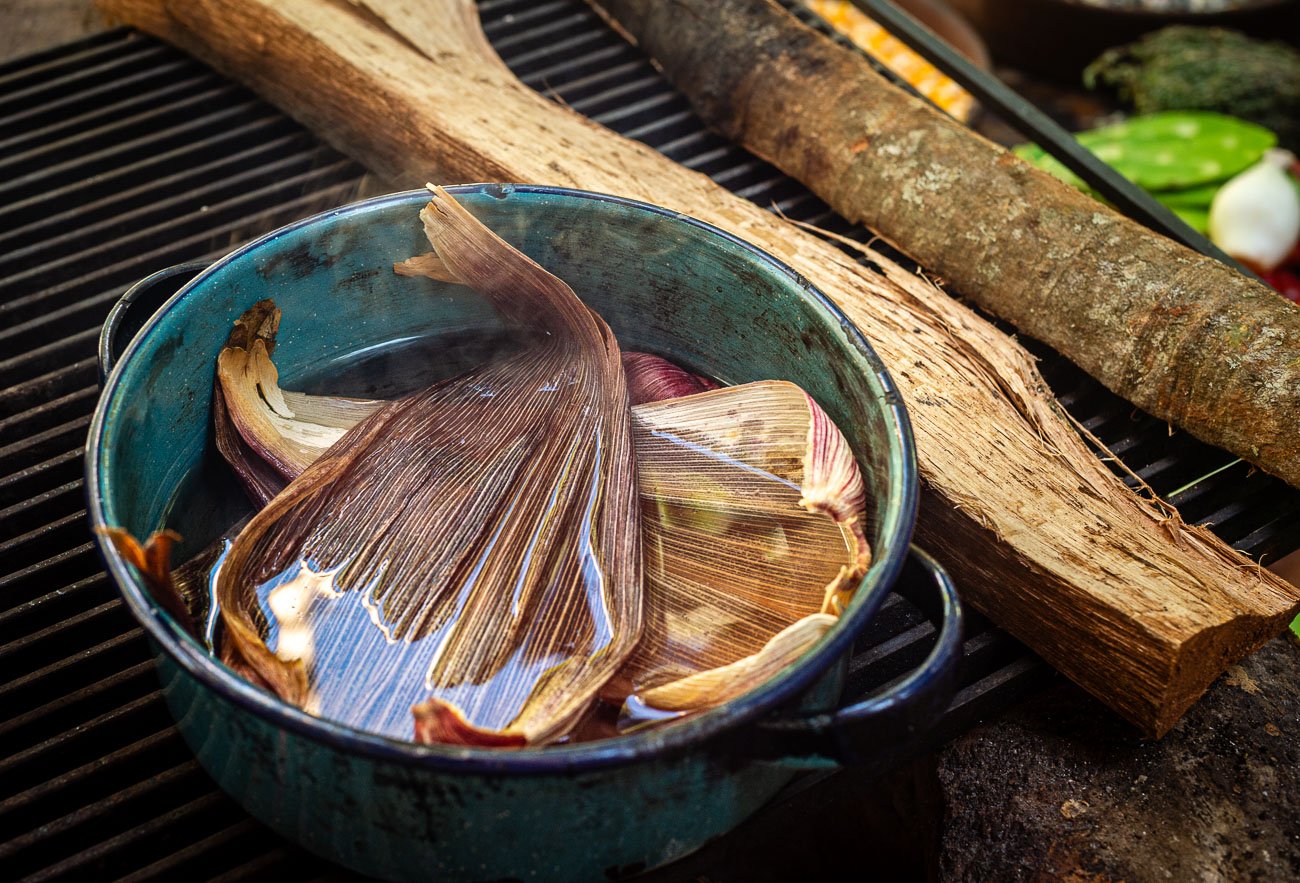
2. Corn husks are soaked in warm water
Making The Tamal
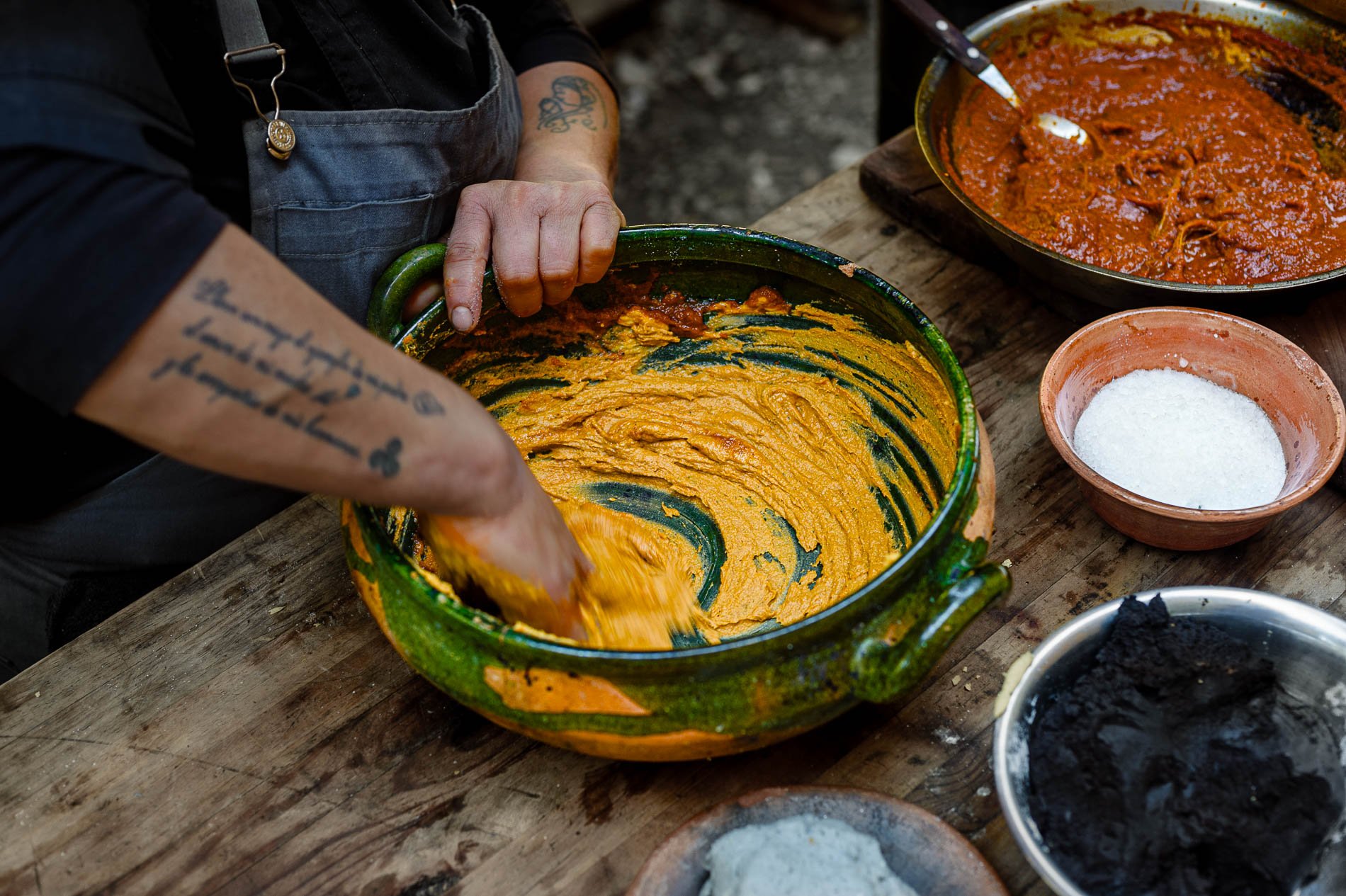
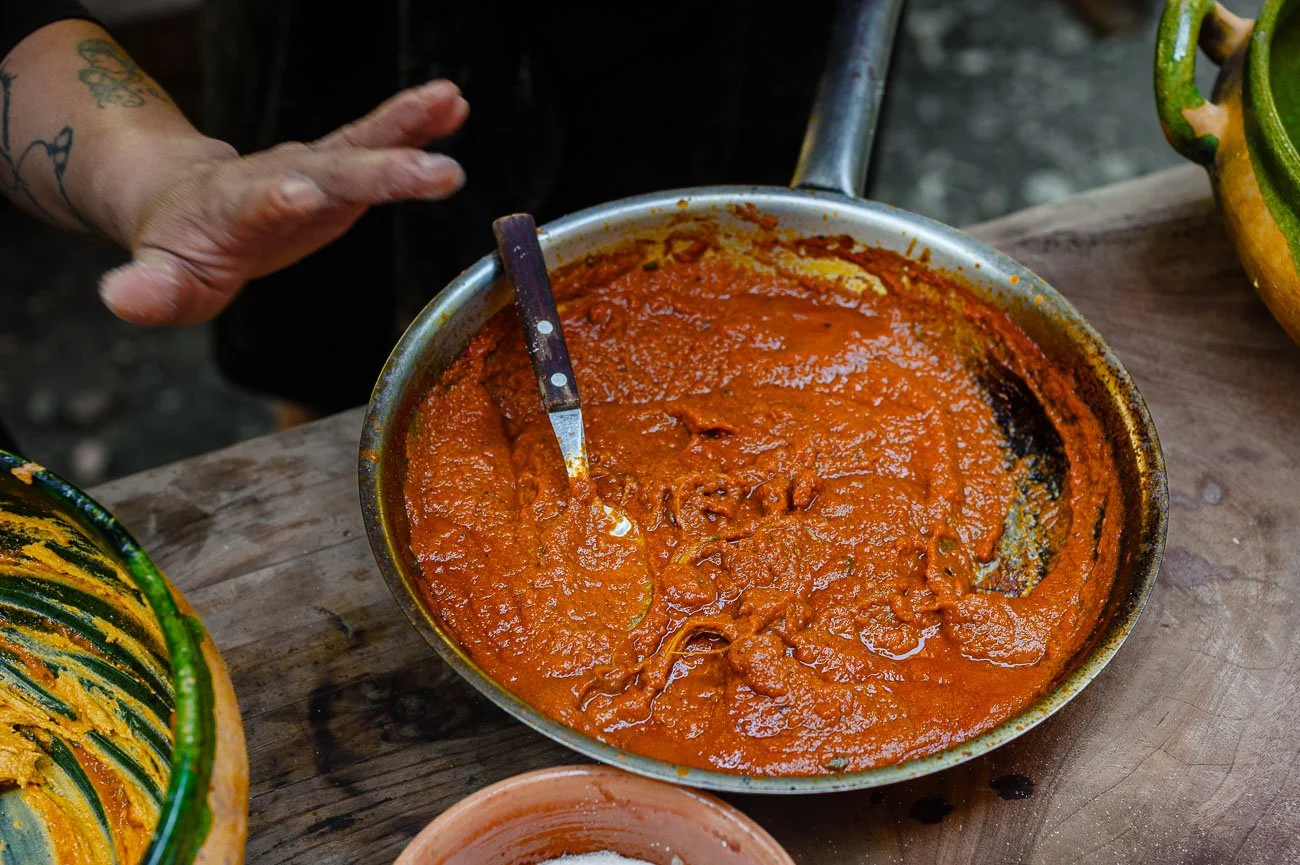
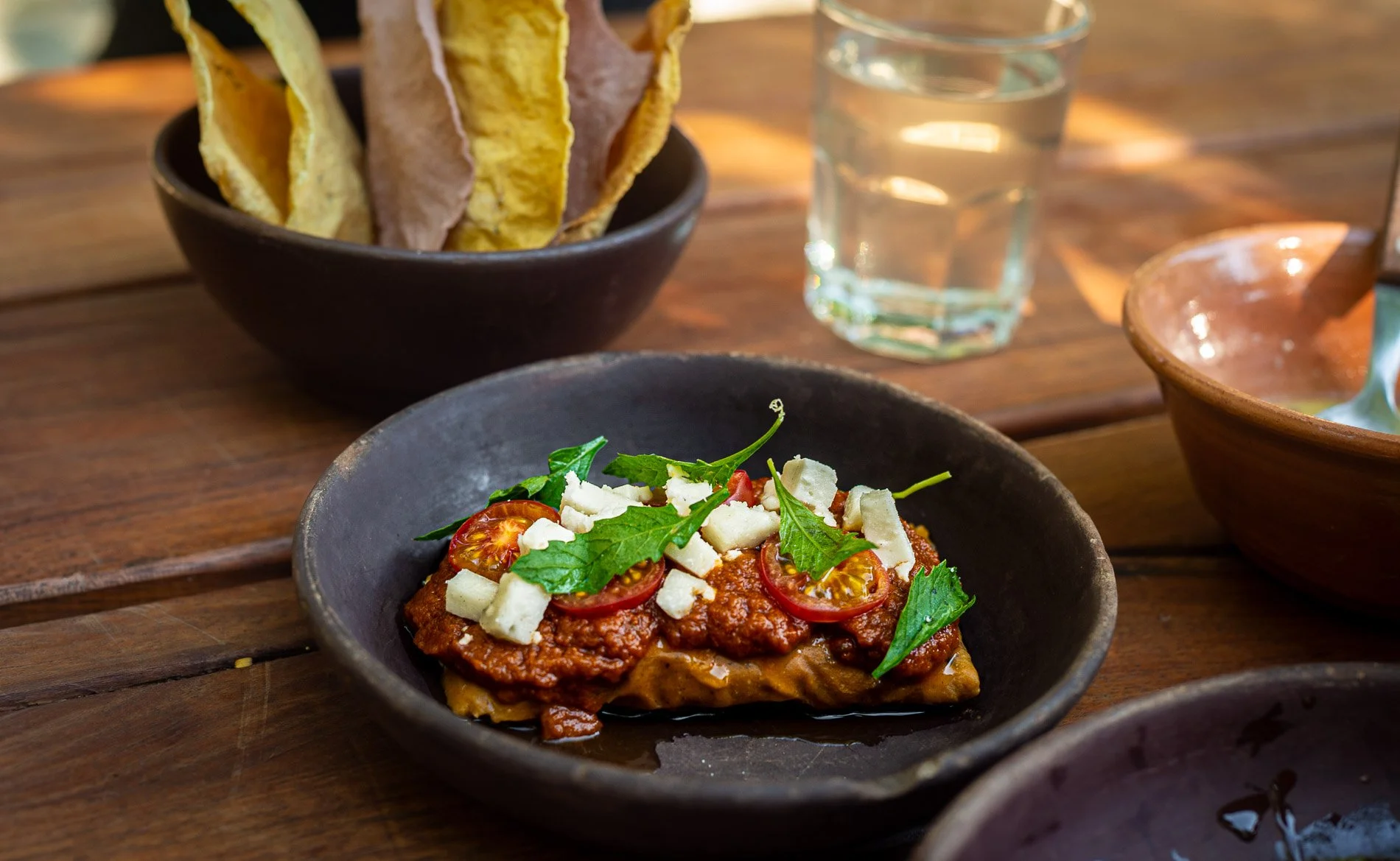
The prepared masa is then seasoned. Traditional bases include mole, fried beans, or reduced tomato puree. At Criollo, we worked through all three.
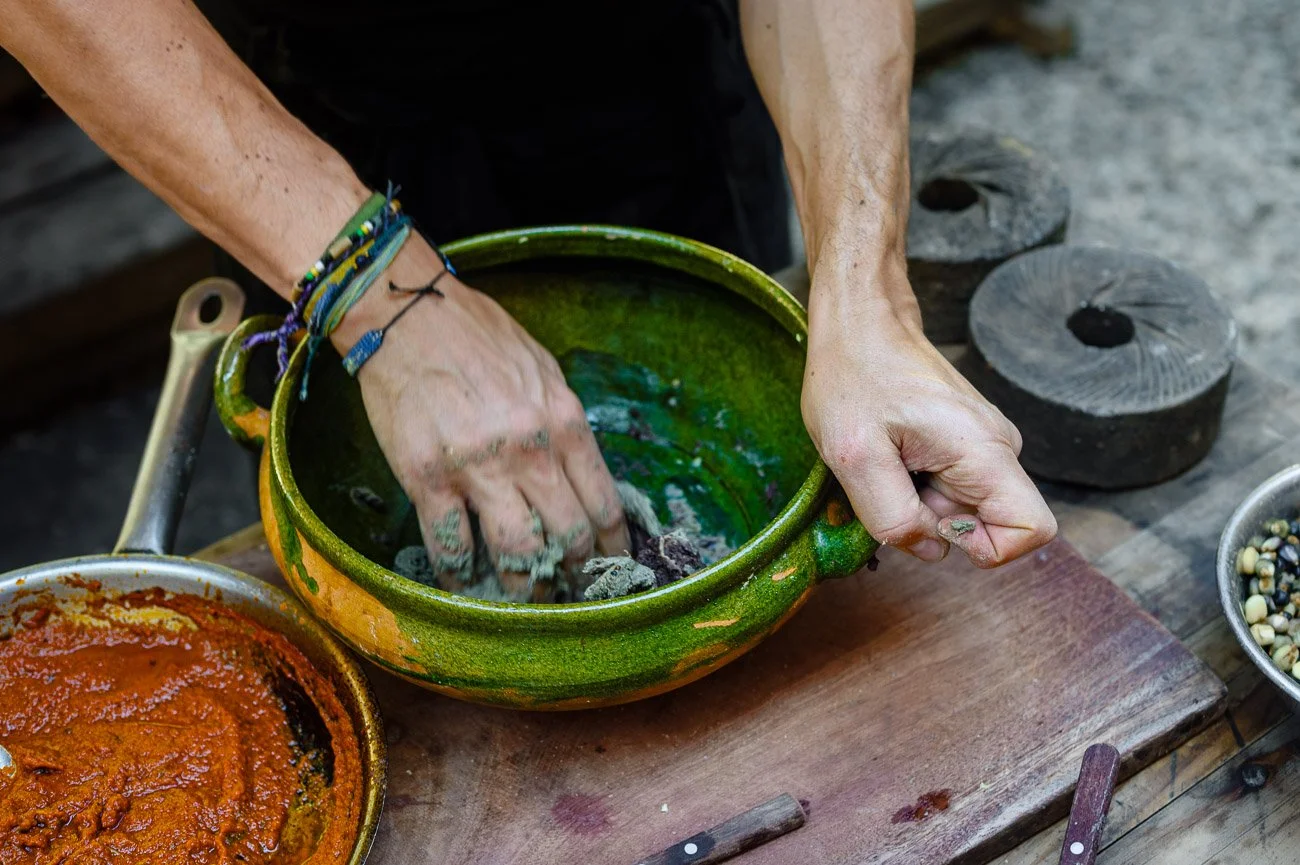
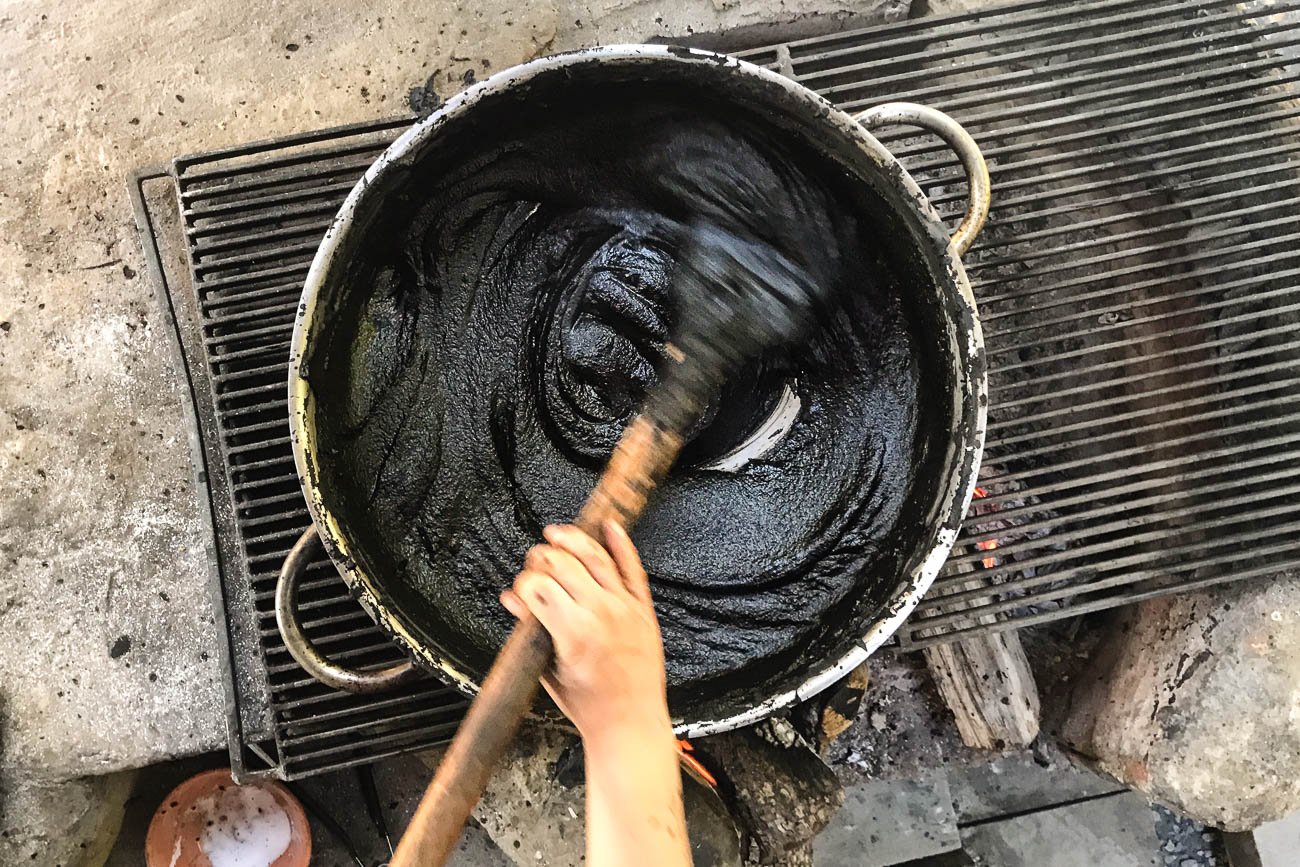
For the refried beans: Beans are first cooked in water until tender. Separately, the onion and garlic are sautéed until the onions become soft and are cooked beyond the translucent stage, just before they start to colour. When ready, the cooked beans are mixed with the onion and garlic, along with toasted hoja santa, and passed through a mill to create a smooth paste. This mixture is then cooked again, allowing it to thicken and develop a richer, deeper flavour.
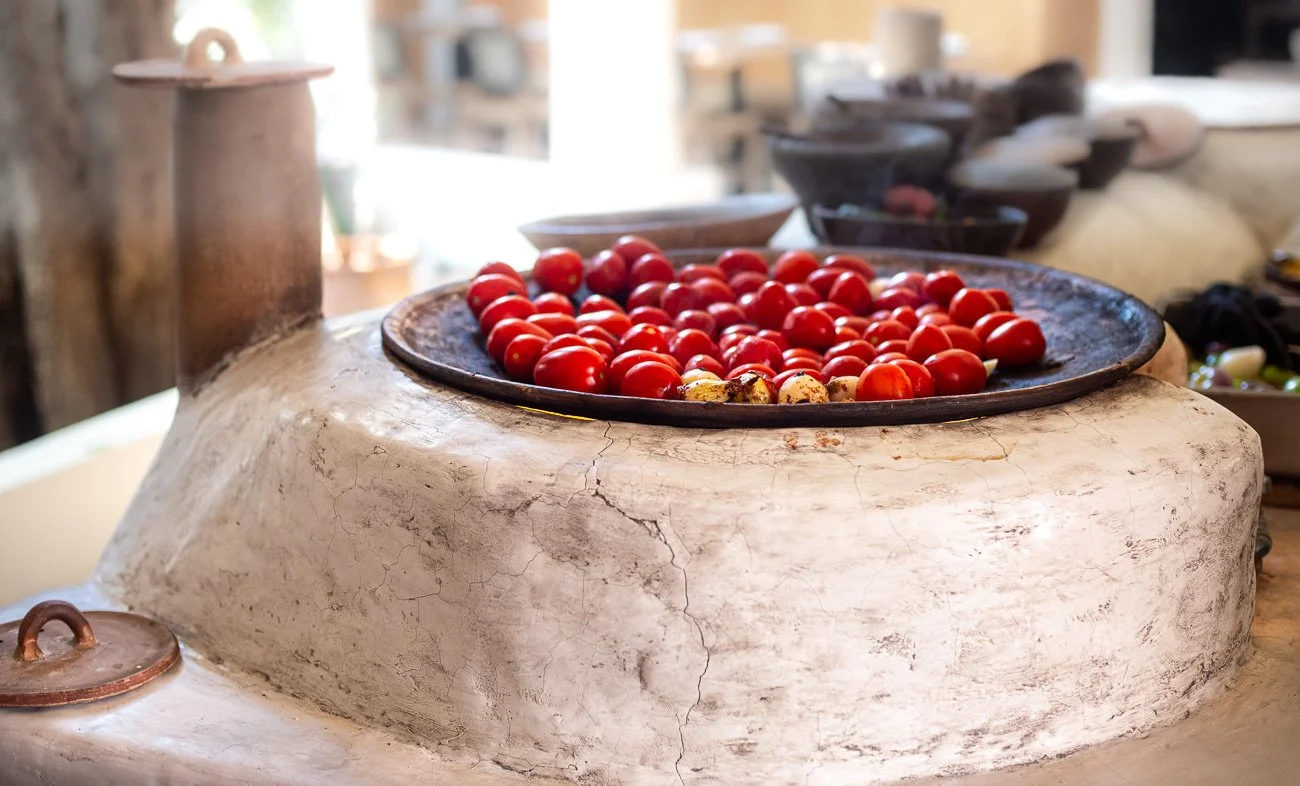
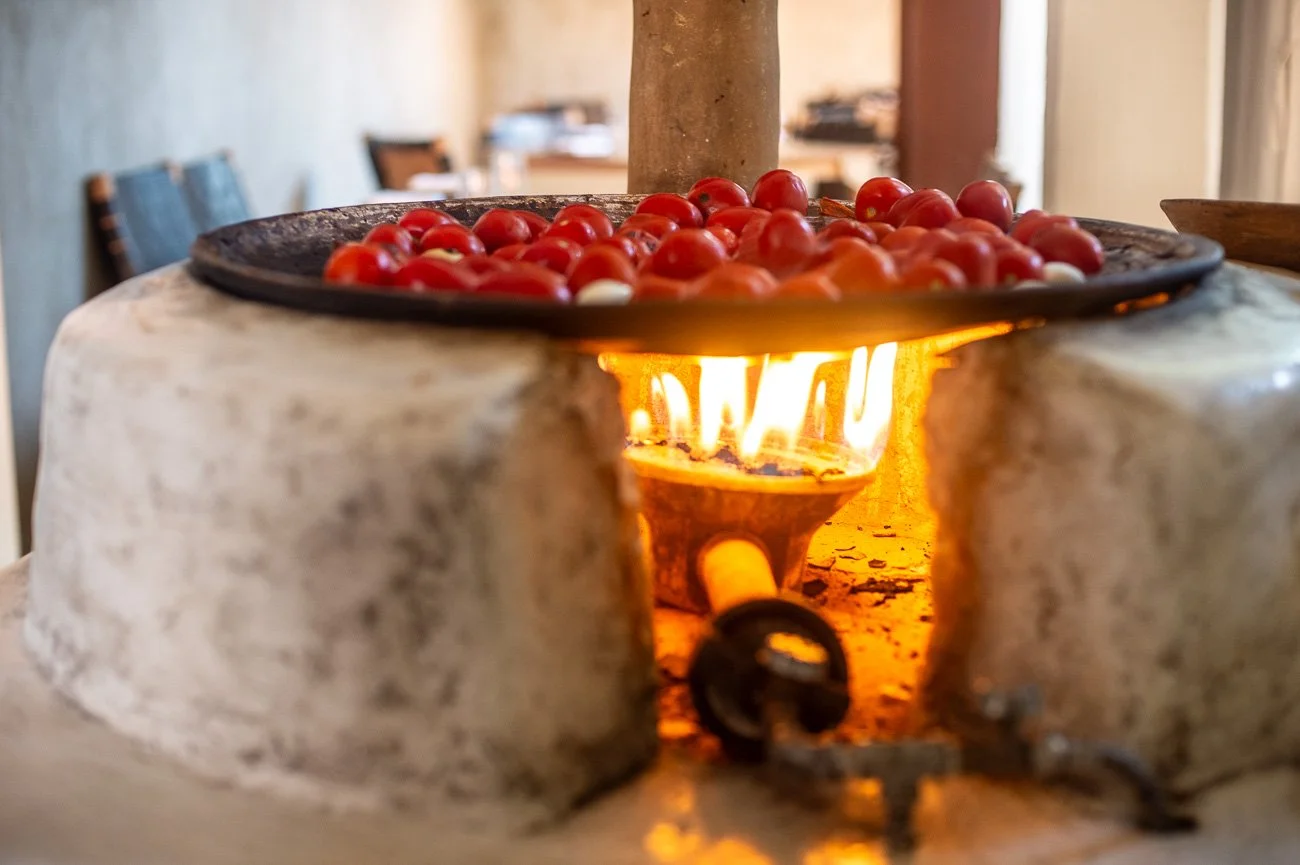
The tomatado is prepared by charring the tomatoes on the comal, then peeling them and puréeing with previously sautéed onions and garlic. The mixture is then cooked with thyme and oregano, reducing it to a rich paste. If using chiles, they are added already puréed towards the end of the reduction to better control the heat.
Method
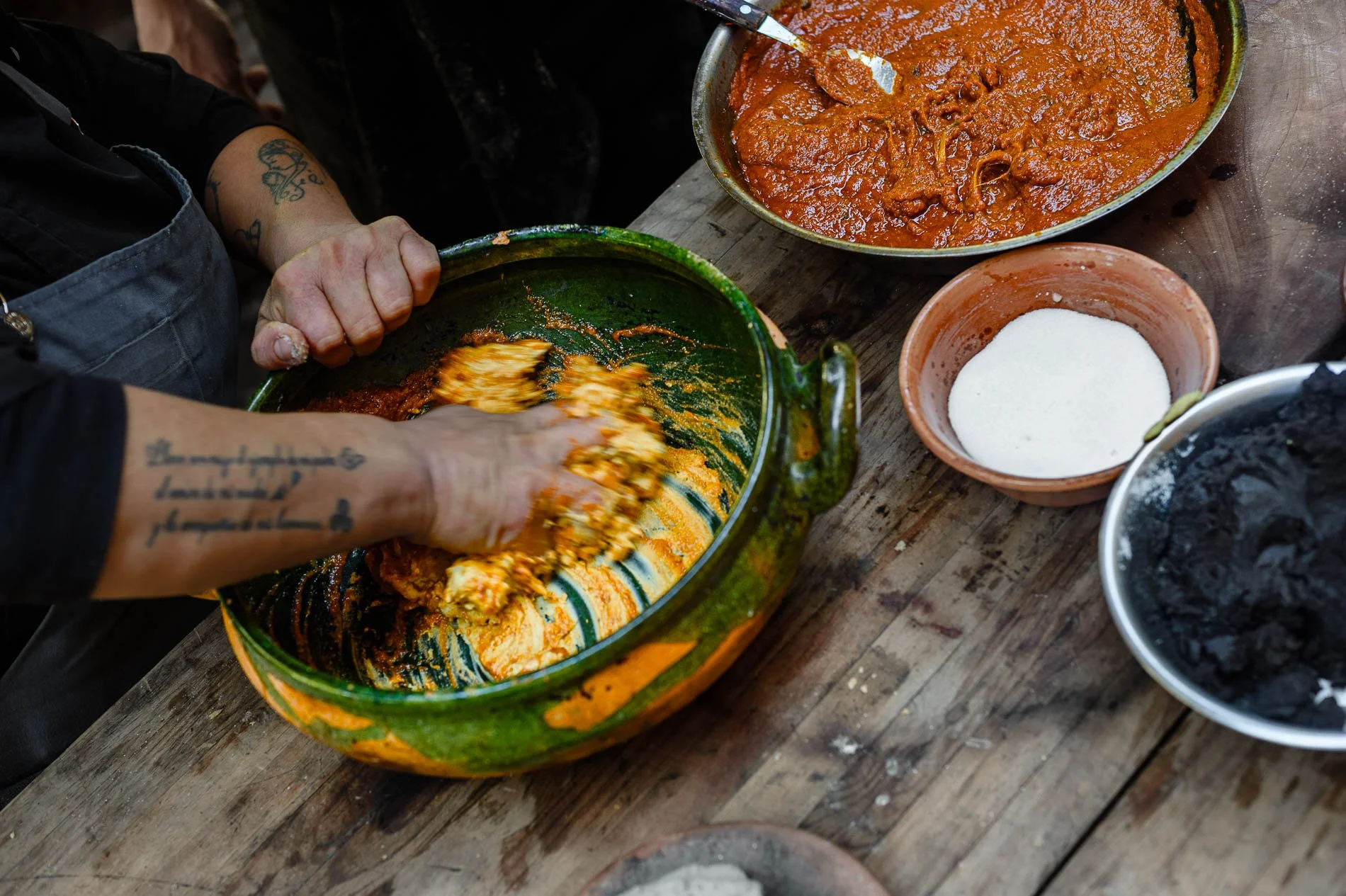
Knead the masa by hand, gradually incorporating one of the bases above a little at a time, fully working it in until the mixture is smooth and cohesive. Season with salt as you go. Repeat the process until you’re happy with the flavour.
The mixture should be sticky but not runny. A little oil can also be added if necessary; this helps to keep the masa soft and prevents it from drying out during steaming, especially if the base is thick. The fat coats the masa and limits how tightly the starches bind. Traditionally, if there is fat in tamales, it comes from lard.Totomoxtle /corn husks are soaked in warm water for about ten minutes, then dried.
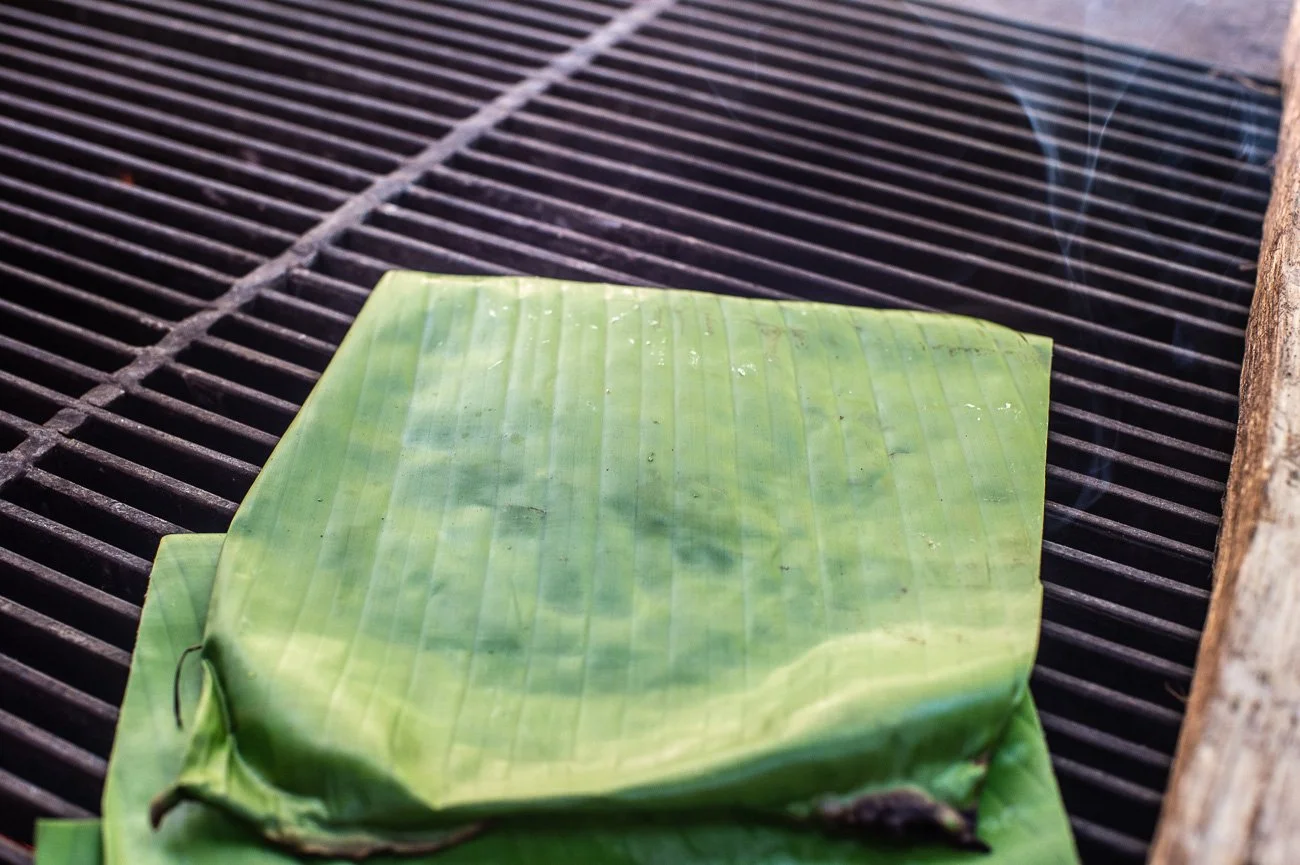
Banana leaves are passed over heat to increase flexibility, either over a grill or by steaming.
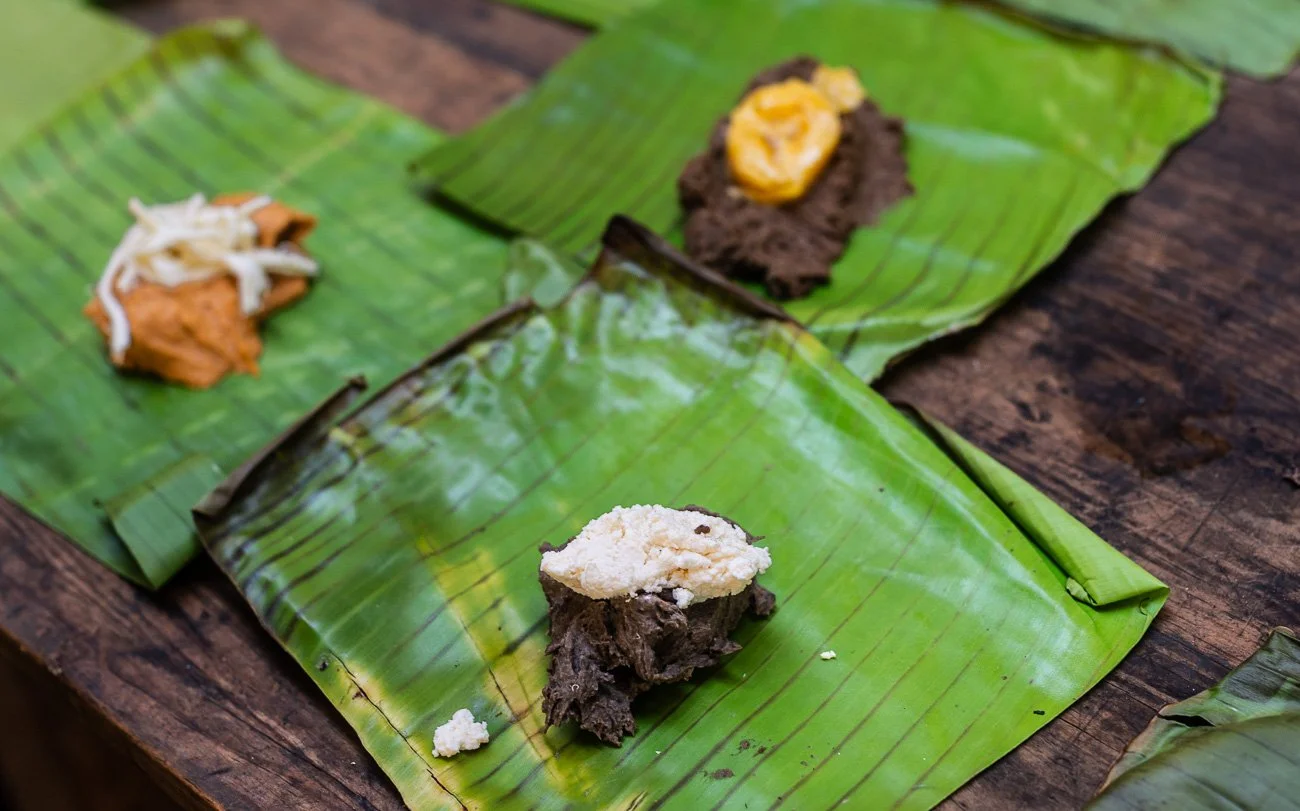
The masa is spooned into the centre of the wrapper.
Layer fillings such as cheese, chicken, or mushrooms, then cover them with more masa mixture to lock them in.
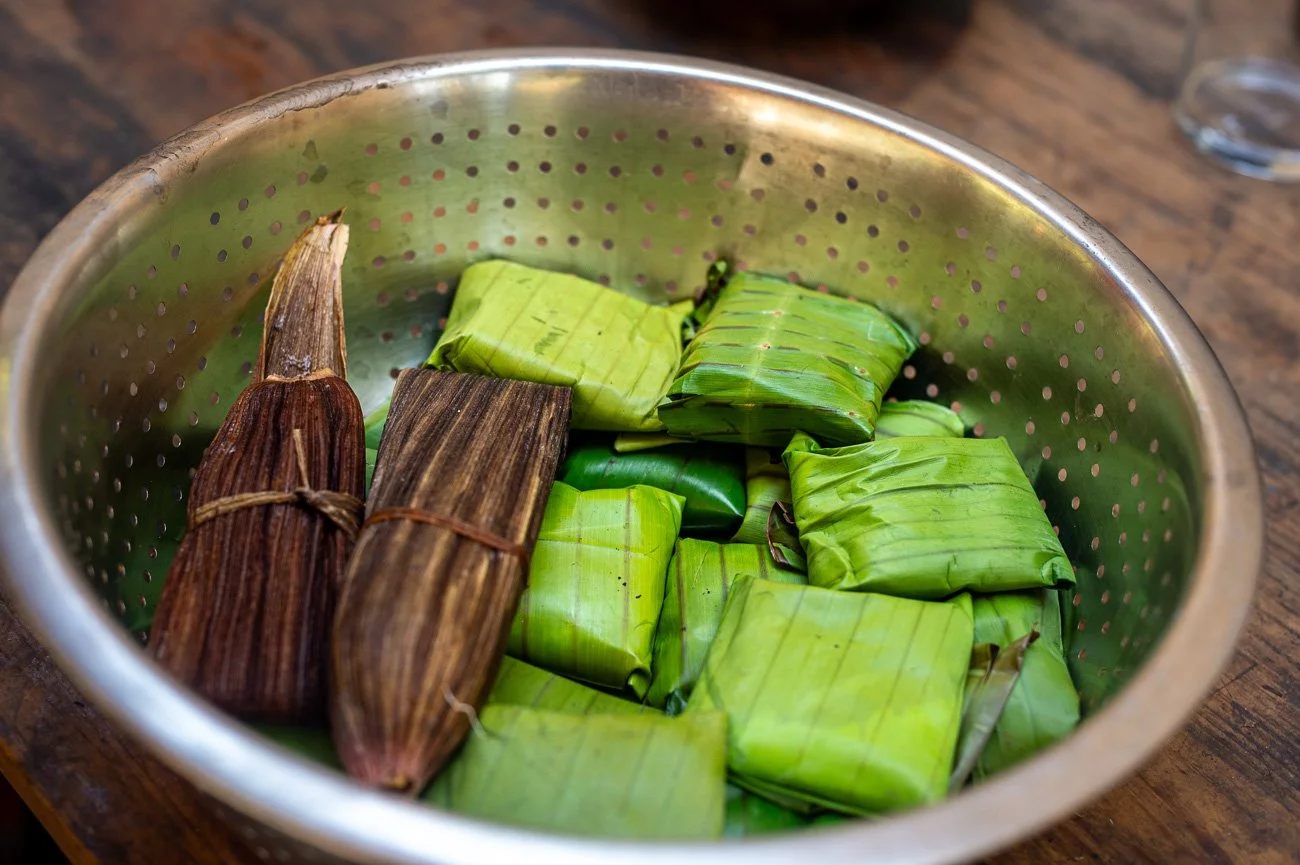
Then, fold the wrapper and steam it until fully cooked.
Masa extends far beyond tortillas and tamales. Across Mexico, and especially in Oaxaca, it takes on countless forms, each shaped by region, habit and memory.
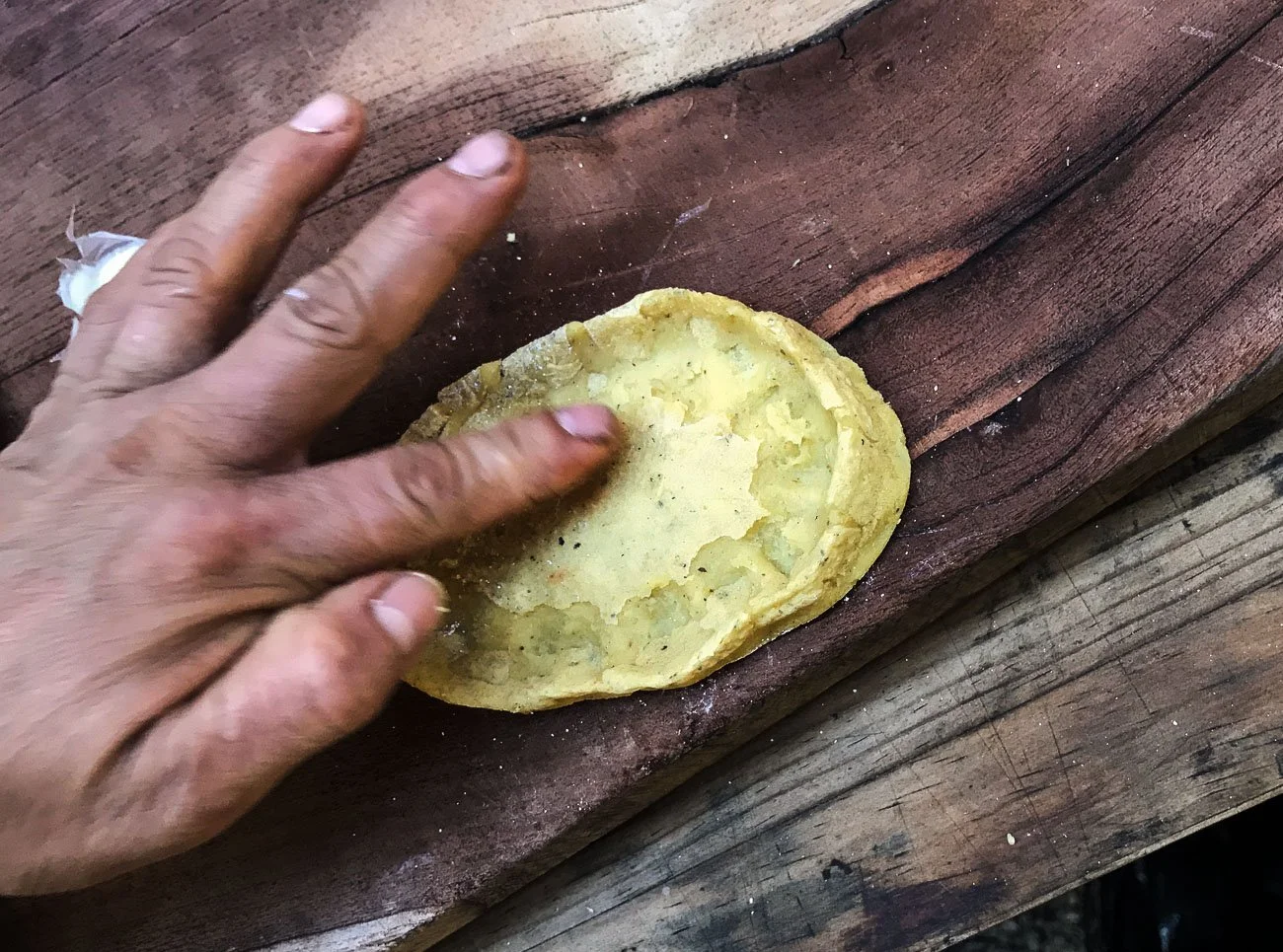
Gorditas: thick rounds of masa cooked on the comal, then split and filled, resembling small corn pockets. They are often mistaken for Salvadoran pupusas, which are stuffed before cooking.
Huaraches or Guarachitos are delicious, elongated, sandal-shaped bases, thicker than a tortilla. They are generously spread with beans and topped with layers of meat, cheese, salad, and salsa. Typically cooked on the comal, they are often finished with a light fry.
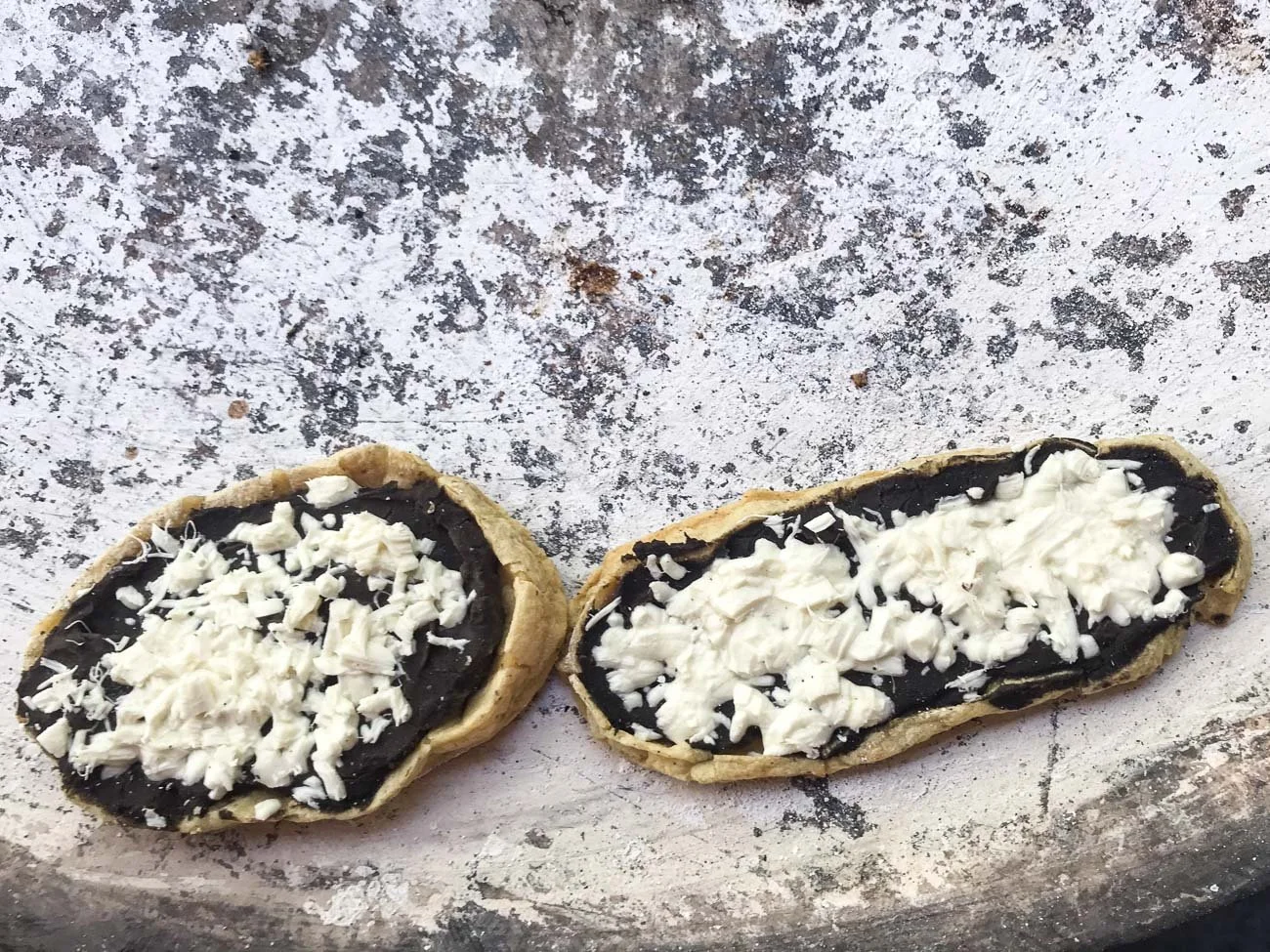
Memelas are cooked on the comal and are the Oaxacan take on sopes. Thinner, flatter, open-faced masa patties, typically oval in shape, with a subtle pinched rim. Topped with simple ingredients like asiento, beans, salsa, and crumbled cheese.
Sopes: small, thick and dense circular bases with a pinched rim designed to hold beans, salsa, cheese and crema; cooked on the comal and often finished with a light fry.
Tlacoyos: oval-shaped masa cakes, typically filled before cooking, most often with beans; cooked on the comal and sometimes lightly fried.
→ Continue the class
Criollo
01 951 320 07 09
Calzada Madero 129 - Oaxaca de Juárez.
info@criollo.mx
