Sighișoara the Mideval Citadel in Transilvania
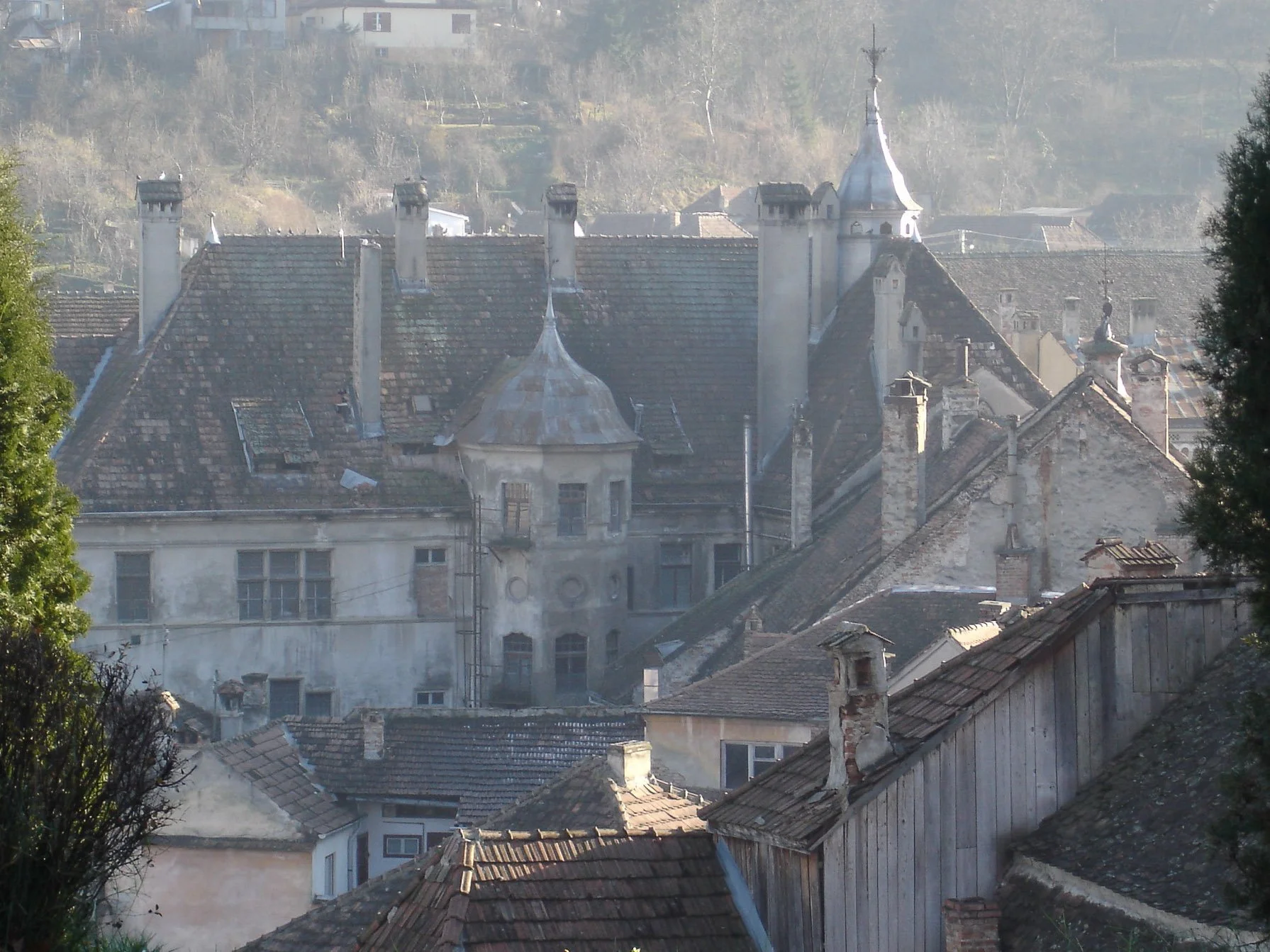
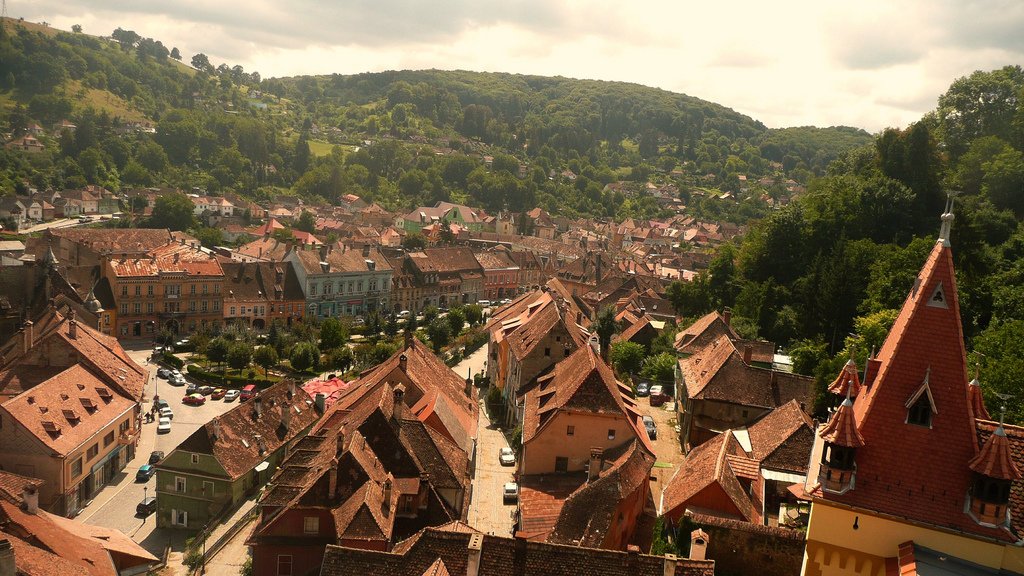
Sighișoara unfolds in two distinct areas. Below, the lower town follows the curve of the Târnava Mare River, practical and inhabited. Above, the medieval citadel crowns the hill, enclosed by walls and time, a medieval world that has never entirely relinquished its hold on the present.
The fortified upper town developed in the twelfth and thirteenth centuries, built by Saxon colonists who settled in Transylvania and tasked with guarding the eastern borders of the Hungarian kingdom. Within its walls, Saxon, Hungarian, and Romanian craftsmen worked side by side. Their coexistence left its mark not only on daily life but also on the language itself. The town was known by three names: Schässburg, Sighișoara, and Segesvár.
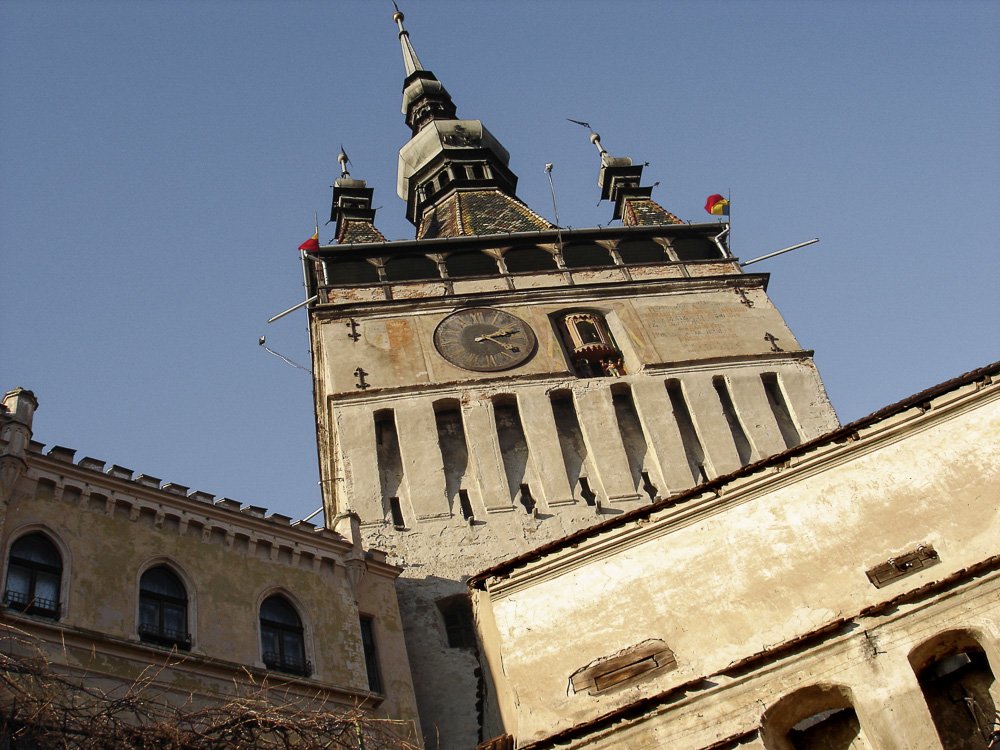
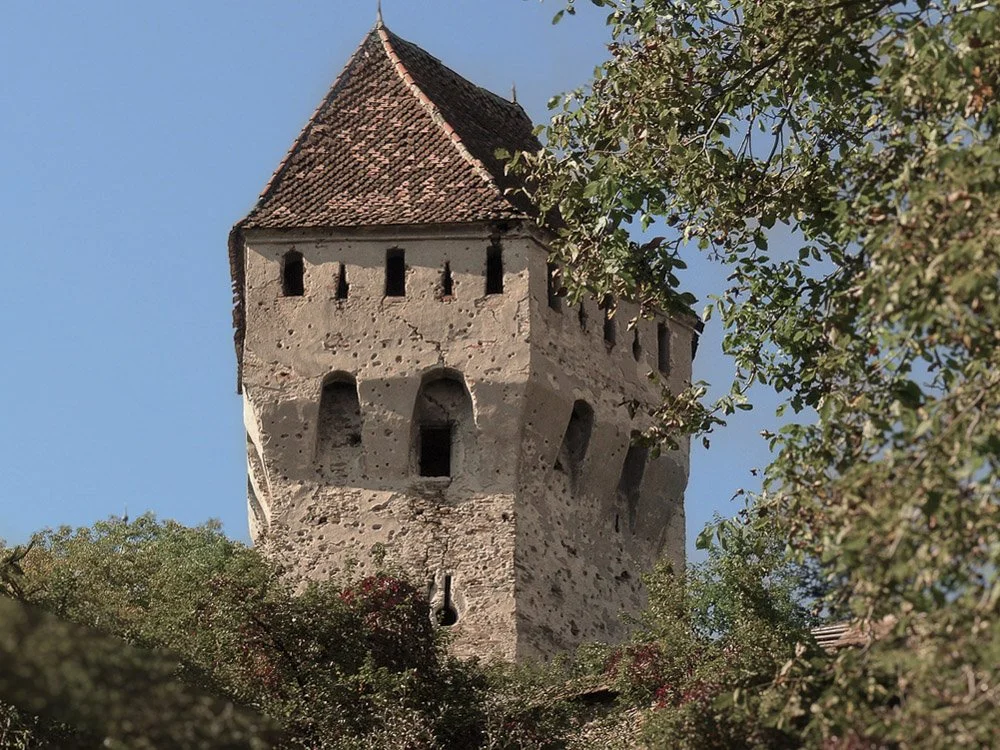
Craft guilds once organised the defence of the citadel, each responsible for a tower along the walls. Nearly a kilometre in length, the fortifications originally had seventeen towers. Nine remain. Of these, the Clock Tower still dominates the skyline, both sentinel and symbol.
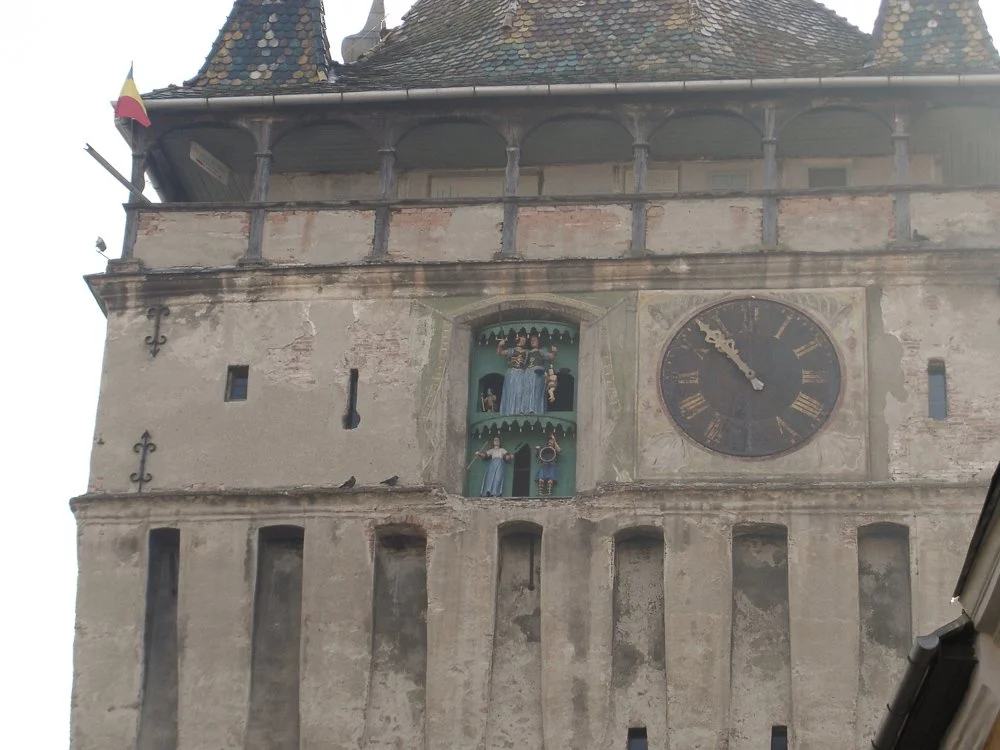
Turnul Porții, the Gate Tower, was built in 1360 and stands sixty metres above the hill. After 1604, when a wooden mechanism clock was added, it was renamed Turnul cu Ceas, the Clock Tower. Today, it houses the History Museum and offers sweeping views over tiled roofs and distant hills. Its clock mechanism animates carved wooden figures arranged in tiers; justice and fairness serve as protectors of civic independence. A brazier marks the hour, and a solitary figure warns visitors of the severity of the death penalty once imposed here. Above, pagan gods representing the days of the week include Diana, Mars, Mercury, Jupiter, Venus, Saturn, and the Sun. Over the centuries, this tower has also functioned as a council chamber, archive, and treasury before receiving its current name in the seventeenth century.
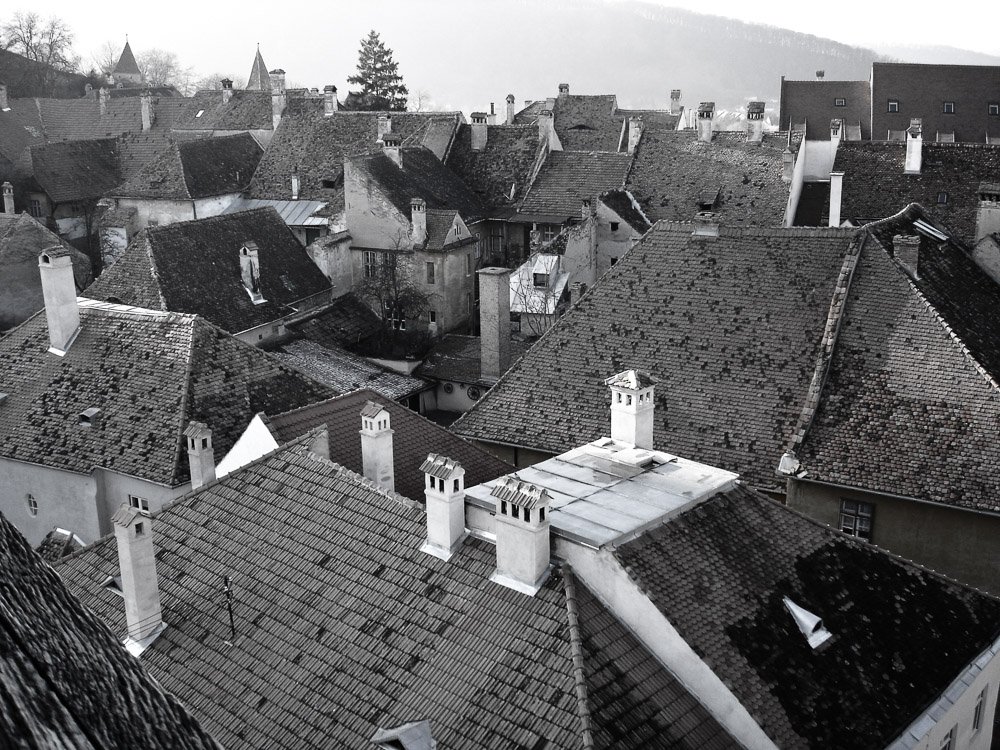
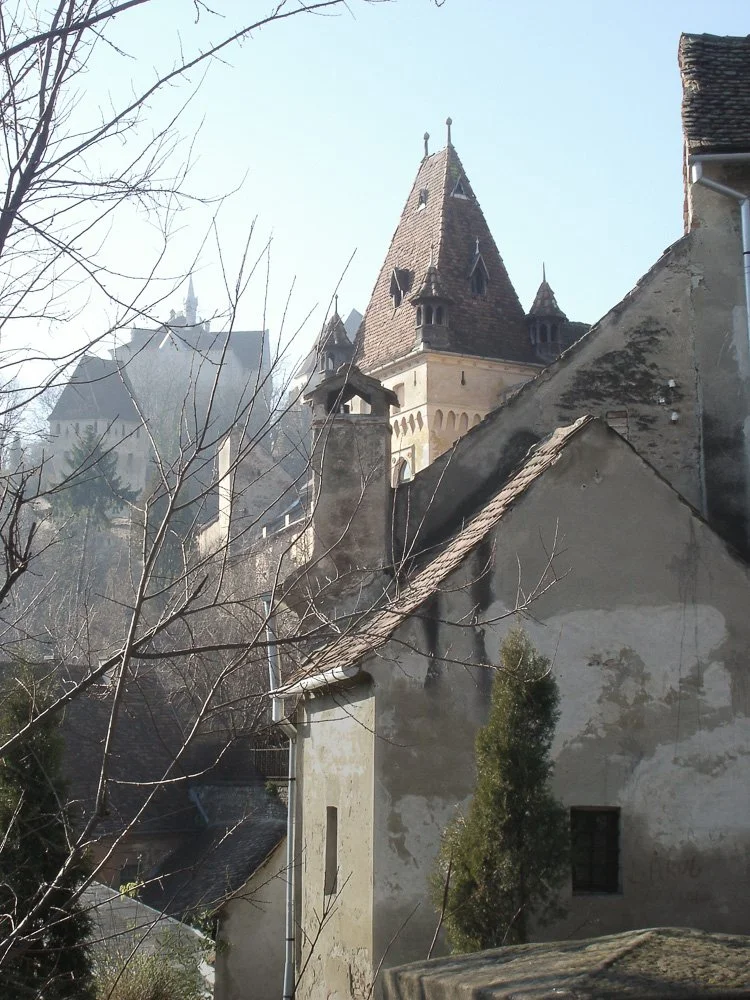
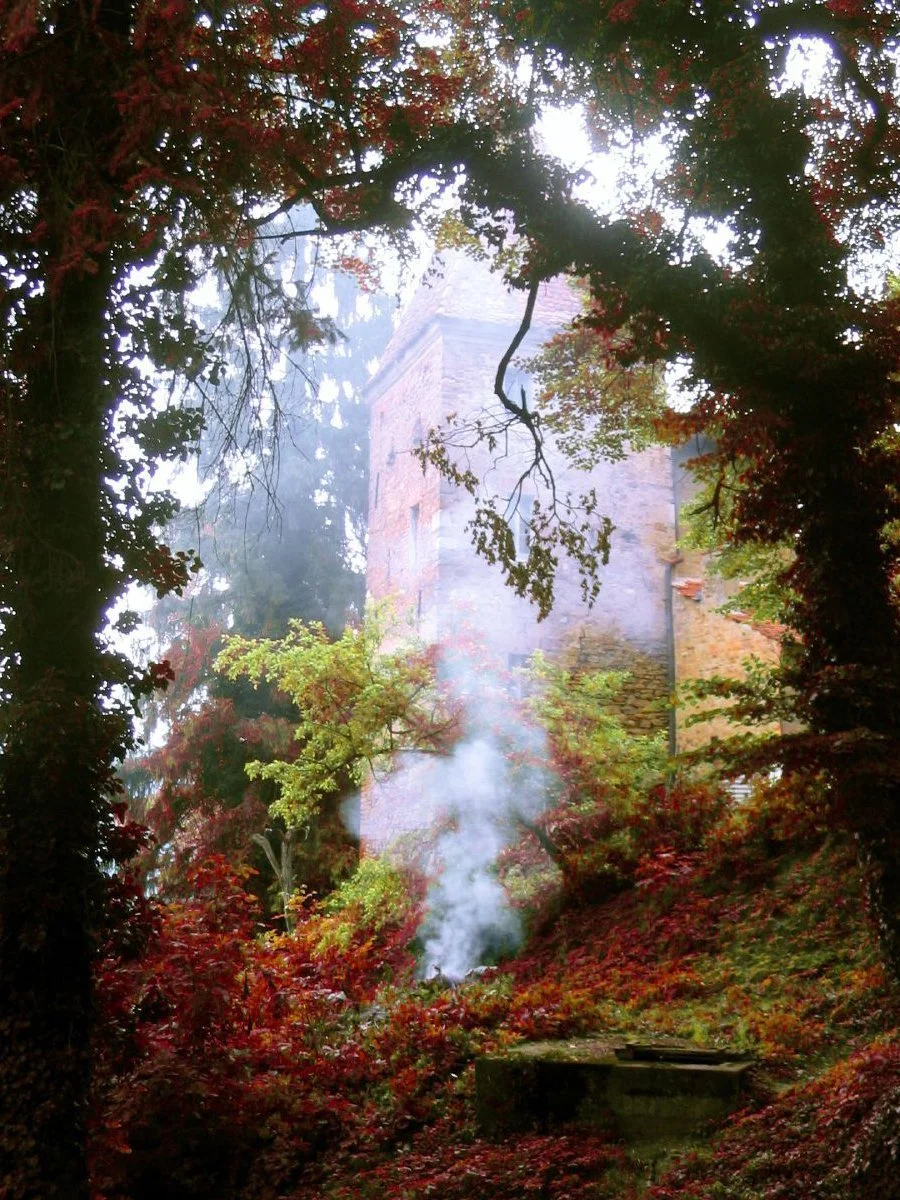
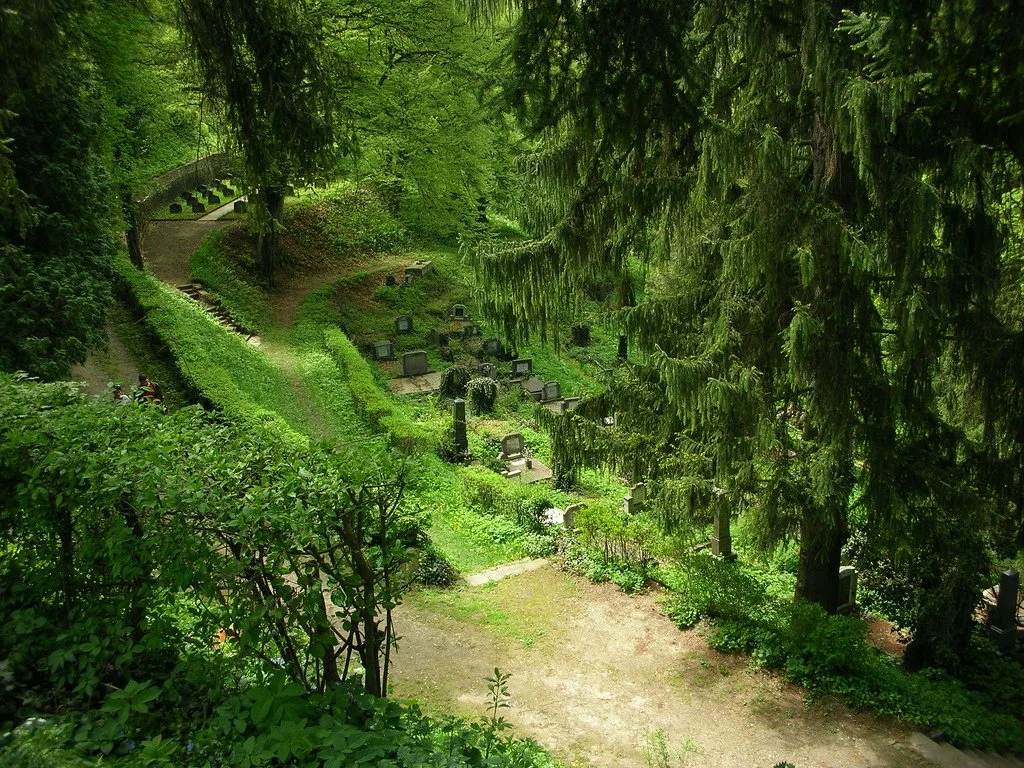
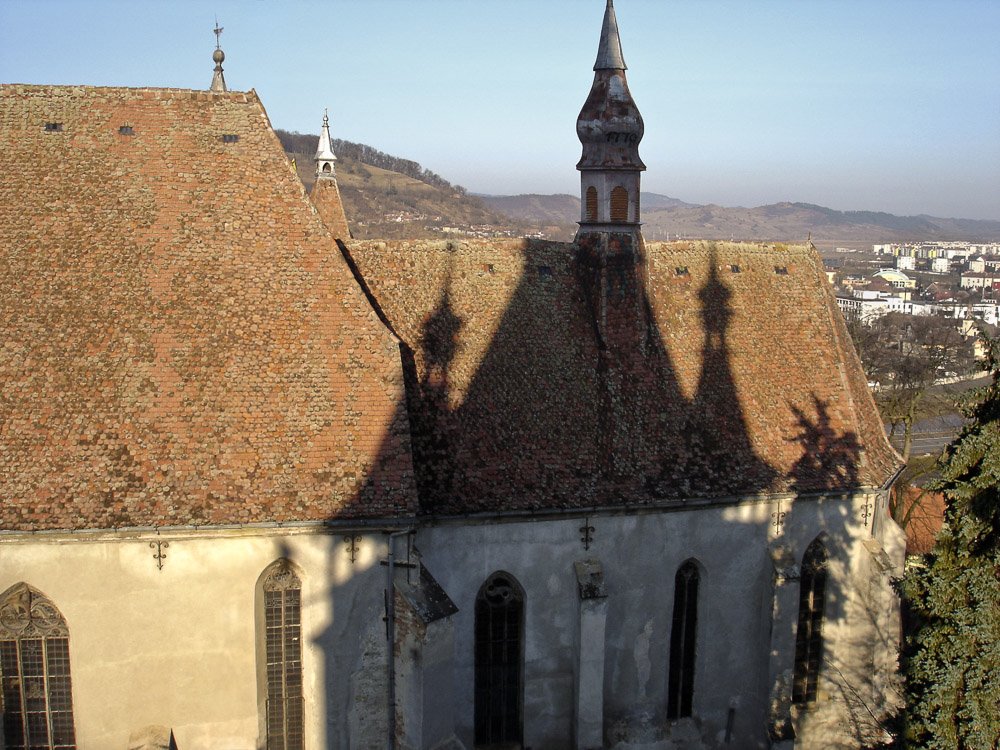
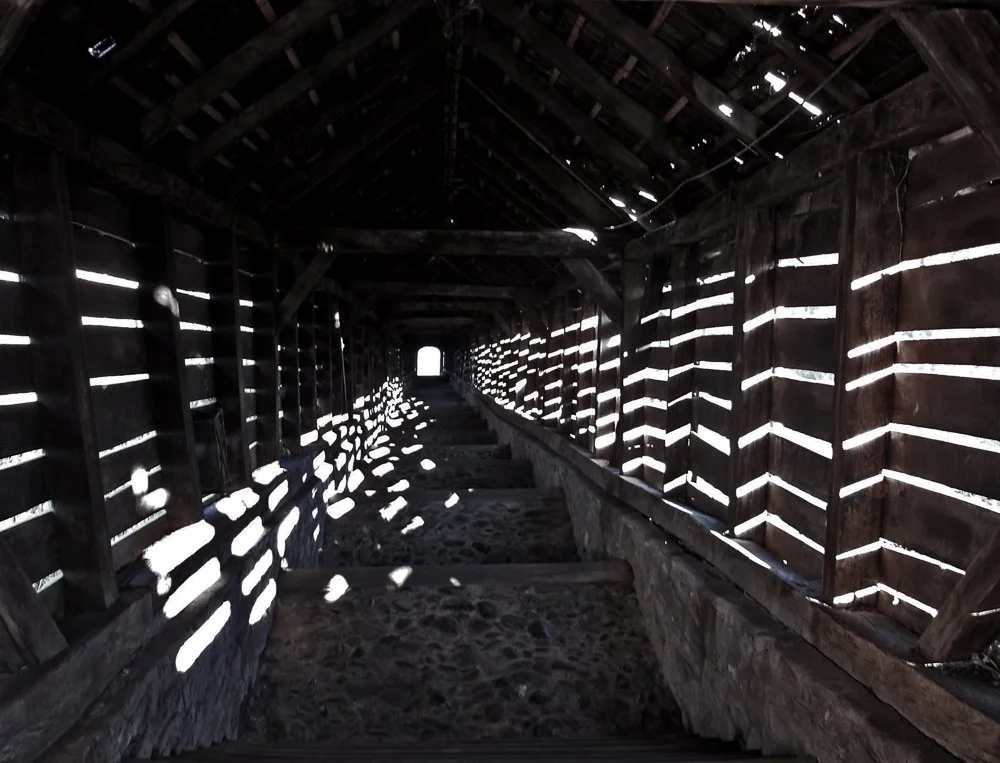
A covered wooden staircase ascends the hill towards the Church and its adjacent cemetery, the roof darkened by centuries of use. The climb feels ceremonial rather than strenuous. Nearby stands Turnul Croitorilor, the Tailors’ Tower, dating back to the fourteenth century. It once served as a secondary entrance to the citadel before a fire in 1676, when stored gunpowder ignited. Rebuilt three years later, its north-west corridor later became a powder store.
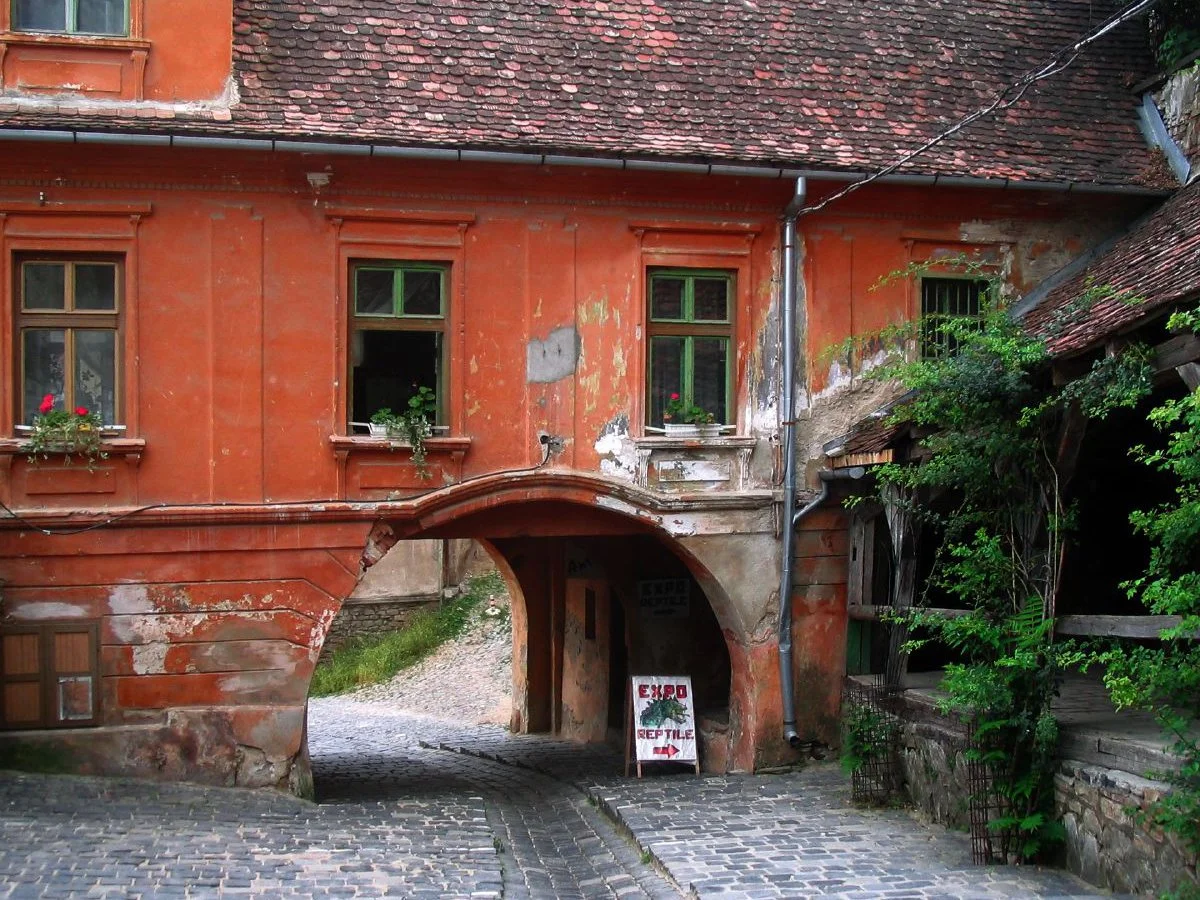
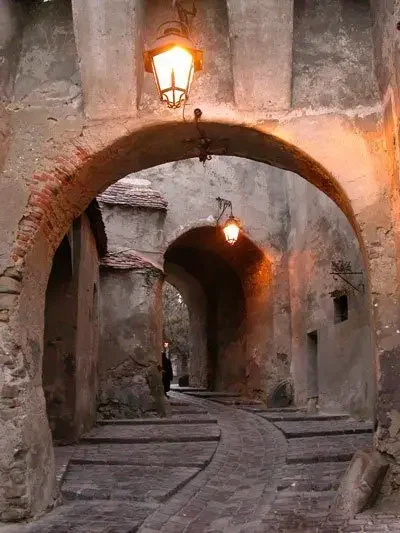
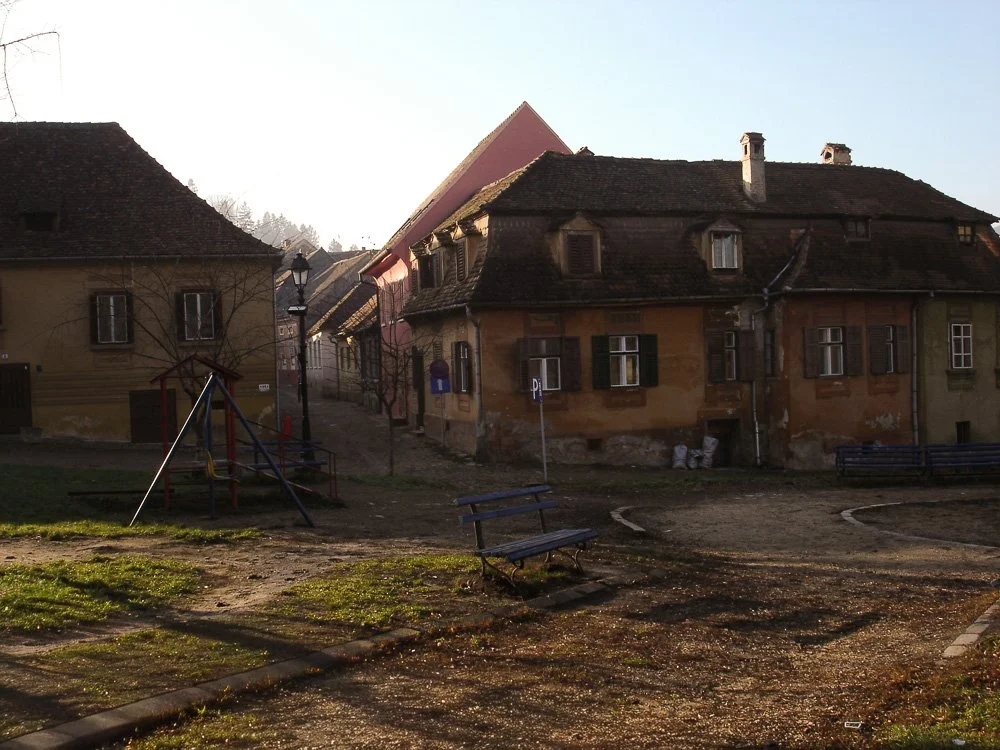
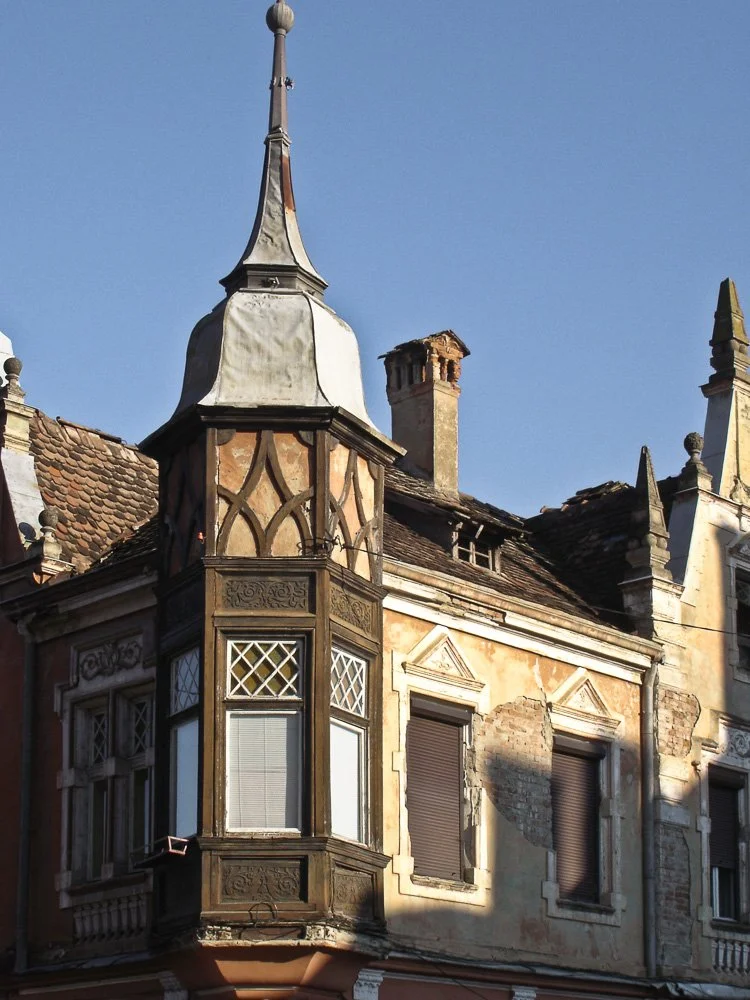
Sighisoara is considered the most beautiful and best-preserved inhabited citadel in Europe, with genuine medieval architecture. Life has never truly left its streets; it has simply adapted. Pastel houses lean into narrow lanes, rooftops press close together, and the rhythm of daily life persists beneath watchful towers.
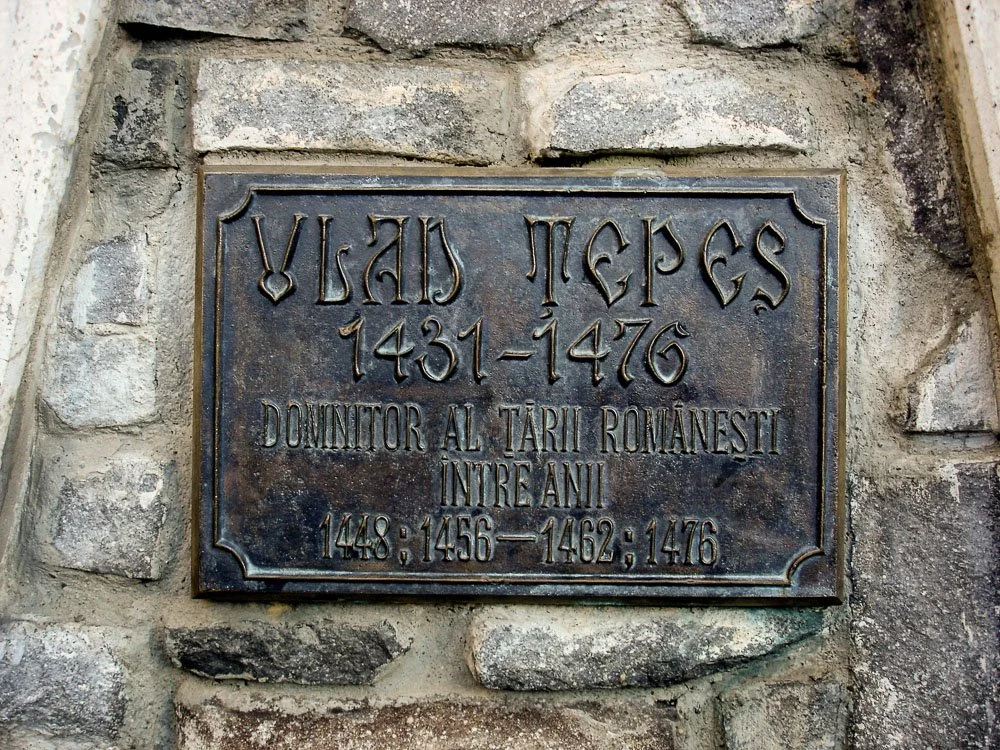
Sighisoara is also the birthplace of Romanian prince Vlad II Dracul, known as Vlad Ţepeş or Vlad the Impaler, whose notorious reputation for cruelty served as inspiration for Bram Stoker's Dracula. The name 'Dracula' translates to 'son of Dracul.' A residence located within the citadel, reputed to be his birthplace, is now a Dracula-themed restaurant.
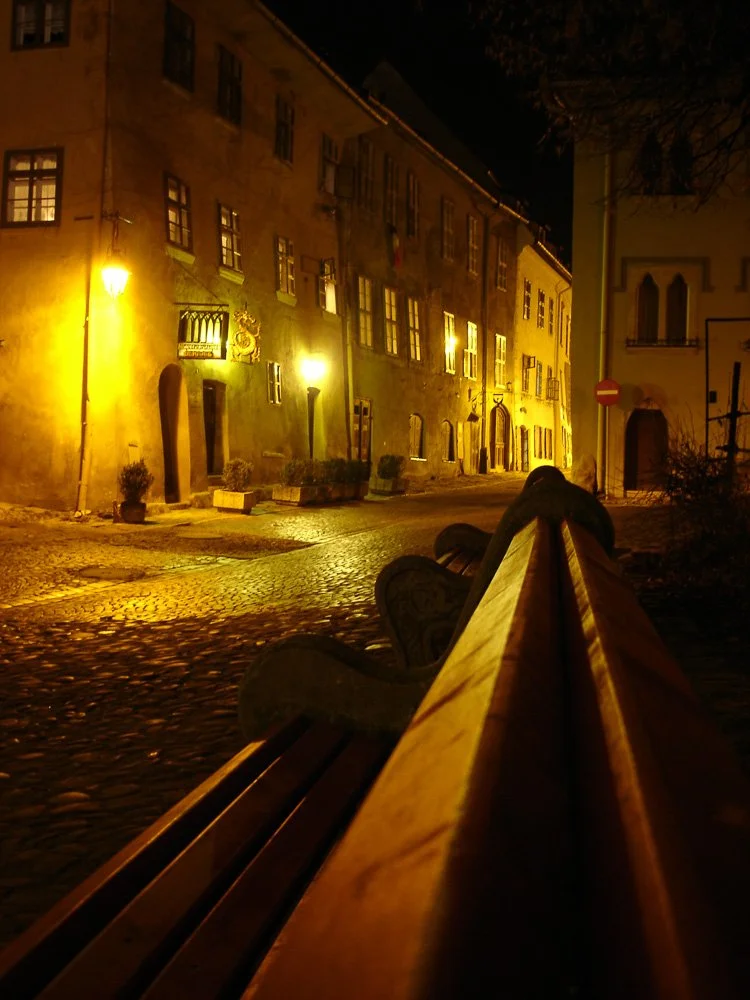
Winter strips the citadel back to its essentials. Fog mysteriously drifts through the streets, sound softens, and the town feels almost suspended. The absence of visitors at this time reveals a gentler intimacy, though many shops and restaurants close during this season, limiting options.
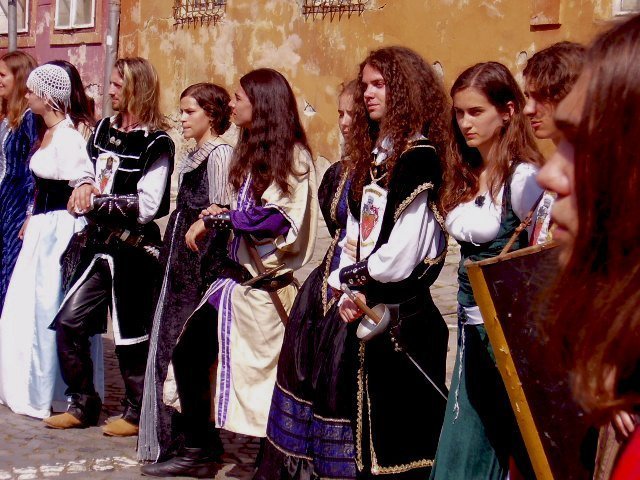
Summer brings its own energy; in July, the citadel hosts its Medieval Art and Theatre Festival, when costumes, music, and performances briefly transport the town to an imagined past. Proetnica follows with celebrations of cultural diversity, filling the streets with parades, dance, concerts, dialogue, and colour.
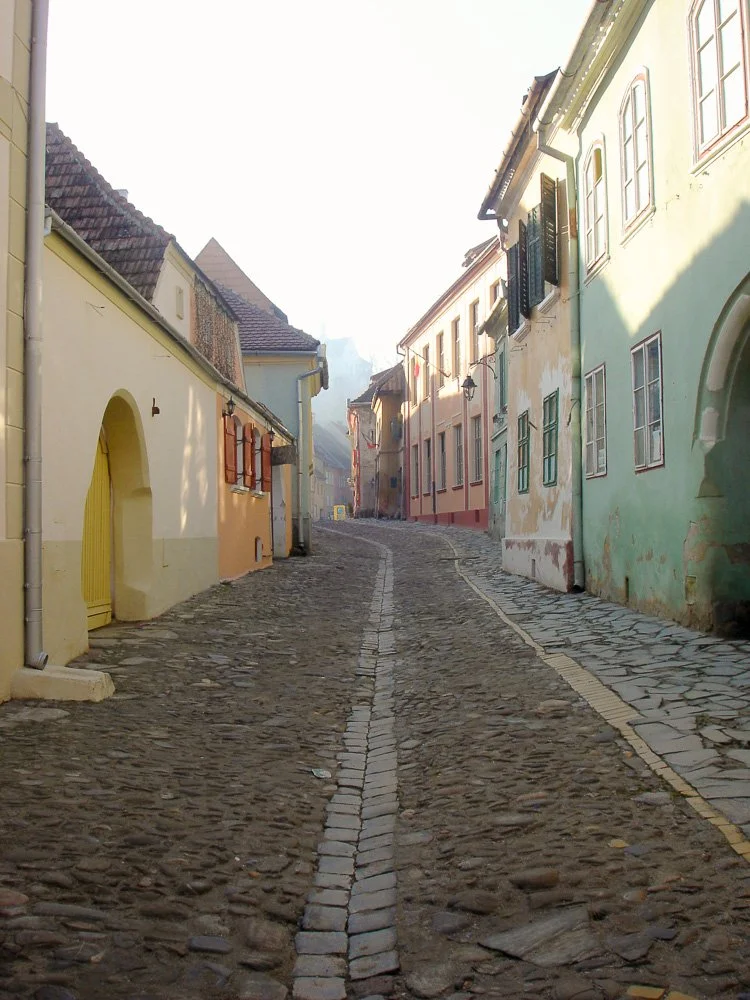
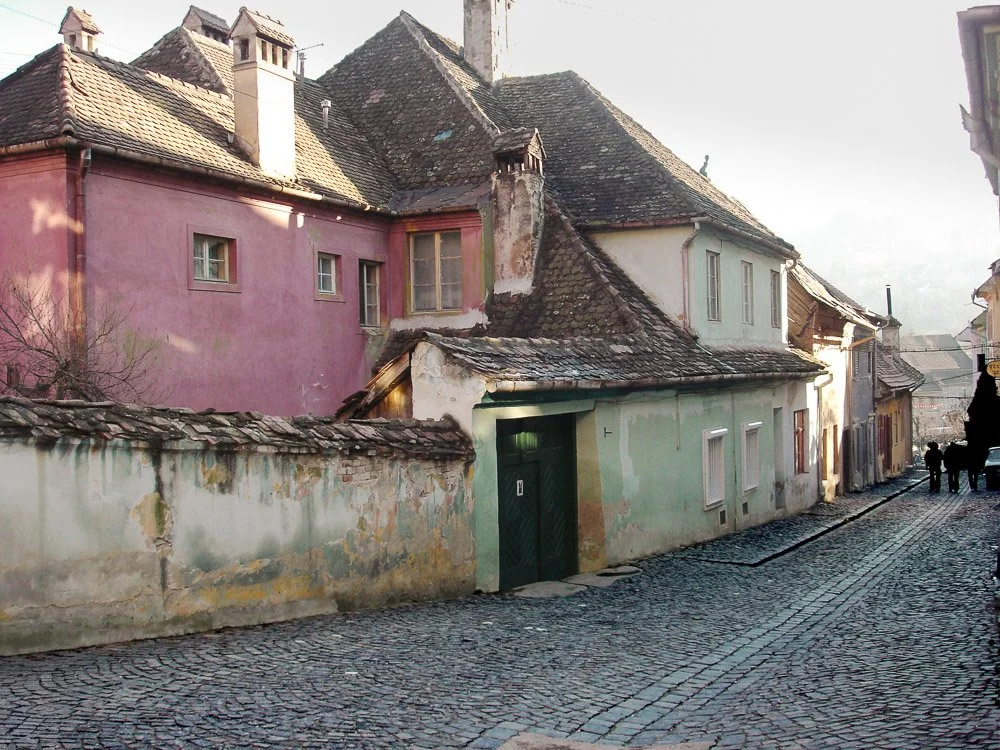
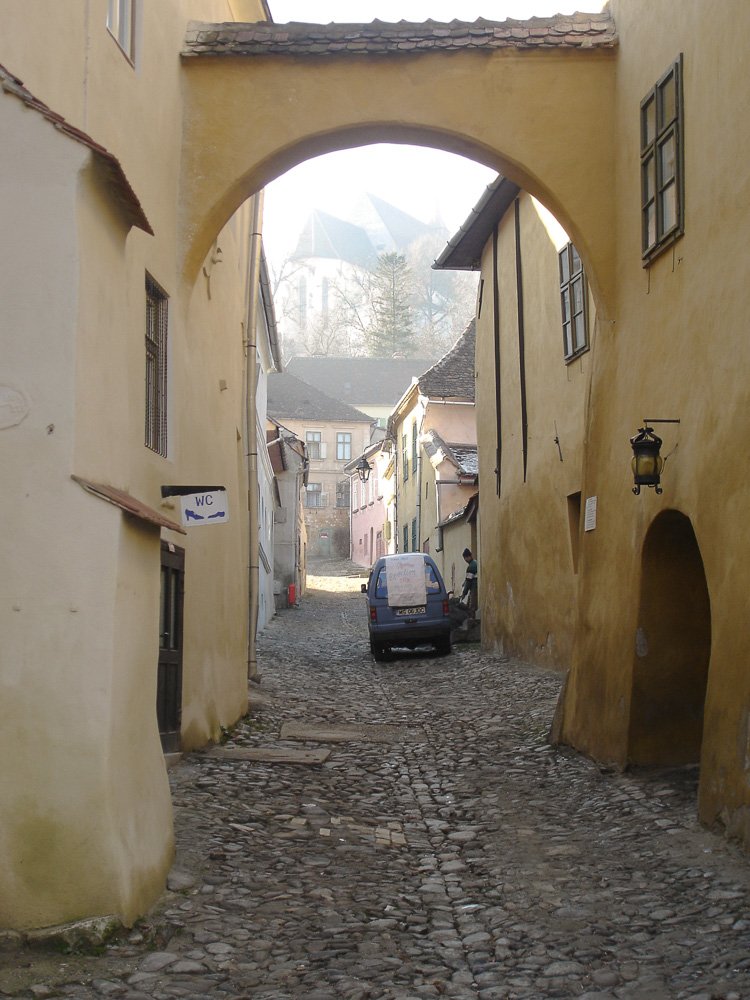
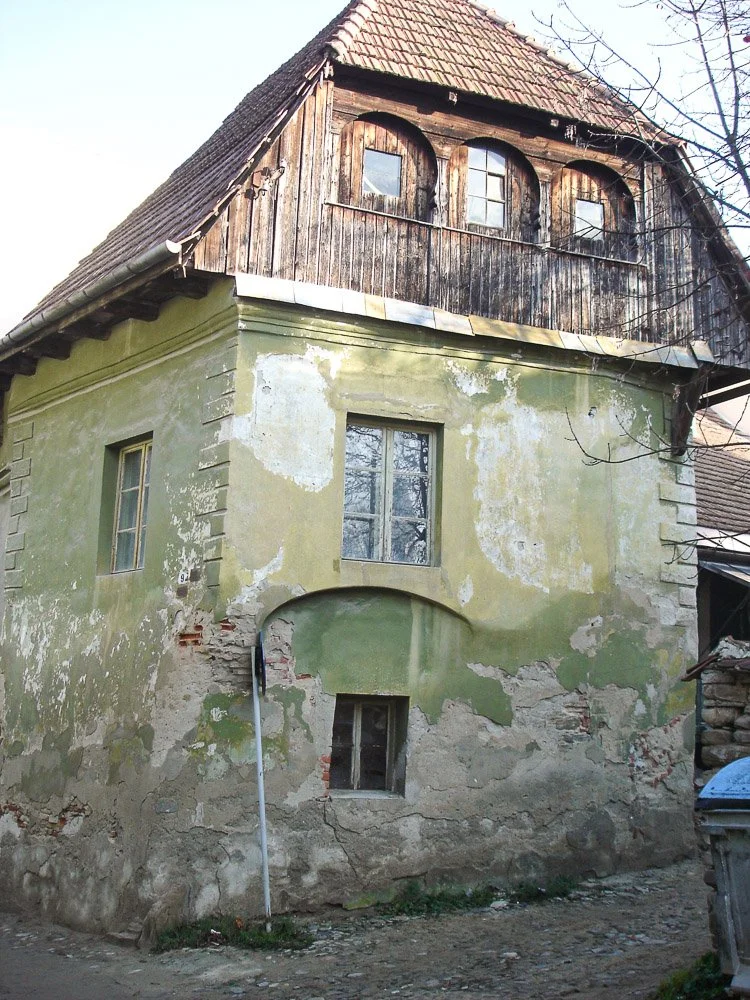
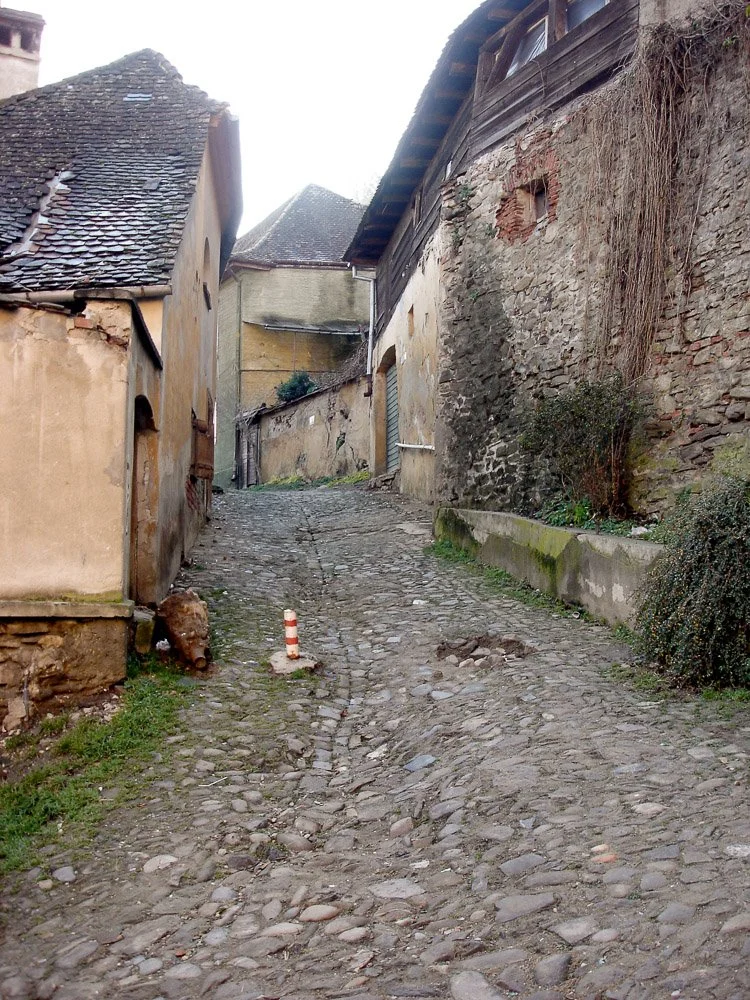
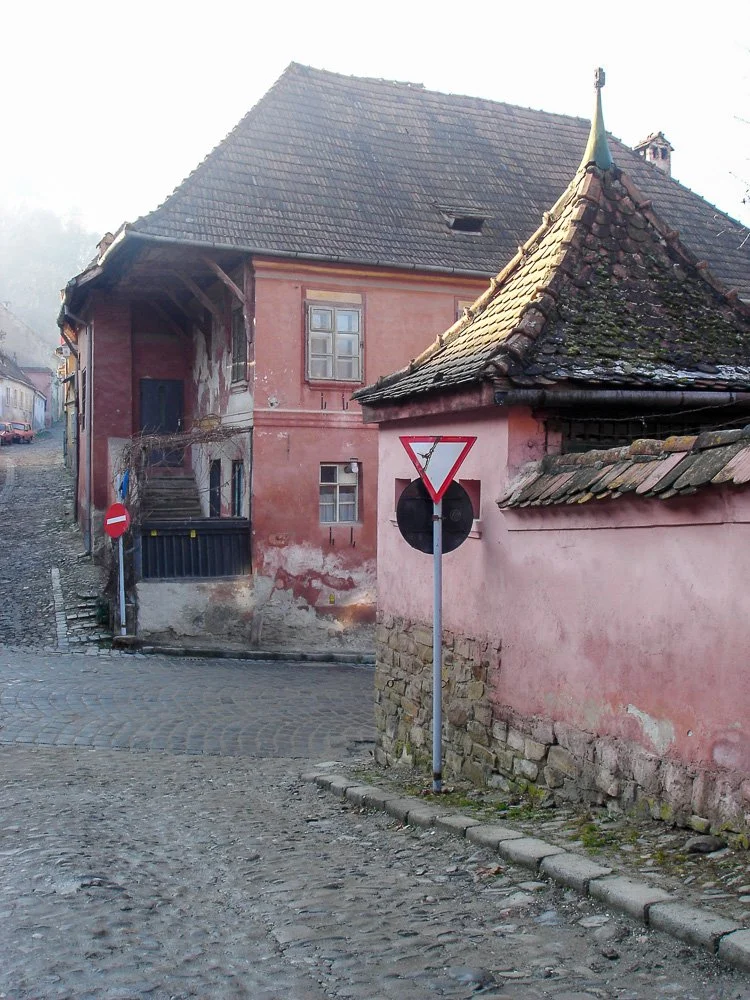
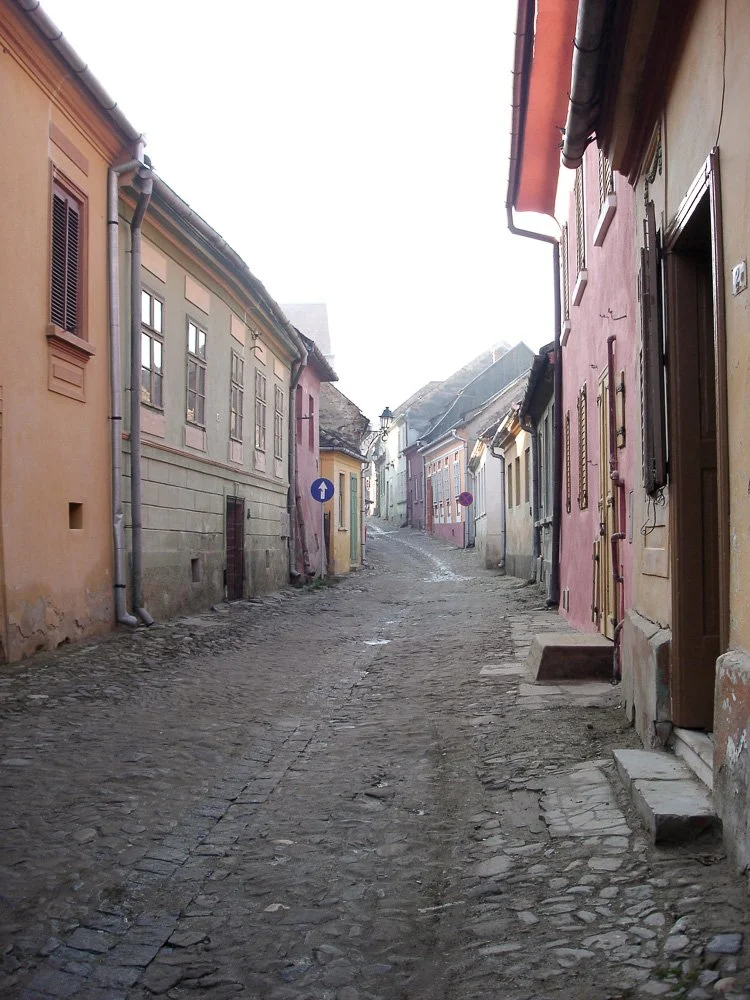
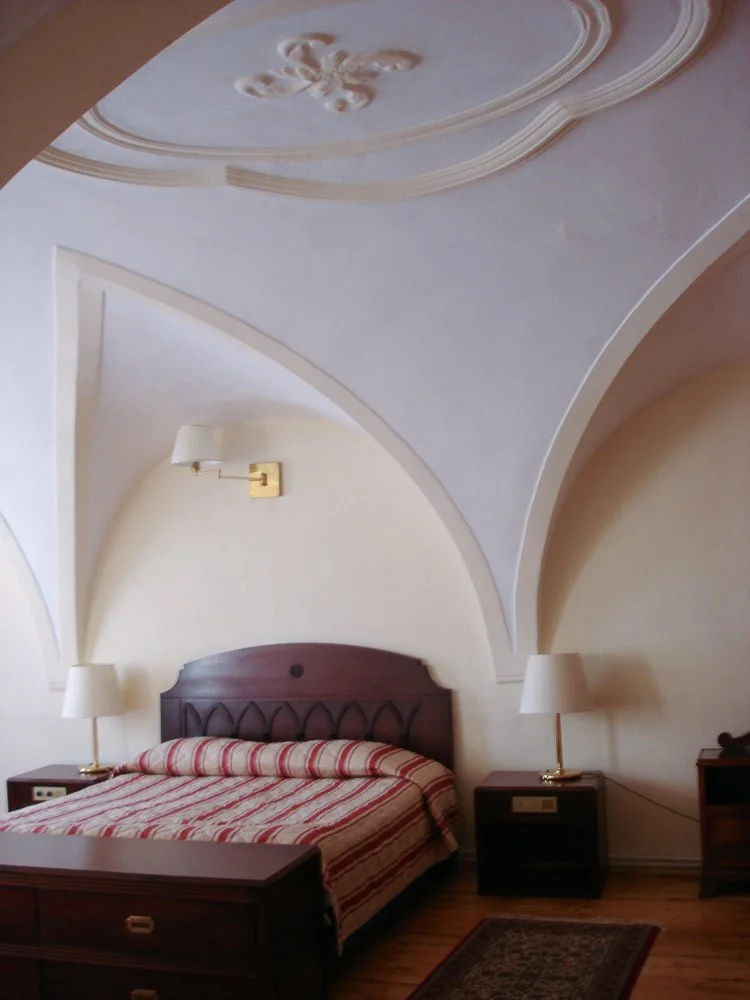
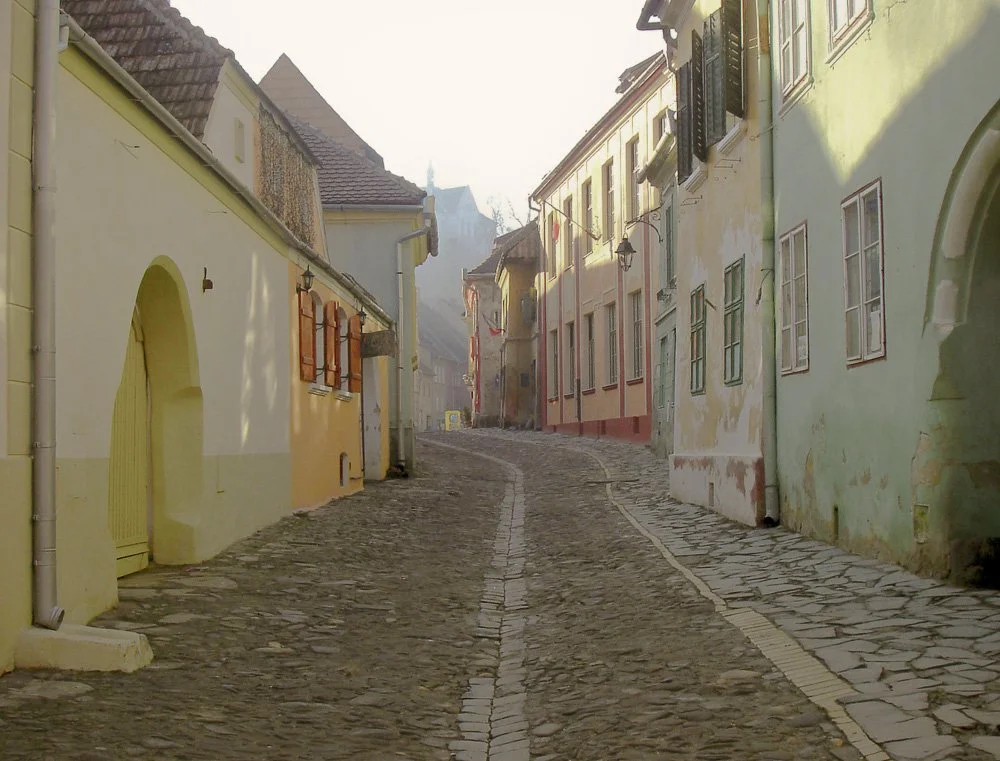
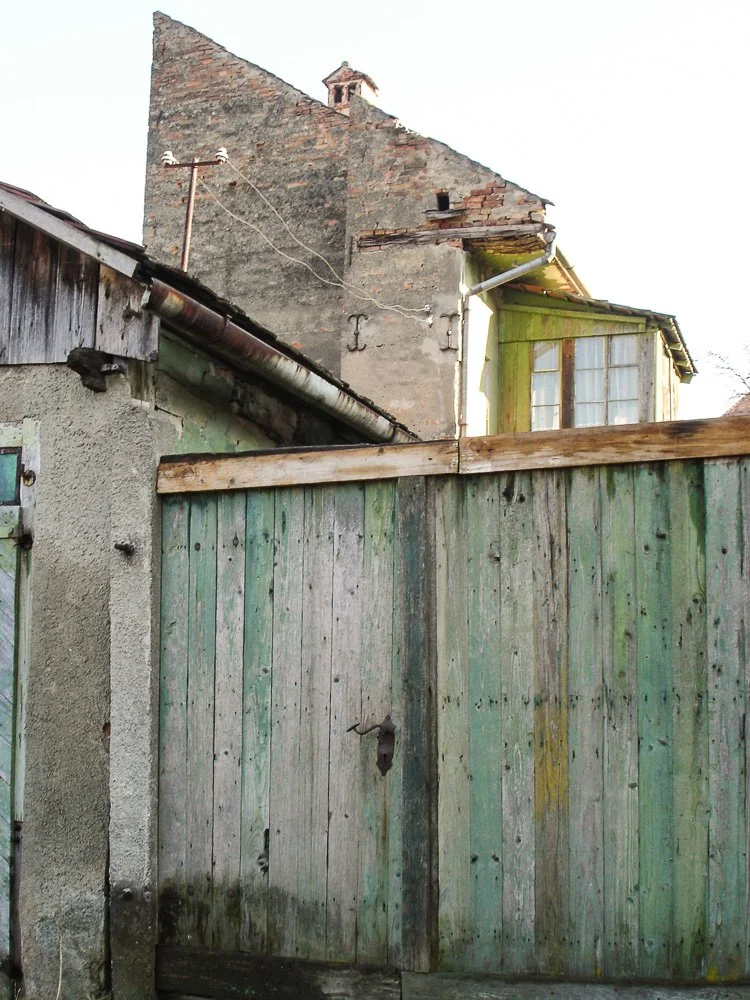
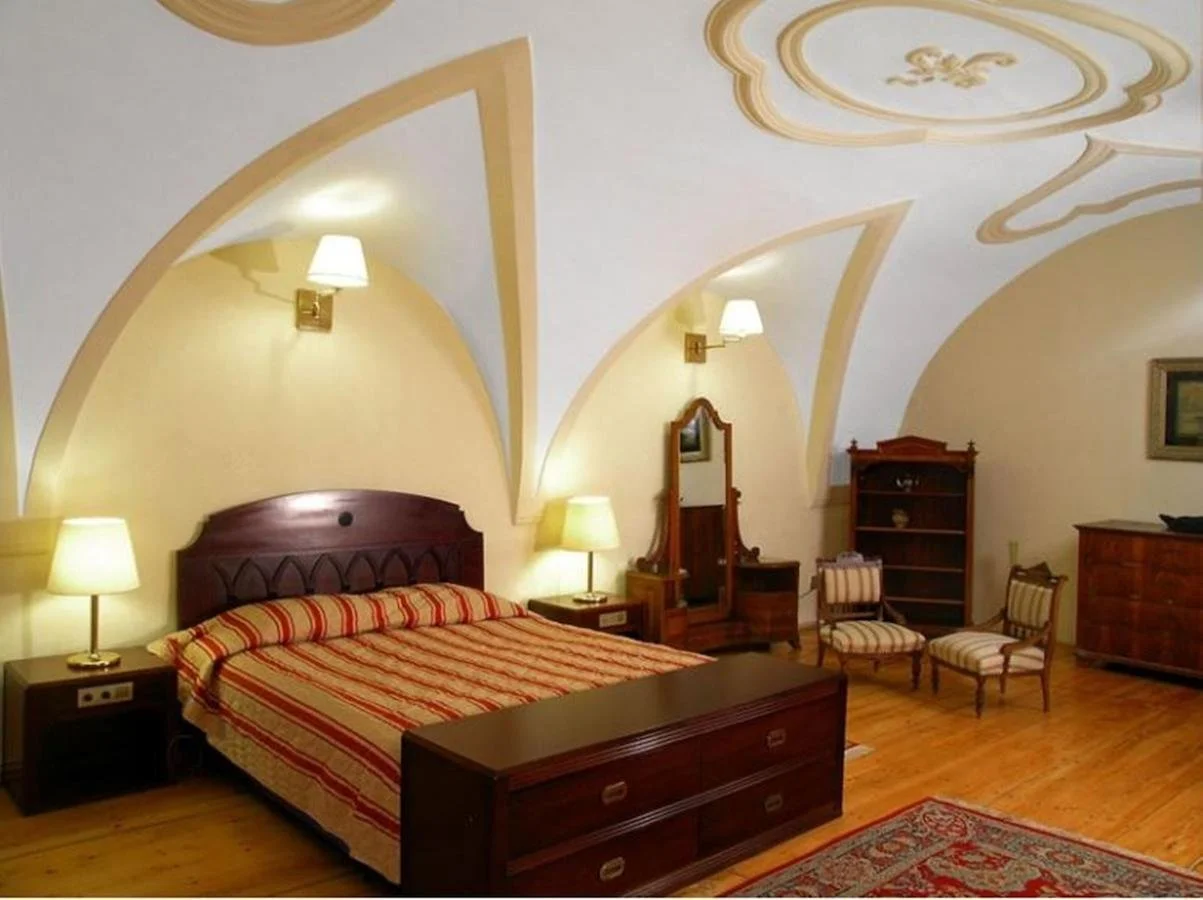
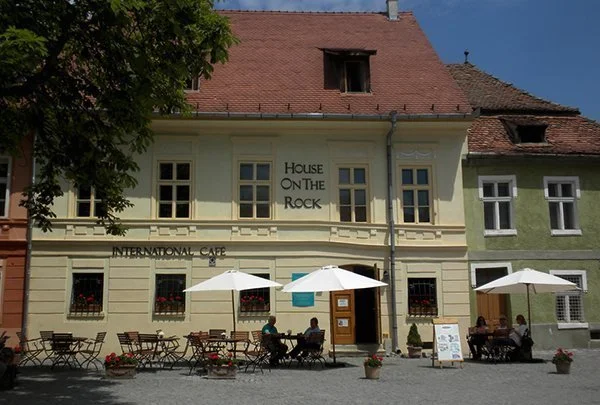
We visited in winter and stayed at Casa Wagner, a charming little hotel in the centre of the citadel. There were only two other couples visiting the citadel at the time, and we kept bumping into each other; that is how small the place is. At that time, the only open places were the Dracula restaurant (not great for food but good for beer) and the International Café at the Christian mission in the centre square, which was the top simple, vegetarian option and the only other business open within the citadel. For other food options, we had to walk down to the town, and the best choice was Pizzeria Perla, a surprisingly delicious option and vegetarian-friendly.
Sighișoara feels preserved through use rather than display. Walk its streets slowly, and the centuries overlap without friction. Few places hold history so lightly, or allow it to remain so deeply alive.